Decoupling Infrastructure Concerns in Cloud-Native Architectures
By The Coding Gopher
Published: 2026-08-18
URL: https://thecodinggopher.substack.com/p/the-sidecar-pattern-in-distributed
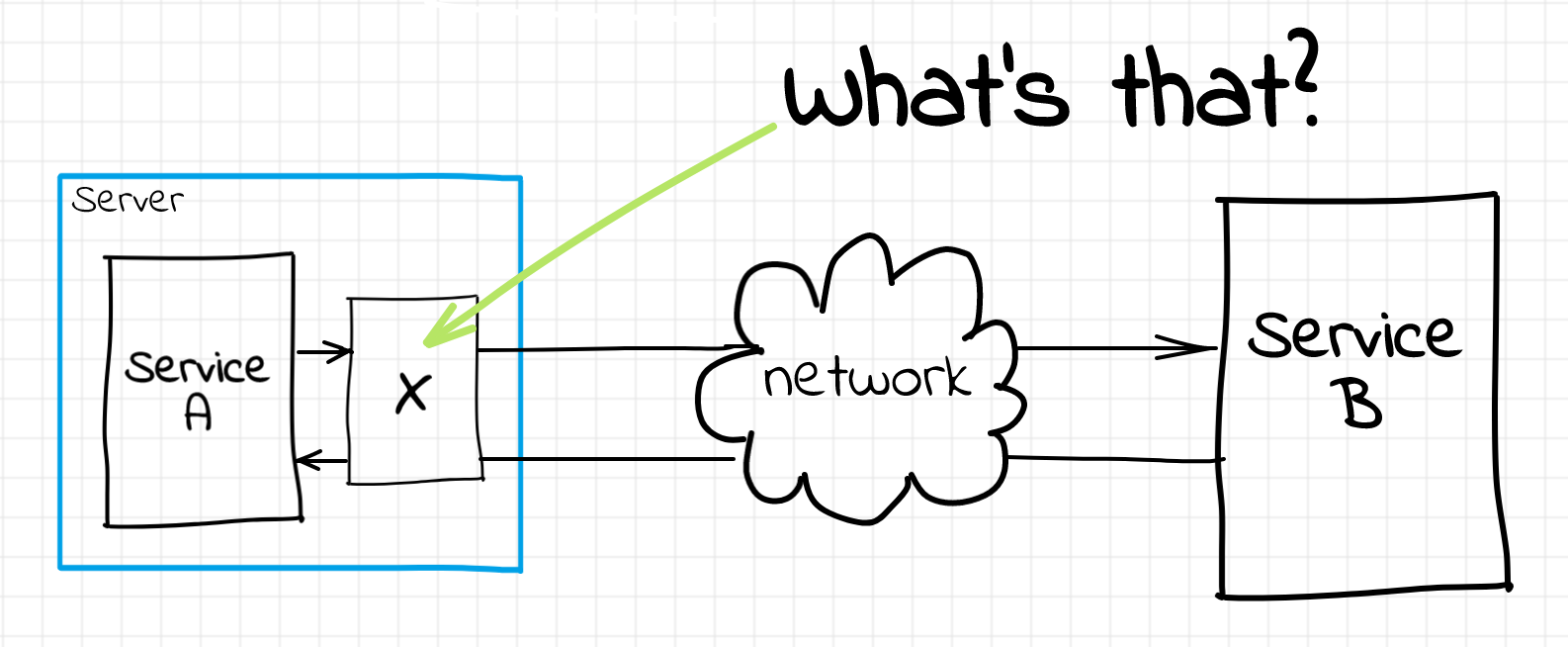
In distributed systems, the Sidecar pattern extracts operational and infrastructure tasks away from the core application, placing them into an adjacent, dedicated process. This architecture isolates business logic from network complexities, standardizing how microservices operate.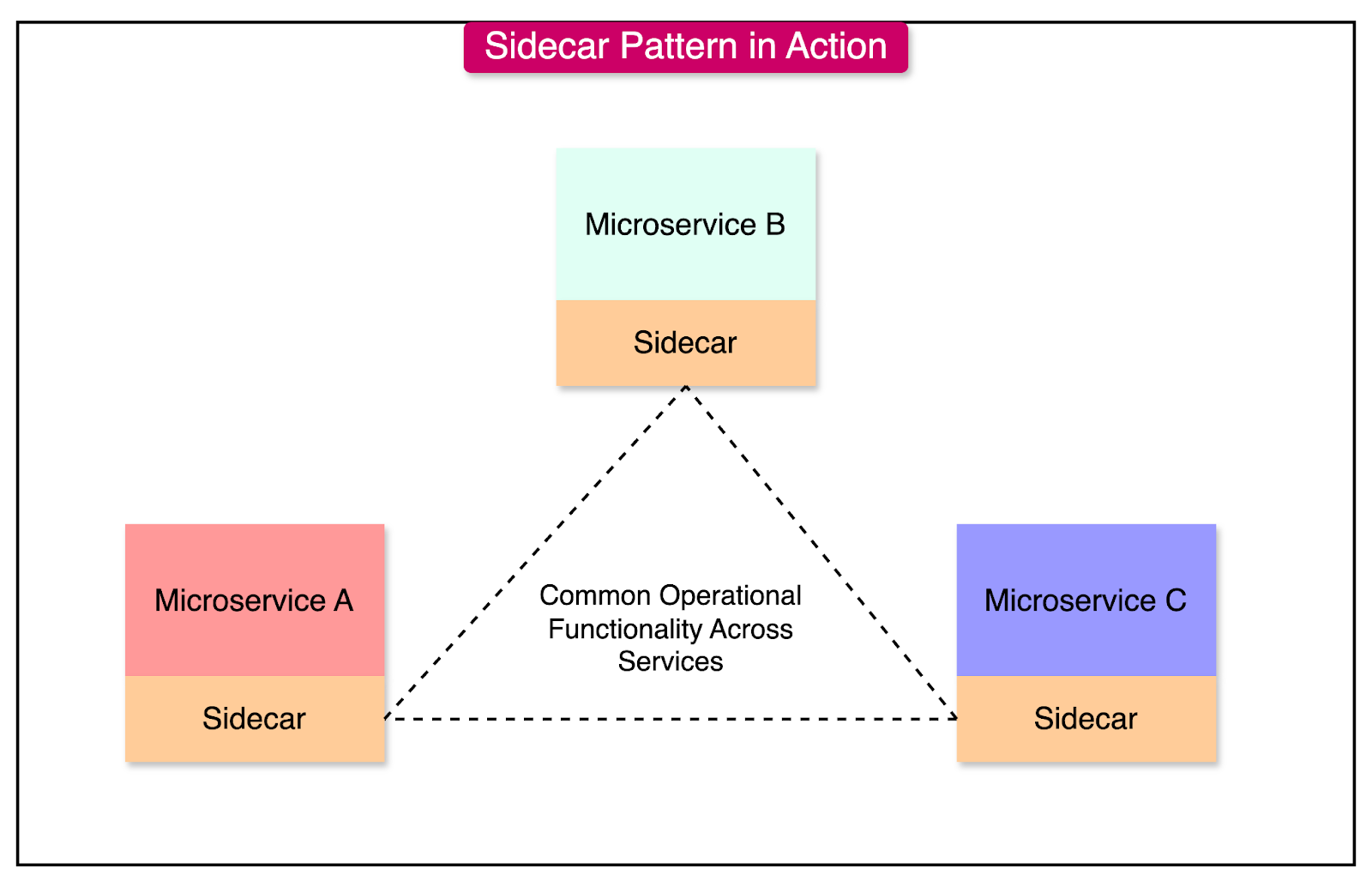 The sidecar pattern is a software architecture design where a helper component (the "sidecar") is deployed alongside a primary application to handle peripheral tasks like logging, security, or network proxies. It decouples infrastructure concerns from your core business logic, keeping the primary application lightweight and modular.
The Limitations of Shared Libraries
When engineers build a microservice, the primary focus is the application’s business logic. However, production environments require strict operational capabilities:
-
Emitting standardized logs and metrics.
-
Encrypting traffic using mutual TLS (mTLS).
-
Managing network timeouts, retries, and circuit breaking.
Historically, engineering teams packaged these features into a shared library imported directly into the service. This approach becomes problematic in a polyglot architecture. If a system utilizes Node.js, Python, and Go, the organization must build, maintain, and upgrade three distinct versions of that shared library. Furthermore, patching a critical security vulnerability in the library requires coordinating a massive cross-team update across all active services.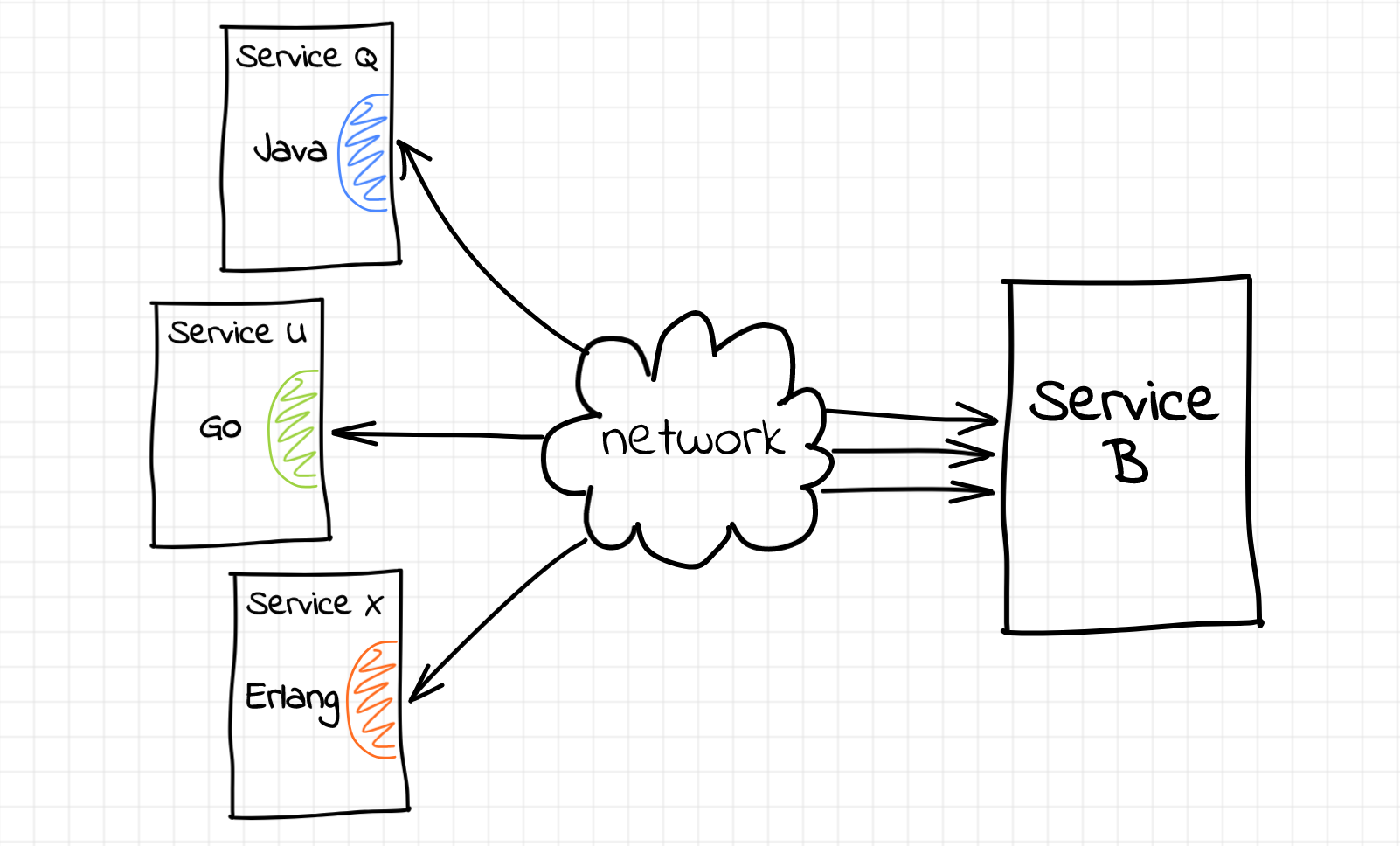
Shared libraries introduce hidden coupling and decrease deployment independence. They create "lockstep" updates that force cross-team coordination, increase runtime execution overhead, and leave systems vulnerable to dependency breakages if a modified shared contract inadvertently corrupts an existing integration.
The Sidecar Architecture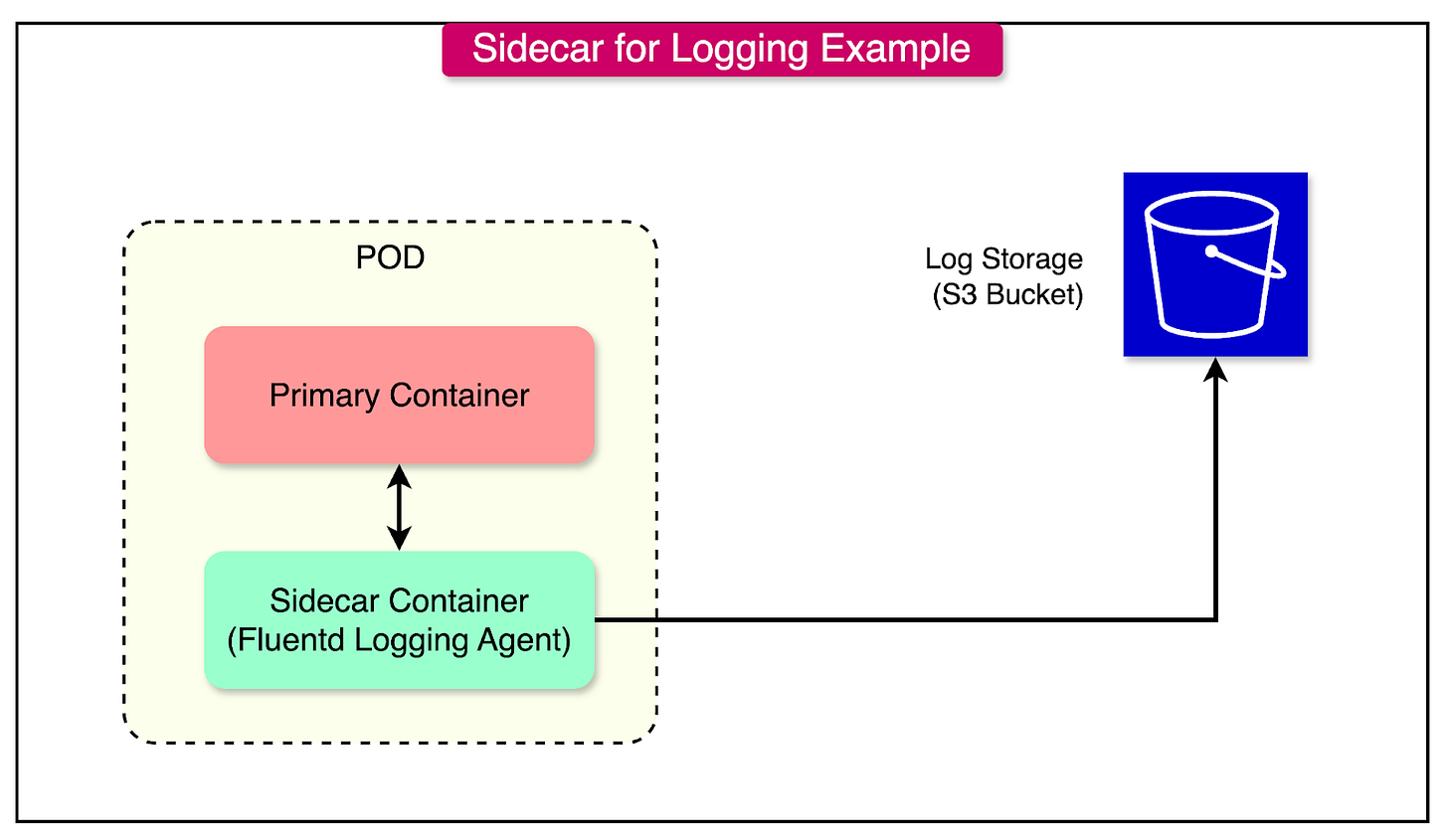
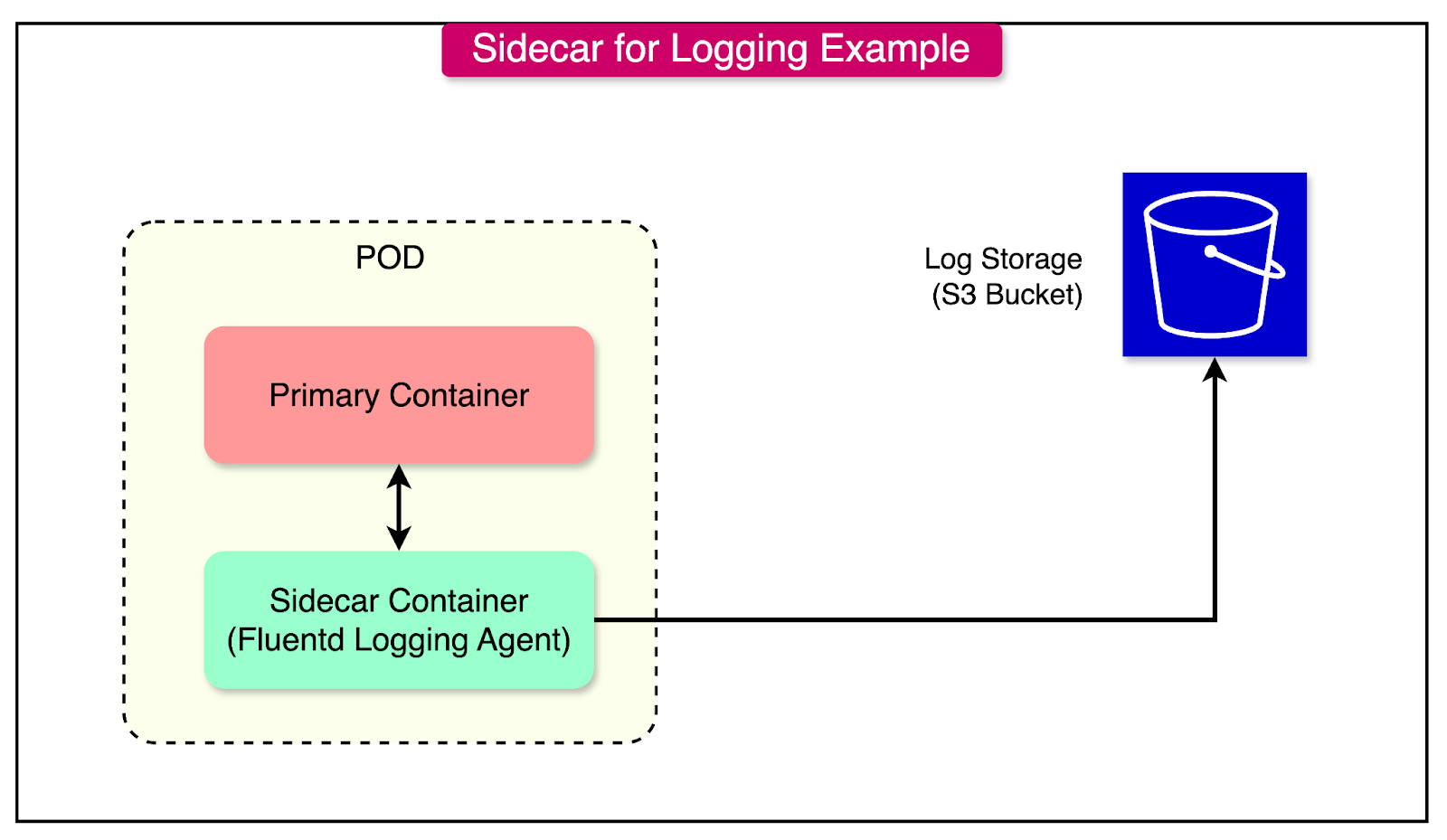
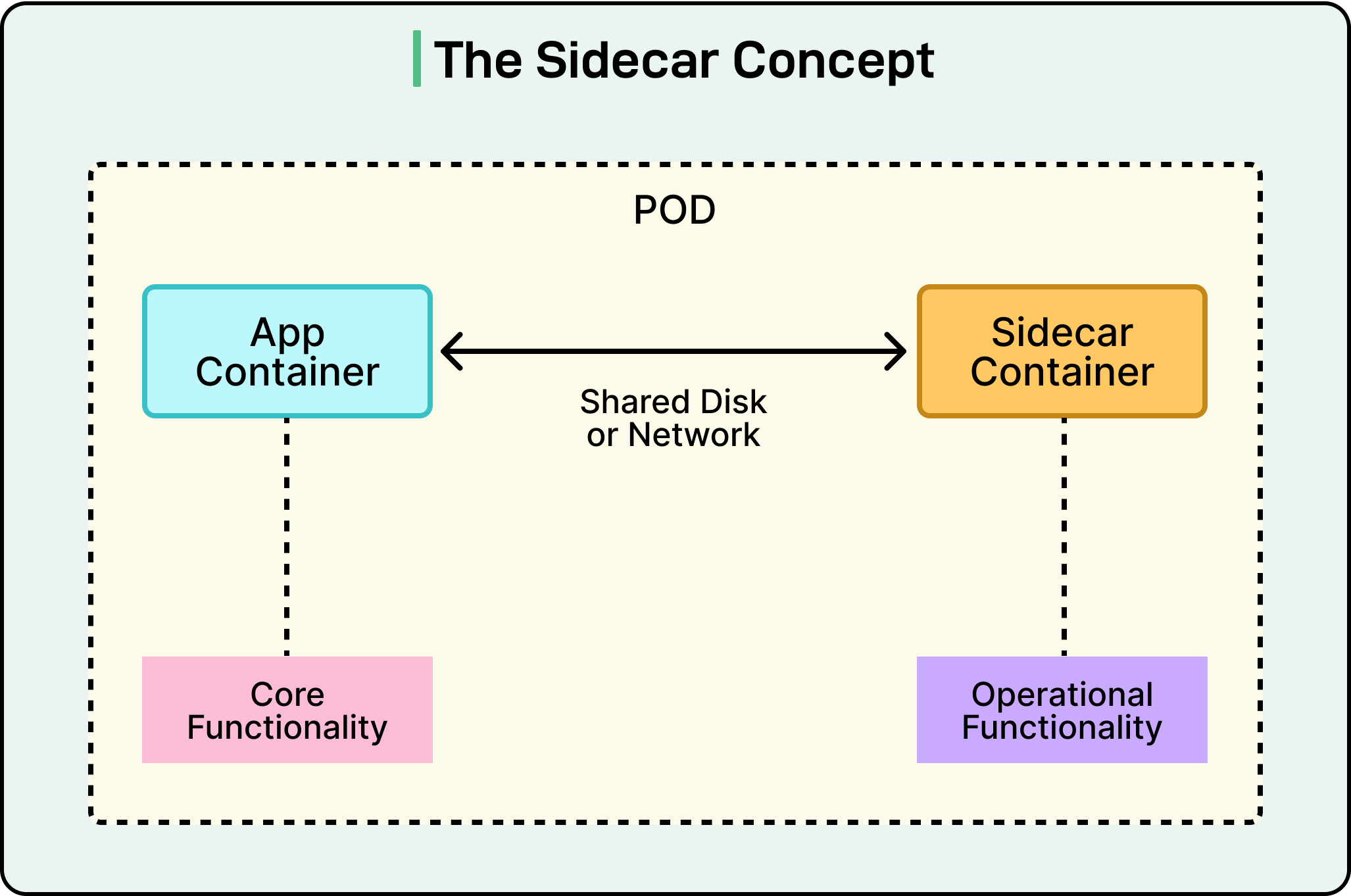
The Sidecar pattern addresses this by replacing the shared library approach. Instead of embedding operational code into the application, a secondary, independent container is deployed alongside the application container.
In a Kubernetes environment, both of these containers reside within the exact same “Pod.” They share the same local network interface and disk space.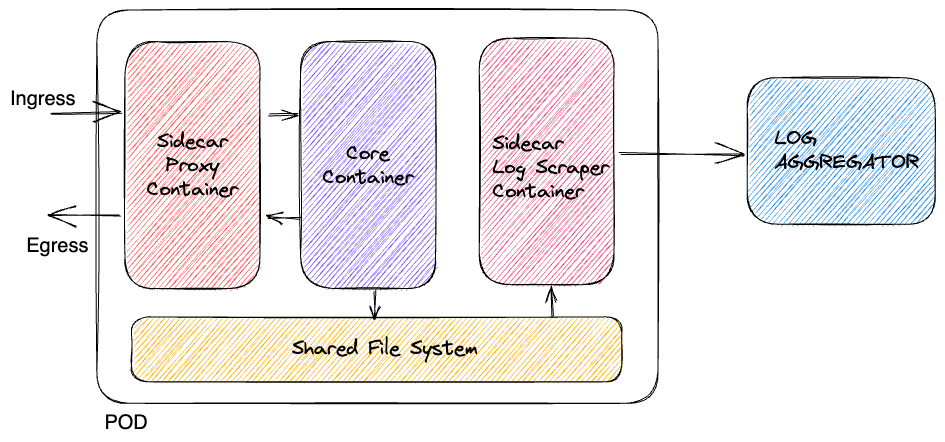
When the application needs to communicate with an external service, it does not send the request across the internet. It sends an unencrypted, basic request to localhost. The sidecar intercepts that request, encrypts it, attaches distributed tracing headers, handles any necessary retries, and routes it to the outside world.
Core Responsibilities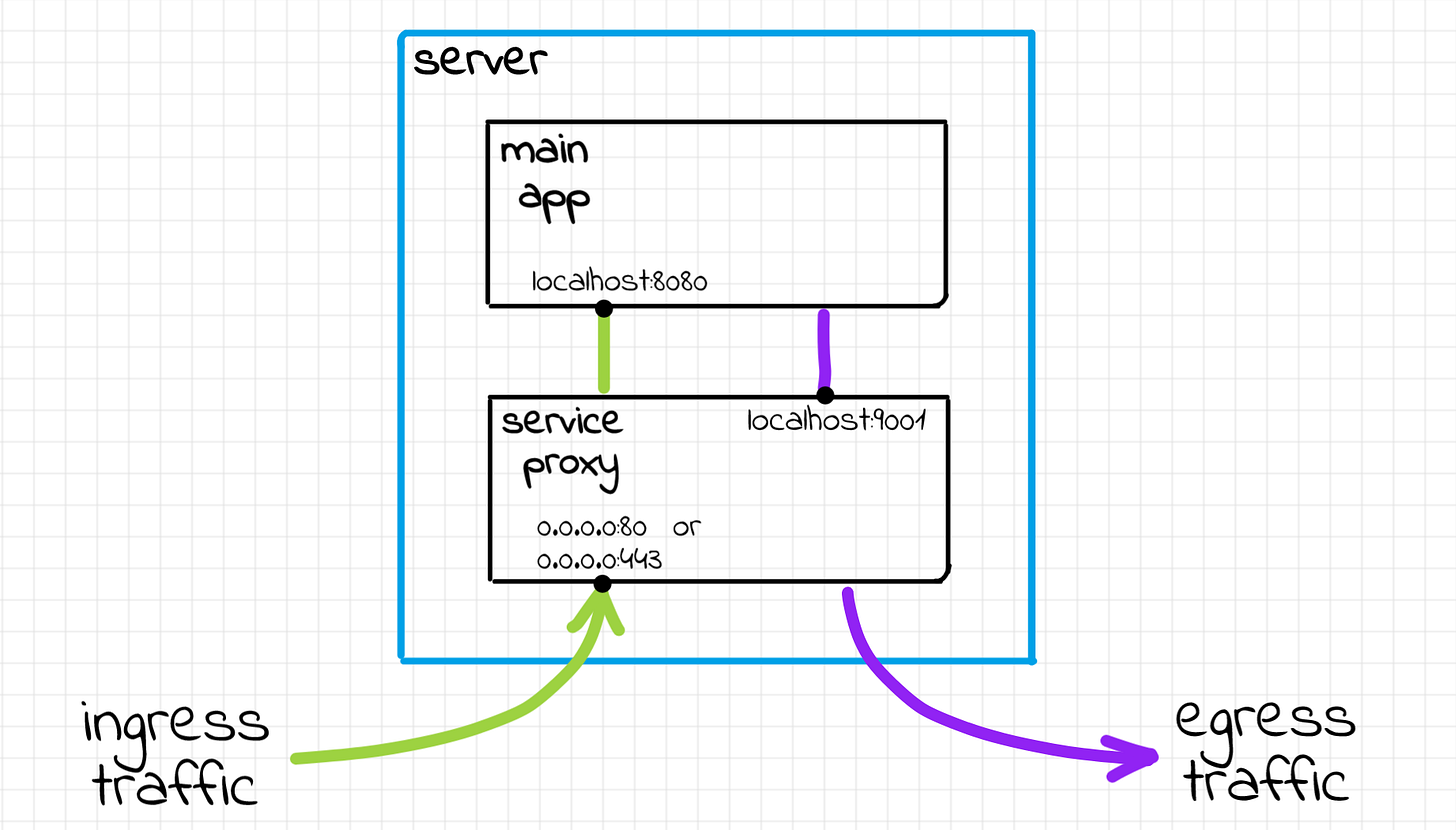
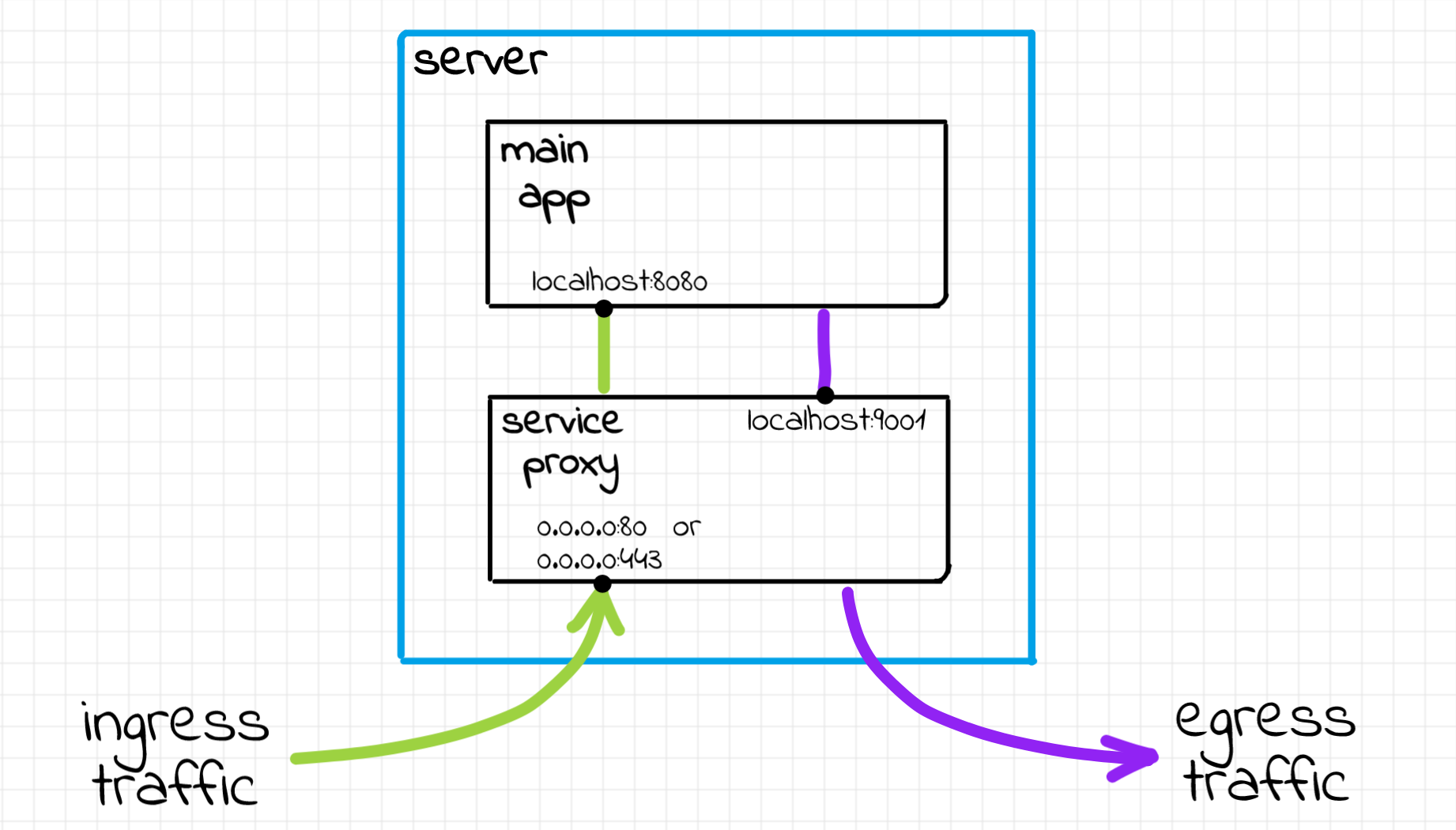
By intercepting all incoming and outgoing network traffic, sidecars act as a universal proxy for the service. Their primary responsibilities include:
-
Traffic Management: If a downstream service experiences degradation, the sidecar can automatically implement a circuit breaker to halt requests or intelligently route traffic to a healthier replica.
-
Security and Authentication: The sidecar manages SSL/TLS certificates and encrypts data in transit. The application itself handles no cryptography; it strictly reads and writes plain text to the local sidecar.
-
Observability: Because every request flows through the sidecar, it automatically generates standardized metrics (request rates, error rates, duration) and distributed traces. It ships this telemetry to monitoring tools without the application developer writing any instrumentation code.
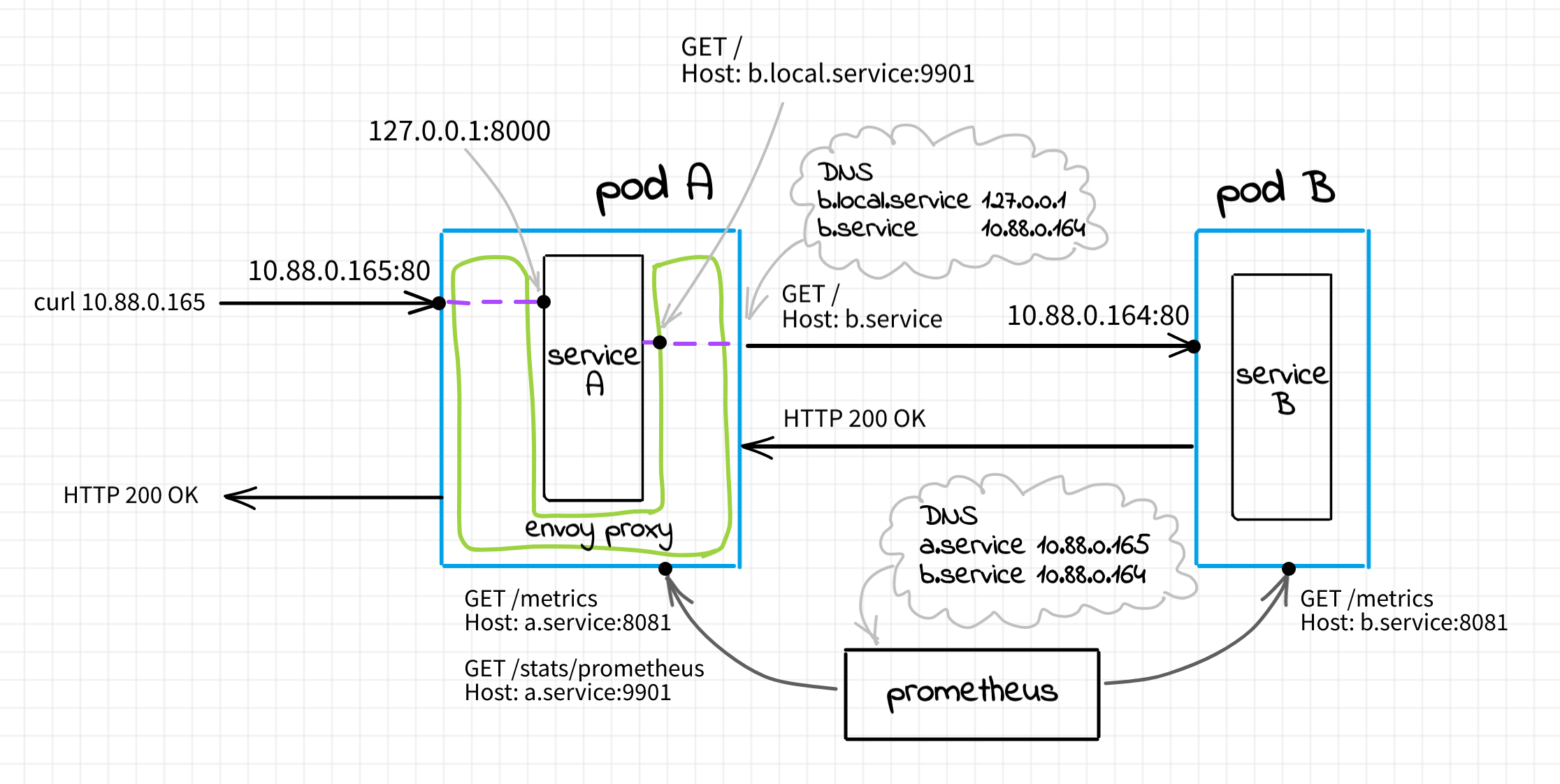
The sidecar pattern—represented by the green envoy proxy wrapping service A—acts as a transparent intermediary for all network traffic entering, leaving, and monitoring the pod.
Here is a concise breakdown of the mechanics shown:
-
Inbound Traffic Interception: External requests (e.g., curl 10.88.0.165) hit Pod A’s network interface on port 80. Instead of reaching the application directly, the Envoy sidecar intercepts the traffic and proxies it to the main application (service A) over the local loopback address (127.0.0.1:8000).
-
Outbound Traffic Management: When service A needs to talk to service B, it makes a request to a local or virtual host (e.g., b.local.service:9901). The sidecar intercepts this outbound call, handles the DNS resolution to find the actual remote IP (10.88.0.164), and routes the request across the network to Pod B.
-
Decoupled Observability: The sidecar provides standardized endpoints for infrastructure tools. Prometheus scrapes telemetry data directly from the proxy (e.g., via the /stats/prometheus endpoint on port 9901), isolating metrics collection from the core business logic of service A.
In short, the sidecar abstracts away networking, routing, and observability so the main application only ever has to worry about communicating over localhost.
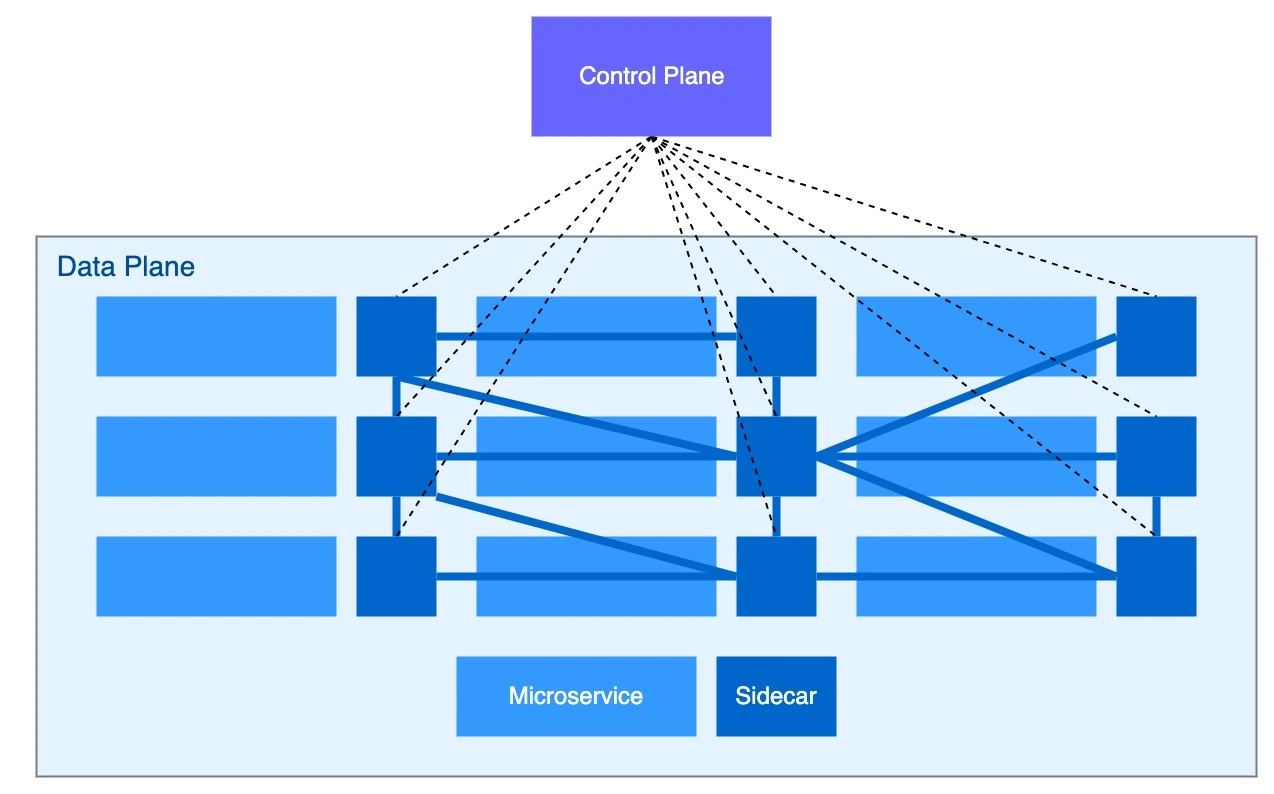
Extending to a Service Mesh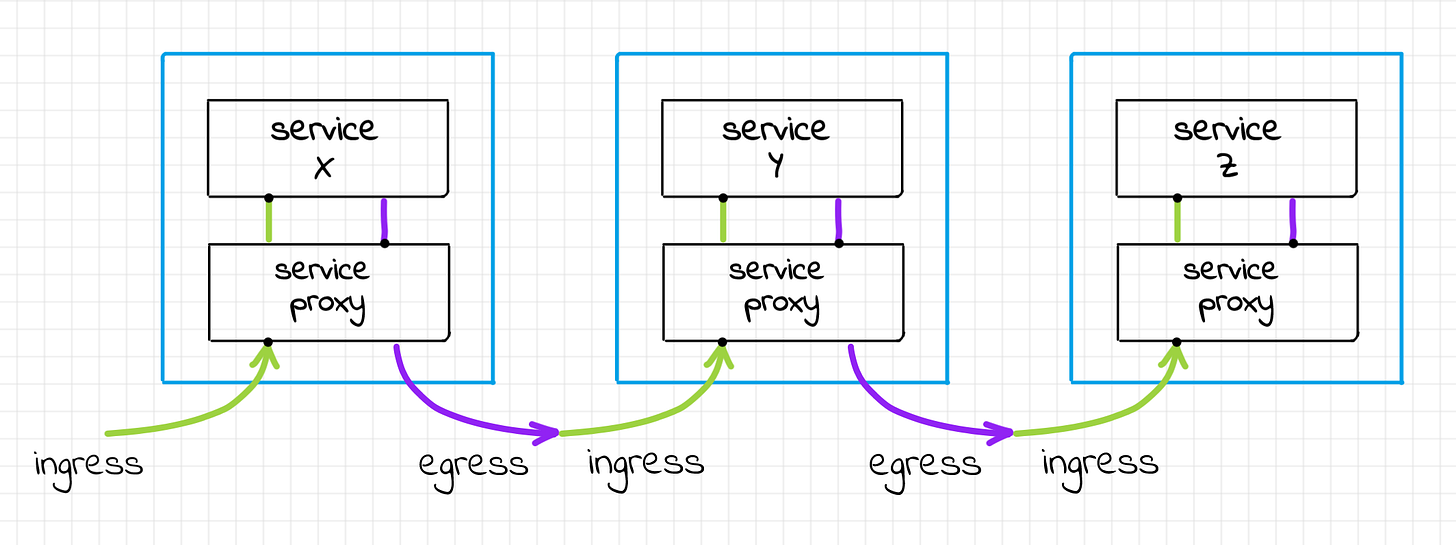 Example of service to service communication topology, a.k.a. service mesh.
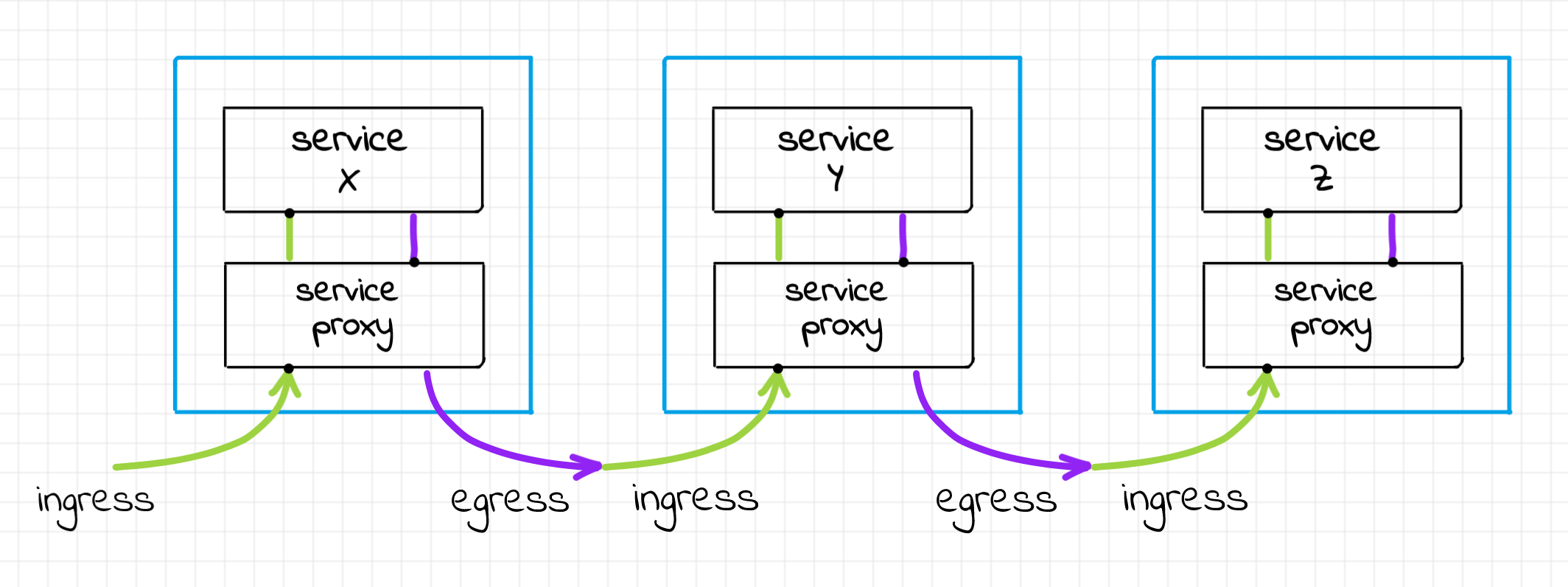
If a sidecar proxy (such as Envoy) is attached to every microservice in the infrastructure, it creates a unified network layer known as a Service Mesh (managed by control planes like Istio or Linkerd).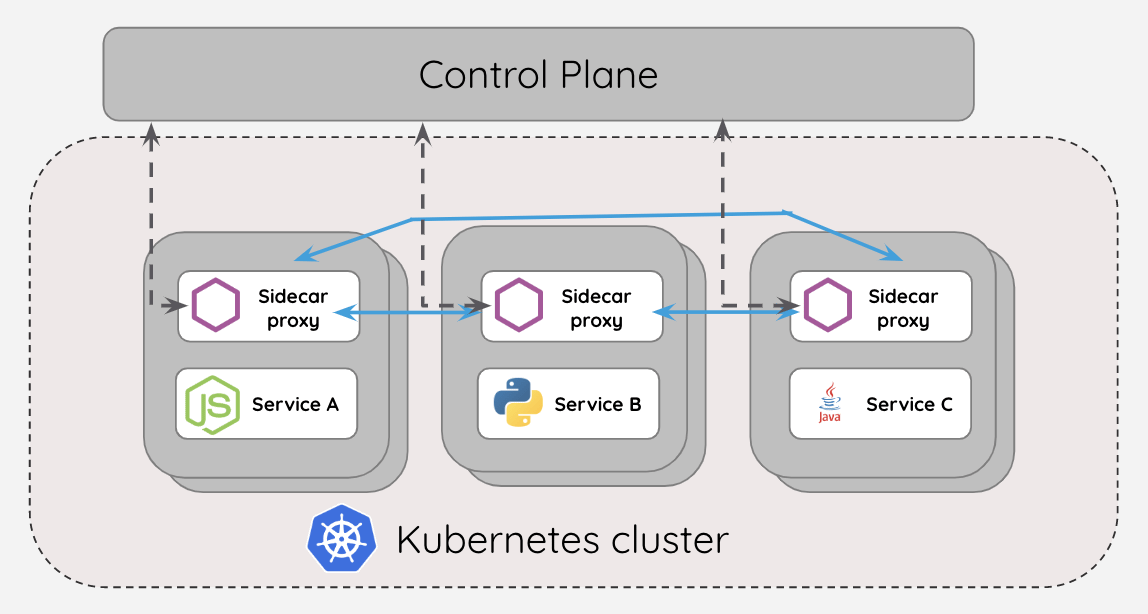
In a Service Mesh, applications are completely abstracted from the network. They communicate exclusively with their local sidecar, and the sidecars securely negotiate all communication across the cluster. This allows platform operators to globally enforce security policies, rate limits, and routing rules by updating the sidecars—completely independent of the application code.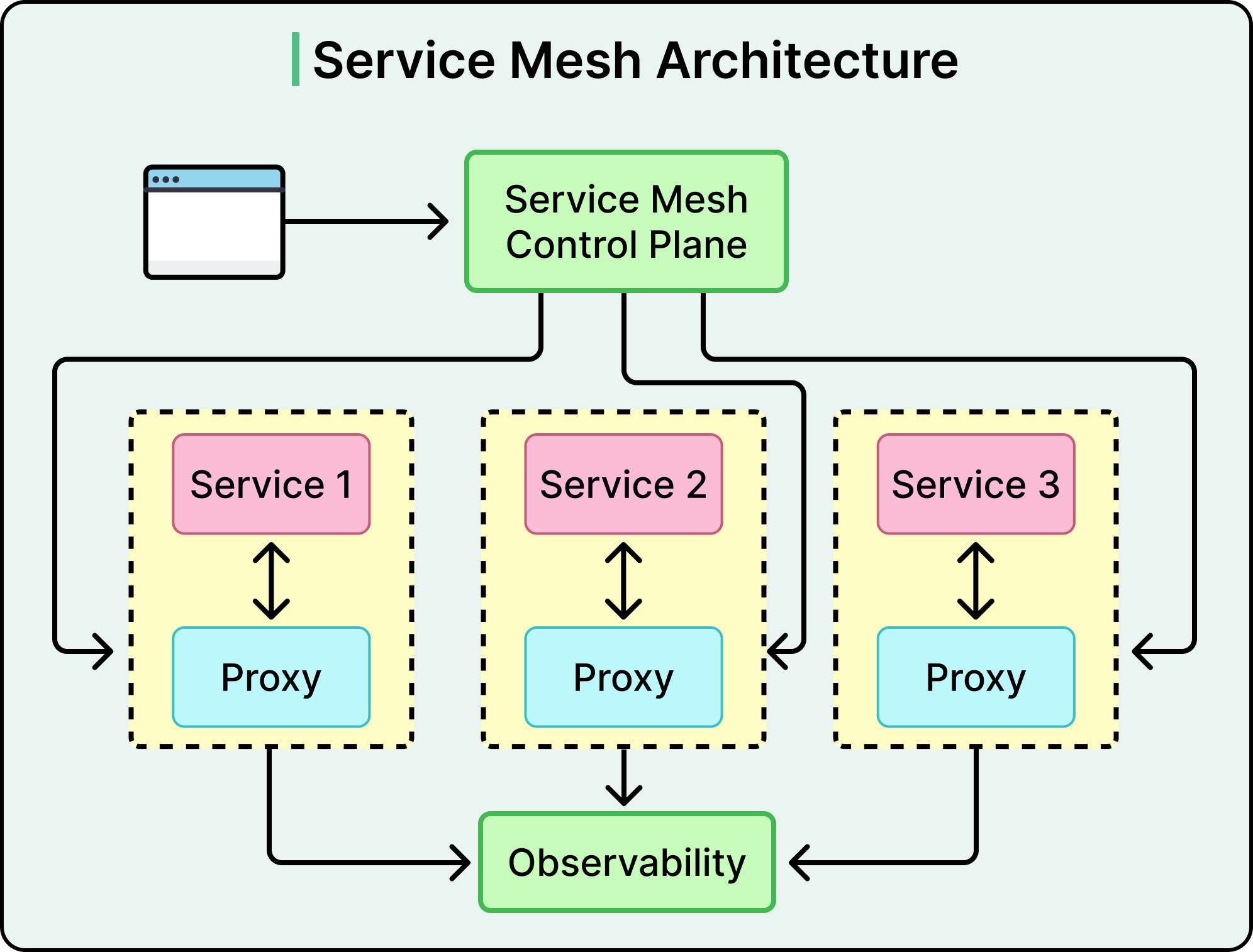
A service mesh is a dedicated infrastructure layer that manages communication between microservices. It abstracts network complexities (like load balancing, security, and observability) away from the application code by using a network of lightweight proxies deployed alongside each service.
𝐋𝐞𝐚𝐫𝐧 𝐭𝐨 𝐛𝐮𝐢𝐥𝐝 𝐆𝐢𝐭, 𝐃𝐨𝐜𝐤𝐞𝐫, 𝐑𝐞𝐝𝐢𝐬, 𝐇𝐓𝐓𝐏 𝐬𝐞𝐫𝐯𝐞𝐫𝐬, 𝐚𝐧𝐝 𝐜𝐨𝐦𝐩𝐢𝐥𝐞𝐫𝐬, 𝐟𝐫𝐨𝐦 𝐬𝐜𝐫𝐚𝐭𝐜𝐡. Get 40% OFF CodeCrafters: https://app.codecrafters.io/join?via=the-coding-gopher
This Substack is reader-supported. To receive new posts and support my work, consider becoming a free or paid subscriber.
Architectural Trade-Offs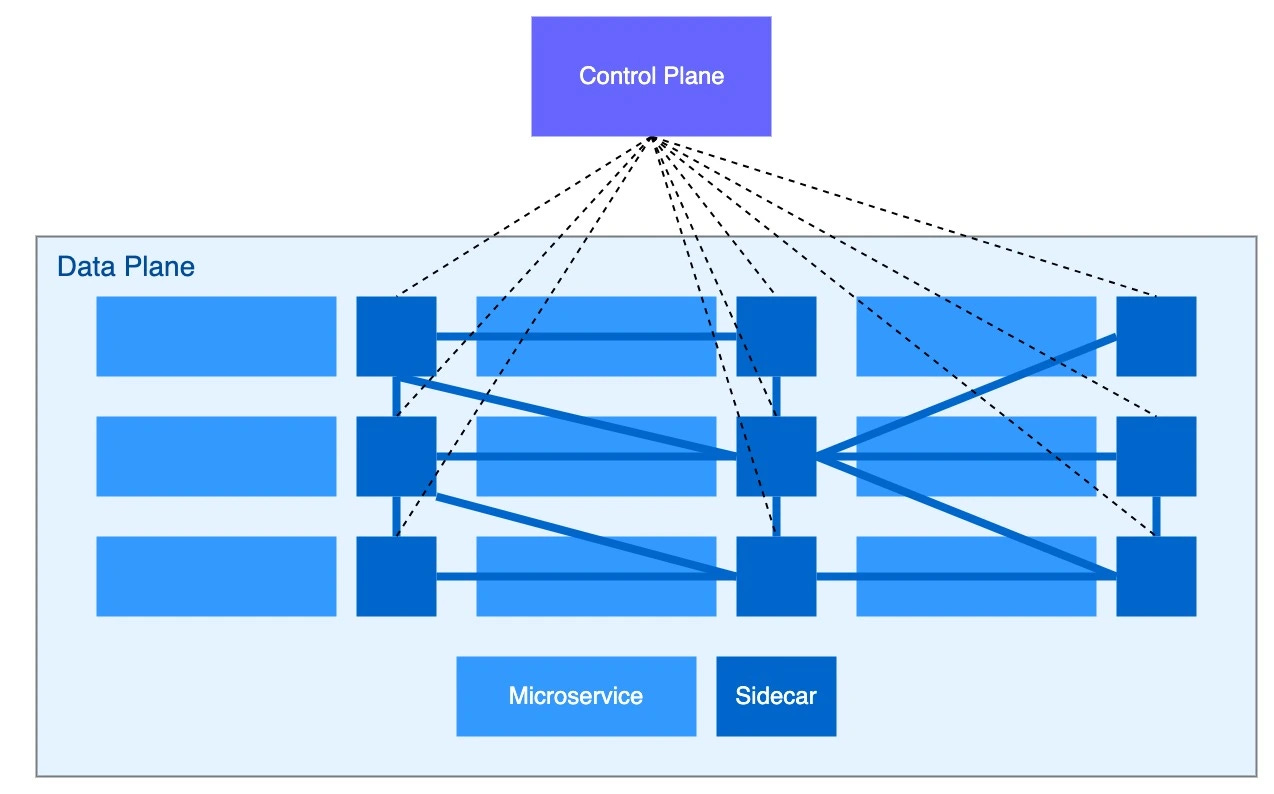
Like all distributed systems patterns, extracting operational dependencies into a sidecar introduces specific trade-offs:
-
Latency: This is the most notable drawback. A network request must leave the application, enter the local sidecar, travel across the wire, enter the receiving sidecar, and finally reach the destination application. This additional routing introduces milliseconds of latency to every network hop.
-
Resource Overhead: Deploying a secondary container for every microservice consumes additional CPU and memory. At a massive scale, the aggregate compute cost of running thousands of sidecar proxies is significant.
-
Operational Complexity: While sidecars simplify the application developer’s workflow, they significantly increase the platform engineer’s workload. Operating a Service Mesh requires deep networking expertise and introduces a steep learning curve for infrastructure teams.
The Sidecar pattern provides a significant structural advantage for standardizing polyglot architectures. It allows engineering teams to focus strictly on business logic while delegating network reliability and security to a dedicated, language-agnostic proxy.
This Substack is reader-supported. To receive new posts and support my work, consider becoming a free or paid subscriber.
Thanks for reading! This post is public so feel free to share it.