A Blueprint for High-Availability Systems
By The Coding Gopher
Published: 2026-08-13
URL: https://thecodinggopher.substack.com/p/the-architecture-of-read-scaling
Deconstructing the infrastructure strategies used to handle massive read-heavy workloads without collapsing the database.
In modern web applications, traffic is rarely symmetrical. Systems like Twitter, Reddit, or standard e-commerce sites operate on a massive read-to-write ratio—often 100:1 or higher. If a system attempts to query the primary relational database for every single read request, the disk I/O will quickly saturate, bringing the entire platform offline.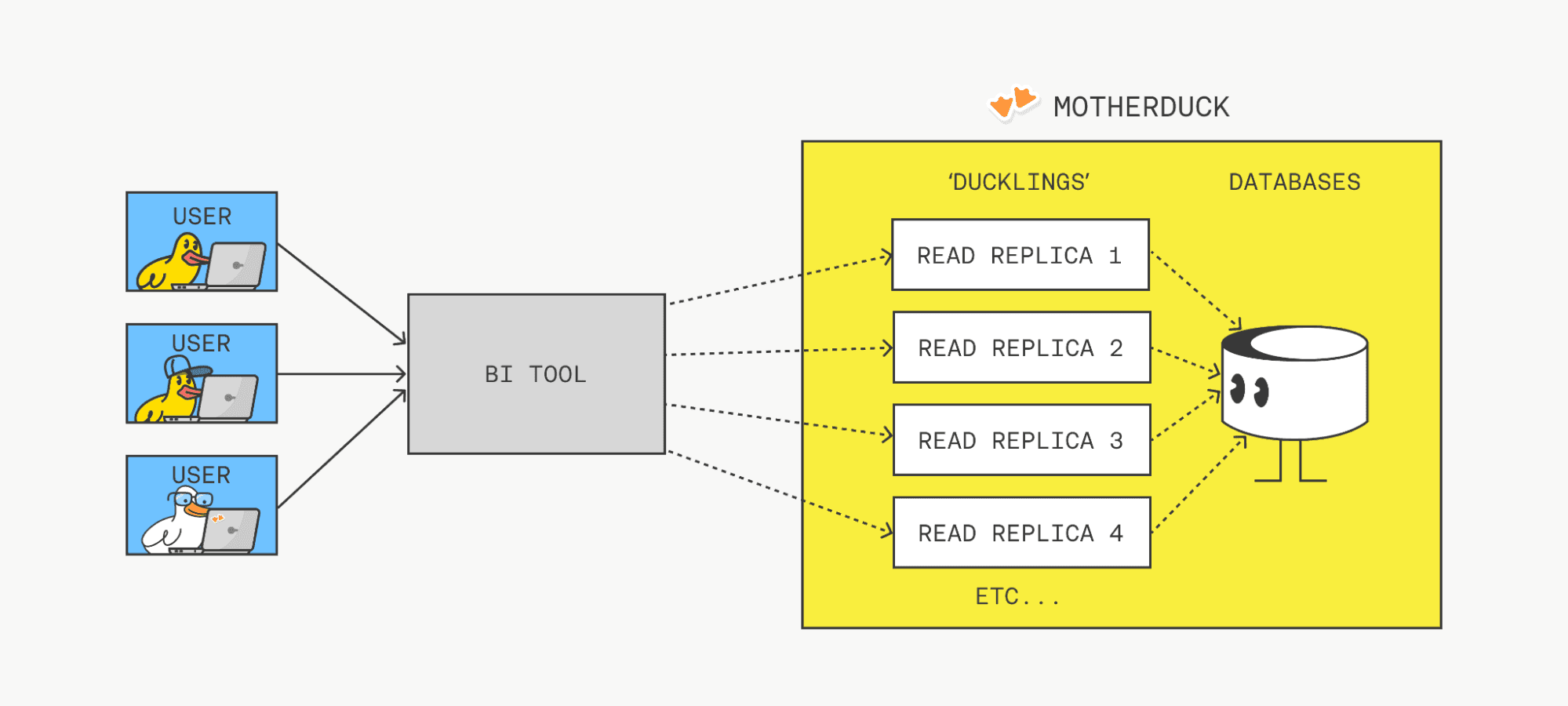 Read scaling is the process of expanding a database or system's capacity to handle high volumes of data retrieval without degrading performance. Since read-to-write ratios in most applications are 10:1 to 100:1 or higher, read scaling protects the primary database by distributing workloads.
Scaling reads requires a multi-layered approach: optimizing the queries themselves, distributing the compute load across multiple servers, and bypassing the database entirely whenever possible.
1. The Baseline: Database Indexing
Before adding complex distributed infrastructure, the foundation must be optimized. Missing database indexes are the single most common cause of high read latency.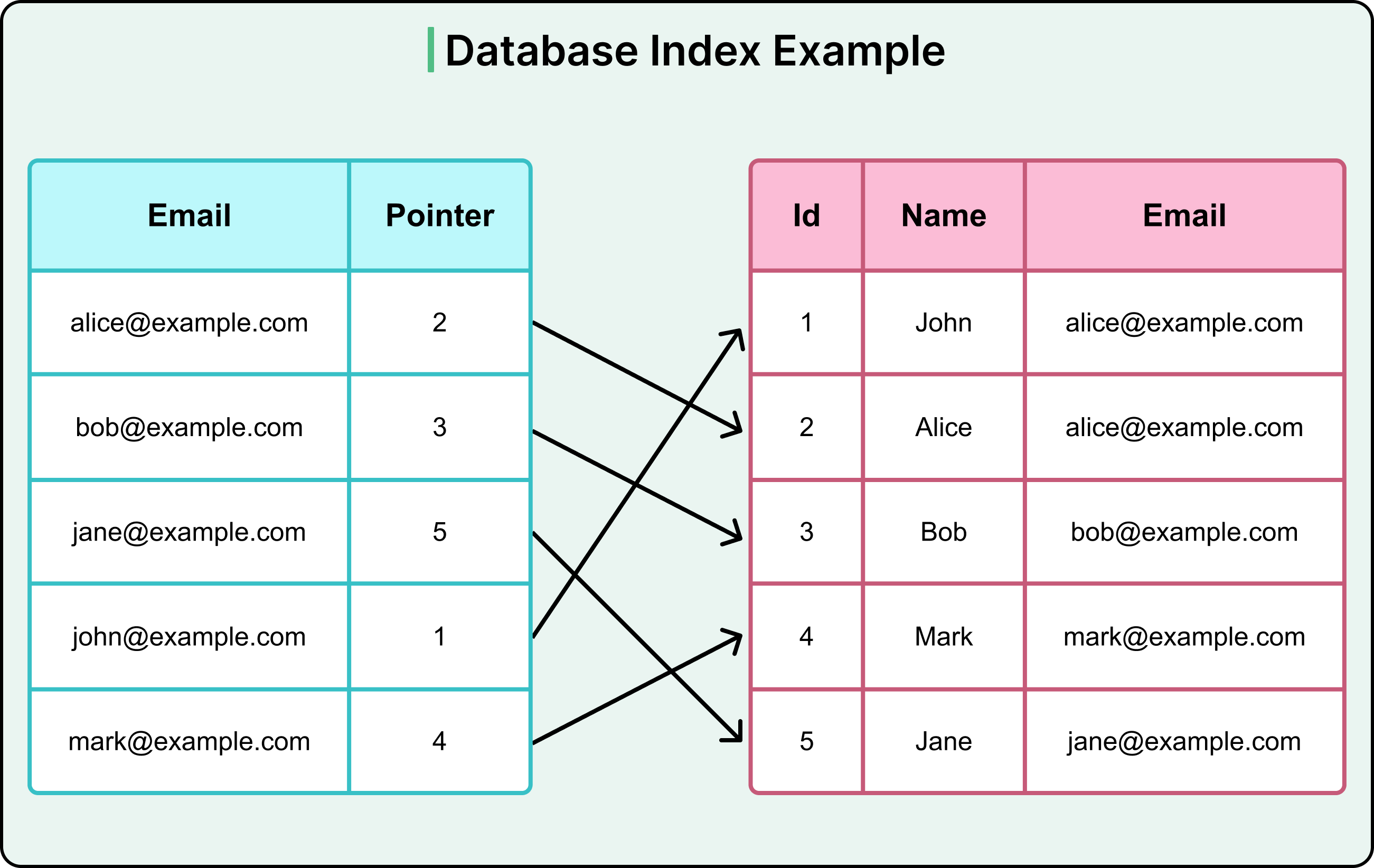 A database index is a data structure that drastically speeds up data retrieval operations (like
SELECT queries) by creating a quick-reference lookup table. Instead of scanning every row in a large table, the database uses the index to find specific records in a fraction of the time.
Without an index, finding a specific user record requires a full table scan. The database engine must read every single row from the disk (O(n) time), which locks up CPU and disk resources. By creating an index on a frequently queried column, the database builds a separate, highly optimized data structure (typically a B-Tree). This allows the engine to locate the exact row in O(log n) time, drastically reducing the physical disk I/O required for the read.
2. Distributed Load: Read Replicas (Leader-Follower)
When the primary database is perfectly indexed but is still overwhelmed by the sheer volume of queries, the next step is horizontal read scaling.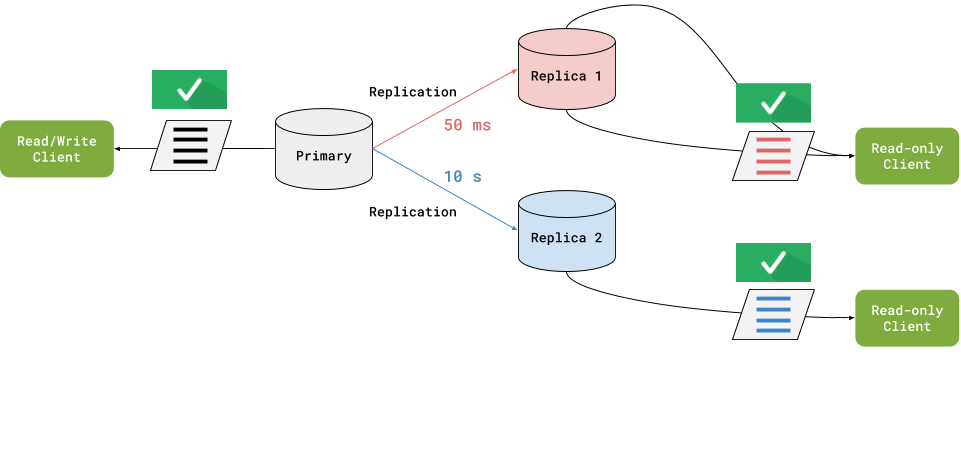 A read replica is a read-only copy of a primary (source) database. It is used to scale database performance by offloading resource-heavy read queries and analytics from the main server.
This is achieved through Database Replication. The database cluster is split into one Leader node (which handles all write operations) and multiple Follower nodes (Read Replicas). When data is written to the Leader, it is asynchronously copied to the Followers. All incoming read traffic is then load-balanced across these Follower nodes.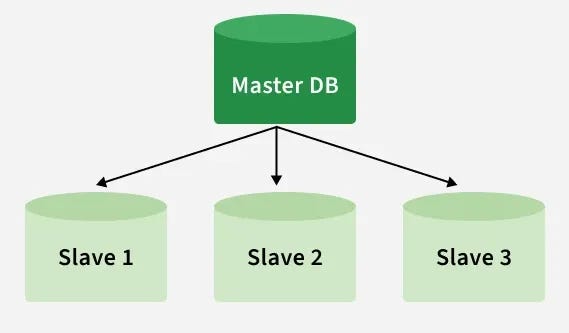 Database replication is the process of copying and maintaining identical data across multiple servers. It ensures system fault-tolerance, enables horizontal scaling (distributing read/write loads), and reduces latency by placing data closer to users.
-
The Trade-off: This introduces Eventual Consistency. Because the asynchronous copy takes a few milliseconds, a user might write a comment, instantly refresh the page, hit a Follower node that hasn’t synchronized yet, and temporarily not see their comment.
𝐋𝐞𝐚𝐫𝐧 𝐭𝐨 𝐛𝐮𝐢𝐥𝐝 𝐆𝐢𝐭, 𝐃𝐨𝐜𝐤𝐞𝐫, 𝐑𝐞𝐝𝐢𝐬, 𝐇𝐓𝐓𝐏 𝐬𝐞𝐫𝐯𝐞𝐫𝐬, 𝐚𝐧𝐝 𝐜𝐨𝐦𝐩𝐢𝐥𝐞𝐫𝐬, 𝐟𝐫𝐨𝐦 𝐬𝐜𝐫𝐚𝐭𝐜𝐡. Get 40% OFF CodeCrafters: https://app.codecrafters.io/join?via=the-coding-gopher
This Substack is reader-supported. To receive new posts and support my work, consider becoming a free or paid subscriber.
3. Bypassing the Database: The Caching Layer
The fastest database query is the one that never happens. Caching involves placing a lightning-fast, in-memory data store (like Redis or Memcached) directly in front of the relational database.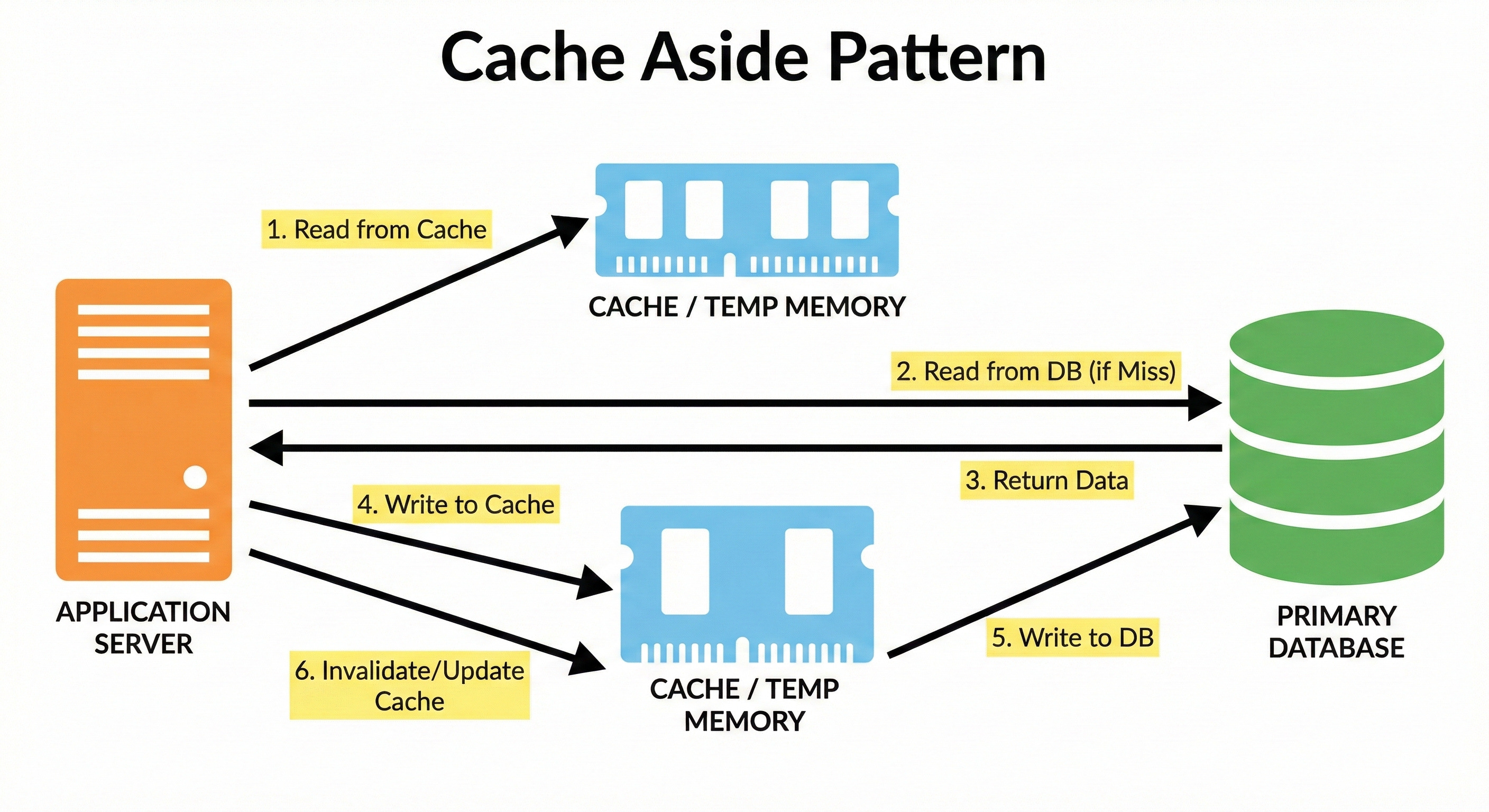 Database caching is a buffering technique that temporarily stores frequently requested data in high-speed, in-memory storage, significantly reducing latency and lowering the workload on your primary database. It is the foundation of high-performance applications, allowing systems to scale efficiently while managing costs.
When a read request arrives, the application layer checks the RAM cache first. If the data is there (a cache hit), it is returned in sub-millisecond time. If it is missing (a cache miss), the application queries the database, returns the data, and writes a copy of that data to the cache for the next user.
-
The Trade-off: Cache invalidation. Keeping the in-memory data perfectly synchronized with the underlying database is notoriously difficult. If the data mutates in the primary database, the application must actively delete or update the stale cache entry, otherwise users will be served outdated information.
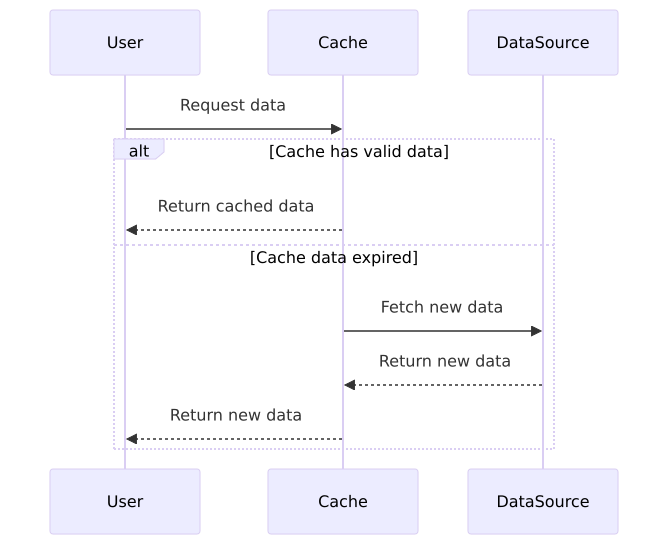 Cache invalidation is the process of removing or updating outdated data in a system's cache to ensure it matches the underlying source of truth (e.g., a database). It prevents users from seeing stale information and is notoriously difficult because data can change across many layers.
4. Pre-computing Heavy Lifts: Materialized Views
For analytical dashboards or complex aggregations (e.g., calculating the total sales per region over the last 30 days), running raw SQL JOIN and GROUP BY statements on every page load will destroy database performance.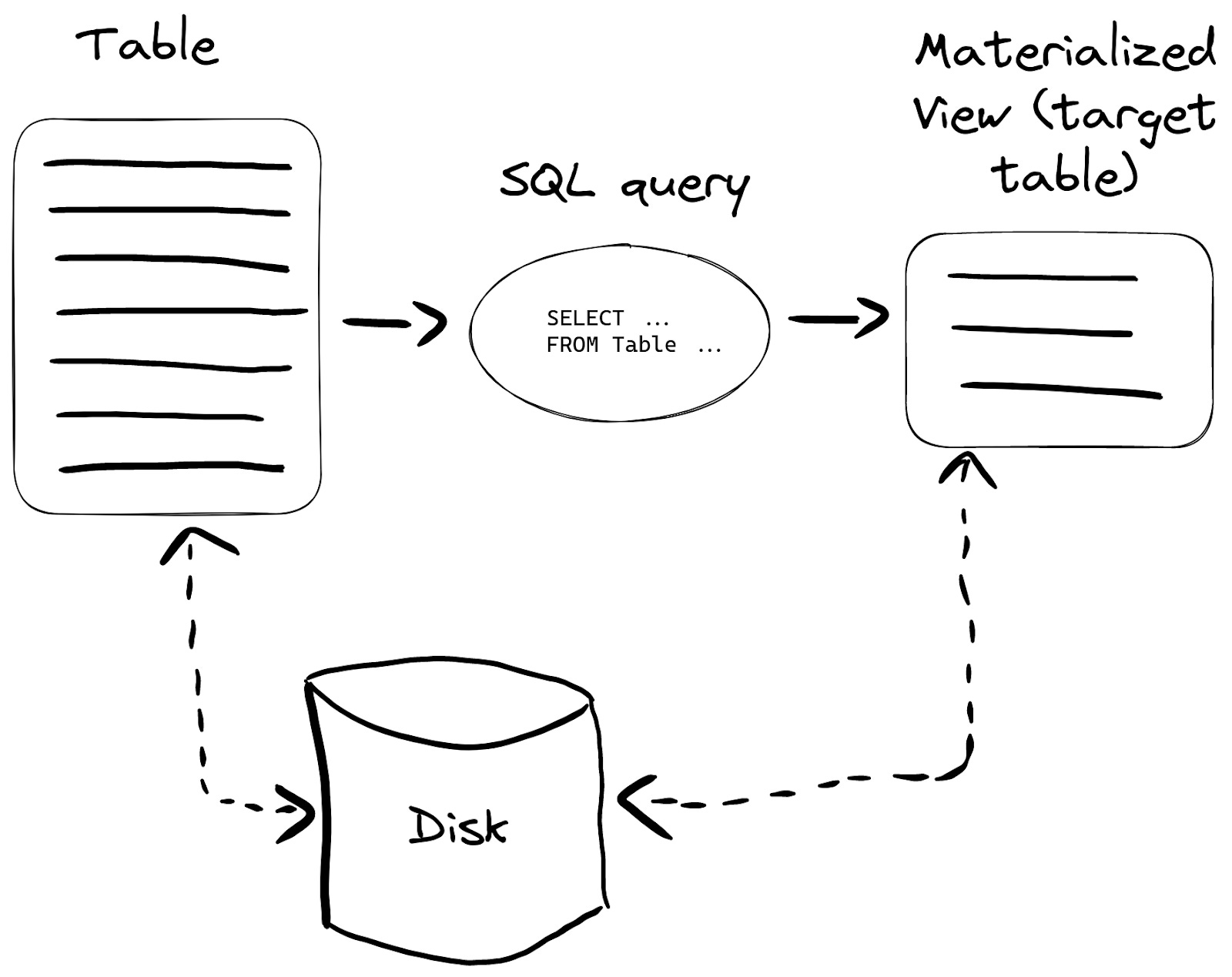 A materialized view is a database object that stores the results of a query physically, like a standard table. Unlike regular virtual views that compute data on the fly, materialized views cache precomputed data, drastically speeding up read times for complex joins and aggregations.
A materialized view is a database object that stores the results of a query physically, like a standard table. Instead of running millions of calculations on read, the system simply reads the static table. Unlike regular virtual views that compute data on the fly, materialized views cache precomputed data, drastically speeding up read times for complex joins and aggregations.
-
These views must be periodically refreshed as the underlying data changes. In systems like PostgreSQL, it is critical to understand that using the CONCURRENTLY keyword during a refresh does not dictate data freshness. Instead, it dictates read availability—it allows the old view data to continue serving read requests without locking the table while the new, updated data is being computed in the background.
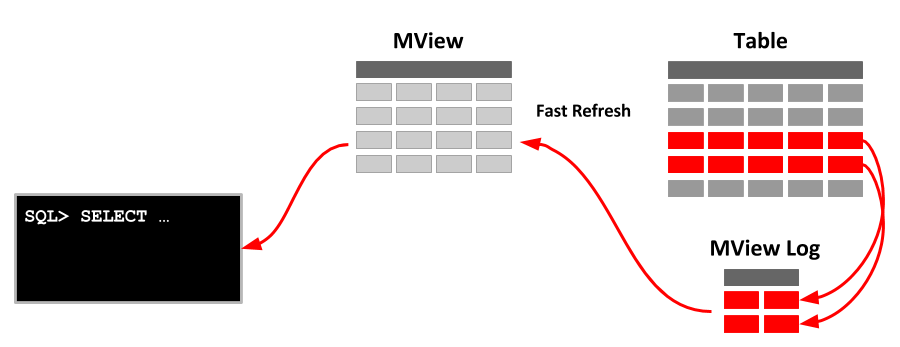 An Oracle Materialized View (MV) log is a hidden table that tracks changes (inserts, updates, deletes) made to a master table. Oracle uses these logs during a Fast Refresh to incrementally update the MV with only the modified records, bypassing the costly process of recalculating the entire view.
5. Offloading Complex Reads: Search Engines
Relational databases are exceptionally bad at full-text search. Running a query with LIKE '%search_term%' forces a full table scan, completely bypassing standard B-Tree indexes.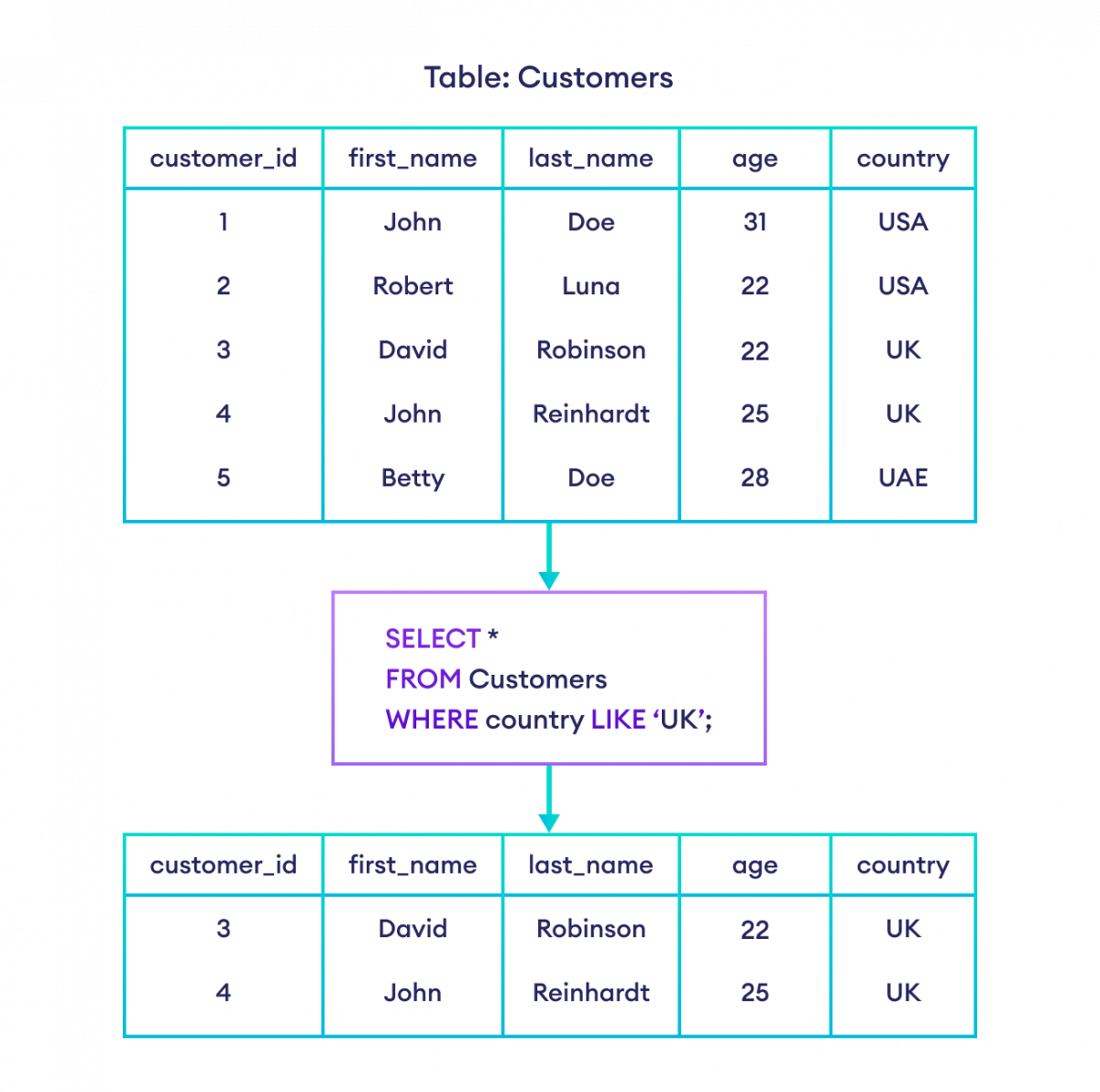 The SQL
LIKE operator becomes highly inefficient primarily when a leading wildcard (e.g., LIKE '%search%') is used, because it forces the database engine to perform a full table scan or full index scan instead of a targeted index lookup.
To scale complex, text-heavy, or heavily filtered reads, engineers offload the data to a dedicated search engine like Elasticsearch or Apache Solr. These systems use Inverted Indexes (mapping individual words to the documents that contain them), allowing users to execute complex, multi-faceted searches across billions of rows in milliseconds without ever touching the primary database.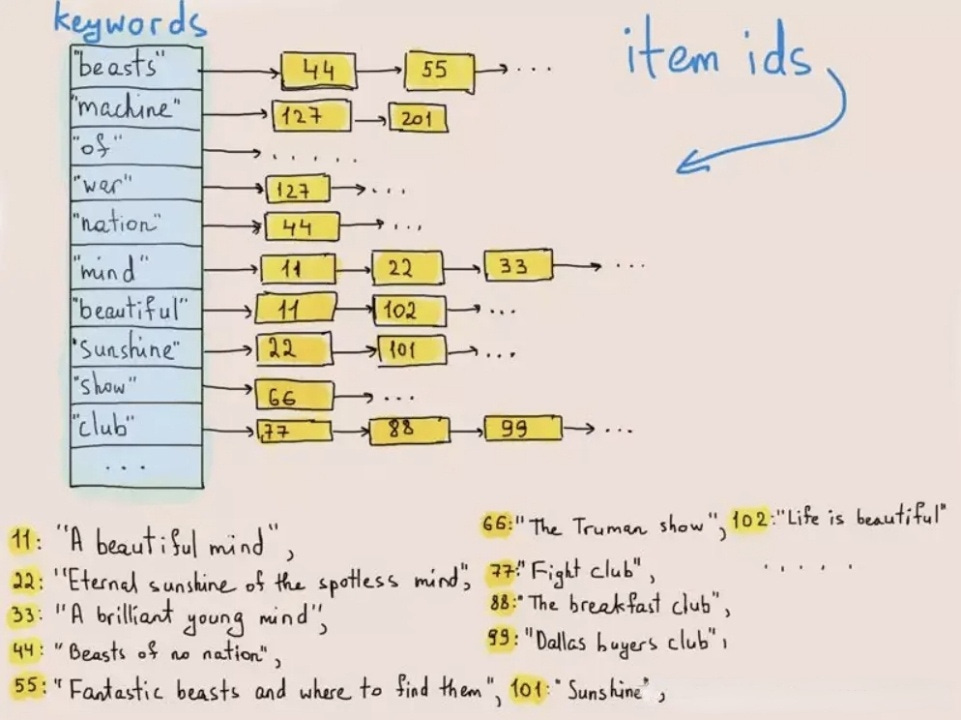 An inverted index is a database data structure that maps content (like words or numbers) directly to its locations in a set of documents. By flipping the traditional "document-to-word" model upside down, it acts like a book's index, enabling search engines to instantly locate which files contain specific keywords.
This Substack is reader-supported. To receive new posts and support my work, consider becoming a free or paid subscriber.
Thanks for reading! This post is public so feel free to share it.