How Apple’s New Hardware Responds to More of What You’re Doing While Keeping Personal Processing Close to the Device
By TechTiff
Published: 2026-09-11
URL: https://techtiff.substack.com/p/apple-hardware-event-2026
Apple finally folded the iPhone, and it didn’t stop at making the screen bigger. The new iPhone Duo opens into the largest display ever on an iPhone, runs two apps side by side, stands up on its own, and gives the cameras a second screen to work with.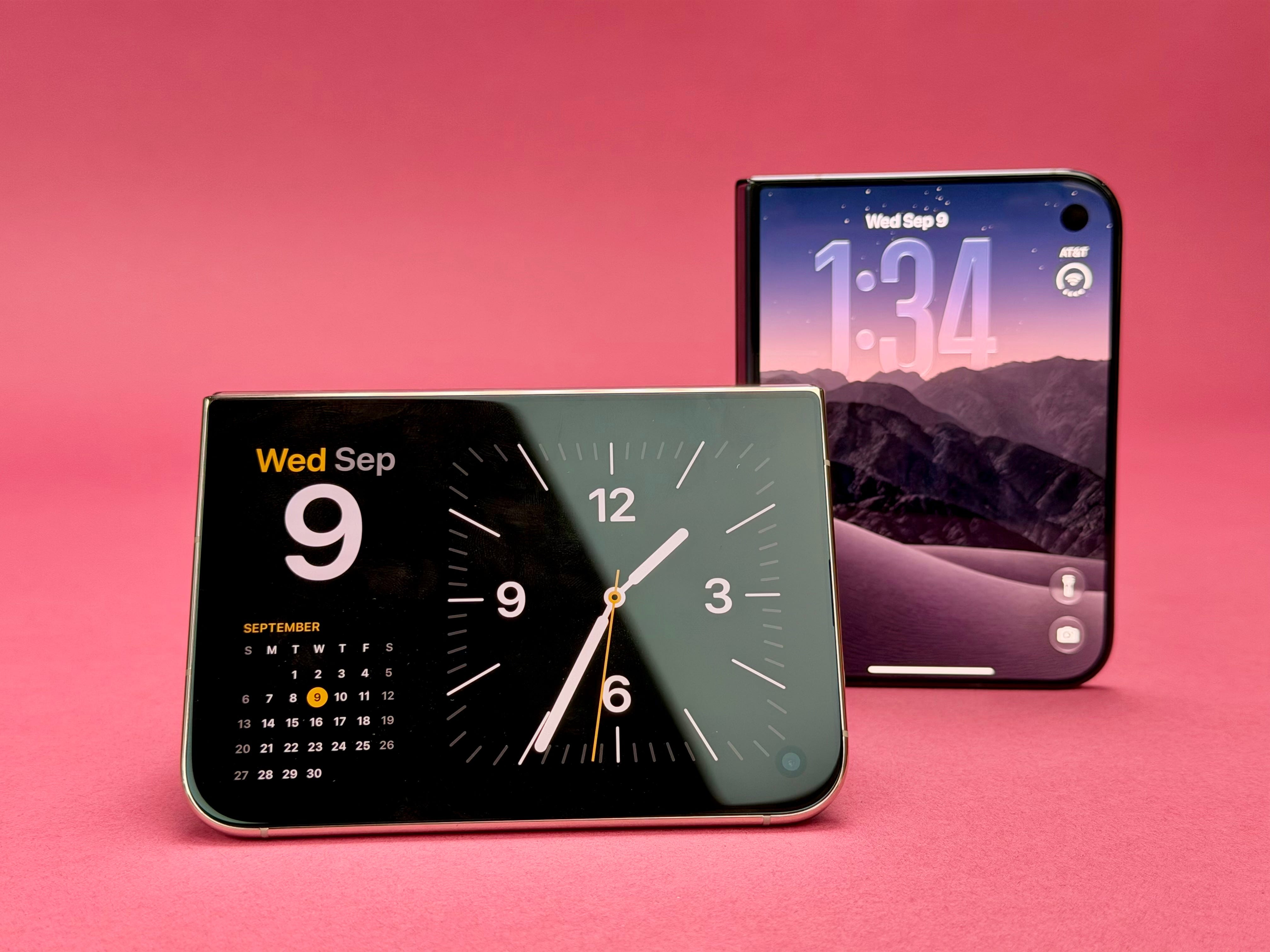 iPhone Duo stands up by itself, so the inner display can stay visible without propping the phone against something.
The new devices are also doing more with the personal context already on them. Siri AI works from information on your device and what’s happening on your screen, while more of that processing stays local. If your phone is going to use that much personal information, it owes you an explanation of where it goes.
The hardware is doing more of the work now, with more processing power built into the devices so more personal AI tasks can happen on-device.
The Short Version
-
iPhone Duo is Apple’s first foldable iPhone, with two-app multitasking, a self-supporting design, and Apple Pencil support later this year.
-
iPhone 18 Pro adds more processing power and camera control through the A20 Pro chip, variable aperture, Pro controls, Smart Focus Tracking, and Reference Image.
-
Apple Watch Series 12 and Ultra 4 add Readiness and new audio intelligence features, Ultra 4 also adds satellite support.
-
AirPods 5 use Active Noise Cancellation across both models, with 50% more noise reduction than the previous generation.
The Foldable iPhone
The iPhone Duo is Apple’s first foldable, with the largest display ever on an iPhone.
It opens to a screen that’s 50% larger than the iPhone 18 Pro Max, so you can actually work in two apps side by side. And the external screen is almost the same size as the regular iPhone 18 Pro.
When open, Duo is also the thinnest iPhone yet. It uses a titanium frame, a reinforced hinge, Ceramic Shield 2, and IP68 dust and water resistance.
And the iPhone Duo still looks like an iPhone. Just with a new vertical dock, so you’re not losing space on the shorter screen.
Duo also works in StandBy without being plugged in, and you can time a gentle glow with your alarm so the display starts lighting up when it’s time to wake up.
The Duo also stands up by itself, so photos, video, and FaceTime work hands-free without balancing your phone against whatever happens to be nearby. 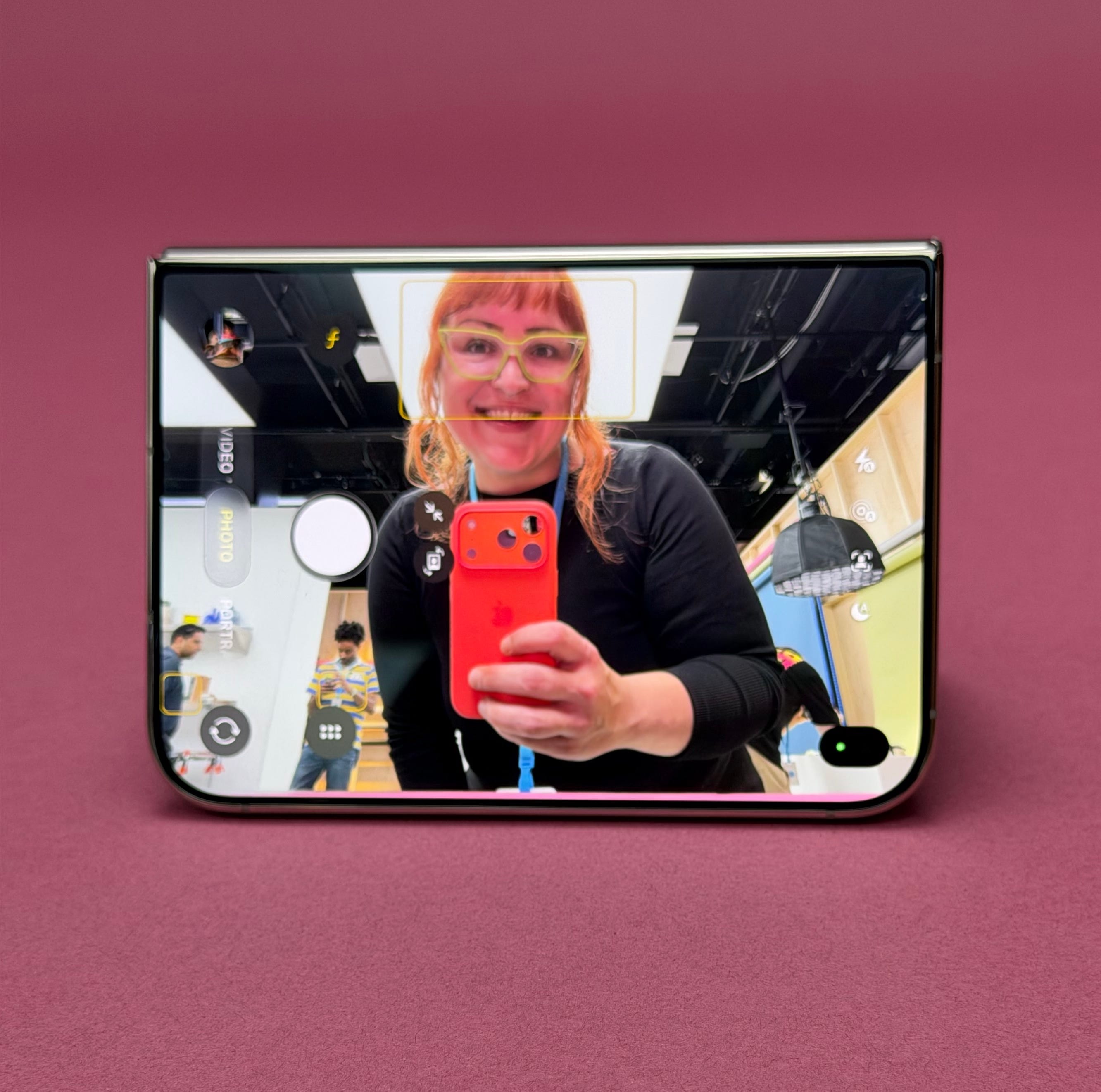 The outside display of the iPhone Duo works as a preview when you’re taking pictures with the main cameras.
So the person you’re photographing gets to see the shot and check how they look while you’re taking it.
iPhone Duo uses one battery in each half, with both working together as one system. It gets up to 31 hours of video playback on the inner display, up to 44 hours on the outer display, and charges to around 50% in 20 minutes.
Later this year, Duo will work with Apple Pencil USB-C on either screen, so you’ll be able to write, sketch, or mark up documents directly on your phone.
Duo doesn’t use Face ID to unlock, instead Touch ID is built into the side button. So you use your fingerprint to unlock the phone.
Duo Gives the iPhone a Real Two-App Workspace
Multitasking on the iPhone Duo is basically like using an iPad-style Split View that’s been adapted to a foldable iPhone.
When you unfold the Duo, the inner display lets you put two apps side by side. Move the first app to one side, then launch another on the other side. The phone also lets you swap either app without closing the other. If you regularly use two apps together, pair them once and reopen that combination later.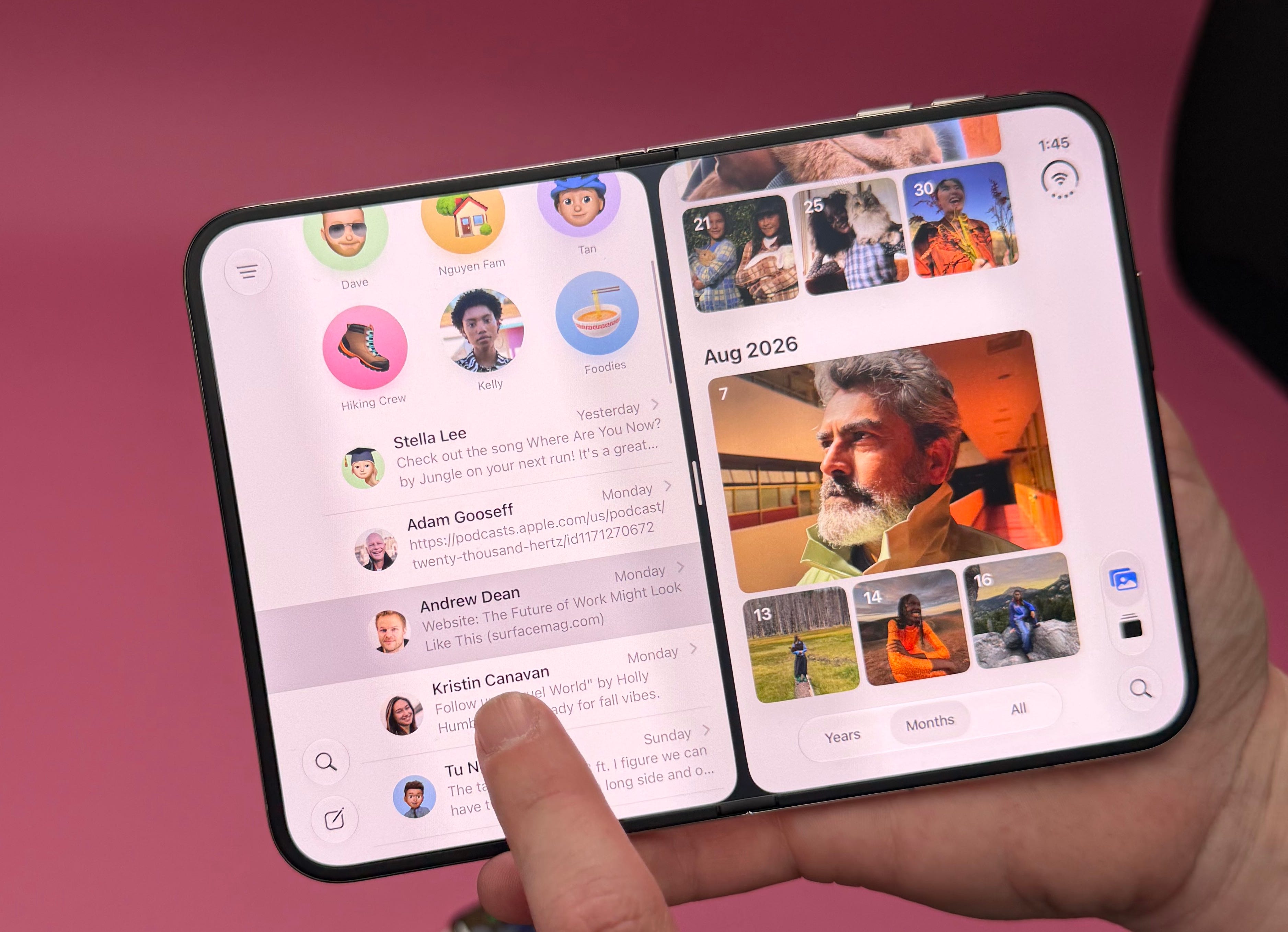 The 7.6-inch inner display gives iPhone Duo enough room to keep two apps open side by side.
That larger inner display also gives Siri more to work with, since it can read what's on your screen.
Pro Got More Power
The iPhone 18 Pro was built to run more AI directly on the device. The new A20 Pro increases processing power for AI and graphics, with a redesigned cooling system to manage the additional heat.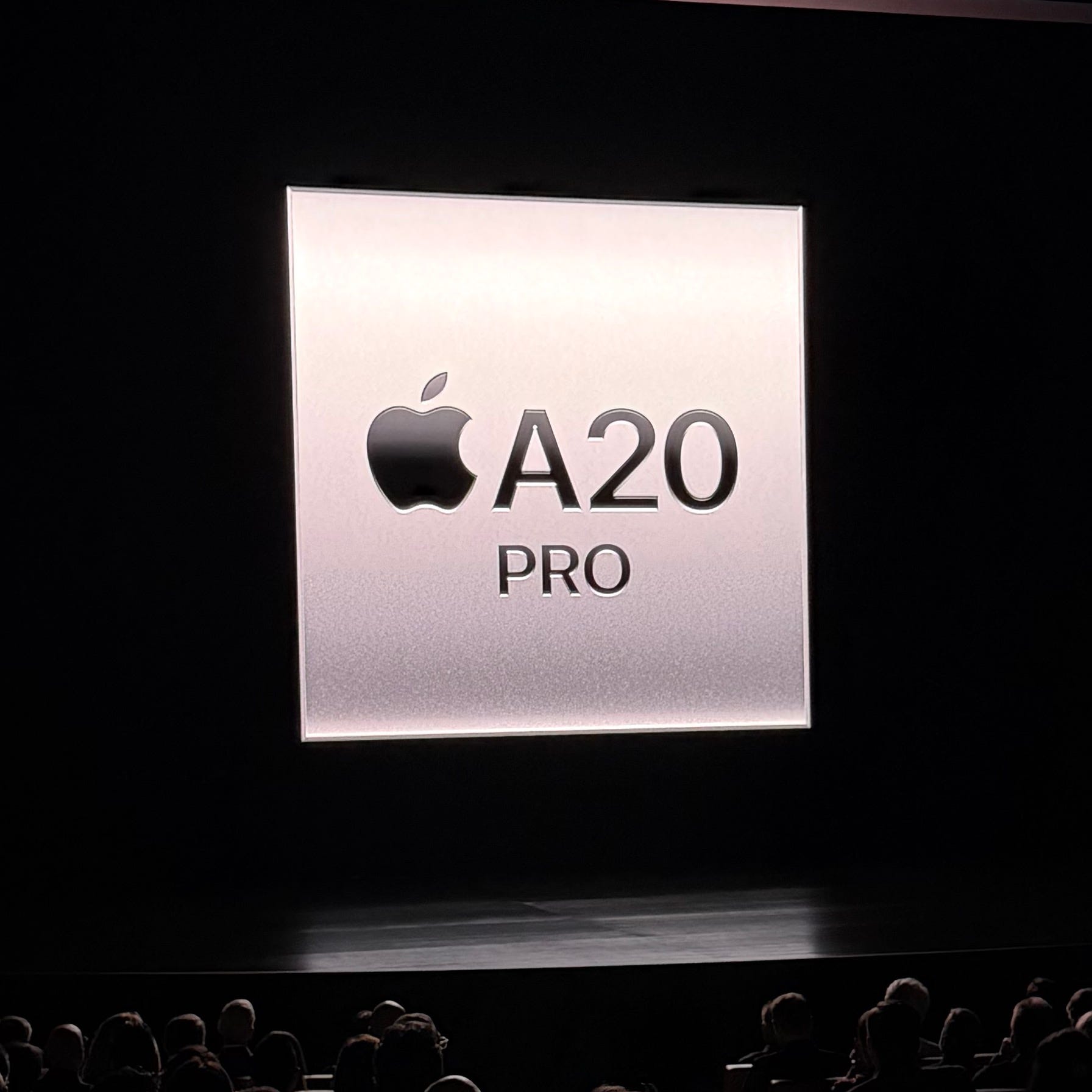 The iPhone 18 Pro runs on Apple’s new A20 Pro chip, built on a 2-nanometer process. That gives the phone more processing power for AI and graphics while using power more efficiently.
The vapor chamber has three times the surface area of the previous generation, and the chip connects more directly to the cooling system. Together, those changes deliver up to 40% higher sustained performance than the iPhone 17 Pro.
The battery lasts longer too. The iPhone 18 Pro gets up to 36 hours of video playback, while the Pro Max gets 45 hours.
With wired charging, five minutes on the charger gives you around six hours of video playback, while the Pro reaches 50% in about 15 minutes.
The Camera Controls the Shot
The iPhone 18 Pro has a new 48MP Fusion Main camera with a variable aperture, so the lens physically adjusts how much light reaches the sensor and how much of your shot stays in focus. In darker scenes, the aperture opens wider to let in around 50% more light. When you need more depth of field, it narrows so more of the scene stays sharp.
You can actually see that aperture in your pictures too.
Tiny lights turn into crisp starbursts because the opening changes the way light passes through the lens.
The new Pro controls put aperture, shutter speed, white balance, and a histogram right in the Camera app, so you have more control over the shot before you take it. Smart Focus Tracking uses on-device AI to lock onto a subject and keep focus as they move through the frame.
Video gets more flexibility after you shoot too. Cinematic effects can be applied later, so you can adjust the depth of field and focus after the video is already recorded.
Your Phone Keeps the Original
The iPhone 18 Pro creates a Reference Image when you take a photo, giving you a signed version of what the camera captured before you start editing.
It works kind of like a digital negative that stays with the editable photo. If the image changes later, you can compare it with the Reference Image to see what was actually in the shot when you took it.
SynthID handles the AI side by helping identify images that were generated or edited with AI.
The Watch Started Paying Attention
Apple Watch Series 12 and Ultra 4 both get the new S11 chip and a new health sensing system.
The Watch checks your background heart rate every five seconds throughout the day and heart rate variability as often as every five minutes. That information also goes into the new Readiness score.
Readiness looks at your recent activity, sleep, and vitals and gives you a daily score showing how prepared your body is for what you’re taking on that day.
The Watch is also getting Audio Intelligence, including:
-
Live Rewind brings back roughly the last 15 seconds of a conversation as text when you miss something someone just said.
-
Siri Recap takes a conversation and gives you a title, summary, and the main points afterward.
-
Sound Recognition listens for things you need to know about, like an alarm, siren, or doorbell, and alerts you from your wrist.
You control when Siri Recap is active, including turning it on from Control Center or setting a schedule.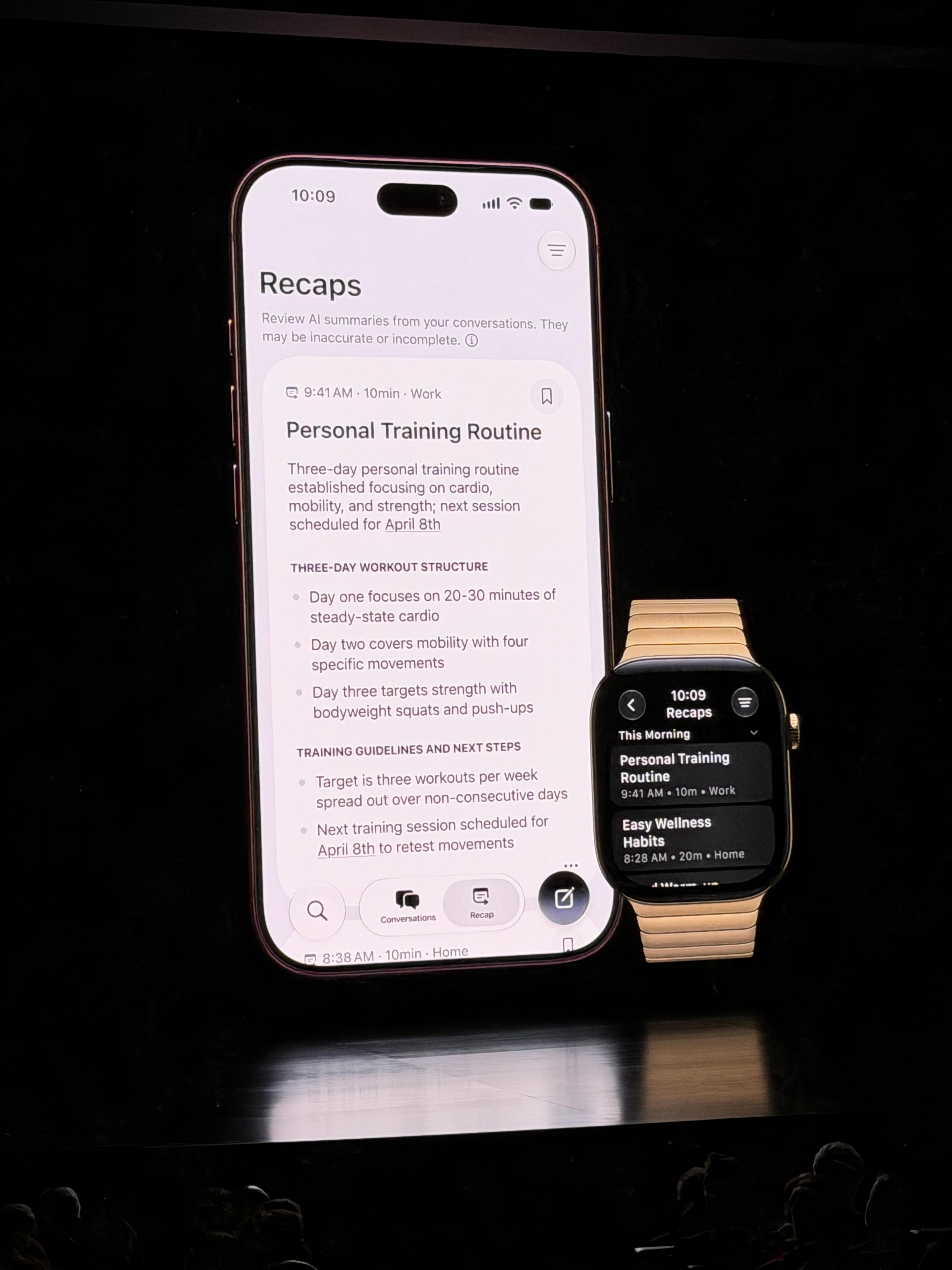 Siri Recap saves conversation summaries and key points, with recaps available on both iPhone and Apple Watch.
The audio used for processing isn’t saved as a recording, individual speakers aren’t identified, and saved transcripts and recaps sync with end-to-end encryption through iCloud.
Series 12 has about 24 hours of battery life, while Ultra 4 runs for more than two days.
Series 12 also adds 5G on the cellular models and charges to about 80% in 30 minutes. Ultra 4 pushes the connection even further with satellite support for Emergency SOS, Messages, and Find My, so you can still reach someone or share your location when you’re away from cellular service and Wi-Fi.
Read more: How Siri uses personal context, on-screen awareness, and app actions across your iPhone
AirPods 5 Cut More of the Noise
AirPods 5 keep the open-ear design and add Active Noise Cancellation across both models, with 50% more noise reduction than the previous generation. ANC is now standard across the entire AirPods lineup.
Siri AI also works hands-free through AirPods 5 when they’re connected to your iPhone, giving Siri access to the personal context already there without making you pull out your phone.
AirPods 5 with the Wireless Charging Case also adds volume control on the stem, so you can swipe up or down to adjust the volume directly from your AirPods.
Personal Intelligence That Stays Personal
Apple Intelligence works with some of the most private information on your devices. Siri has context from your messages and calendar. Apple Watch is processing health information and what’s happening around you. Your camera is working with whatever is directly in front of it.
That’s why more of this processing happens directly on the device you carry every day. When the device has enough processing power for the request, Apple Intelligence handles the work locally so your information doesn’t leave the device.
Private Cloud Compute handles requests that need more processing. Those requests go to Apple’s cloud infrastructure, but the system is designed so Apple can’t access the private information involved.
You see that same approach throughout the new hardware. Audio Intelligence processes what Apple Watch hears without saving the audio, saved transcripts and Siri Recaps sync with end-to-end encryption through iCloud, and Reference Image preserves a signed version of what the iPhone camera originally captured.
As these devices work with more of your personal context, more of that processing stays on the devices themselves. What leaves the device, what gets saved, and who can access it are built into how the system works.
You paid for the technology. Might as well make it earn its keep.