Democrats agree on reversing Trump’s cuts. Tuesday will determine what bigger plans they’ll consider.
By Jonathan Cohn
Published: 2026-11-01
URL: https://www.thebulwark.com/p/why-2026-is-a-health-care-election
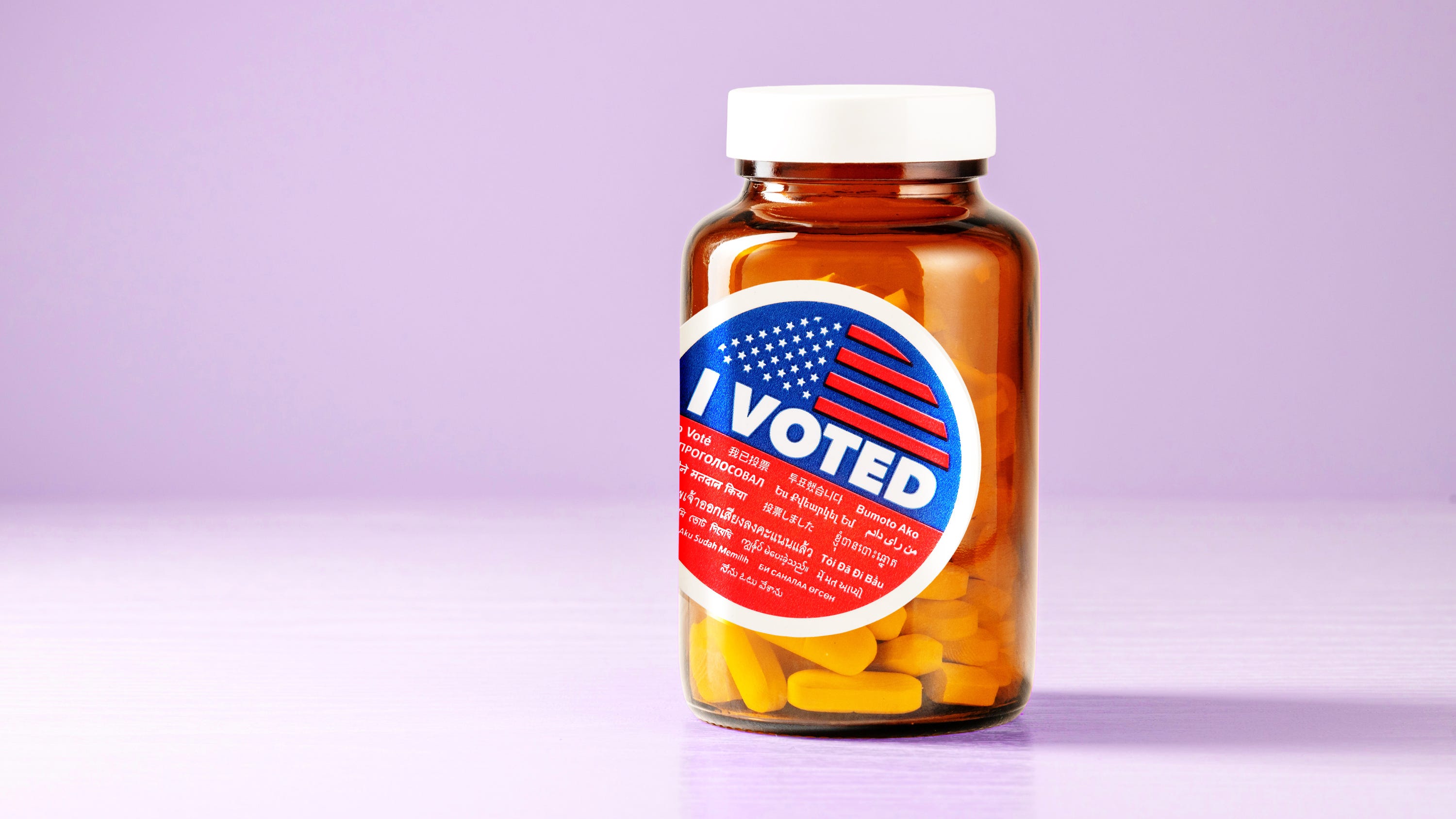 (Photo illustration by Bill Kuchman/The Bulwark | Photos: Getty, Shutterstock)
*Ypsilanti, Michigan
*THE MIDTERM ELECTION IS ABOUT a lot of things: gas prices and groceries, the spread of corruption, and the future of democracy. And yet, as much as any single issue, it’s about health care.
You can tell by listening to all the Democrats talking about high deductibles, drug costs, and insurance companies as they campaign around the country.
Or you can tell by reading all the public-opinion surveys in which voters consistently rank health care as one of their top concerns.
But if you really want to know why this is a health care election, your best source isn’t the politicians or the pollsters. It’s the people on the front lines.
One of them is Raymond Rion, a family medicine physician and executive director of Packard Health, a small network of clinics spanning Ann Arbor and Ypsilanti on the western outskirts of the Detroit metro area. Packard is what’s known as a Federally Qualified Health Center, where anybody can get care regardless of income or insurance status. And like similar safety-net providers all over America, for the past decade it has benefited directly from the Affordable Care Act.
“We almost went bankrupt in 2011,” Rion told me in a conversation last week, recalling how in the old days staff at Packard would work the phones furiously to get supplies and find specialists who would take referrals. Now many more patients have either Medicaid or private coverage they’ve purchased through HealthCare.gov, the online marketplace that the law created, so that the proportion of uninsured patients has fallen from around one in three to one in ten.
It’s a lot easier to find referrals for these insured patients, though thanks to the infusion of paying customers Packard can do much more on its own. In particular, Rion said, the organization has opened two new branches, started a pharmacy, begun offering prenatal services, and vastly expanded behavioral health care by bringing on a half-dozen new doctors, nurses, and case workers.
Now a retrenchment is underway. Coverage options on the HealthCare.gov marketplace got more expensive because Donald Trump and the Republicans refused to renew temporary subsidies that had been reducing the price of insurance. On top of that, the first cuts to Medicaid as part of last year’s “One Big Beautiful Bill” are starting to take effect.
Rion told me Packard has already laid off a provider in anticipation of less revenue next year.1 Patient volume is down, he went on to explain, in part because uninsured patients sometimes avoid care altogether out of fear a single visit will lead to more treatments with more bills. And postponing care in that way can have serious medical consequences, as his colleague Ron Romero told me.
“So you have somebody with diabetes, their chronic condition isn’t getting cared for,” said Romero, who like Rion is a family physician. “Their sugars rise, and they end up having other medical problems. Their kidneys start to get damaged. They start to have eye damage. They increase risk for heart attacks and strokes. . . . They end up in the emergency room.”
And things are likely to get worse. Partly that’s because next year most of the remaining Medicaid cuts will take full effect, throwing more people off coverage. And partly it’s because forces that have nothing to do with Trump or Republican actions are making medical care more expensive for everyone, including those with employer insurance and Medicare. That will lead to still more people delaying or skipping care, ending up in the emergency rooms, and putting yet more cost pressure on providers.
Rion wasn’t taking a position on the election or political parties, he made clear. He was just describing the reality he sees around him: “The whole system is being pressured. Nobody is immune to this stuff.”
He’s right. And here’s the thing: This has all happened before. We know happens next.