Anthropic pays Applied AI Engineers up to $320K. This project reads 46,487 tweets, calls the US election and shows every AI engineering skill.
By Gencay
Published: 2026-11-02
URL: https://www.learnwithmeai.com/p/ai-engineer-portfolio-project-claude
AI engineering is the hottest job title in tech right now ($200K-$320K/year)
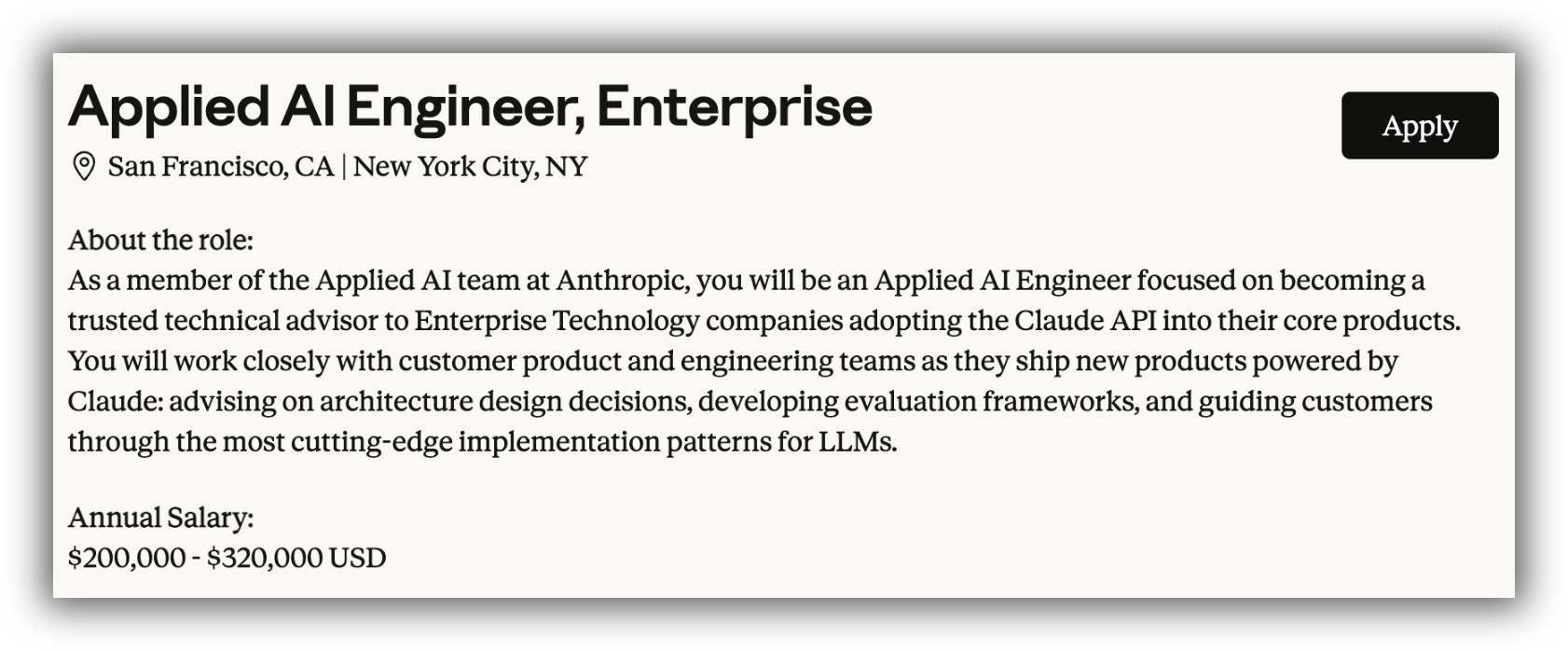
\Anthropic's own job posting, October 2026.\
To become one, you don’t need another curriculum.
You need practice.
Most of my projects end up as Claude skills.
This time, I built one project that shows every skill of AI engineering at once.
So, I turned an election prediction into an AI engineering portfolio project.
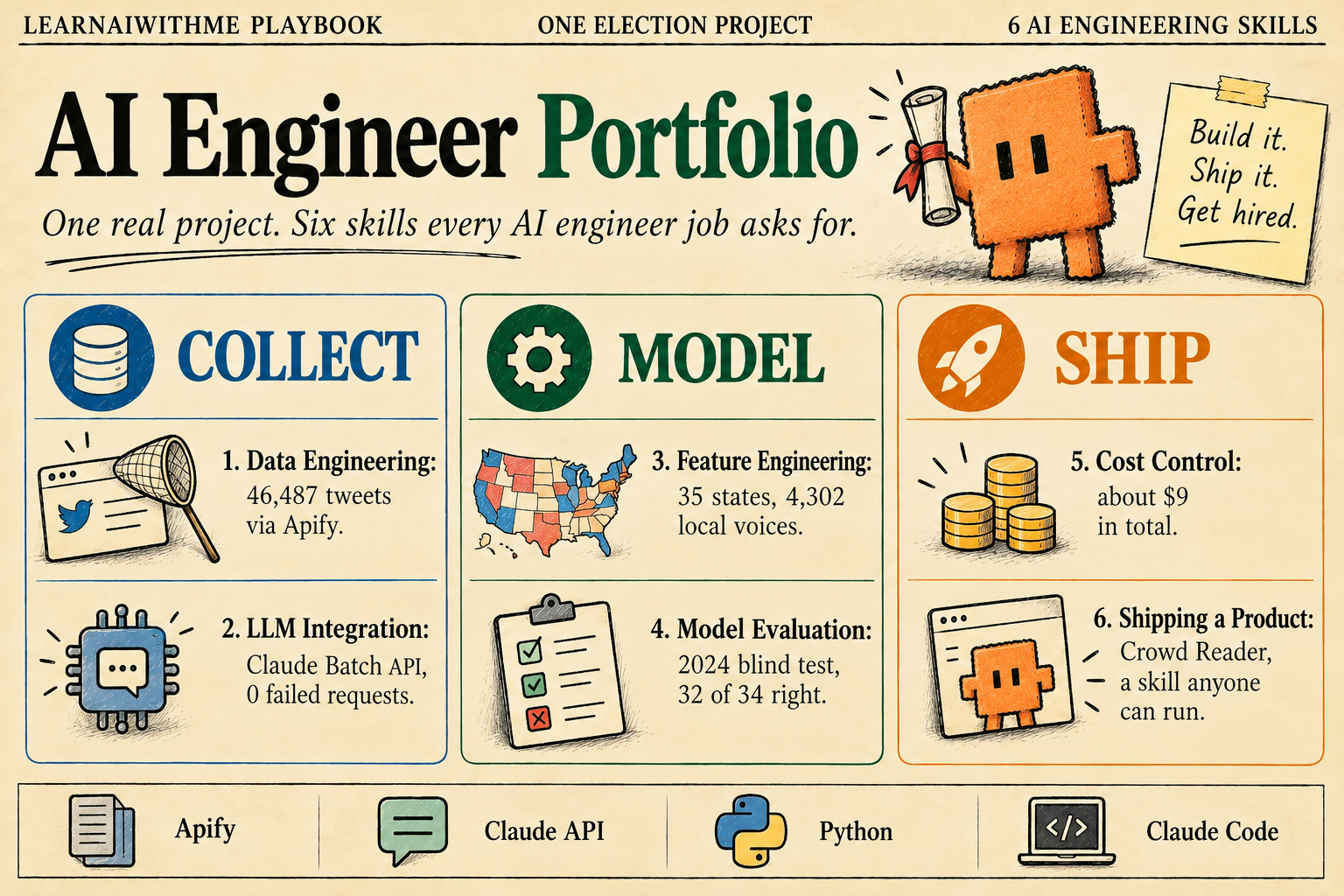
\One election project, six AI engineering skills.\
Back in February 2024, I built an election prediction project for this newsletter.
I took 970,000 tweets about Trump and Biden, ran a sentiment analysis on them, and turned the result into a map.
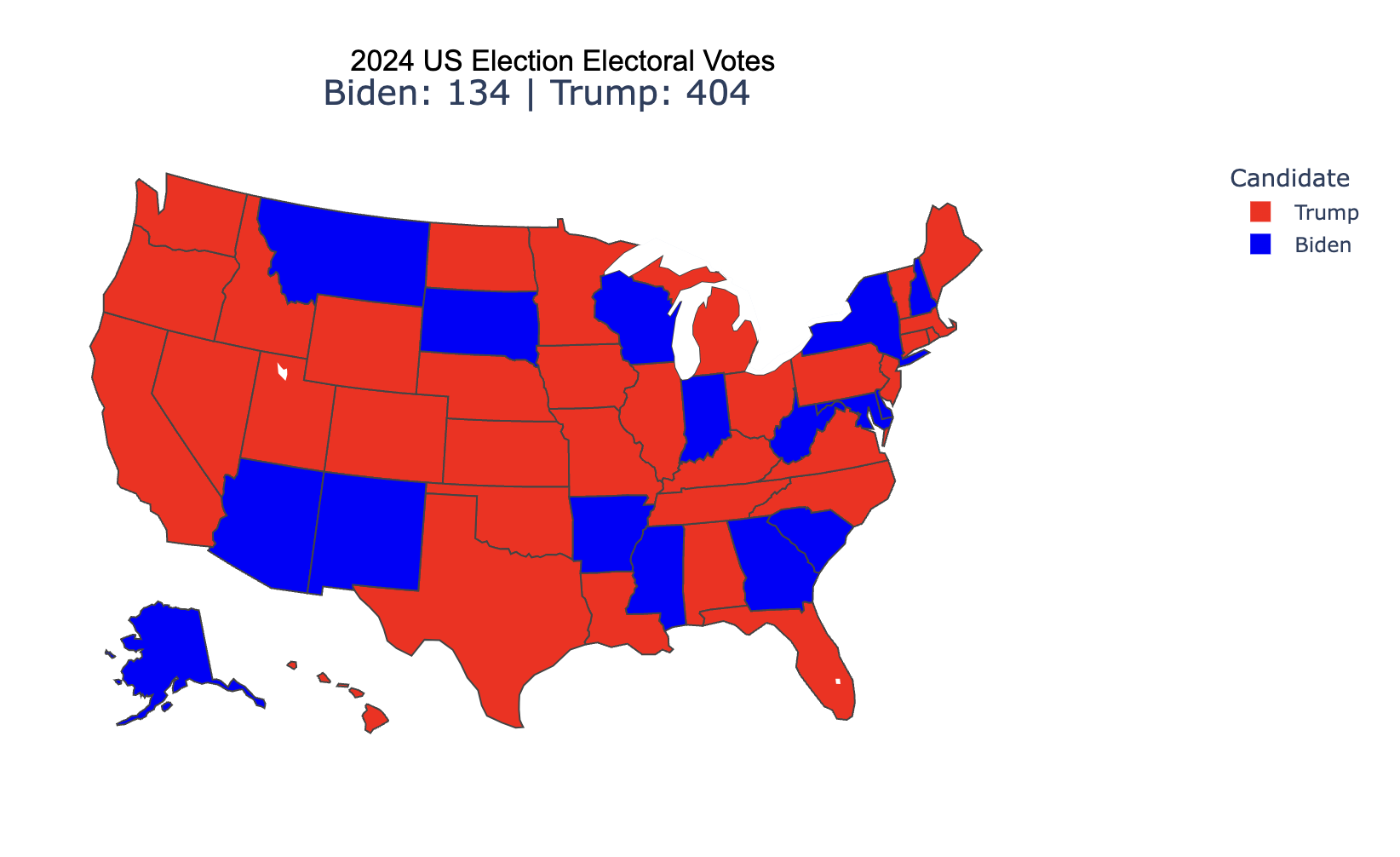
\My map from February 2024. It called Trump.\
The map said Trump, and nine months later, Trump won.
This year, the big players came back with bigger toys.
The Big Players Are Already Reading the Internet
The Wall Street Journal built its own AI for this election and named it Doppler.
So far, it has taken in 25 million TikTok videos and 500,000 podcasts.
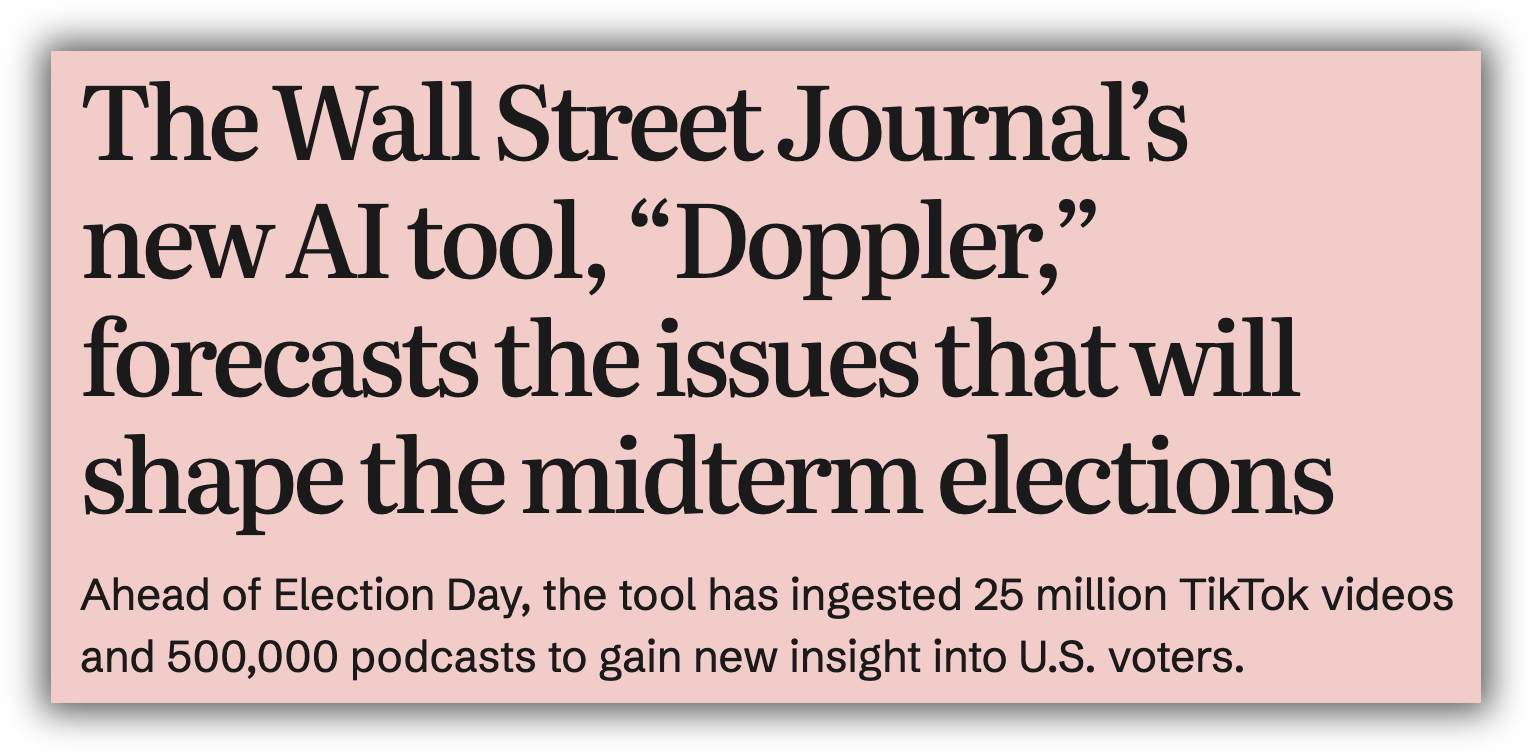
\Nieman Lab, October 2026. The WSJ's AI read the internet for the election.\
But its deputy editor-in-chief said one thing out loud:
We're not trying to predict the election.
Meanwhile, the money people are already placing bets.
On Kalshi and Polymarket, traders are putting real money on Democrats taking the Senate.
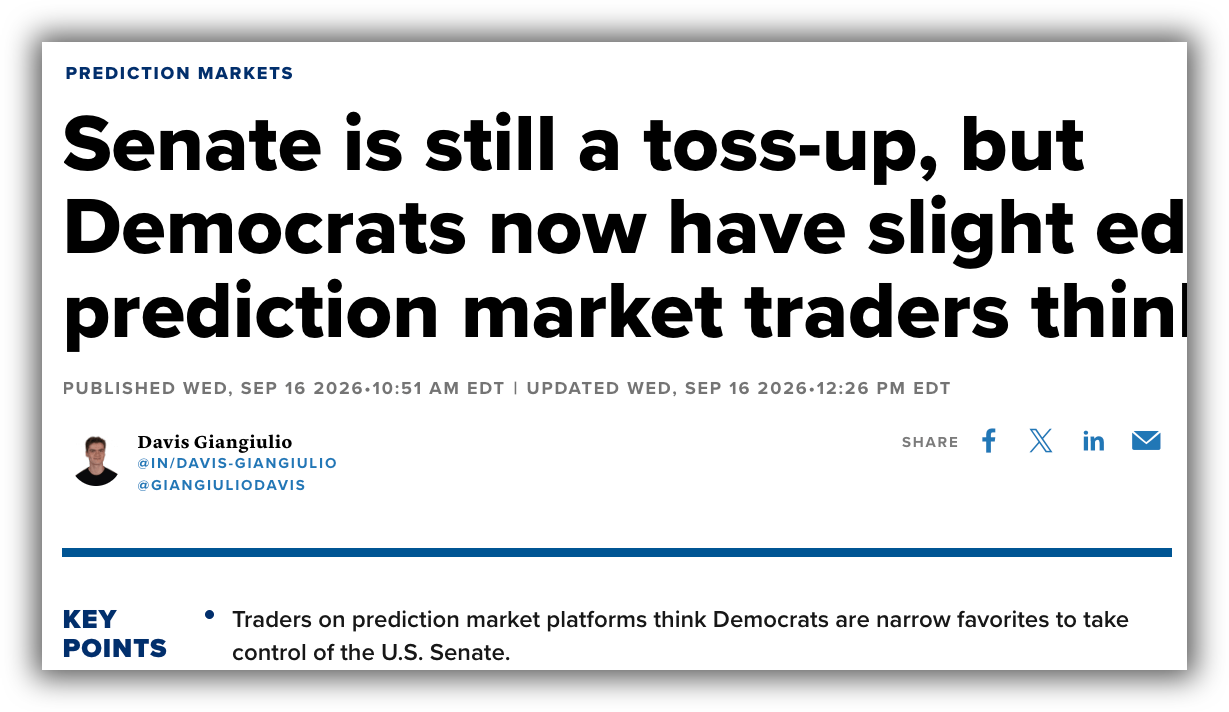
\CNBC, September 2026. Kalshi gave Democrats a 55% chance, Polymarket 59%.\
And betting against the crowd can pay off big.
In 2024, a French trader known as "the whale" bet more than $30 million on Trump. At the time, most polls said the race was too close to call.
His edge was one better question.
Instead of asking who they would vote for, his polls asked who their neighbors would vote for.
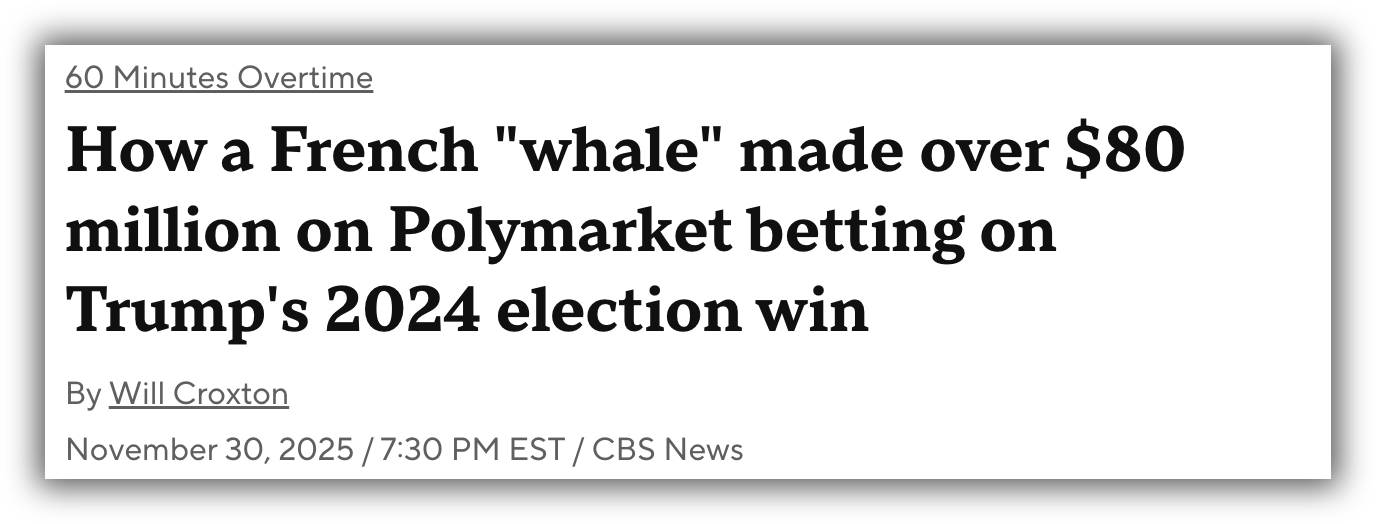
\CBS News, 60 Minutes. One better question, $80 million.\
So I asked a better question too.
What if Claude reads every single tweet and decides who each writer is really for?
Claude's Call: Republicans Keep the Senate
But how did Claude make these predictions?
First, I used Apify to collect 46,487 tweets from X.
Then, Claude figured out which Senate race each tweet was about.
It also checked users’ profiles to see if they actually lived in the state they were tweeting about.
That gave us 4,302 opinions from local voters.
Next, Claude analyzed all 46,487 tweets, labeling each one as for, against, or neutral.
Finally, it weighed the results, giving more importance to local voices in each state.
And here’s what it predicted.
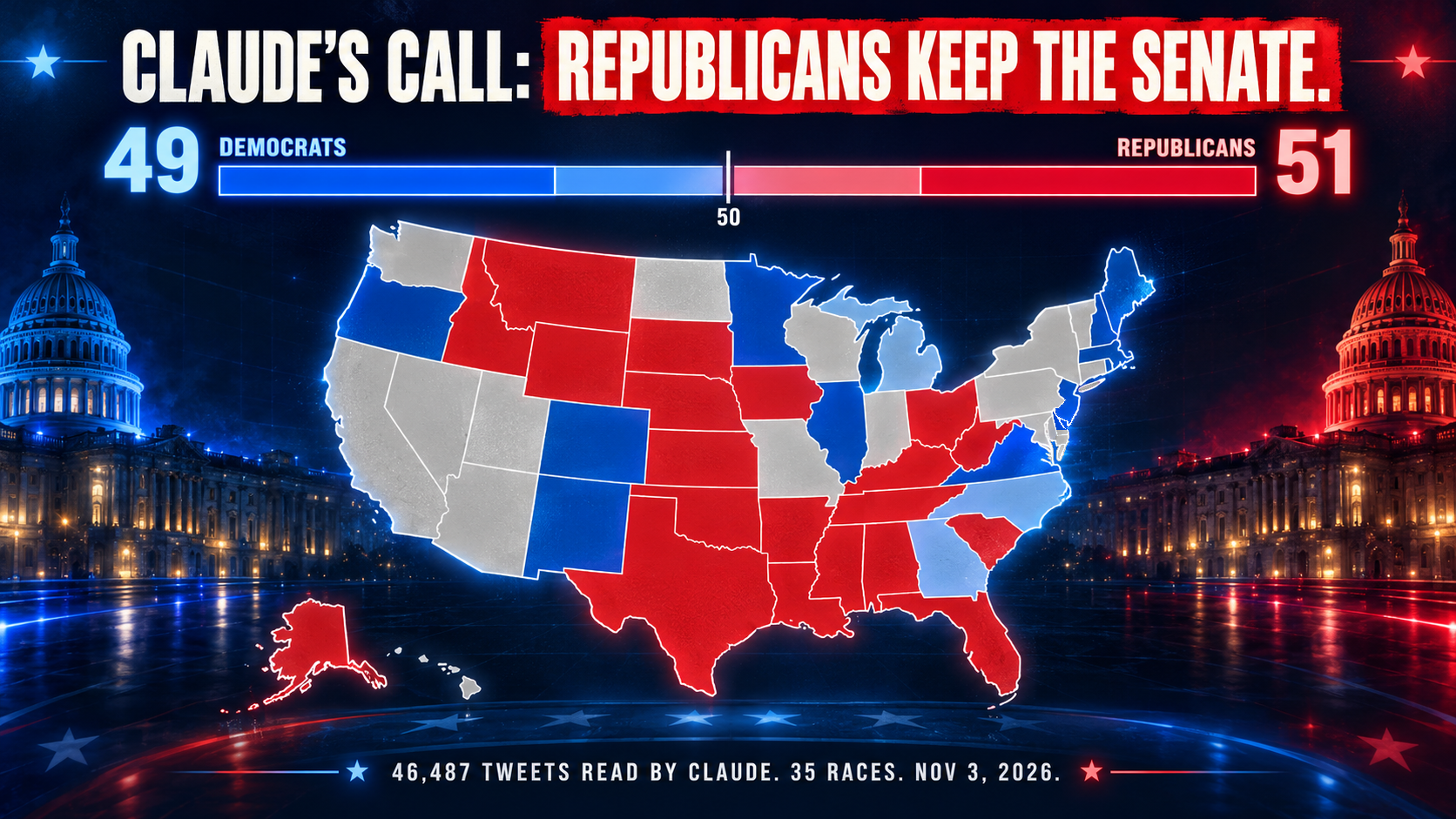
The markets say, Democrats. Claude says Republicans keep the Senate, 51 to 49.
Republicans take 20/35 seats on the ballot, and Democrats take 15/35.
And I wrapped this method as Crowd Reader Skill.
Crowd Reader Skill
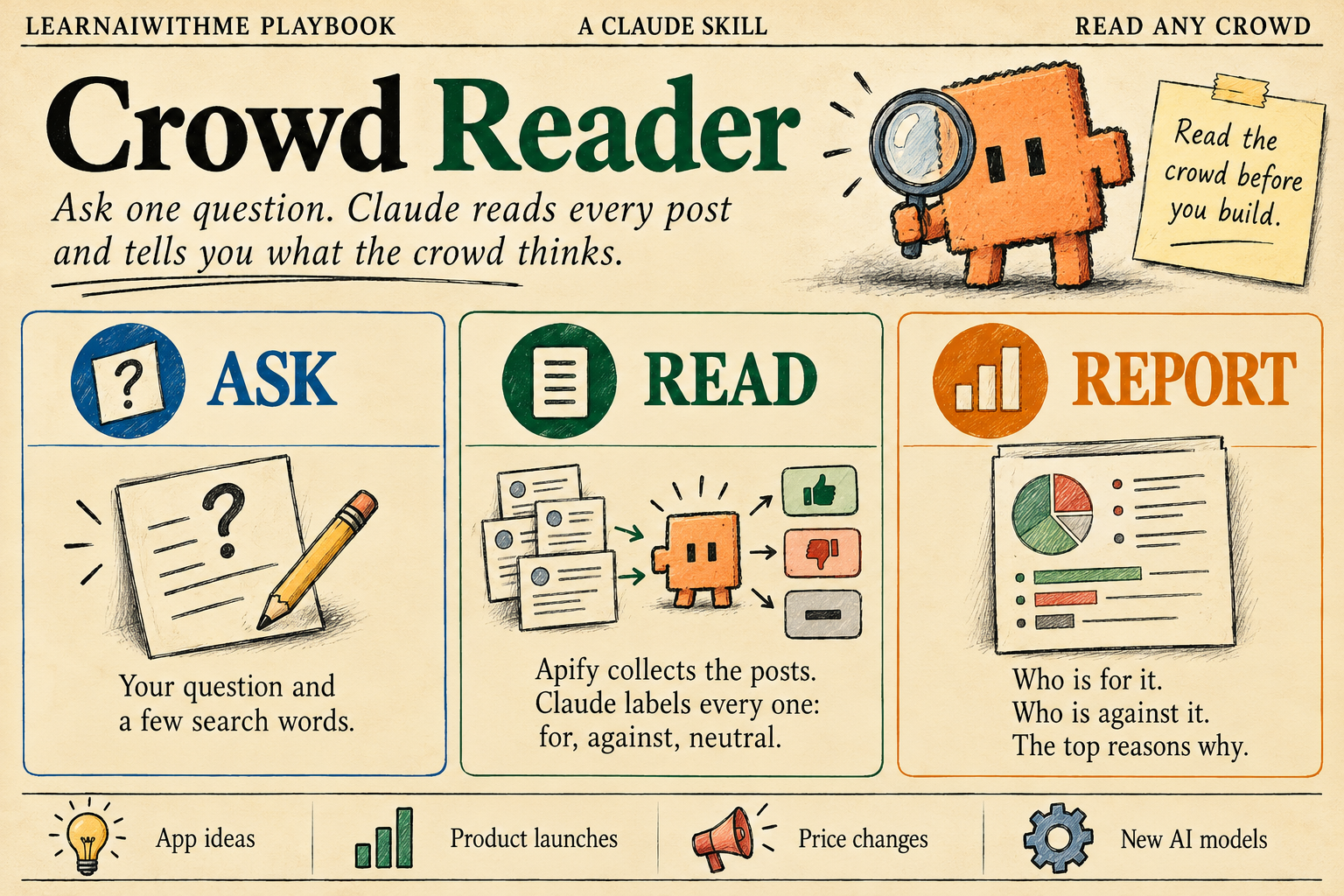
\Crowd Reader in three steps: ask, read, report.\
Crowd Reader is a Claude skill that reads what any crowd thinks about anything.
An app idea, a product launch, a price change, a new AI model, a brand, or a creator. If people talk about it on X, Crowd Reader can read it.
You give it one question and a few search words.
It collects the posts, reads every single one, and hands you a report: who is for it, who is against it, and why.
After the paywall, you’ll get three things: Crowd Reader itself, 5 copy-paste prompts to use it today, and the full data of this project, so you can put it in your own AI engineer portfolio.
Get Crowd Reader
Unzip it into your Claude skills folder.
The setup takes two minutes, and the README inside the folder walks you through it.
Crowd Reader runs on your own Claude plan, so reading the posts costs you nothing extra.
Collecting costs about $0.15 per 1,000 posts.
Before every run, Crowd Reader shows you the price and waits for your yes.
After that, all you need is a question. Here are five.
5 Prompts to Read Any Crowd
1. Before You Build an App
Most apps fail because nobody wanted them.
So ask the crowd before you write a single line of code.
Use the crowd-reader skill.
Question: Do people still want habit tracker apps, and what do they hate about the ones they use?
Target: habit tracker apps
Search: ("habit tracker" OR "habit app" OR "streak app") lang:en
Look back 14 days, 50 posts per day. Show me the cost before you run it.
You get the reasons people quit, in their own words. That list is your feature list.
2. Before You Raise Your Price
A price change can cost you more than it earns.
So read how people reacted when someone else did it.
Use the crowd-reader skill.
Question: How did people react to the last price increase of [product], and what made them cancel?
Target: [product] price increase
Search: ("[product]" (price OR "price increase" OR cancel OR cancelled)) lang:en
Look back 30 days, 40 posts per day. Show me the cost before you run it.
You learn which price feels fair, and which reasons make people leave.
3. When a New AI Model Drops
Every new model gets a week of hype.
Instead, find out what developers say after they actually use it.
Use the crowd-reader skill.
Question: What do developers love and hate about [new model] after one week of real use?
Target: [new model]
Search: ("[new model]" (coding OR API OR benchmark OR "switched to")) lang:en
Look back 7 days, 100 posts per day. Show me the cost before you run it.
You get the real strengths and the real complaints, not the launch-day noise.
4. Before You Launch a Product
Your competitor launched last month.
Their crowd has already told you what to build.
Use the crowd-reader skill.
Question: What did people praise and complain about after [competitor] launched [product]?
Target: [competitor] [product]
Search: ("[competitor]" "[product]") lang:en
Look back 30 days, 50 posts per day. Show me the cost before you run it.
Their complaints become your launch message.
5. Before You Hire a Creator
A follower count tells you nothing about trust. But the audience's replies do.
Use the crowd-reader skill.
Question: How does the audience feel about [creator], and do they trust the products [creator] recommends?
Target: [creator]
Search: ("[creator name]" OR @[creator handle]) (sponsored OR ad OR recommend OR "use code") lang:en
Look back 30 days, 50 posts per day. Show me the cost before you run it.
You see trust or eye-rolls before you spend a single dollar.
Steal This Project for Your AI Engineer Portfolio
Remember Anthropic's job posting?
They want people who ship with the Claude API and build evaluation frameworks.
This project does both, and now it's yours.
Get the Election 2026 Portfolio Kit here.
Inside the kit, you'll find:
- 46,487 tweet IDs with Claude's labels, from 2024 and 2026
- The 2024 results and the blind test that called 32 of 34 races
- All 35 predictions for November 3
- The full code: collection, labeling, model and charts
- Every chart from this article, ready for your README
One note: X's rules let you share tweet IDs, not the tweets themselves.
That's why the kit has no tweet text or usernames, and the README shows how to look the IDs up again.
How to Explain It in an Interview
Interviewers rarely ask what you built. Instead, they ask how and why.
So here is each step in one sentence, with the chart to show next to it.
Step 1: Data. "I collected 29,733 tweets with Apify, one search per Senate race, with the same daily cap for every race."
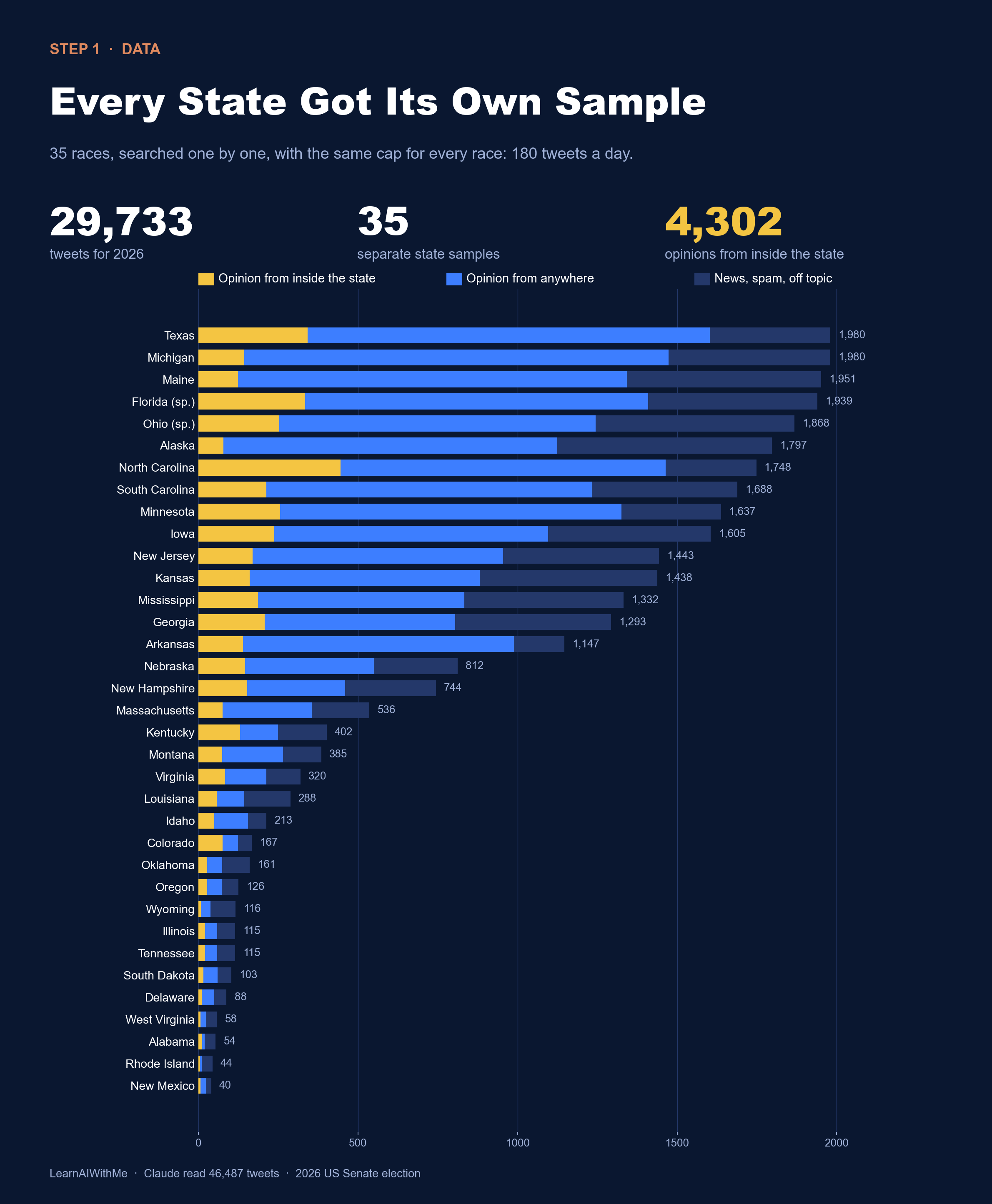
\Every race got its own sample. Gold is the voice of people who live in that state.\
Step 2: Sentiment analysis. "I used Claude through the Batch API to label 46,487 tweets with structured outputs, with zero failed requests."
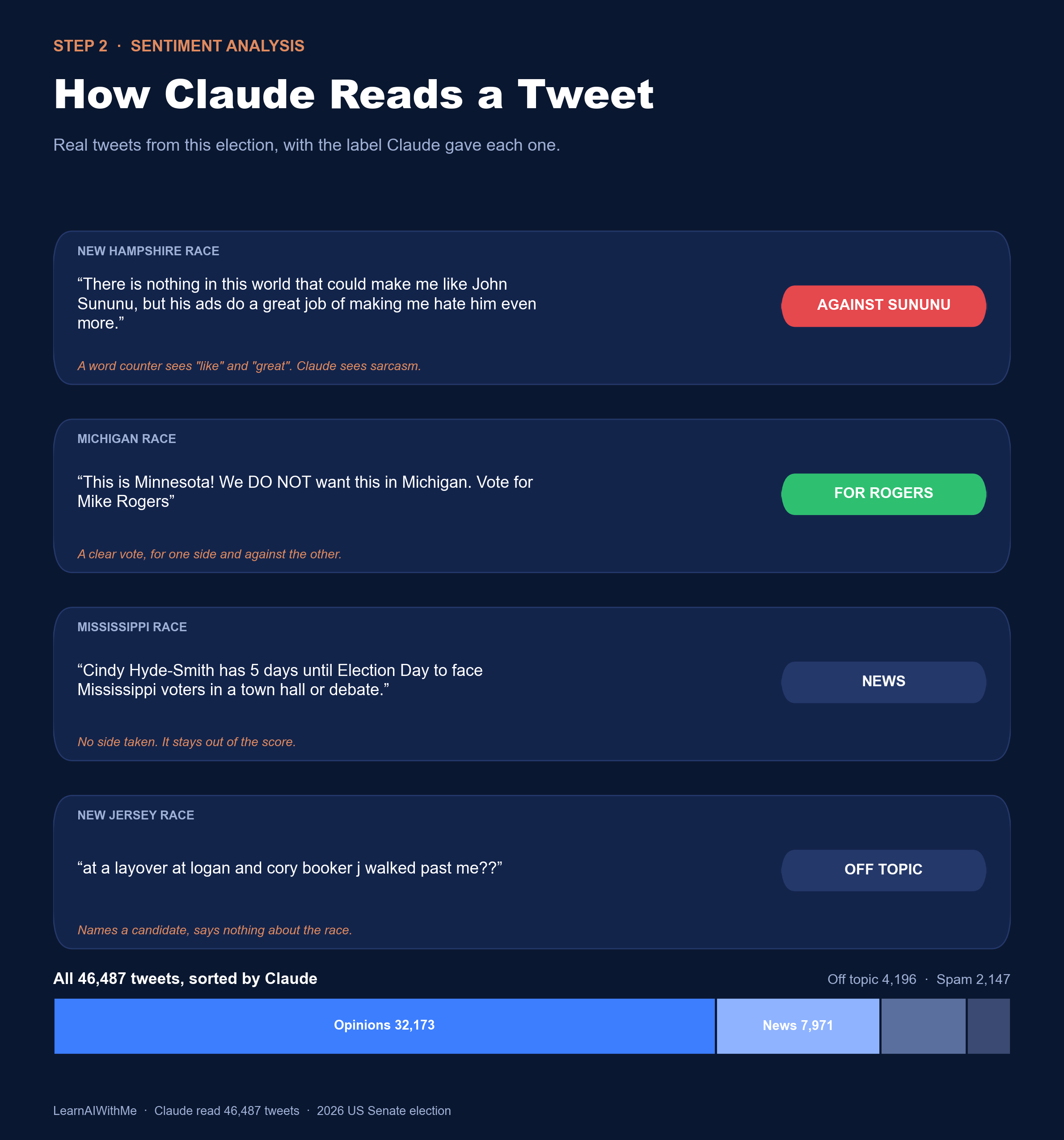
\Real tweets from this election, with the label Claude gave each one.\
Step 3: Evaluation. "Before I trusted the model, I ran a blind test on 2024. It called 32 of 34 races, and the two misses were the closest races in the country."
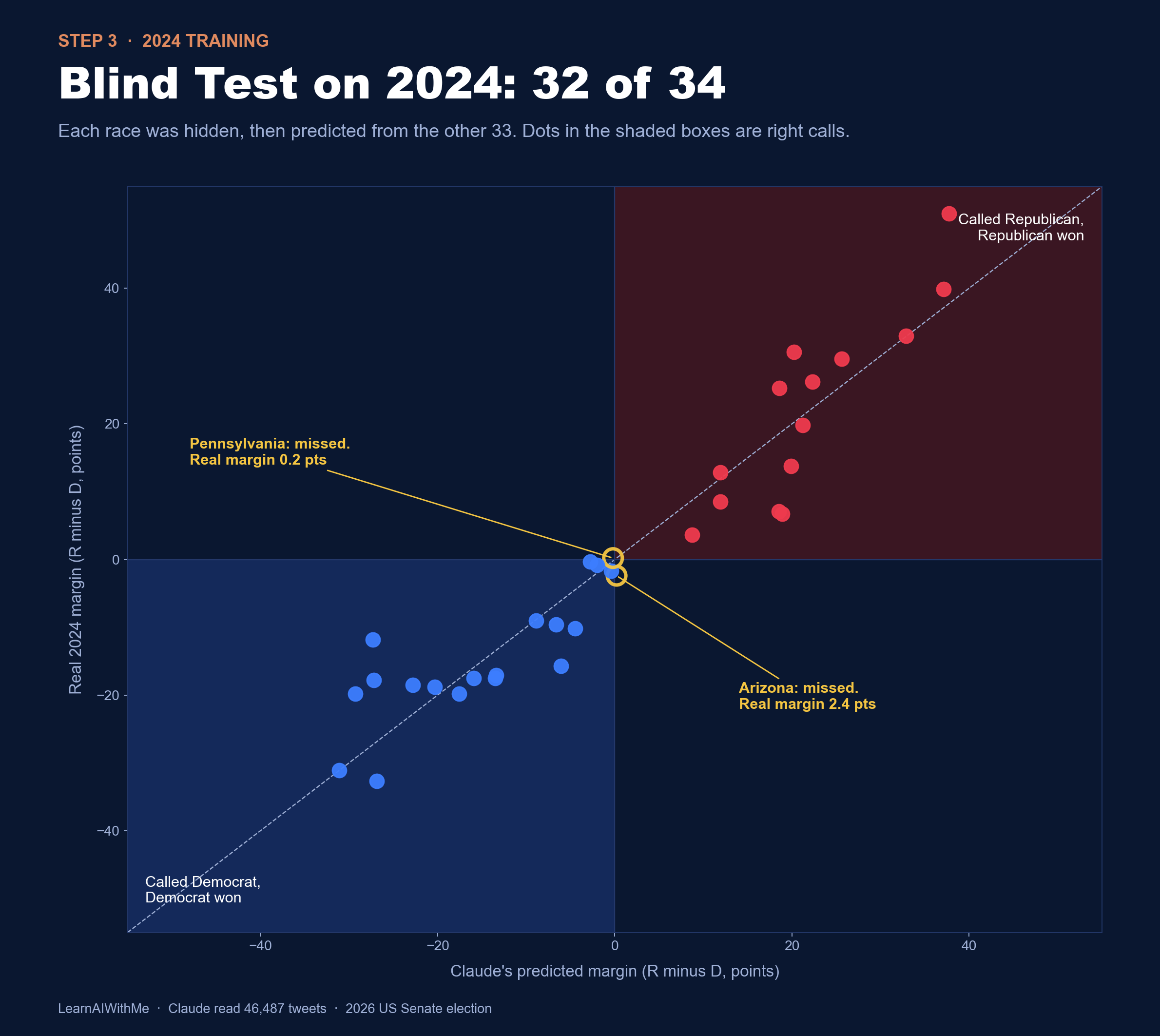
\The blind test on 2024. Even the two misses were the closest races in the country.\
Step 4: Prediction. "Then I called all 35 races for 2026 and published them before the vote, for about $9 in total."
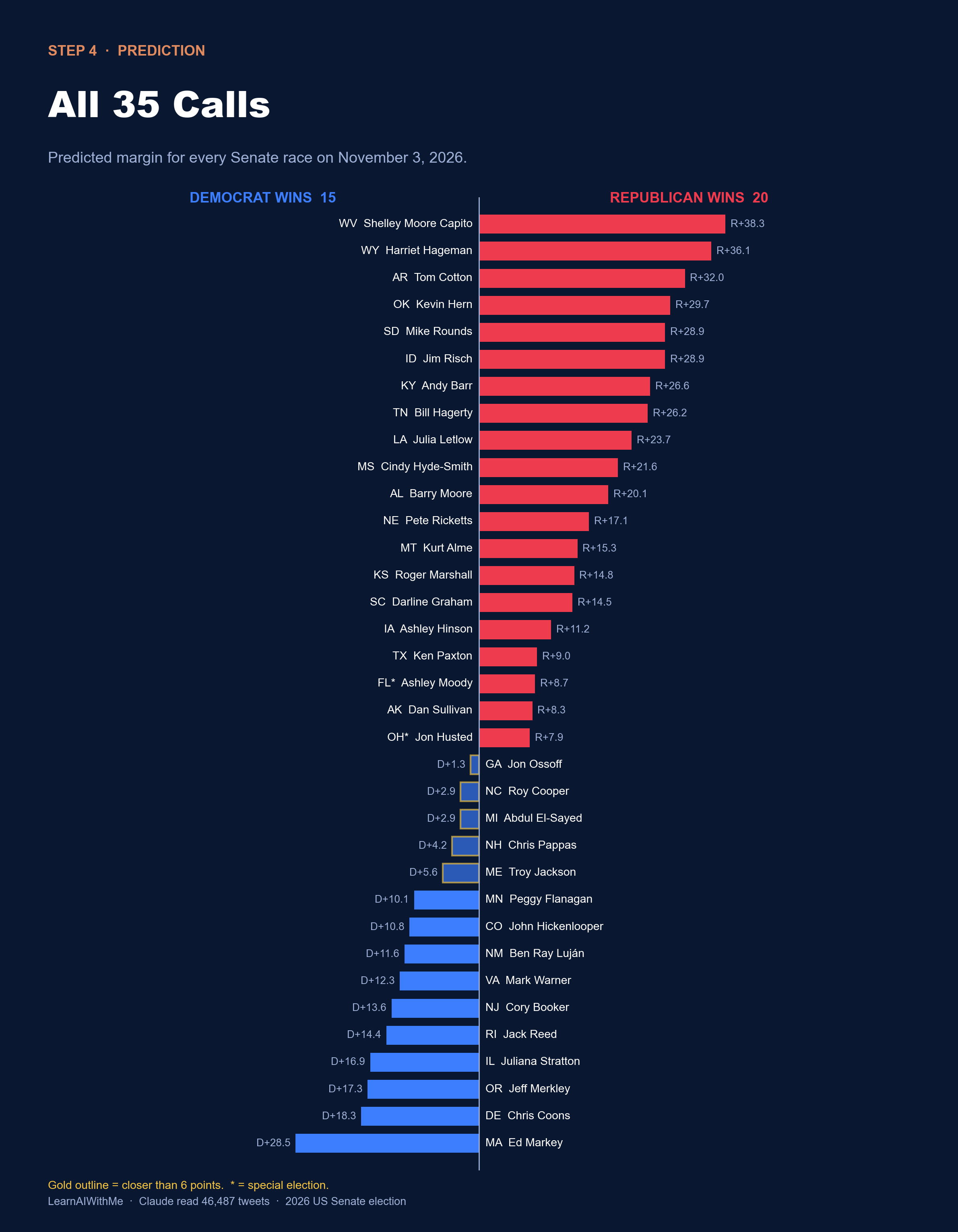
\All 35 calls. The gold outlines are the five races closer than 6 points.\
Turn It Into a GitHub Repo in One Prompt
Unzip the kit, open Claude Code in that folder, and use this prompt:
Read this folder. It holds the data, code and charts of my US Senate 2026 prediction project.
Turn it into a GitHub repo I can show recruiters for AI engineer roles.
Write a README with these sections: Problem, Data, Method, Evaluation, Results, Cost, What I would improve.
Use the charts in the charts folder, and keep every number exactly as it is in the data files.
Then explain each step to me in plain words, so I can talk about it in an interview.
Then, on Wednesday, add the real results next to the 35 calls.
A dated prediction with a real scoreboard is something most portfolios can't show.
Thanks for reading!
Black Friday Discount
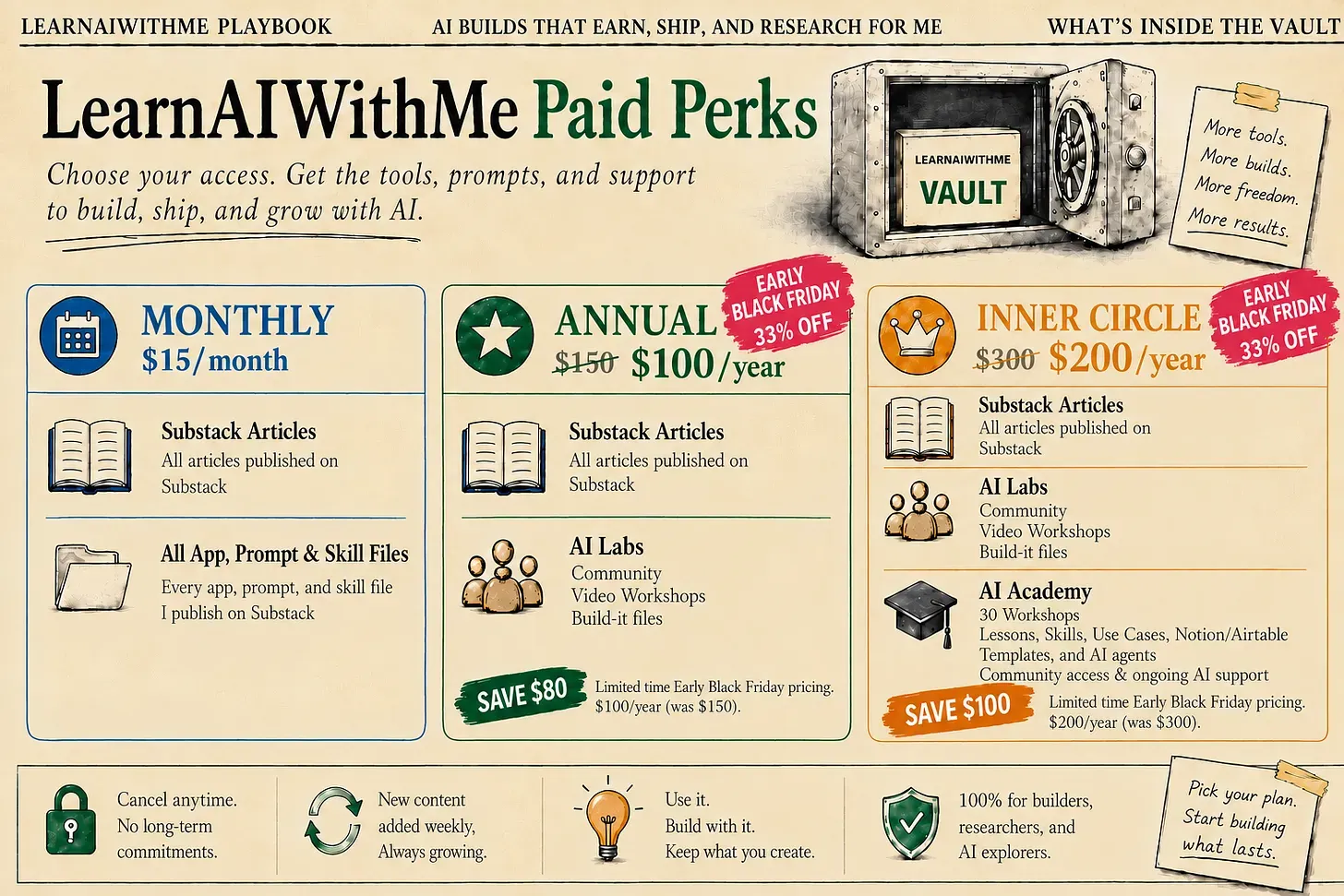
\LearnAIWithMe Paid Perks\
This is the biggest discount I’ve ever offered here.
Annual is $100, and the Inner Circle is $200.
The Inner Circle gives you access to the AI Academy.