How I ended up selling software on foot
By Justin Andersun
Published: 2026-11-25
URL: https://turtlespace.blog/p/hacksaw-lost
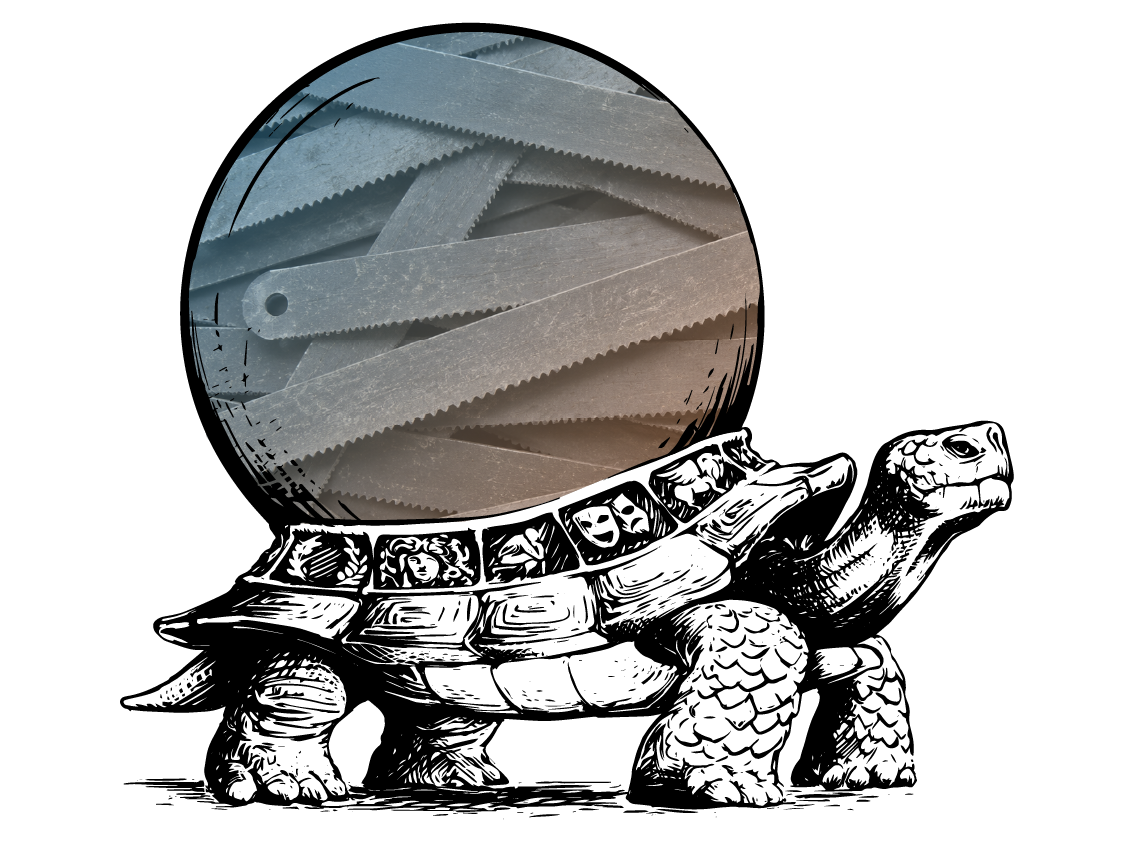
One day, my great-grandpa picked up a shovel and began digging the foundation for a house. Once the dirt piled up around the 10-foot pit, he hauled bags of concrete in, hand-mixed it, and poured the basement walls. Last summer, I dug fifty holes in my yard to plant rows of two-foot evergreens, and I was exhausted by Monday. The sheer effort of hand-digging a foundation, especially in the dense clay soil of West Michigan, is beyond my comprehension.
Following in his grandpa’s footsteps, my dad hand-built my childhood home when he was twenty-five years old. He ordered a kit of lumber and drywall and learned how to assemble the structure on nights and weekends after working a full-time job. But even he admitted that hand-digging the foundation was too much and hired someone with a backhoe.
Meanwhile, I find myself struggling to replace trim in my basement—to make the edges mate cleanly, to cut proper angles, and to patch damaged drywall. How far we’ve fallen. Sometimes I think about the concept creep of the word “build.” How people like my great-grandpa and dad built their houses with hammers and nails and how “build” has come to mean assembling a PowerPoint deck. After removing the old trim, I broke it into smaller chunks so I could shove them in the trash. For that, I reached for my hacksaw.
This was no ordinary hacksaw—not some ergonomically designed, mass-produced tool from Home Depot. No, this thing was steel, with rust around the edges and a worn handle, handed down to me by my dad, who got it from his grandpa. When I grabbed it to fix a leaking sump pump pipe in the spring or remove rusted deck screws last fall, I felt strangely capable, as if the competence of the men before me were animating my hand.
After breaking down the trim, I placed the saw on the back of my truck. The next afternoon, when I walked into the garage and looked at my workbench, I noticed its absence on the pegboard. I scoured the garage as a sinking feeling came over me: I had driven away with the hacksaw still on my truck. I scanned the driveway and the street but could not find it. Then, a few days later, walking down a busy road off my street, I found the mangled remains of the hacksaw along the curb—its steel frame bent beyond repair by a thousand passing tires.
Blinking back tears, I gathered up all the pieces I could find and brought them home. It was my connection to past generations—a totem of assuredness, an inherited tradition of do-it-yourself-ism—and I had desecrated it through negligence. I left its corpse on my workbench for three days as a sadness hovered around me like the low gray clouds of a Midwest November.
I spend most of my working life removed from the material world my ancestors shaped. I occasionally dig holes, but I’ll probably never invest a hundred hours into hand-digging a foundation or constructing a house from the studs. Even the abstract skills I’ve come to take pride in—writing, software development, graphic design—are often done faster and cheaper with AI. What does it mean to be capable in such a world?
For the past few months, I’ve been “building” software intended to help people become competent, confident homeowners—maybe a subconscious response to this question. Yet I’d fallen into the trap of continually polishing the product for a small cohort of users instead of extending its reach. I had justified my complacency in the name of craftsmanship. Refining the software offered measurable progress without risking rejection. Frustrated, I devised a scheme that would force me away from the screen and into an activity I had been dreading: door-to-door marketing.
I printed 250 doorhangers to advertise my app and walked seven miles hand-delivering them to newly built single-family homes in a neighboring town.
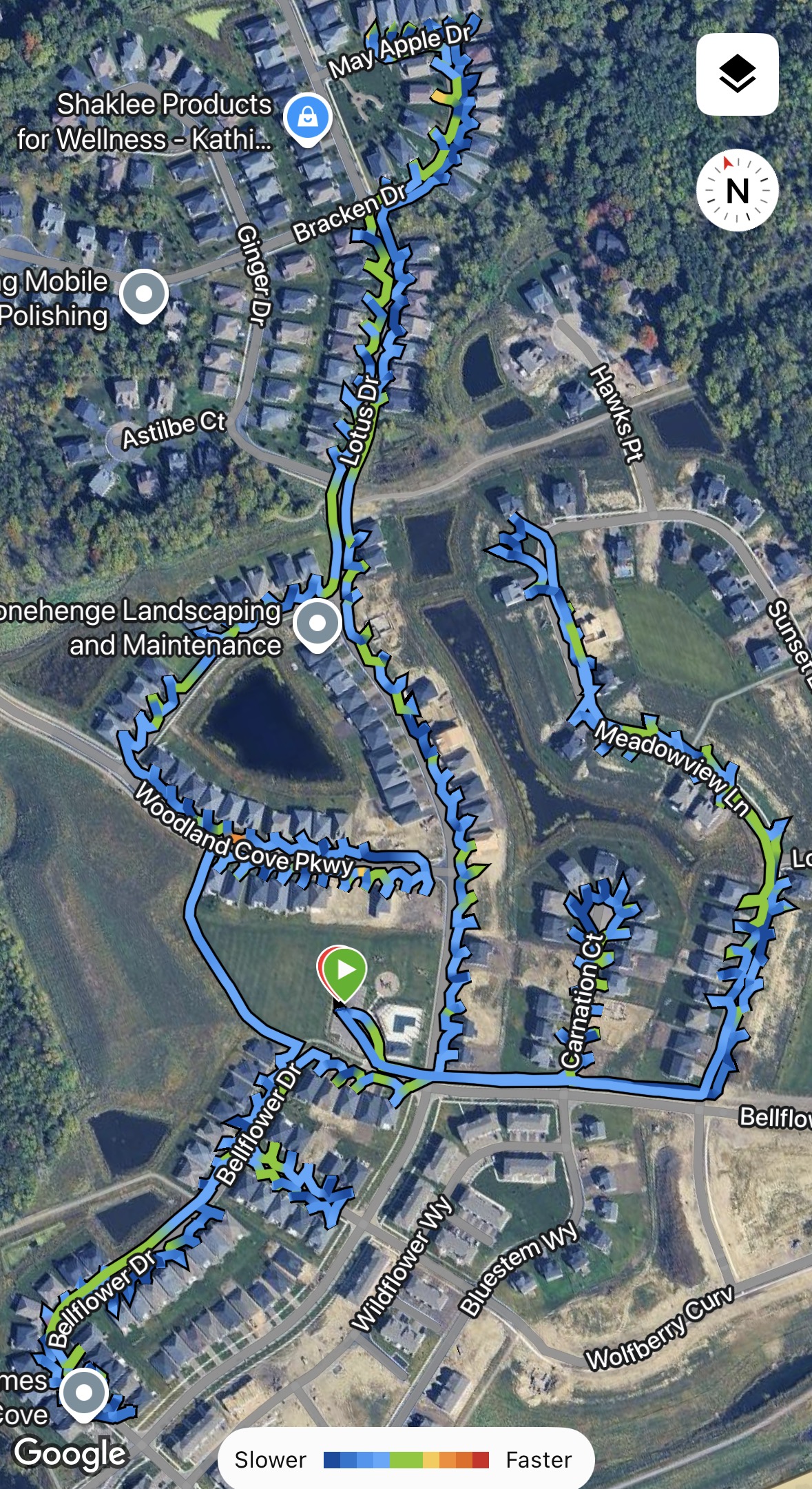
As I pounded the pavement, got barked at by dogs, got yelled at by Ring doorbells, and felt my feet whine, I doubted that anyone would scan the QR code, let alone pay for my app. Unlike my great-grandpa, I couldn’t be certain that every small effort brought me closer to my goal. But I felt momentum. It was satisfying to watch a stack of 250 doorhangers shrink one house at a time. I looked like a crazy person, sweating in seemingly pointless effort, but I began to understand something about the mangled hacksaw on my workbench.
I didn’t need the rusting chunk of metal. Clinging to it when it was no longer useful felt like more of a desecration of its spirit. When I got home, I laid its remains in the trash. My real inheritance was not the saw but the willingness to undertake ambitious tasks through seemingly inconsequential acts.
You don’t need a backhoe to dig a foundation. You don’t need ten types of power saws to build a house. You don’t need a million-dollar marketing budget to grow your business.
But you need the persistence to keep digging, one shovelful at a time.
Junk Drawer
The other week I built a wish list app for my family. Everyone shares a list, you claim what you're giving, and nobody sees what's been claimed from their own. It's free, and you can invite your family before Black Friday at sleigh.app.