From AI search engines and academic databases to research mapping, source analysis, and fact-checking. A practical toolkit for researching almost anything.
By Alex Pawlowski
Published: 2026-10-24
URL: https://thestrategystack.substack.com/p/best-free-ai-research-tools-2026

THE STRATEGY STACK · FIELD GUIDE · OCTOBER 2026
The internet has become extraordinarily good at producing answers. Establishing which of those answers deserve our confidence remains considerably harder.
AI can search thousands of documents, summarize competing arguments, identify relationships between research papers, and assemble a briefing in minutes. Yet speed introduces its own problem: a convincing synthesis can conceal weak evidence, missing context, outdated information, or assumptions that were never tested.
The quality of research increasingly depends on how information moves through a system: from the initial question to source discovery, evaluation, synthesis, and verification.
That is the purpose of this collection.
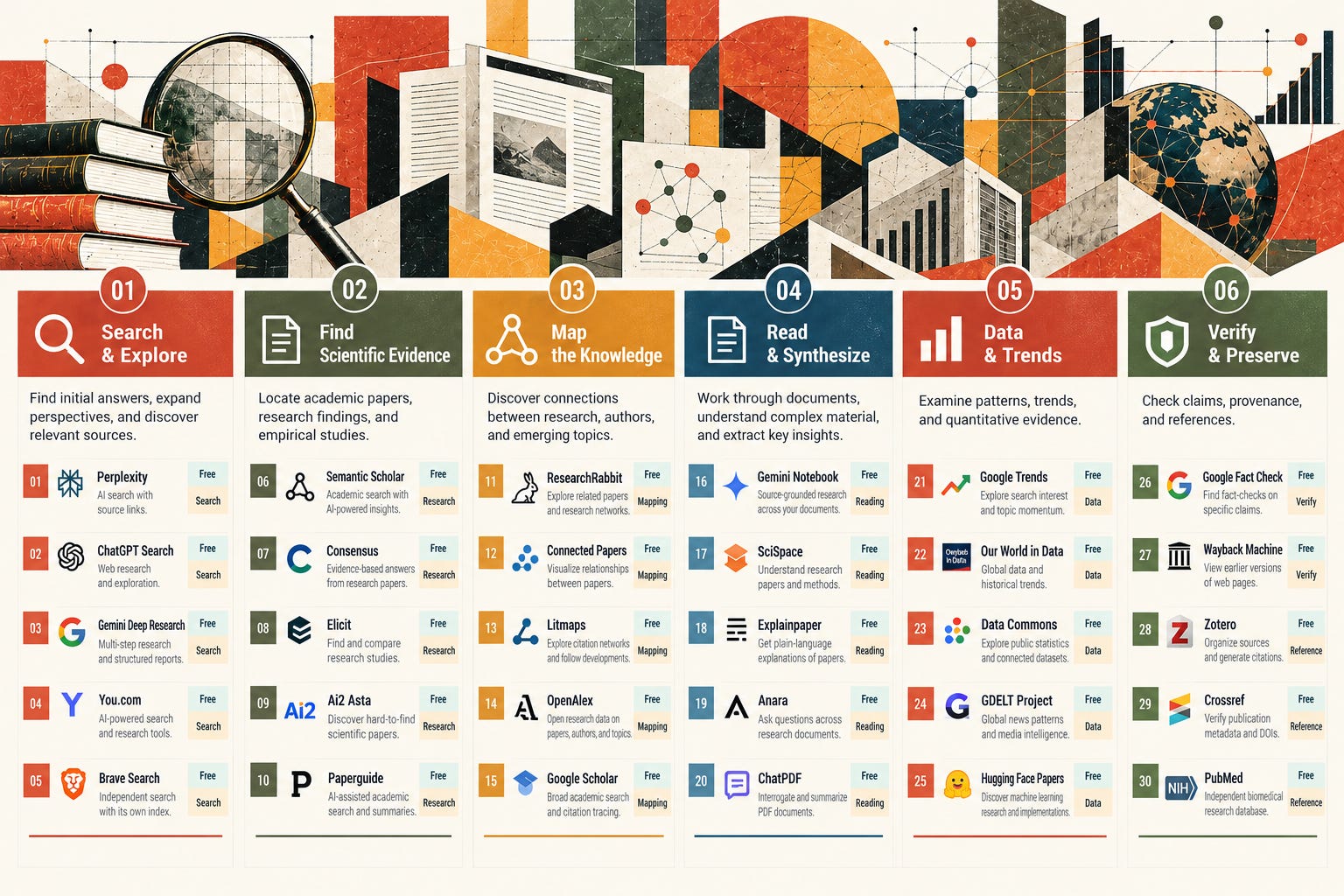
The AI Research Stack brings together 30 free tools and free-tier services for building a more reliable research workflow. It covers business research, scientific literature, market intelligence, technology analysis, and general investigation.
Some tools use generative AI directly. Others provide the databases, discovery mechanisms, and verification capabilities that make AI-assisted research more trustworthy. Free access ranges from fully free services to limited ongoing free plans.
You do not need all 30. You need to understand which tool belongs at which stage of the research process.
01. Search & explore
Start with the question. Expand the source landscape before committing to an explanation.
01. Perplexity
Best for: Fast, source-linked web research.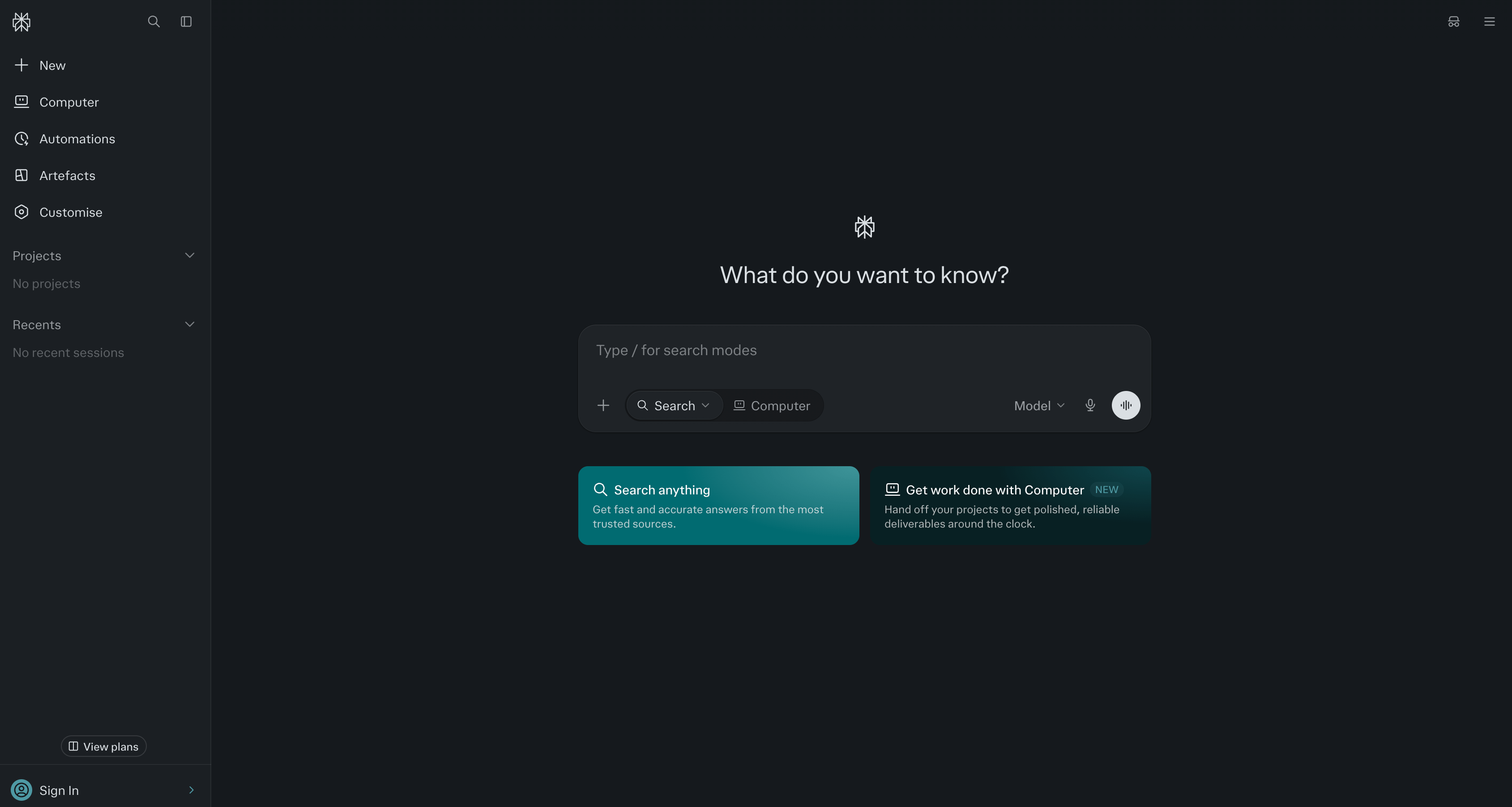
Perplexity combines conversational search with links to retrieved sources. It is useful for building an initial understanding of a subject, finding competing perspectives, and identifying material worth reading directly.
Try this: Ask for five competing explanations of an industry trend, with the strongest source supporting each one.
Access: Free core search; advanced capabilities and usage limits vary.
02. ChatGPT Search
Best for: Exploratory questions and iterative investigation.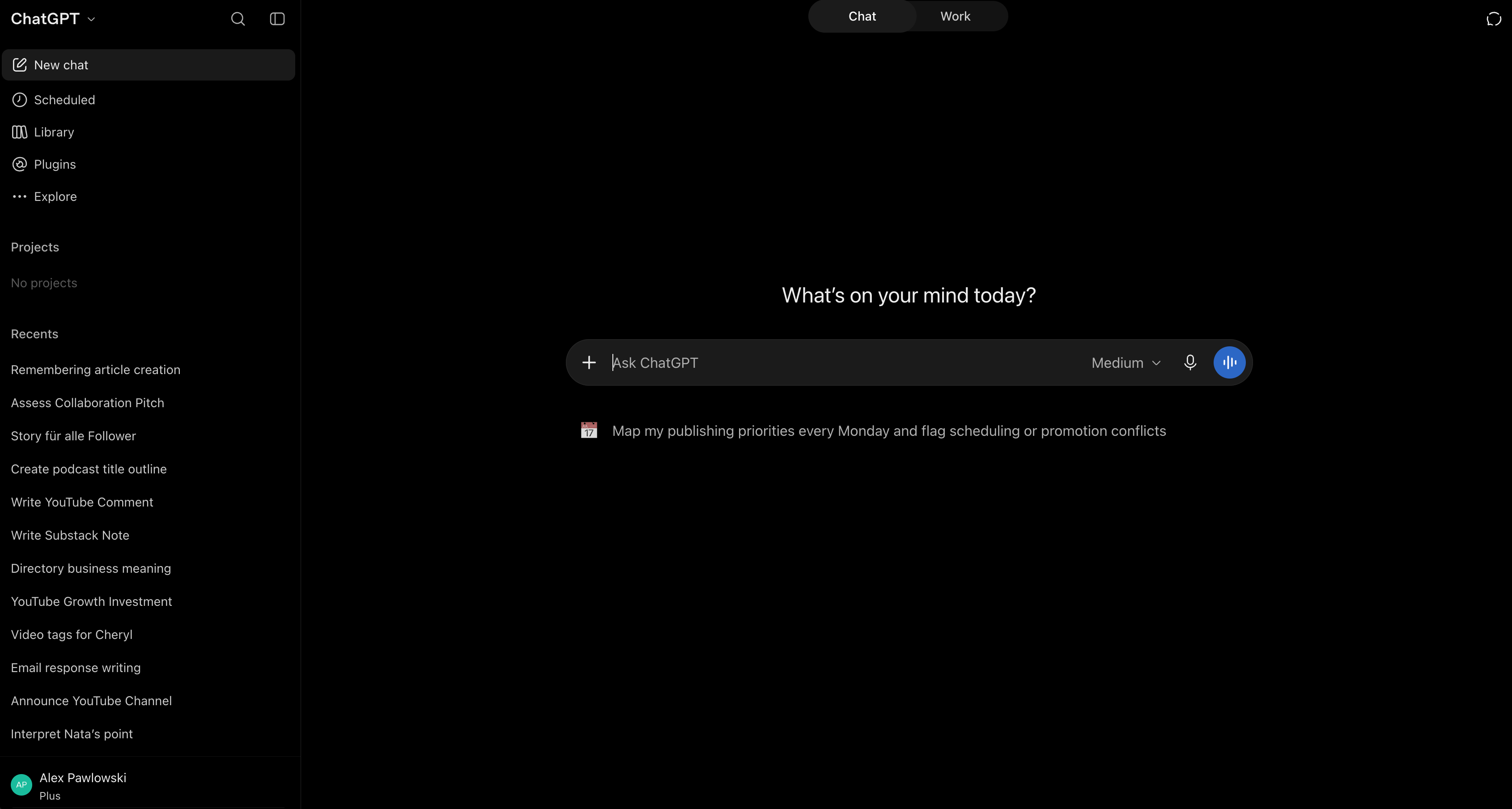
ChatGPT Search supports current web research with source links and follow-up questions. Its strength is helping you refine a broad question, break down complicated topics, and examine information from several angles.
Try this: Ask it to identify the assumptions behind your research question before searching for evidence.
Access: Free web search, subject to usage limits.
03. Gemini Deep Research
Best for: Multi-step research and structured overviews.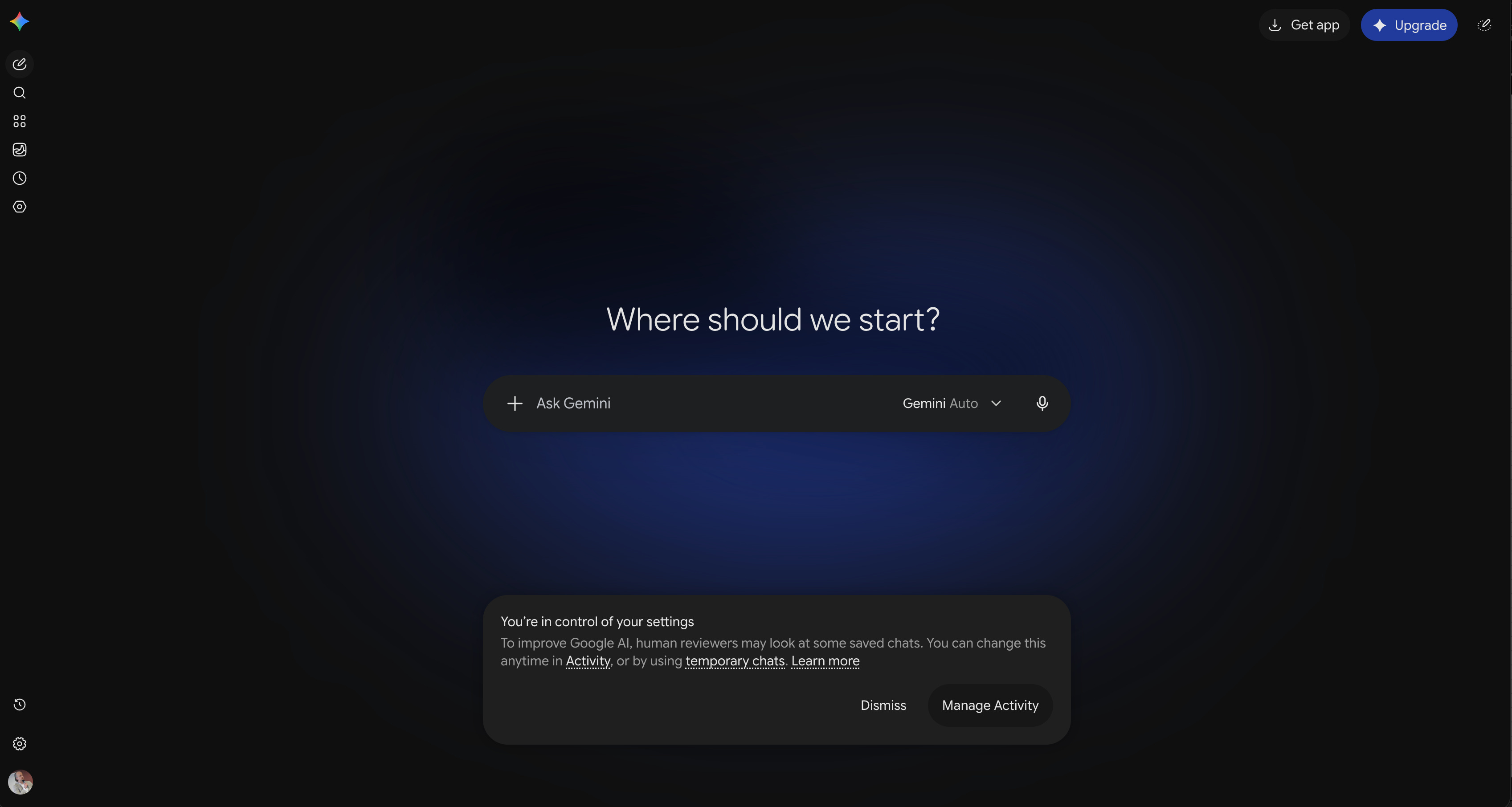
Gemini Deep Research can investigate a topic across multiple sources and assemble a structured report. This is particularly useful when the question requires several lines of inquiry rather than a single search.
Try this: Request a landscape report covering market structure, leading players, recent developments, and unresolved questions.
Access: Limited Deep Research availability on the free Gemini plan.
04. You.com
Best for: AI-oriented search and exploring alternative retrieval options.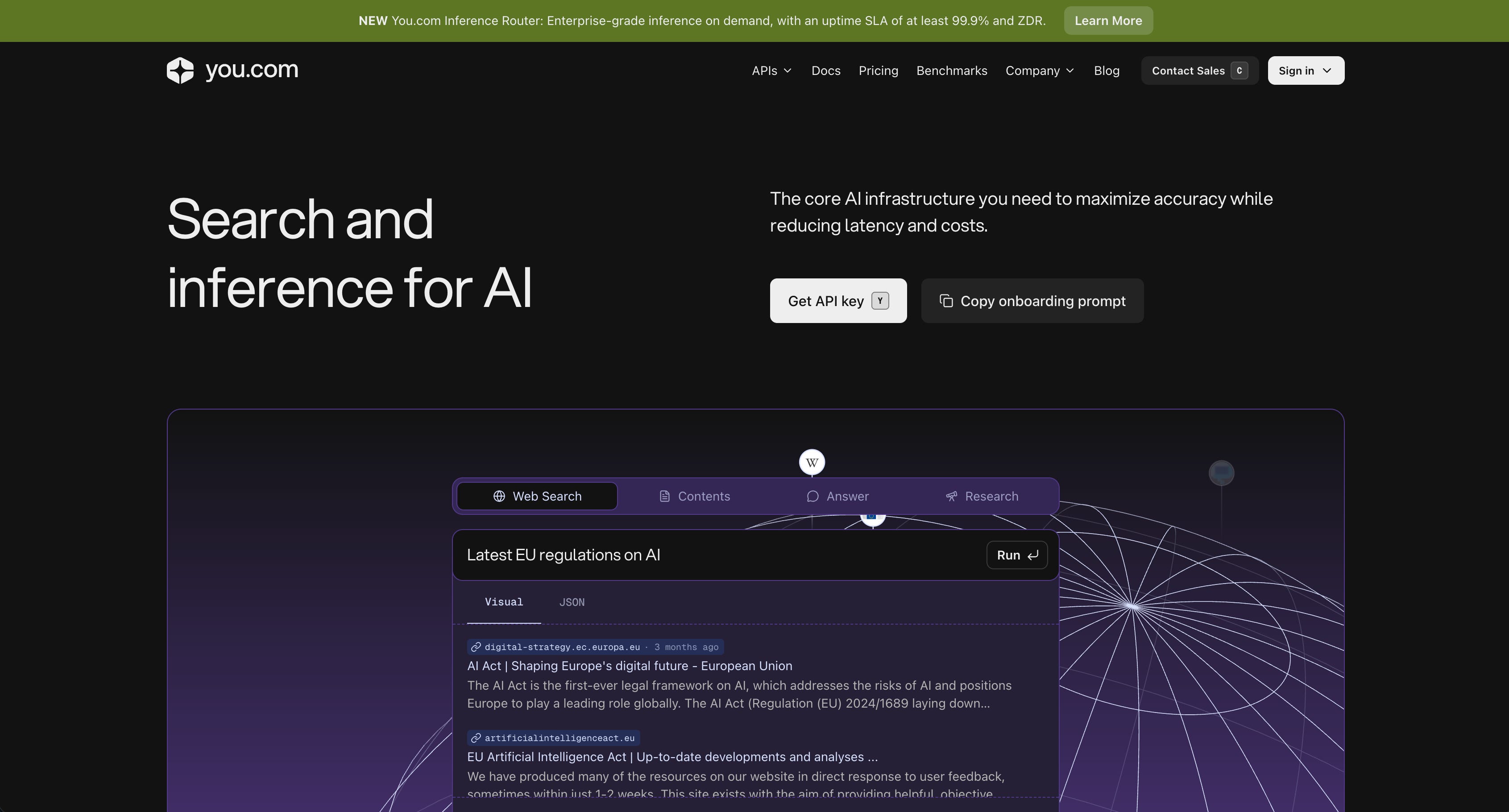
You.com provides AI search and research services, with particular relevance for people experimenting with web-grounded AI workflows and developer integrations.
Try this: Use its available search tools as an alternative discovery channel to compare what different retrieval systems surface.
Access: Free search-related capabilities exist; advanced products and API usage have separate limits.
05. Brave Search
Best for: Independent web discovery and checking search coverage.
Brave operates its own search index, making it useful when you want to compare what an AI assistant retrieved with results from another search system.
Try this: Repeat a critical search in Brave and inspect sources absent from your initial AI-generated answer.
Access: Free public search; API and other products have separate terms.
Research principle: Initial search results form a candidate source set. The first five results should never define the complete boundaries of an investigation.
02. Find scientific evidence
When a question concerns what works, why it works, or whether a claim is supported, scientific literature provides a different level of evidence.
06. Semantic Scholar
Best for: Discovering academic papers across disciplines.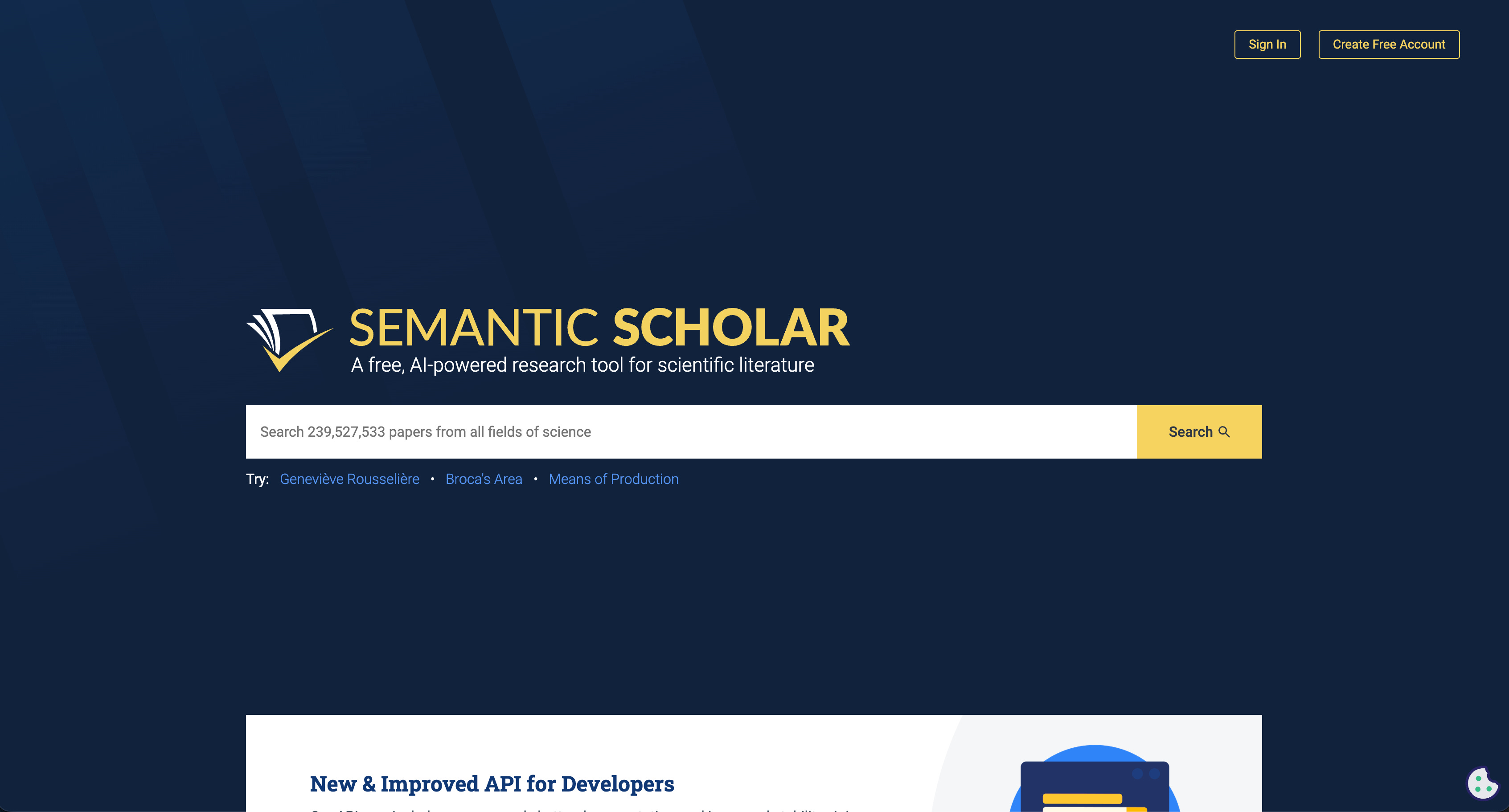
Semantic Scholar is a free, AI-powered academic search platform with paper recommendations, citation information, and AI-assisted summaries for supported records.
Try this: Search for studies on AI productivity and follow the references behind the most relevant findings.
Access: Free academic discovery; some full-text publications remain publisher-restricted.
07. Consensus
Best for: Questions that can be investigated through published studies.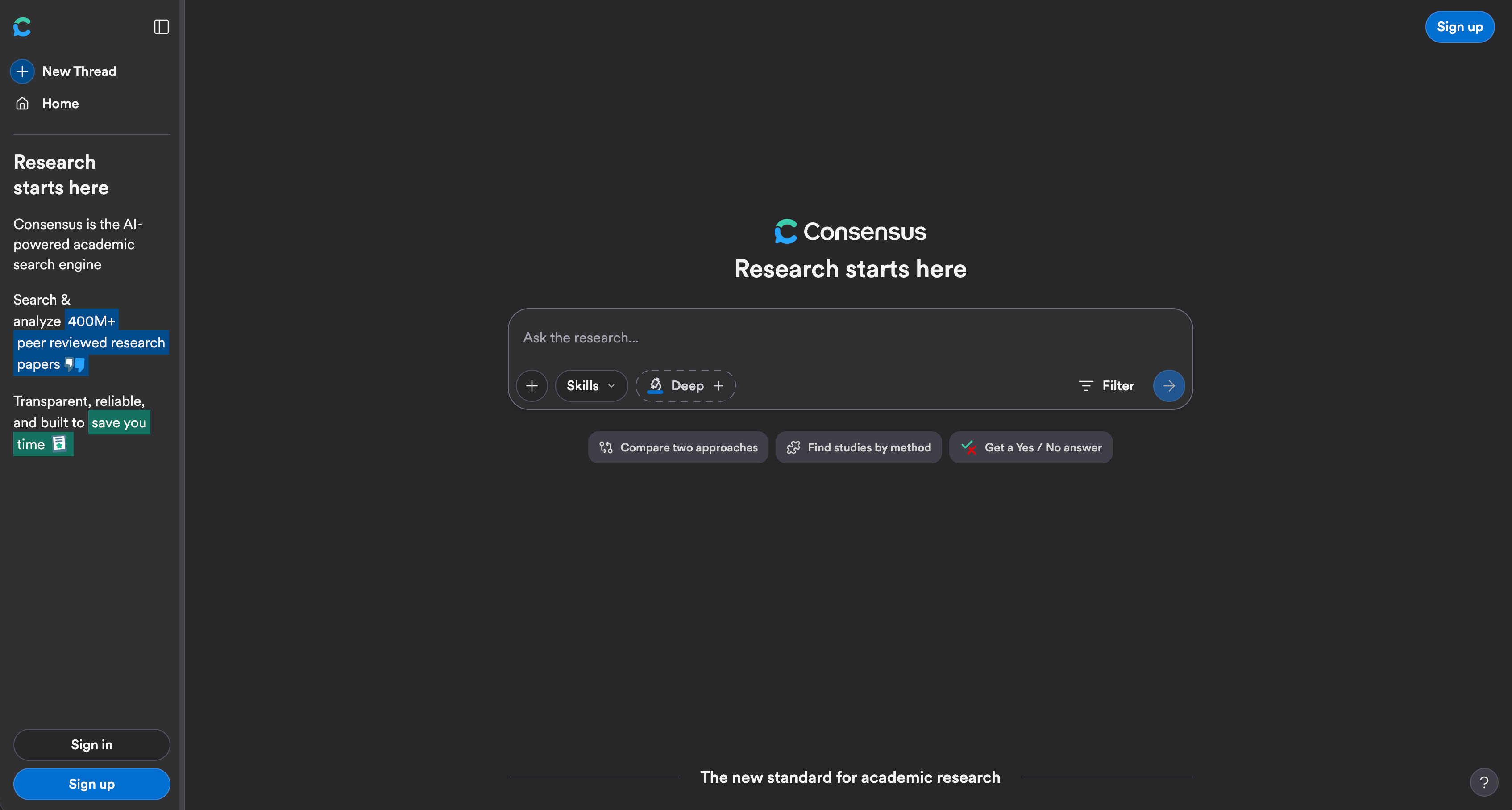
Consensus searches academic research and helps summarize findings in relation to a specific question. It is especially useful for moving from an intuitive claim to an evidence-based inquiry.
Try this: Ask whether generative AI consistently improves knowledge-worker productivity, then inspect the underlying study designs.
Access: Free plan with limits on advanced research capabilities.
08. Elicit
Best for: Literature reviews and comparing research findings.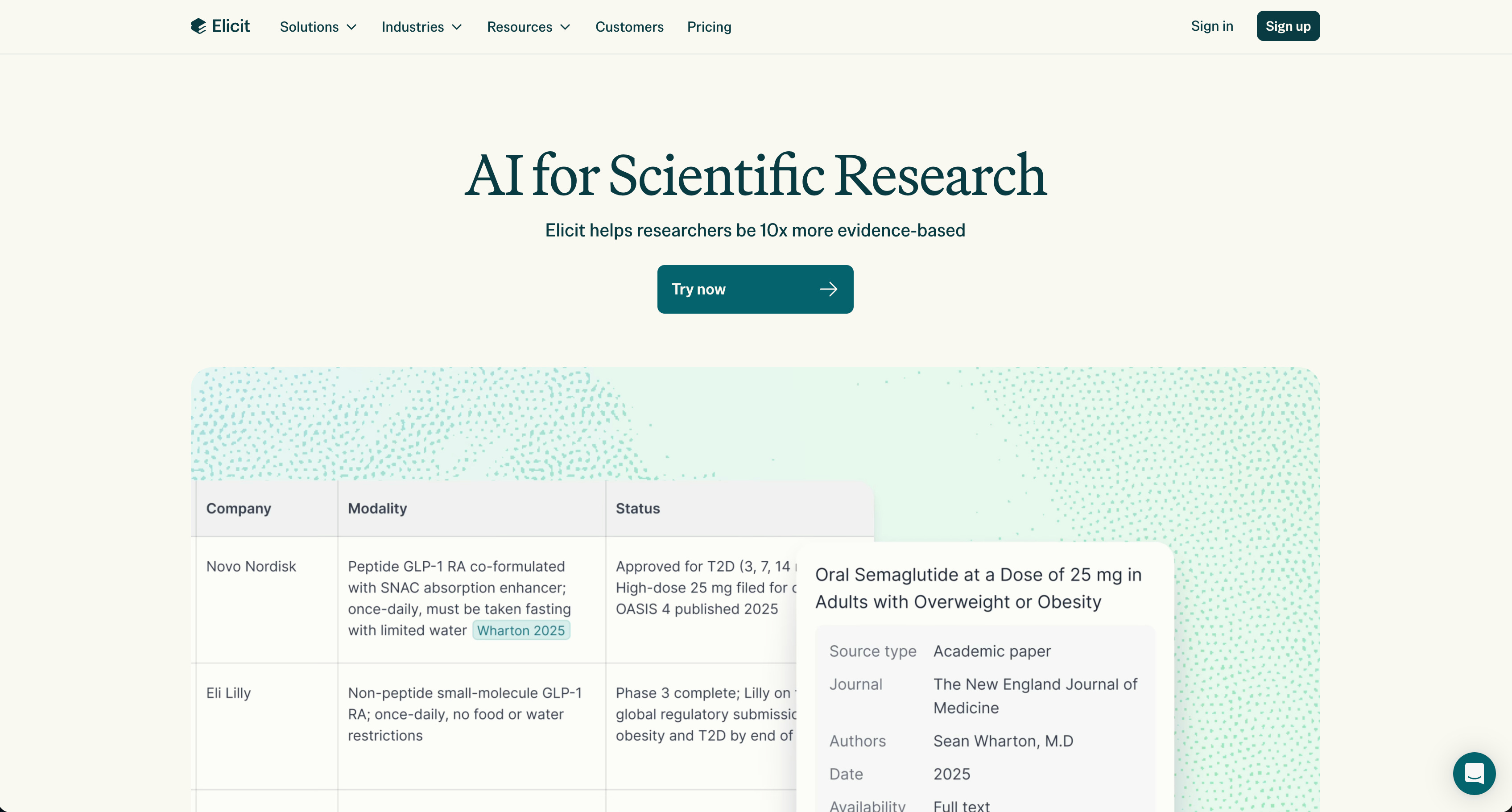
Elicit supports finding relevant studies and extracting information such as research methods, findings, and limitations into structured comparisons.
Try this: Compare five studies of AI-assisted decision-making using consistent evidence fields.
Access: Free basic search with restricted AI analysis and workflow allowances.
09. Ai2 Asta
Best for: Finding highly specific or difficult-to-locate scientific papers.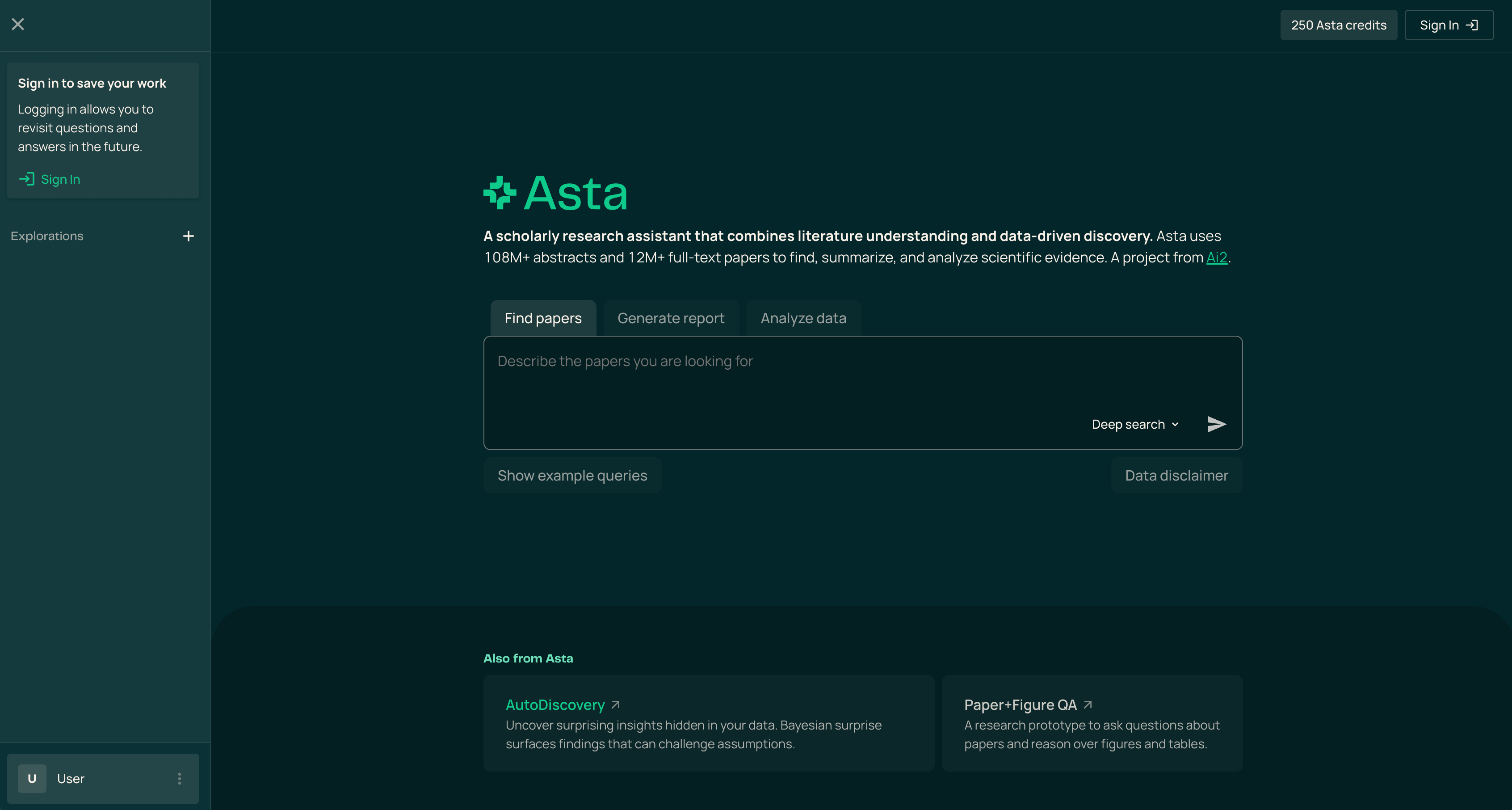
Developed by the Allen Institute for AI, Asta offers research discovery capabilities designed to connect natural-language questions with relevant scholarly literature.
Try this: Describe a narrow research problem in everyday language and look for studies outside your usual search vocabulary.
Access: Free research discovery capabilities.
10. Paperguide
Best for: Asking questions across scholarly literature.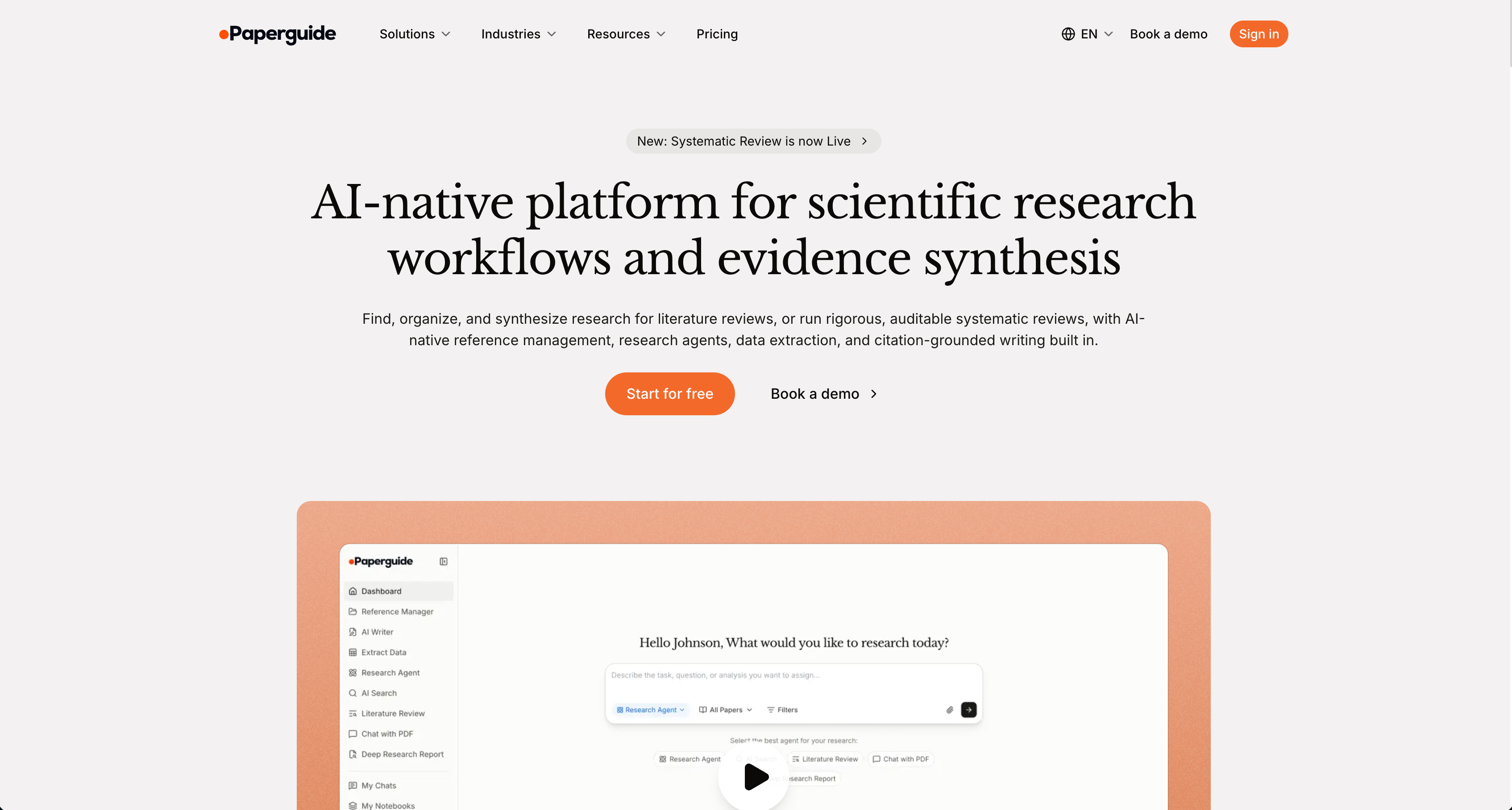
Paperguide provides AI-assisted academic search, returning synthesized answers alongside research papers and references. It can help form an initial evidence base for deeper analysis.
Try this: Search for evidence about the organizational conditions influencing successful AI adoption.
Access: Free plan, including a limited monthly allowance for AI search.
Research principle: A paper is not automatically reliable because it is academic. Inspect its publication status, methods, sample, limitations, and relevance to the question you are investigating.
03. Map the knowledge
The most useful source is often the one your initial search did not reveal.
11. ResearchRabbit
Best for: Discovering related papers and research communities.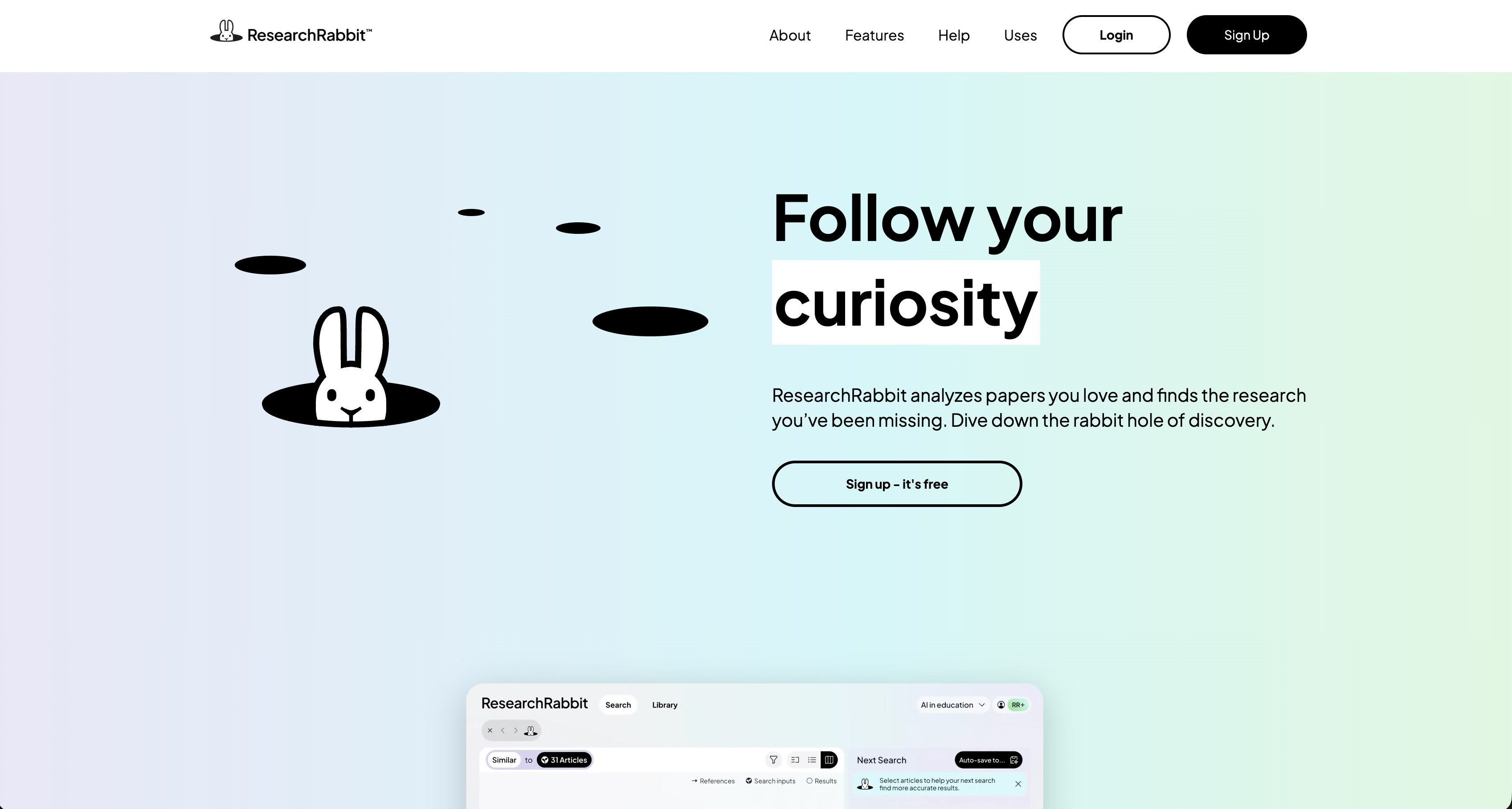
ResearchRabbit explores relationships among publications and authors. Starting from a useful paper, you can expand toward connected research and potentially overlooked material.
Try this: Add three influential papers and explore how their citation networks overlap.
Access: Free research mapping, with optional paid capabilities.
12. Connected Papers
Best for: Visualizing clusters of related scientific work.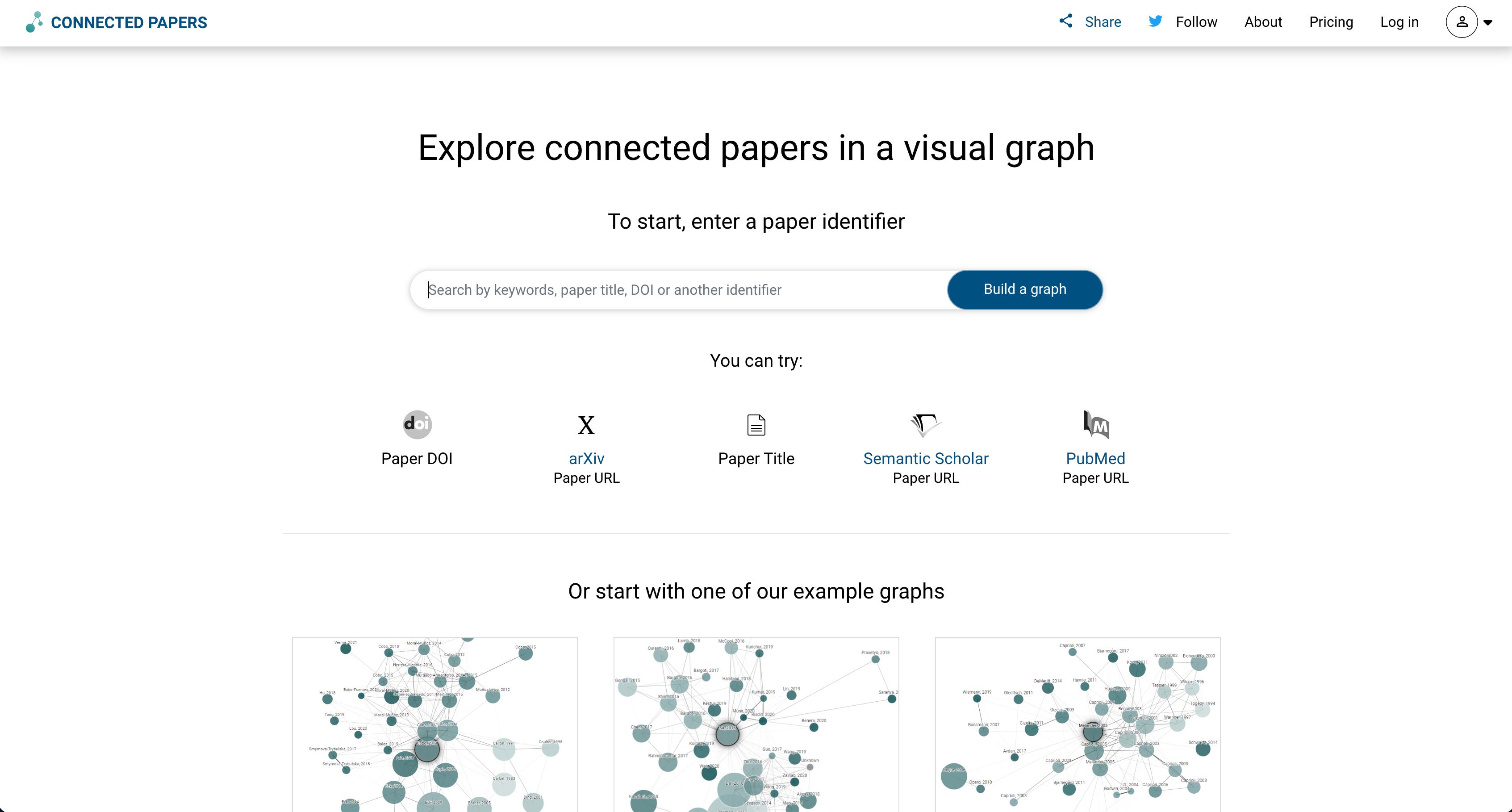
Connected Papers produces graphical representations of relationships between papers, helping researchers understand how ideas and publications form a field.
Try this: Map a foundational publication to discover nearby studies that use different terminology.
Access: Limited number of free graphs.
13. Litmaps
Best for: Exploring citation networks and following research developments.
Litmaps helps researchers discover relationships across literature, build research maps, and monitor a topic as the body of published work evolves.
Try this: Create a map around an emerging AI technique and identify the work that preceded its recent popularity.
Access: Free plan with restrictions on advanced features.
14. OpenAlex
Best for: Open scholarly metadata and large-scale research exploration.
OpenAlex organizes information about research works, authors, institutions, topics, and citations. It is particularly powerful for those who want to analyze the structure of scientific activity.
Try this: Examine which institutions or research areas are contributing to a developing technical field.
Access: Open data and free exploration; API usage is subject to applicable limits.
15. Google Scholar
Best for: Broad academic search and citation tracing.
Google Scholar is a useful complement to AI-powered literature discovery. Its cited-by relationships help reveal newer research building on an existing publication.
Try this: Find a frequently referenced study and investigate what later papers have confirmed, challenged, or extended.
Access: Free search; access to full texts depends on the publisher.
Research principle: A research field is a network of evolving claims. Understanding how findings relate to one another is often more valuable than collecting isolated citations.
04. Read & synthesize
Finding sources creates a new challenge: extracting their meaning without losing the important details.
16. Gemini Notebook (formerly NotebookLM)
Best for: Researching a controlled collection of documents.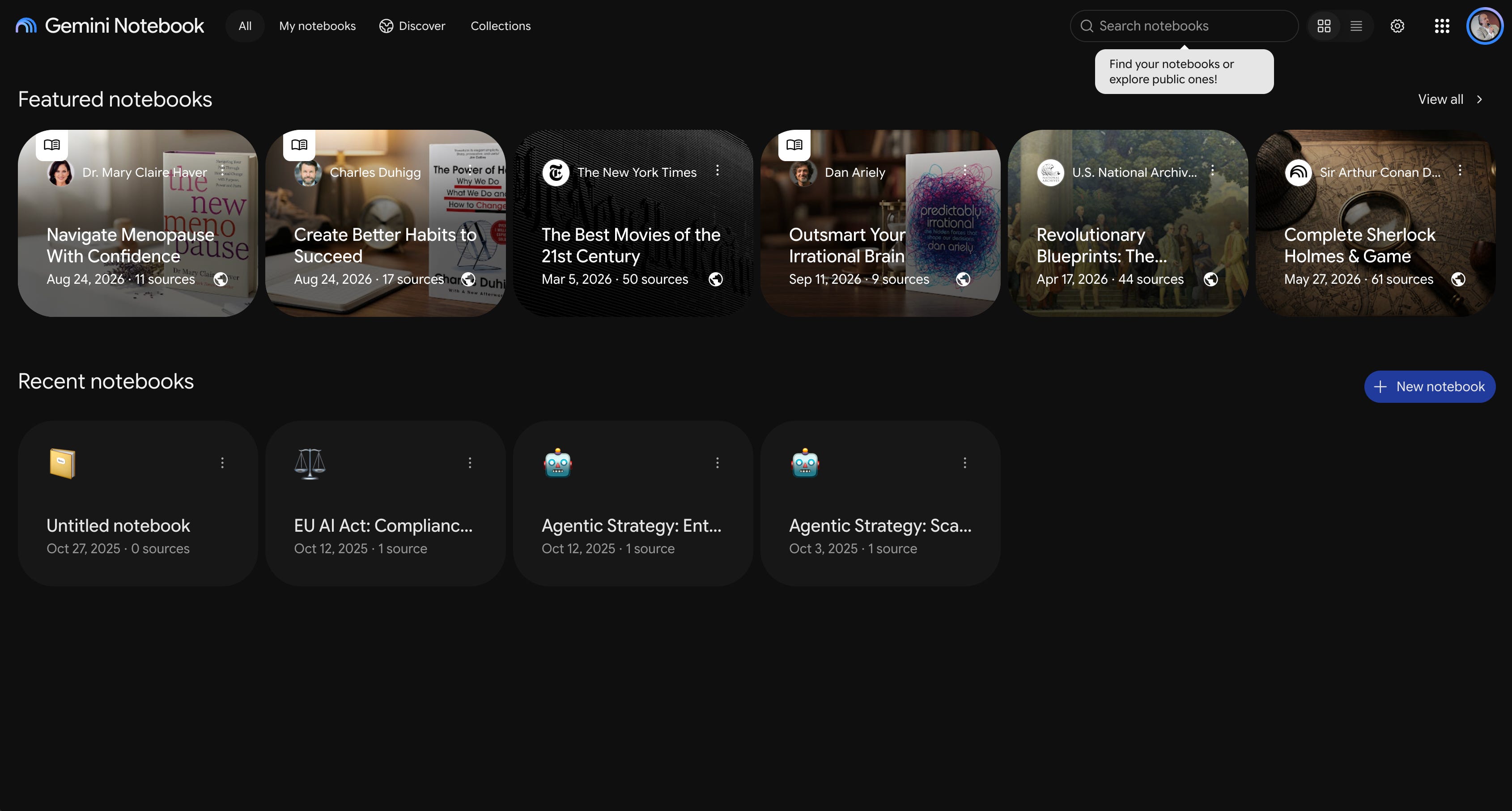
Google renamed NotebookLM to Gemini Notebook in 2026. The product enables questions and summaries grounded in selected sources, helping researchers compare material they deliberately bring into the workspace.
Try this: Add five reports on the same industry and ask where their forecasts disagree.
Access: Free source-grounded research, subject to notebook and feature limits.
17. SciSpace
Best for: Reading technical papers and understanding difficult material.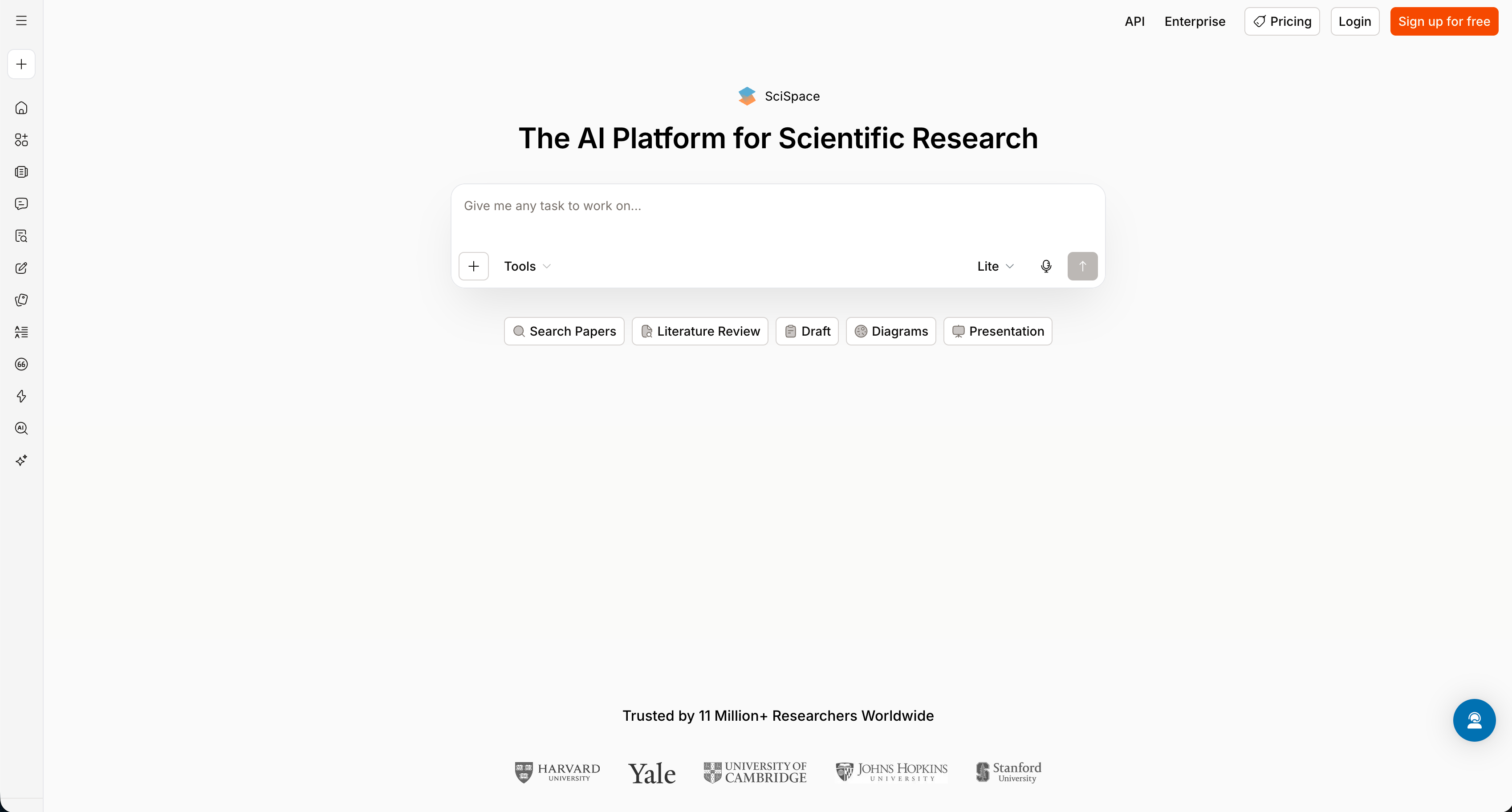
SciSpace provides AI-assisted explanations of research papers, including methods, complex passages, and research findings.
Try this: Select a complicated methodology section and ask what assumptions would have to hold for its conclusions to remain valid.
Access: Limited free AI-assisted reading capabilities.
18. Explainpaper
Best for: Understanding unfamiliar technical language.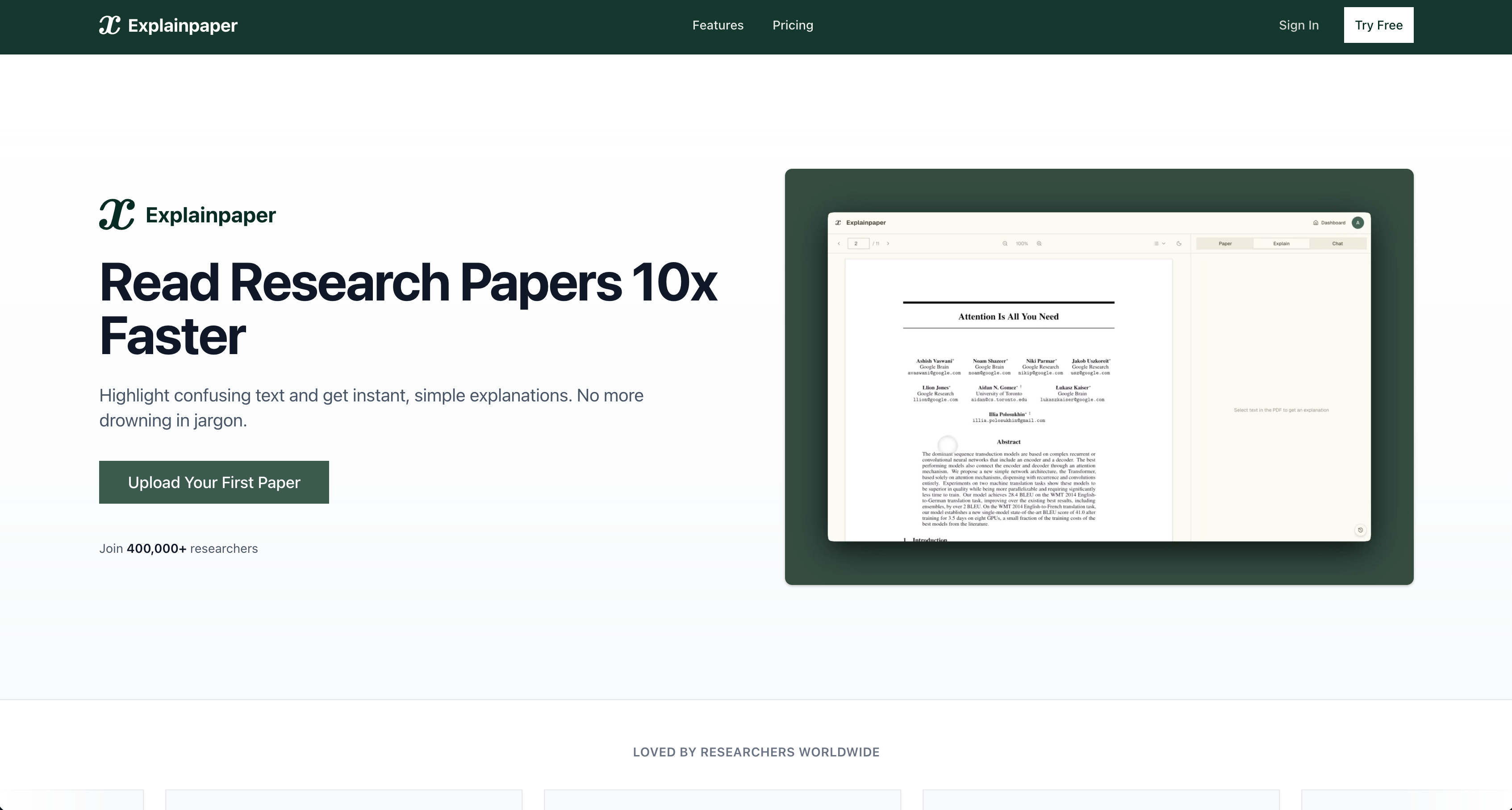
Explainpaper lets readers highlight difficult passages in academic papers and receive contextual explanations. It is particularly useful when researching outside your primary discipline.
Try this: Highlight a technical concept and ask for a plain-language explanation without removing the methodological nuance.
Access: Free basic explanations and follow-up questions.
19. Anara
Best for: Working with research documents and source-linked answers.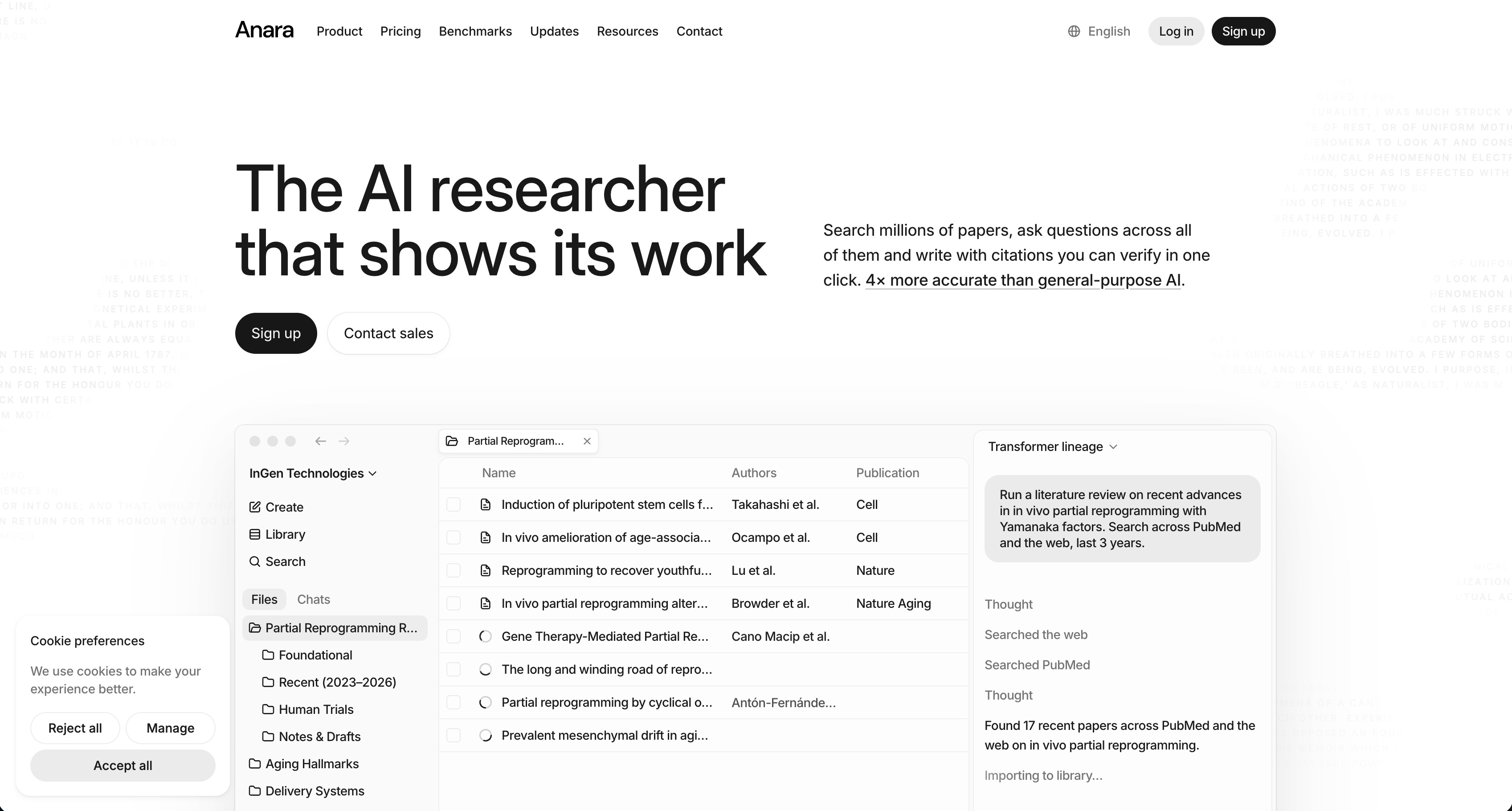
Anara provides an AI-assisted environment for exploring research material, asking questions across documents, and organizing findings.
Try this: Upload related papers and compare the conditions under which their conclusions differ.
Access: Limited free usage; larger research workflows may require a paid plan.
20. ChatPDF
Best for: Quickly interrogating a long PDF.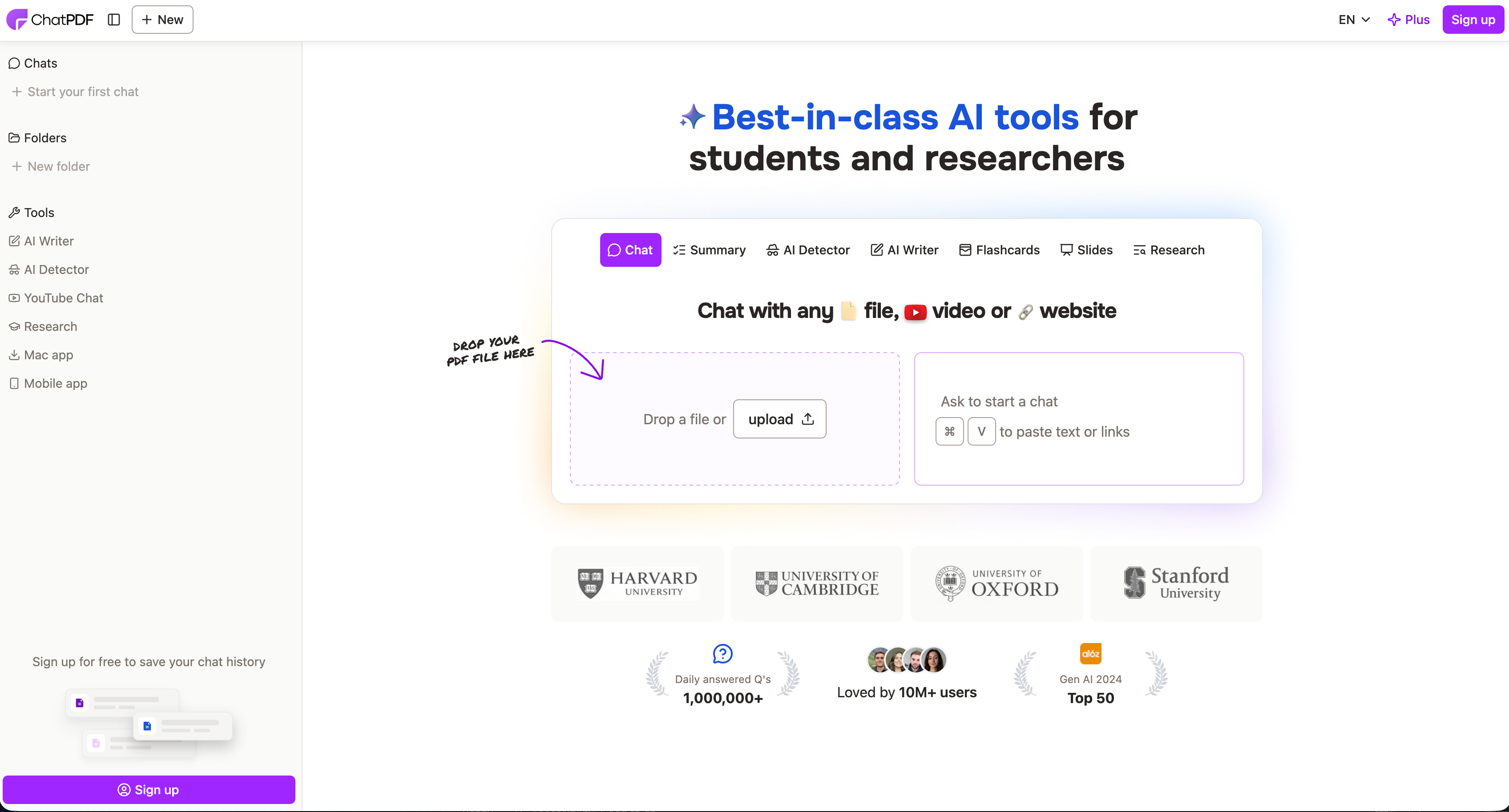
ChatPDF allows conversational questions about an uploaded document. It is useful for locating particular information in lengthy reports, papers, and reference materials.
Try this: Upload an annual report and identify the passages supporting a particular strategic claim.
Access: Free plan with document and usage limits.
Research principle: Summaries remove information. When a conclusion matters, return to the original passage and preserve the qualifications the summary may have compressed.
05. Research data & trends
Good research benefits from observing what is actually changing, rather than relying entirely on explanations of what might be changing.
21. Google Trends
Best for: Exploring search interest and topic momentum.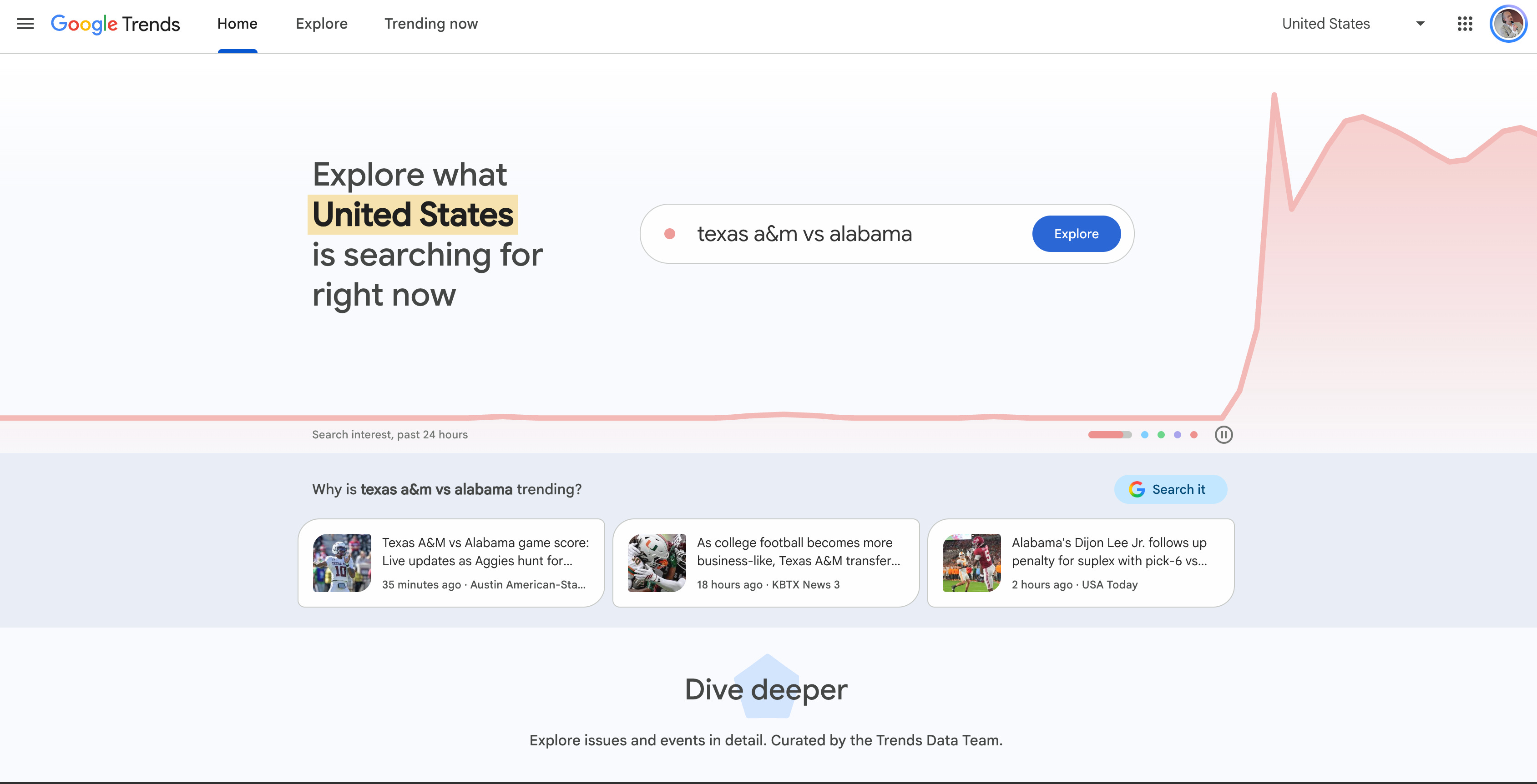
Google Trends provides relative search-interest data over time and across locations. It helps identify changes in attention, compare terminology, and generate hypotheses about emerging demand.
Try this: Compare search interest in AI agents, agentic AI, and AI automation across regions.
Access: Free.
22. Our World In Data
Best for: Historical trends and evidence-based global comparisons.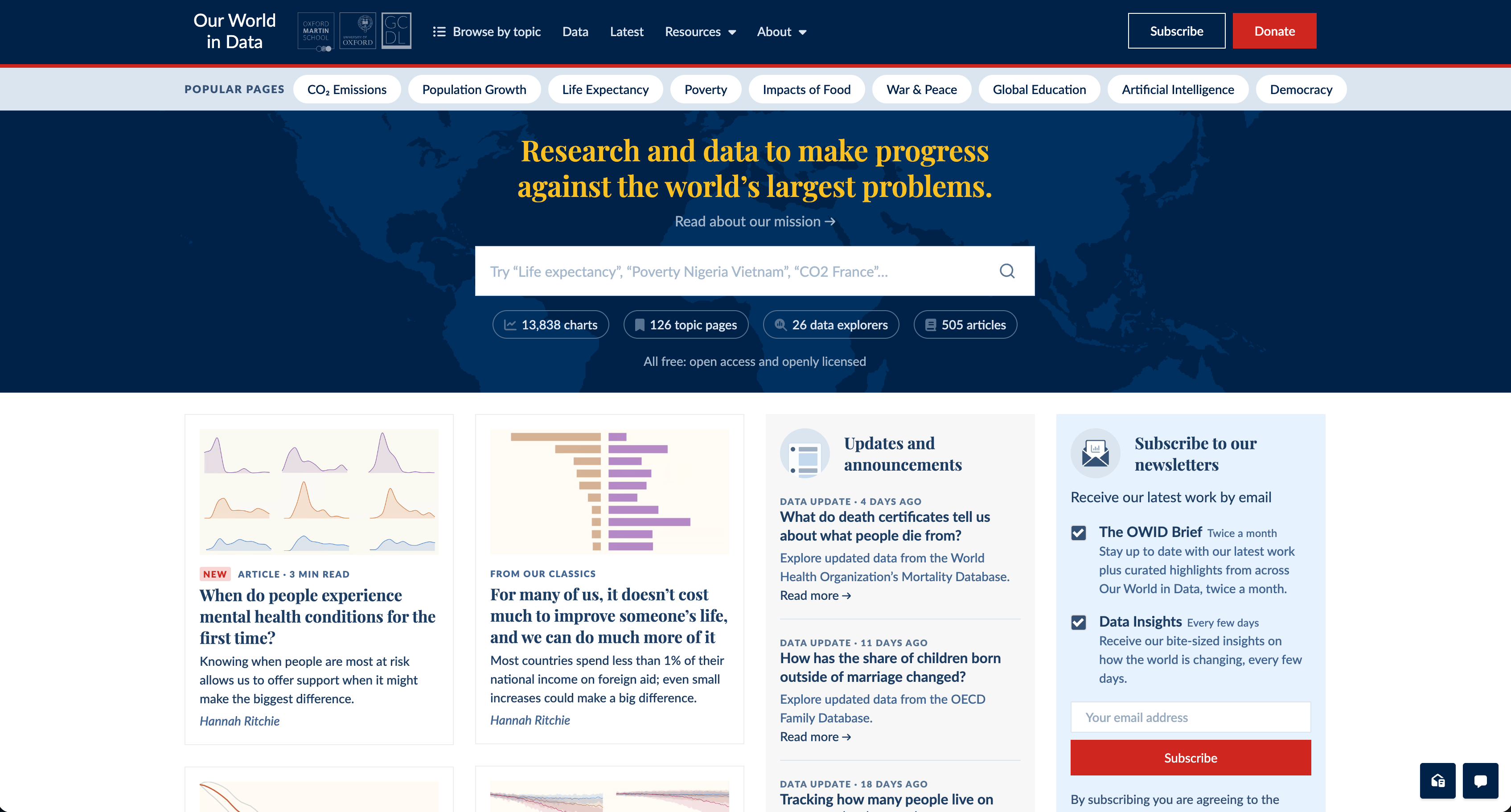
Our World in Data makes datasets and visualizations accessible across economics, technology, health, education, and other subjects.
Try this: Build a baseline for a claim about global technological adoption or productivity using historical indicators.
Access: Free public data and visualizations.
23. Data Commons
Best for: Exploring public statistics through connected datasets.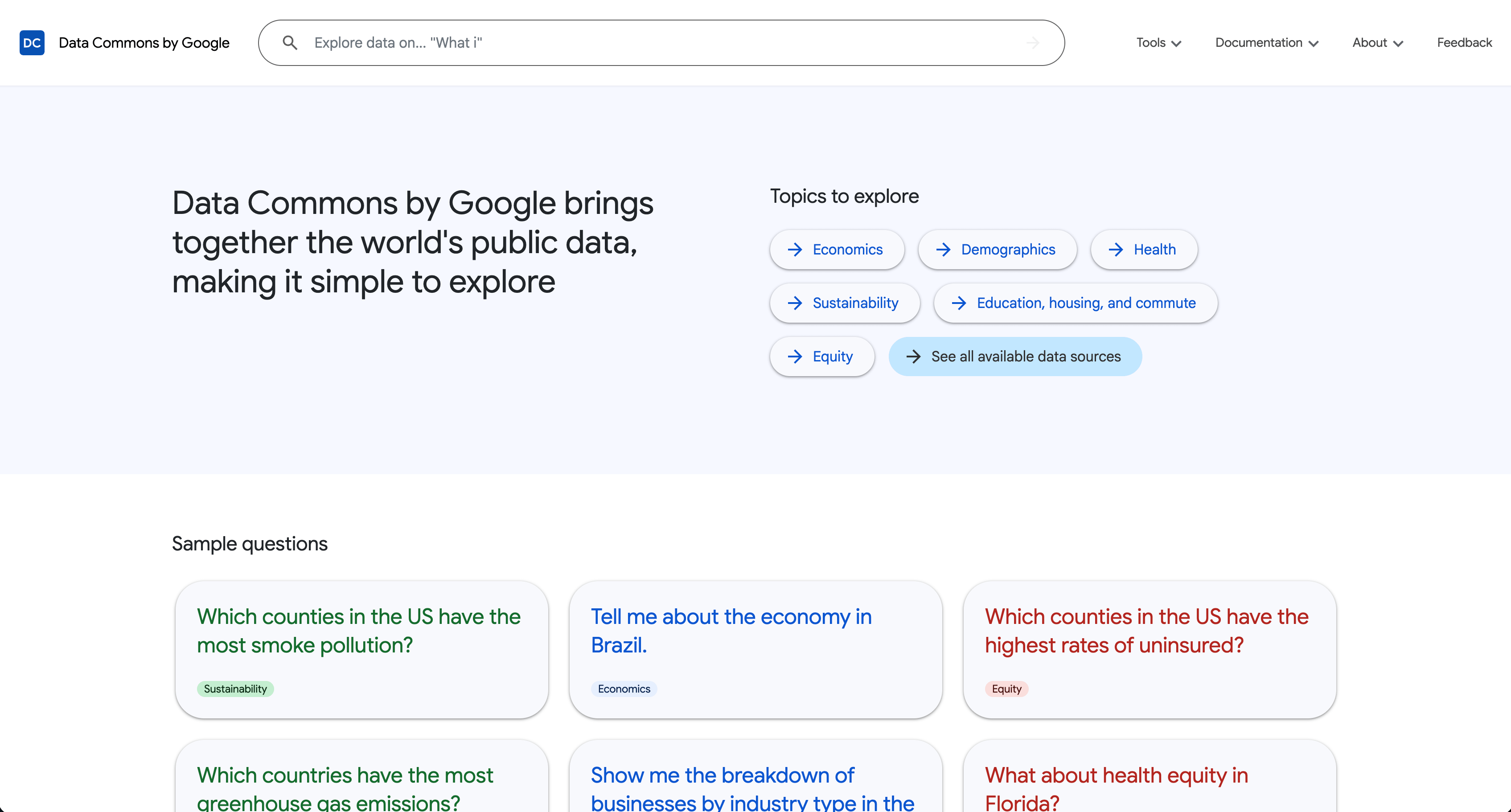
Data Commons organizes public statistical information into a searchable knowledge graph. It can help researchers compare locations, indicators, and trends without assembling every dataset manually.
Try this: Compare economic or demographic indicators across regions before investigating their possible causes.
Access: Free public data; higher-volume technical usage can have limits or costs.
24. GDELT Project
Best for: Global news patterns, events, and media intelligence.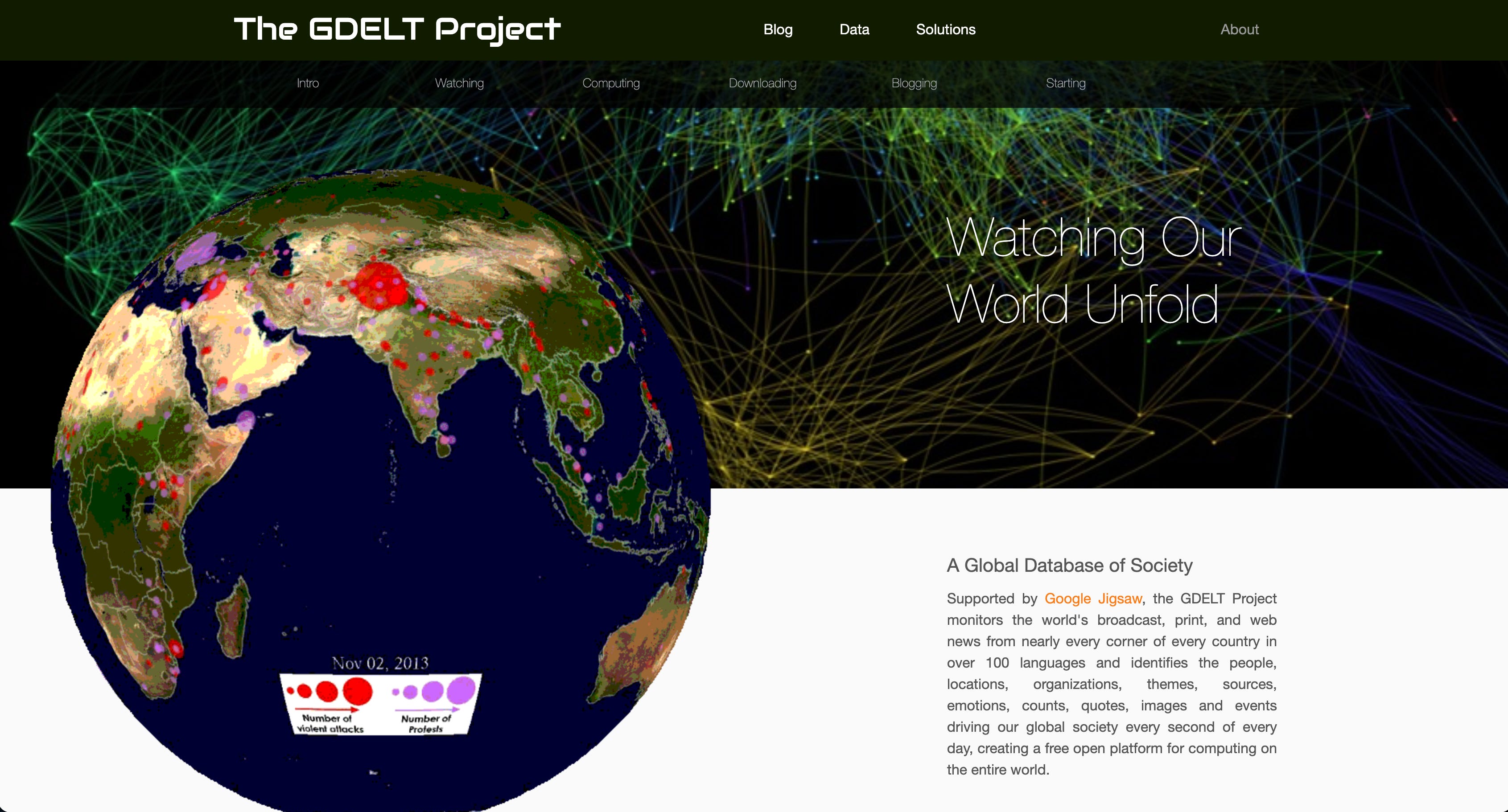
GDELT monitors and structures large volumes of worldwide news data. It can support the investigation of emerging developments, geographic patterns, and changes in media attention.
Try this: Examine how coverage of an emerging technology shifts across countries and time.
Access: Free open data and analysis services.
25. Hugging Face Papers
Best for: Tracking emerging AI research.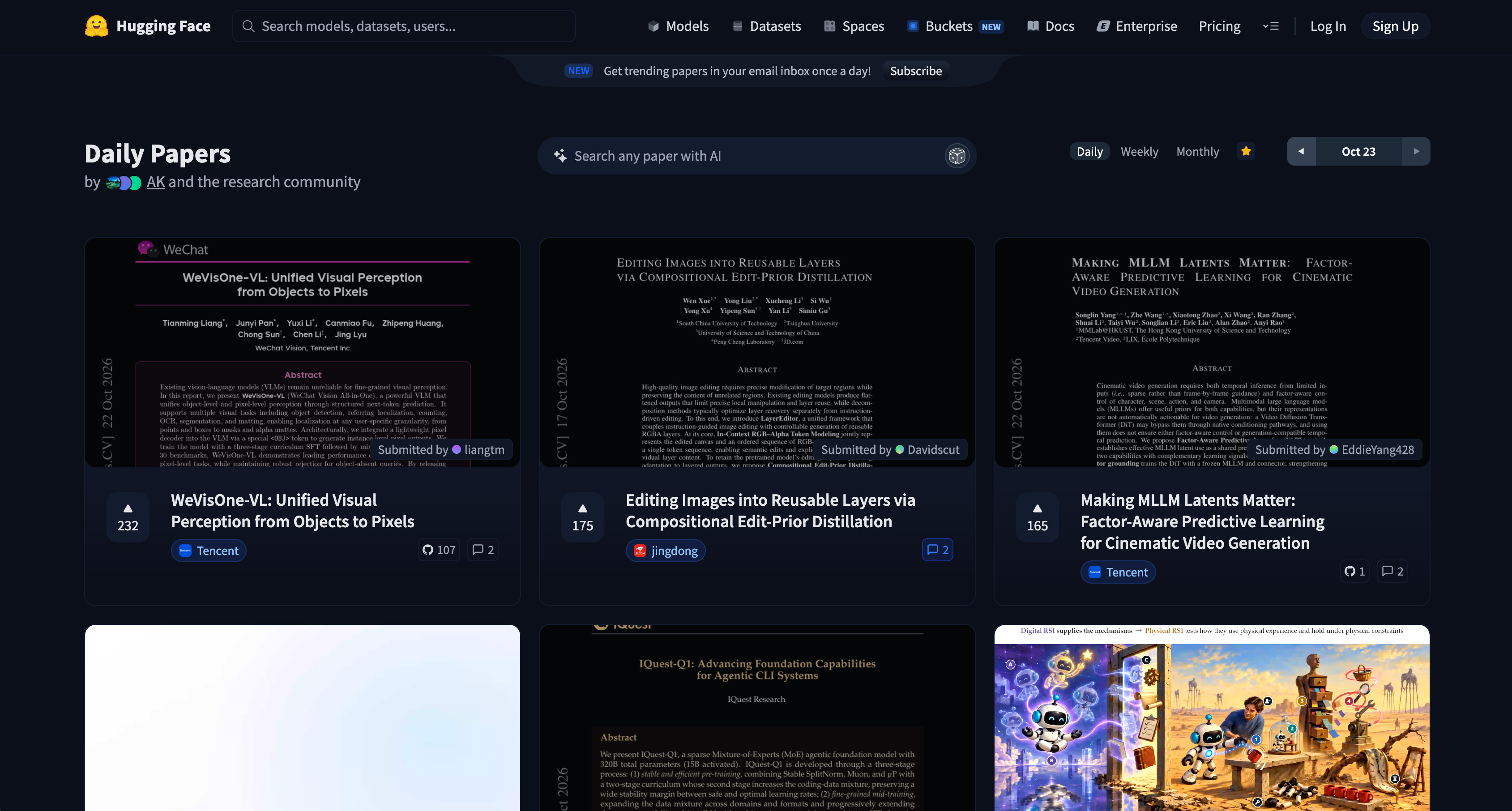
Hugging Face Papers provides a discovery interface for machine-learning papers, allowing readers to follow research developments and move toward related technical resources.
Try this: Review recent papers in an AI subfield, then investigate which ideas are supported by released code or follow-up work.
Access: Free public discovery.
Research principle: Search interest, news coverage, and scientific publication activity measure different phenomena. A trend becomes more informative when independent signals point in a similar direction.
06. Verify & preserve
The final research step asks whether the evidence supports the conclusion and whether another person can reproduce the path to it.
26. Google Fact Check Explorer
Best for: Finding previously published fact-checks.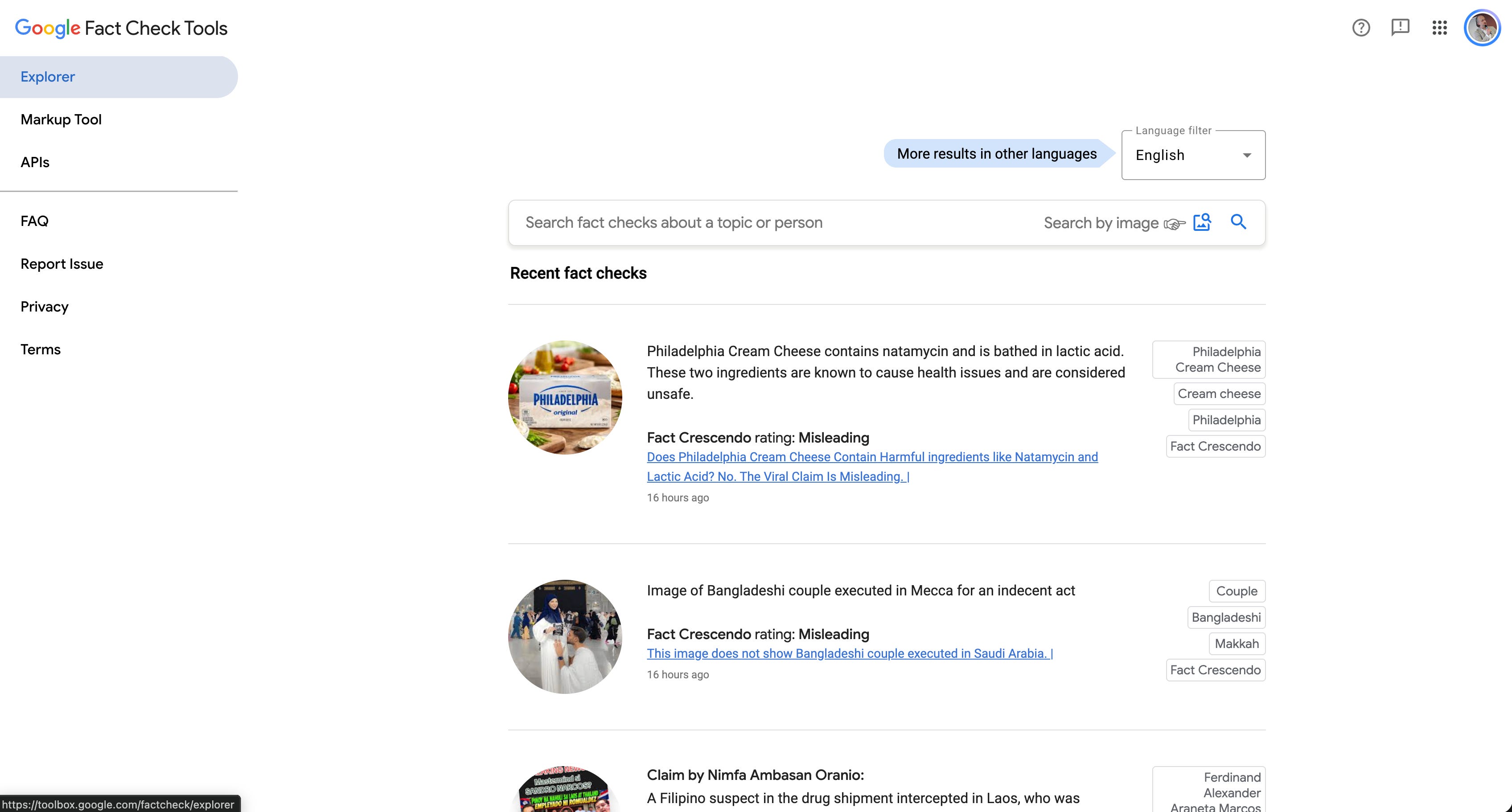
Google Fact Check Explorer helps locate fact-checking work associated with particular claims, subjects, or statements.
Try this: Search for a striking statistic before repeating it in a report or presentation.
Access: Free.
27. Wayback Machine
Best for: Investigating earlier versions of webpages.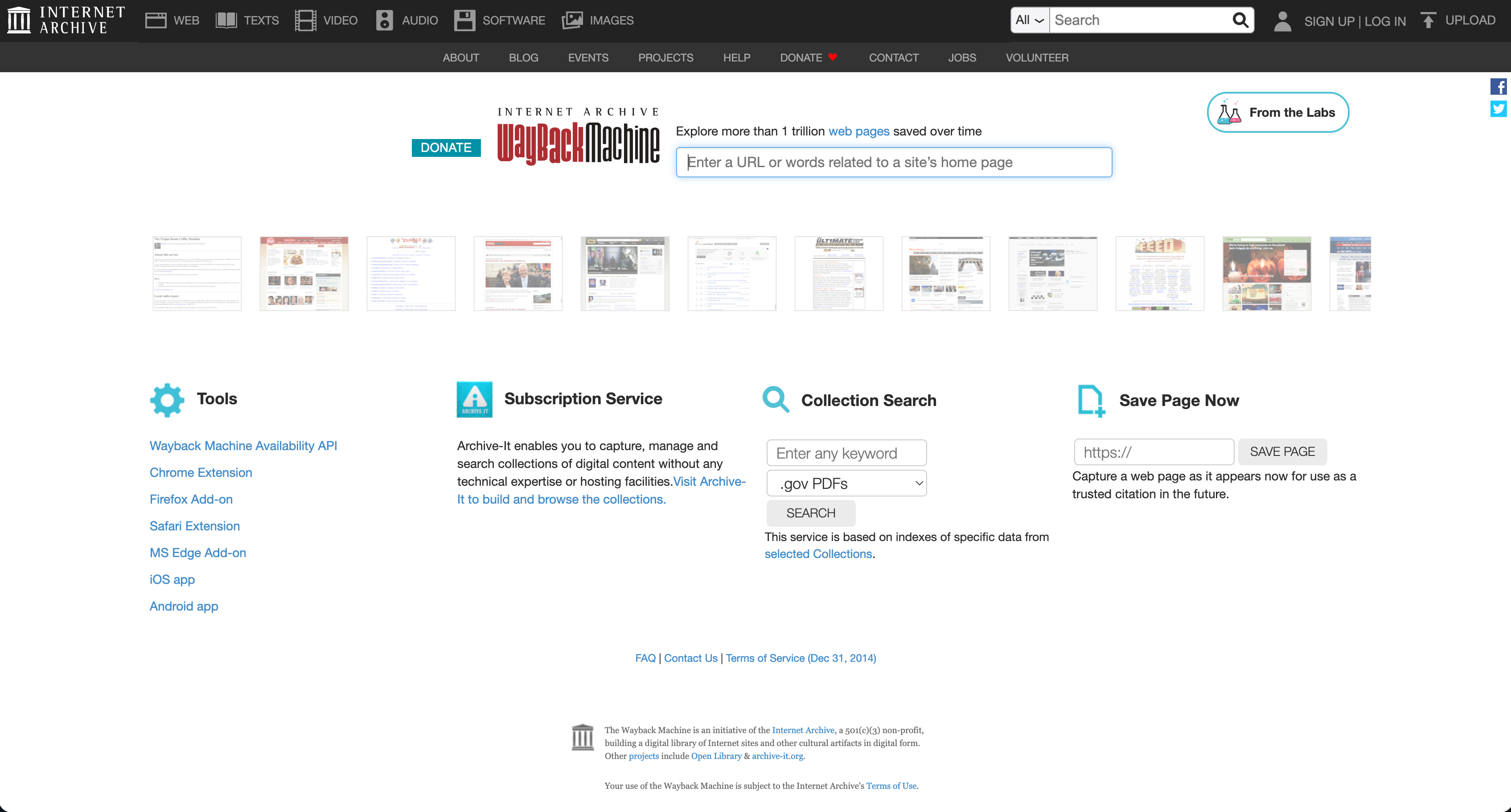
The Internet Archive’s Wayback Machine provides historical snapshots of websites where available. It is useful for checking how publicly available statements, product pages, and published claims have changed.
Try this: Compare a company’s current product promises with archived versions of its website.
Access: Free public archive access; coverage is incomplete.
28. Zotero
Best for: Collecting, organizing, and citing sources.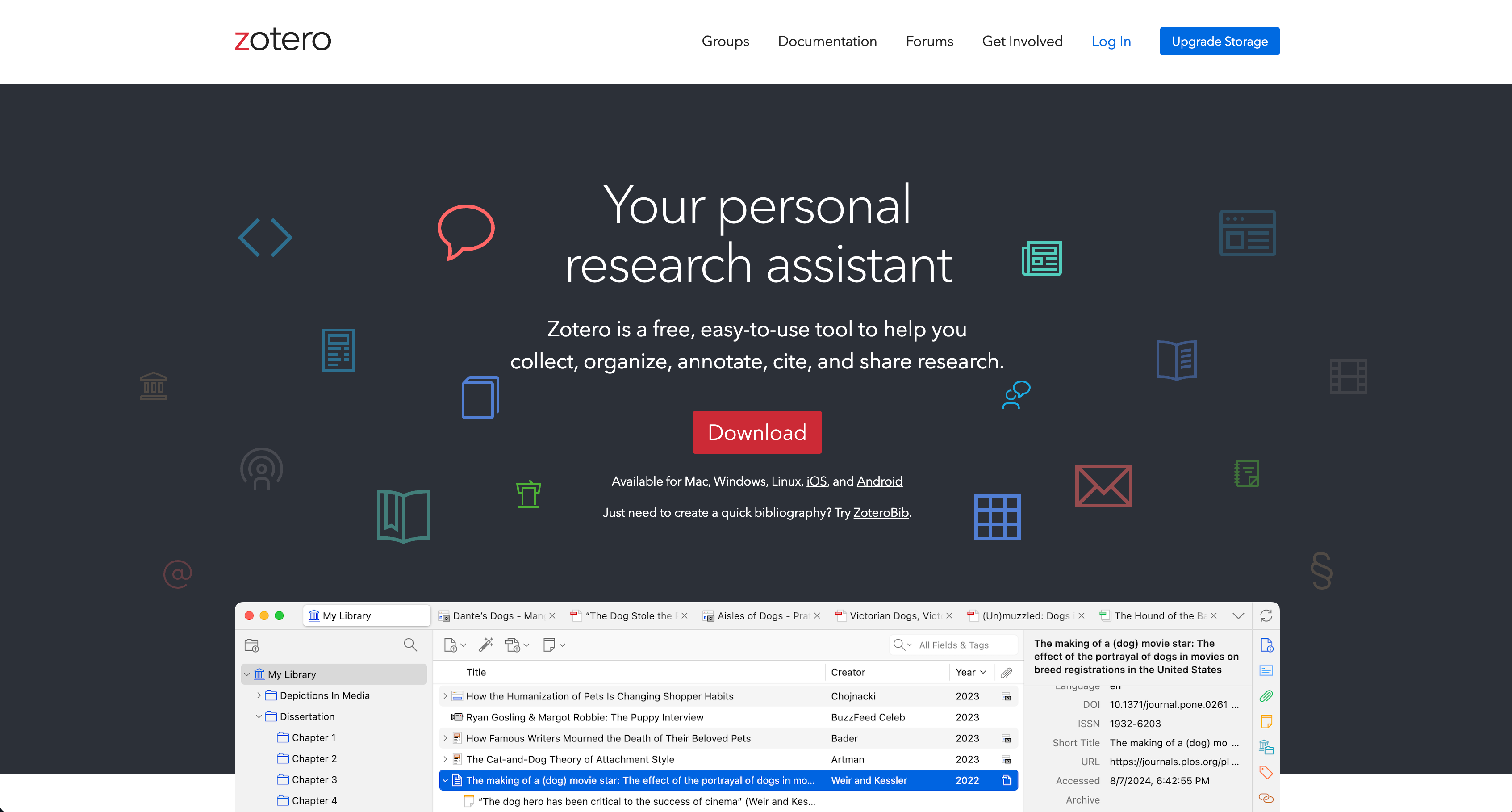
Zotero helps researchers maintain bibliographic records, organize reference libraries, and generate citations. It supplies a persistent source-management layer that AI-assisted workflows frequently lack.
Try this: Create a collection for each research question and record why every retained source matters.
Access: Free reference-management software; additional cloud storage may cost extra.
29. Crossref
Best for: Checking publication metadata and DOI records.
Crossref provides searchable scholarly metadata, making it useful for confirming publication details, resolving digital object identifiers, and checking references.
Try this: Verify the title, author list, publication date, and DOI of a paper before including it in a bibliography.
Access: Free public metadata search.
30. PubMed
Best for: Independent verification of biomedical research.
PubMed is a free biomedical literature database maintained by the U.S. National Library of Medicine. It provides a valuable independent research channel for health, medical, and life-science questions.
Try this: Validate whether a medical claim is supported by appropriately designed research, including relevant review studies.
Access: Free search; individual full-text articles may have access restrictions.
Research principle: Verification is a distinct activity. The system that produced an answer should never be the sole authority responsible for validating it.
Read next
Finding information is increasingly easy. Turning it into reliable decisions requires a system. These are free to read:
-
Why AI Fails at Strategy — How to preserve context, evidence, and decisions across AI-assisted workflows.
-
The AI Learning Stack: 32 Resources Worth Bookmarking in 2026 — Free courses, guides, and learning paths for developing your AI capabilities.
Put the research to work
-
Operator Vault — 120+ PDFs, practical frameworks, kits, and installables for strategy and execution.
-
Stack Atlas — Explore how research, strategy, technology, and operating models connect across The Strategy Stack.
Essays and curated resource collections remain free. Operator provides the tools and working materials for applying what you learn.
The full collection covers 30 research tools across six stages, from finding evidence and mapping knowledge to analyzing sources and verifying conclusions. Subscribe free to The Strategy Stack to explore the complete guide and its practical research frameworks.
The minimum viable AI research stack
Thirty tools provide options. Most everyday investigations can begin with five complementary capabilities.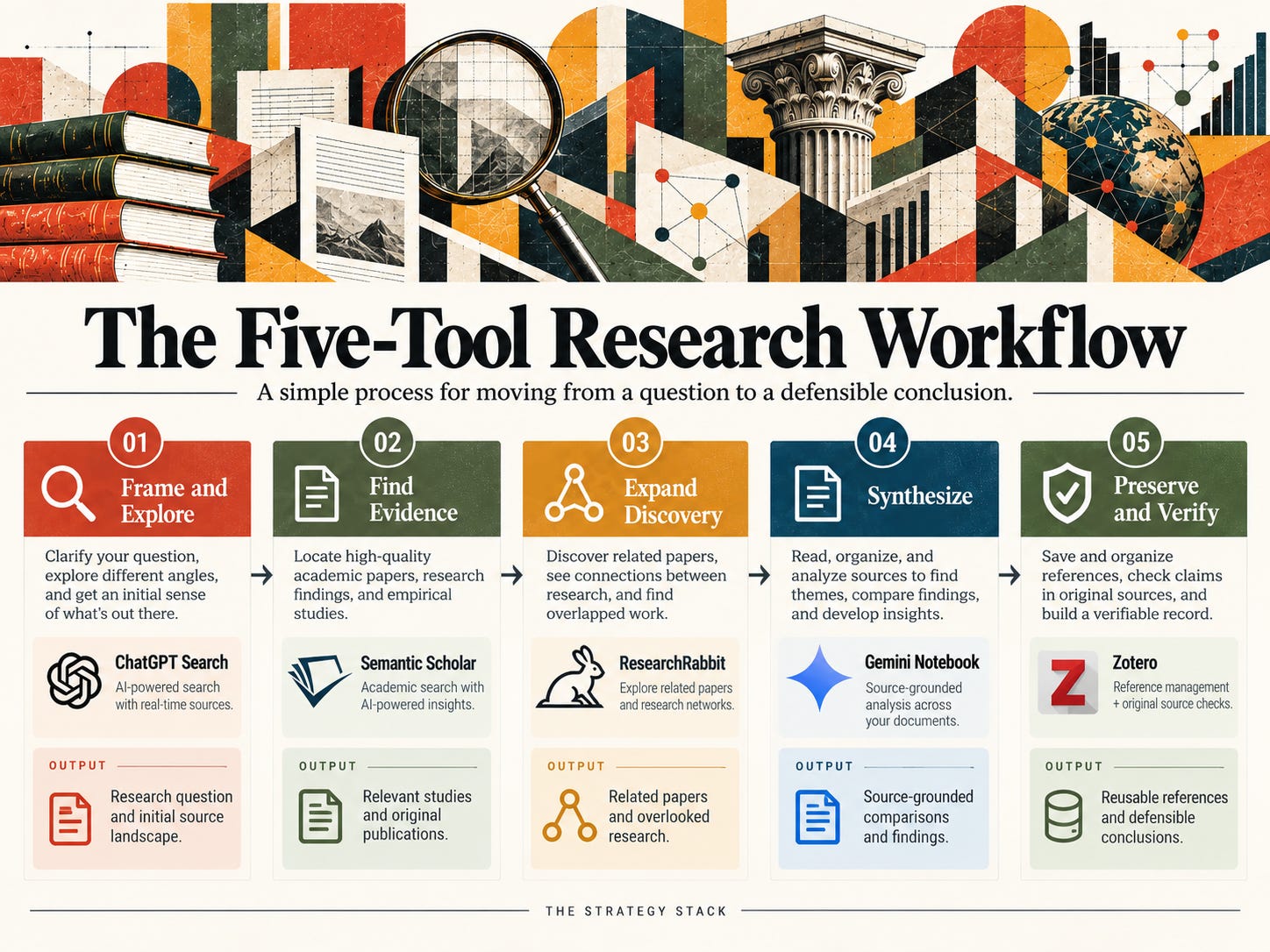
Start with a question narrow enough to investigate. A broad question such as How is AI changing organizations? can generate endless information. A more precise question, such as Which organizational practices improve the success of AI deployments?, creates a clearer evidence requirement.
Next, search across more than one channel. General web results help reveal current practices and contemporary claims, while scholarly databases provide opportunities to inspect systematic evidence.
Then follow relationships. ResearchRabbit or Connected Papers can uncover publications that a direct keyword search overlooked.
Bring the strongest sources into Gemini Notebook and compare them. Ask where authors agree, where evidence conflicts, and which conclusions depend on untested assumptions.
Finally, verify the findings through the underlying publications and preserve the references in Zotero.
This produces something worth keeping: an evidence-backed answer with a traceable research history.
Three research workflows worth trying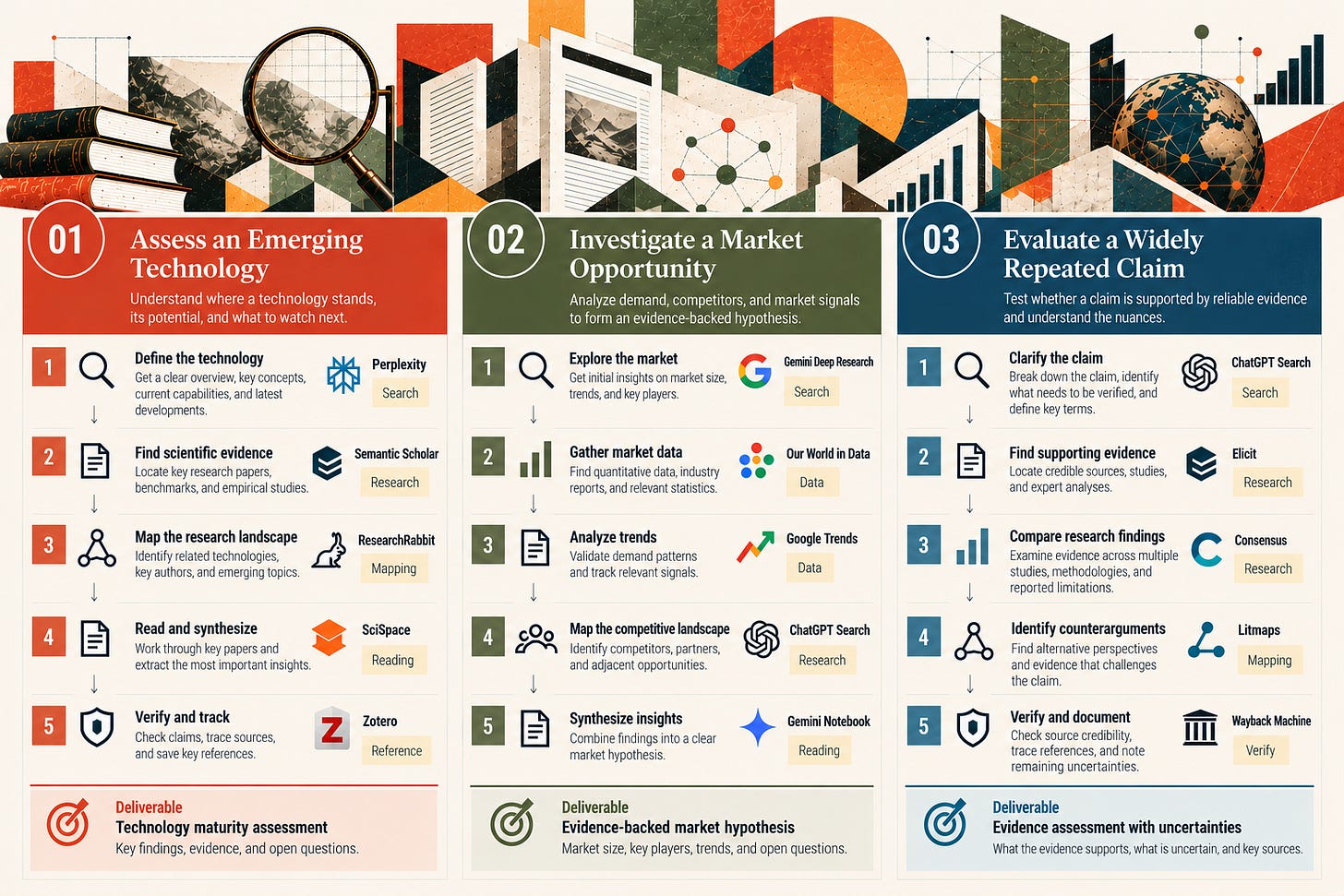
Workflow A: Research an emerging technology
Question: Is agentic AI becoming a production capability or remaining an experimental practice?
Use Perplexity for recent developments, Semantic Scholar for technical findings, Hugging Face Papers for new research, and Gemini Notebook to compare selected industry reports.
Check whether sources distinguish pilots from production deployments. Preserve deployment definitions and sample sizes rather than comparing headline adoption percentages without context.
Deliverable: A one-page technology maturity assessment with evidence, uncertainties, and monitoring indicators.
Workflow B: Investigate a market opportunity
Question: Is demand for AI research services increasing among independent professionals?
Start with Google Trends to examine search-interest patterns. Use ChatGPT Search to identify customer segments and competitors, then review relevant economic or business indicators and primary market evidence.
Build a source collection and distinguish observable demand signals from assumptions about willingness to pay.
Deliverable: A market hypothesis with supporting evidence, competing explanations, and three tests to run next.
Workflow C: Evaluate a widely repeated claim
Question: Does AI reliably save time for knowledge workers?
Start with Consensus and Elicit to identify relevant research. Use Semantic Scholar to locate original studies and ResearchRabbit to expand the evidence set.
Compare task types, experimental designs, participant experience, time savings, and verification costs. Examine whether apparently conflicting results come from measuring different outcomes.
Deliverable: An evidence assessment stating where the claim holds, where it remains uncertain, and which conditions change the answer.
A reusable AI research prompt
The following prompt works well as a starting framework for a web-enabled AI research assistant. It does not guarantee a complete or correct investigation, but it encourages a more disciplined evidence trail.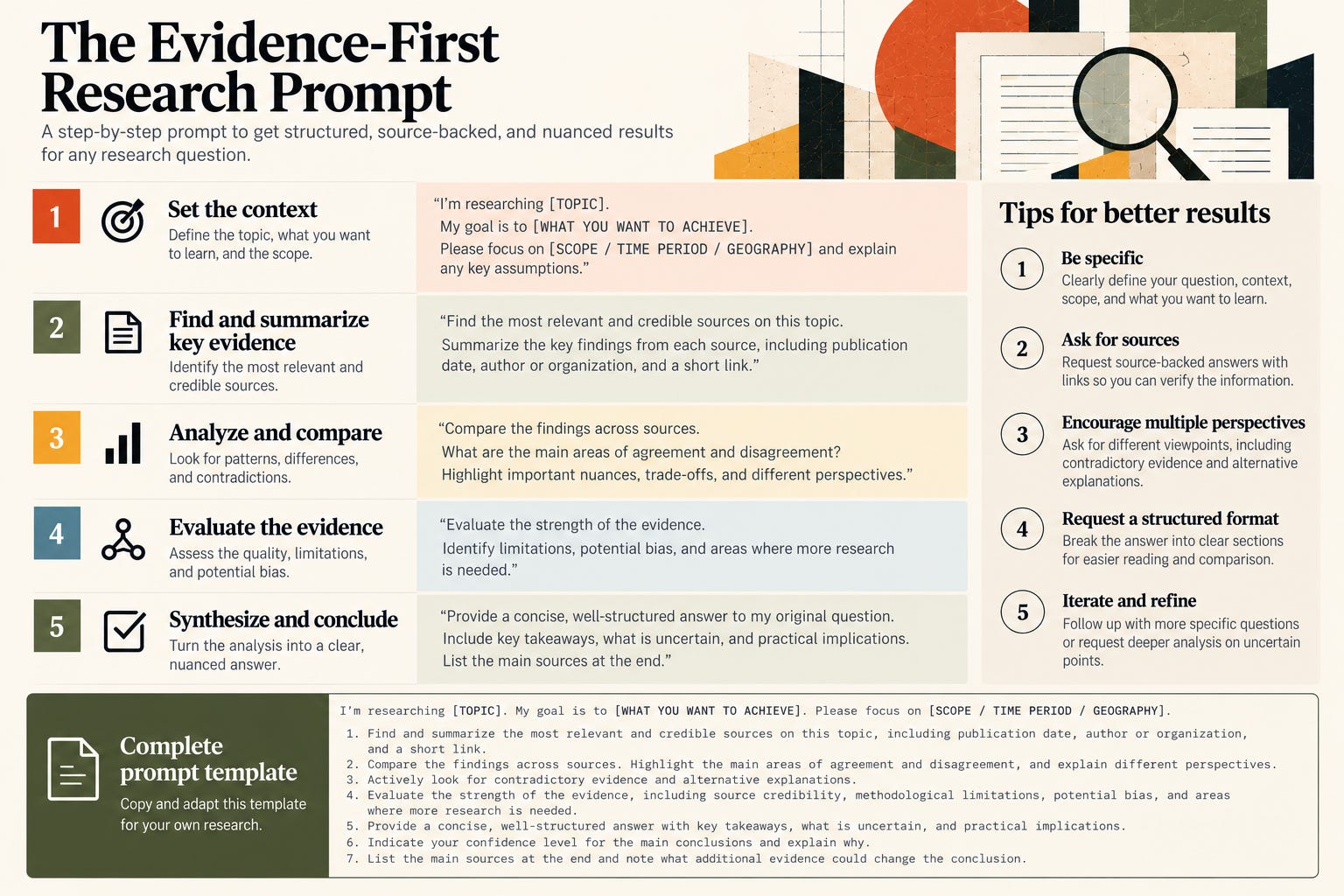
Act as an evidence-focused research analyst.
Research this question: [INSERT QUESTION]
-
Define the question precisely. Identify its scope, important terms, and assumptions.
-
Decompose it into five researchable subquestions.
-
Identify relevant primary sources, empirical studies, official records, and credible secondary analyses.
-
For each major finding, distinguish directly supported evidence from interpretation or inference.
-
Search for contradictory evidence and alternative explanations.
-
Identify limitations involving recency, sample size, methods, source quality, and missing information.
-
Synthesize the findings into a structured conclusion with links to the original sources.
-
Assign each conclusion a confidence assessment and explain the basis for that assessment.
-
List what remains unknown and what additional evidence would materially change the conclusion.
Do not invent references. State explicitly when evidence is unavailable or cannot be verified. A source link is a starting point for verification, not proof that the source supports the claim.
The research quality test
Before using an AI-generated answer in a consequential decision, apply five checks.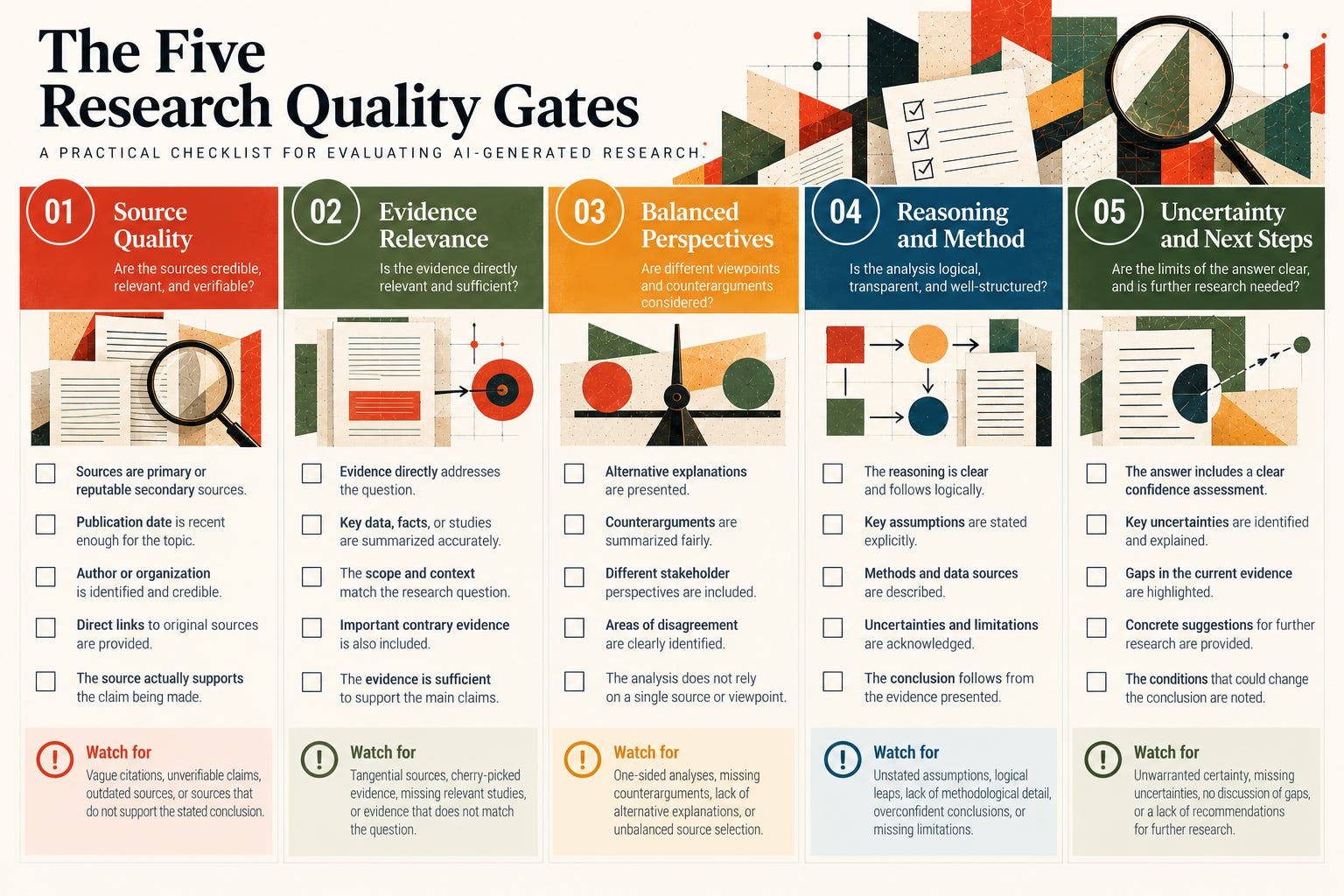
These tests reveal a subtle weakness in automated research: fluent answers can make the underlying information appear more consistent than it actually is.
A reliable research system must retain disagreement, ambiguity, and uncertainty where the evidence warrants them.
Which tools should you start with?
For general business and technology research, start with ChatGPT Search or Perplexity, then use Gemini Notebook to analyze selected sources.
For academic research, begin with Semantic Scholar, Consensus, and ResearchRabbit.
For market and industry research, combine a web research assistant with Google Trends, open datasets, and primary company or industry sources.
For technical research, use Hugging Face Papers, Ai2 Asta, and relevant academic discovery platforms.
For document-heavy research, use Gemini Notebook or a dedicated paper-reading tool, then maintain the underlying references in Zotero.
There is little value in adding another tool unless it improves a specific stage of the investigation.
The next frontier: research as a maintained system
Most research still operates as a sequence of disposable searches. A question is asked, an answer is generated, and the investigation disappears into a conversation history or document.
A stronger approach preserves the state of the investigation: the original question, the evidence collected, assumptions made, competing interpretations, unresolved gaps, and conditions that would trigger a reassessment.
This creates an opportunity for AI-assisted research to evolve beyond faster retrieval toward continuously maintained knowledge.
The tools already exist to assemble much of that architecture. The harder work is establishing standards for how information enters the system, how conclusions are supported, and when those conclusions should change.
The purpose of a research stack is to make knowledge easier to inspect, challenge, update, and reuse.
That is what turns a collection of answers into a durable intellectual asset.
About this collection
The AI Research Stack is part of The Strategy Stack, a collection of practical resources, frameworks, and operating systems for strategy, technology, and AI.
Explore more guides and curated resources at The Strategy Stack.
Last reviewed: October 2026. Free plans, product names, usage limits, and features can change. Some services require registration, and free access does not necessarily include their advanced AI capabilities.
Subscribe to The Strategy Stack for practical frameworks and curated resources on AI, business strategy, and emerging technologies.