Applying the experimental mindset behind Hacking Growth to a new challenge: staying mentally and physically sharp as we age
By Sean Ellis
Published: 2026-11-12
URL: https://seanellis.substack.com/p/what-else-can-we-hack-besides-growth
I’ve spent most of my career helping early-stage startups grow by applying a systematic process of experimentation. This is really how I am wired, so it’s not surprising that I’d lean on the process in my life outside of growth. Some of it has been fun, like taking a “Moneyball” approach to youth soccer coaching where I helped take my daughter’s team from last place to winning three regions despite my own limited soccer experience. But I’ve also applied it in much more serious situations.
Experimenting with my blood pressure
For example, a few years ago I used the process to understand a shockingly high blood pressure spike. I had always had good blood pressure but one day at a routine doctor’s appointment they took my blood pressure and it was a dangerously high 170/130. Initially they thought it must be a mistake, but they kept coming up with similarly high numbers when they retook it. They debated between sending me to the hospital or just starting me on blood pressure medication.
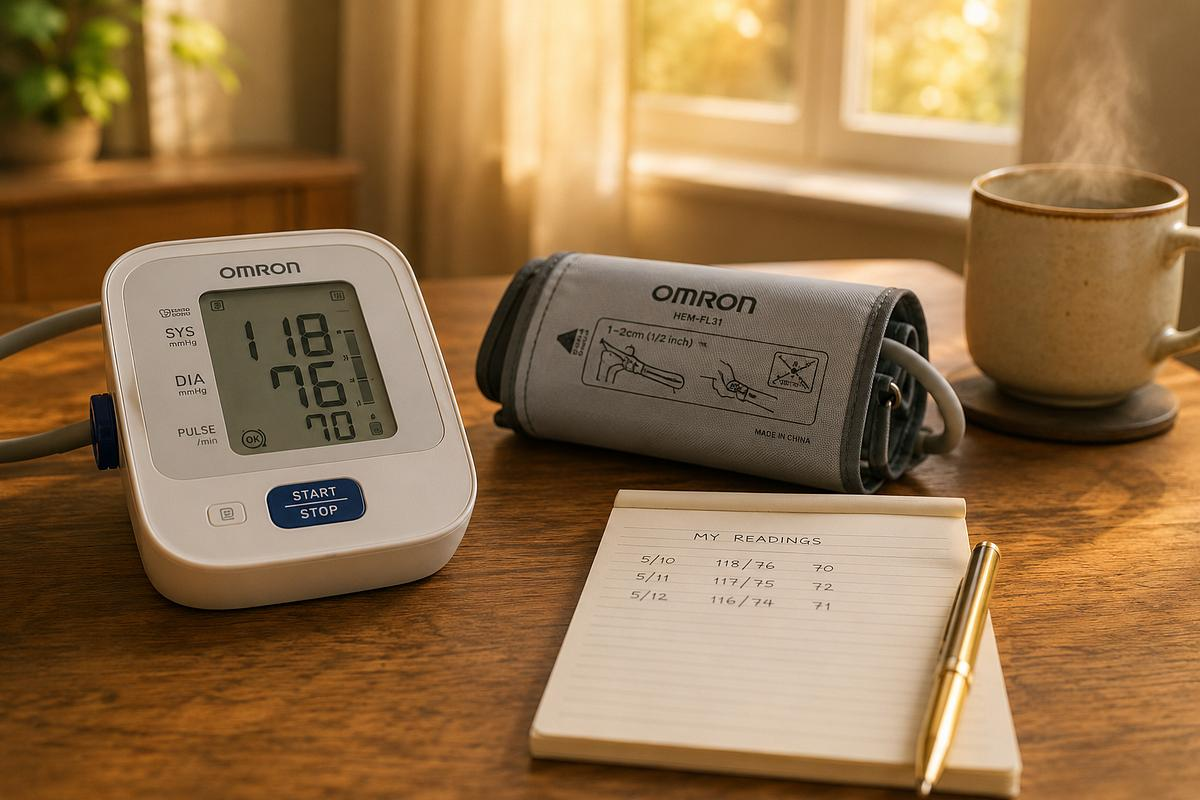
I didn’t want to become dependent on blood pressure medication so I asked the doctor to give me 30 days to figure it out on my own. I immediately got to work researching everything I could about what causes high blood pressure and ways to potentially decrease it. A few days later I returned to the doctor with a spreadsheet of everything I planned to do on a daily basis. It was a daily checklist. I'd measure my blood pressure after activities like exercising or meditating to see what made a difference. The doctor thought I was a bit crazy and said I’d never be able to follow through with it. I said that it is similar to what I do for my job and I’m disciplined, so we agreed to meet in 30 days for another appointment.
After a week or two my blood pressure made some small improvements. I was losing weight, cutting sodium and alcohol in addition to several other tactics. But I noticed that the thing that really seemed to help was meditation. So I began experimenting with different types of meditations. Then one day I found a specific meditation that dropped it almost to normal.
It was a gratitude meditation.
So like any good growth practitioner, I began trying to figure out why it worked. It turned out that the key cause of my high blood pressure was a very high stress level based on worries about my daughters. This was during the pandemic, which made both of their situations particularly stressful. One of them had recently been diagnosed with a chronic medical condition that made her immune compromised. The other was struggling in her first year at college with a very strict isolation protocol from her rowing coach. I was trying to offload their stress onto me. I would typically speak to each of them for several hours every week and began to dread the calls because I knew I would get even more stressed.
The gratitude meditation helped me reframe my mind so that instead of resentment I realized how lucky I was that I had a relationship with my college age daughters where they wanted to talk to me and trusted me with their fears. That reframing completely lifted my stress. I just took my blood pressure today and it is now a healthy 117/76.
The conversation with my father’s neurologist
Another doctor’s appointment set me on a different journey, but one that would also benefit from the same experimental approach. It was my father’s. We were seeing a leading neurologist who specializes in aging brain health. My father had been seeing signs of dementia for a few years but he was hesitant to visit a doctor for it. He feared losing his driver’s license and his independence. When she began the evaluation it quickly became clear that he had early Alzheimer’s. This was a sad moment for all of us, particularly when the doctor said that she wished she had seen my father sooner. There are many interventions they can do now that would have likely significantly reduced his rate of decline. So I asked the doctor where would have been a good time for her to have seen my father and her answer shocked me: “30 years ago!” In other words, at my age. I asked what she would have done and she went on to explain how much lifestyle has an effect on aging brain health. She said that Alzheimer’s is often preventable like type 2 diabetes, and that some medical professionals even suggest it could be viewed as type 3 diabetes. There is a lot of conflicting information and I’m paraphrasing from memory so I wouldn’t consider these statements as conclusive.
The good news is that many of the lifestyle changes she recommended for my father did seem to slow his decline. But the suggestion that he should have made the changes 30 years ago really stuck with me.
Applying the growth process to healthy aging
Since that time I’ve dug much deeper into the science (like I did with the blood pressure). I shared an Instagram post last year that explained how I was able to significantly reduce my weight and cut my visceral fat by 53%. I also cut my LDL cholesterol in half. While I’m optimistic about the long term brain benefits of these changes, I’m also grateful for the immediate health benefits of increased energy and focus. But it’s not always easy to eat right and exercise, even though I know I should.
What’s next
I’ve started a new Substack called Staying Sharp with Sean Ellis to document my healthy lifestyle journey and connect with others interested in this topic. We’ll explore emerging science around maintaining brain health and share experiments with the systems that help us build and stick with healthy habits.
While my research suggests that lifestyle changes in our 30s and 40s can have a meaningful impact on long-term brain health, I think this becomes a much bigger priority for people in their 50s and 60s, particularly those who have witnessed cognitive decline in their own parents.
If you’re interested, I’d love for you to subscribe to Staying Sharp with Sean Ellis. It’s free.
And don’t worry. I plan to continue writing about my growth work here.
Do you have a friend, mentor or family member who would be interested in the lifestyle changes that can help us stay sharp as we age? Please share this post with them.
Growth with Sean Ellis is a reader-supported publication. To receive new posts and support my work, consider becoming a free or paid subscriber.