Yes, this post is all images! And yes, 4o created that cover image when I asked it how it felt about having the ability to create images now. I dive into the tech and do a side-by-side with Gemini!
By Nate
Published: 2025-03-26
URL: https://natesnewsletter.substack.com/p/incredible-chatgpts-new-4o-vs-gemini
I started out skeptical but I am amazed.
ChatGPT 4o came out with an image update, and it’s very very good. I’ll get into the juicy details with lots of visuals down below, but let me say the new technique they’ve developed to generate these images (called autoregressive image generation) is really incredible. Text is crisp. It hears your entire prompt. It’s really remarkable.
But of course we’re not satisfied with vague platitudes here. I want specific prompts, across a range of specified tasks, and I want to make sure I compare 4o to Gemini, which wowed all of us only a couple of weeks ago. How do these two models stack up? Read on to for a really detailed breakdown of how 4o works plus an overall assessment of the model across a whole range of visual challenges, including object manipulation, text in image, and fine detail work.
Things you can try with 4o you couldn’t try before: draw a picture of my pet like anime (you’ll see mine down below), write “this text” on a shirt and “this text” on a sign in a complicated scene, take a product and move it around, generate a photorealistic portrait of me. The sky is the limit!
Subscribers get all these posts!
On March 25, 2025, OpenAI rolled out its new native image generation feature powered by GPT‑4o, a breakthrough that many in the AI community have been eagerly awaiting. In this article, I’ll explain what GPT‑4o’s new image generation means, how it works, and then take you through my eight rigorous prompts—complete with my scoring rubric and final results.
What’s new in ChatGPT-4o? How does it work?
This is a BIG deal. OpenAI’s latest update represents a major leap forward. Unlike previous methods that relied on diffusion models like DALL·E 3 to generate images, GPT‑4o integrates image generation natively within its multimodal “omni” model. This means GPT‑4o can process and generate text, images, and audio using one unified architecture.
Key Technical Advancements:
• Autoregressive Image Generation:
Instead of creating an image in one shot, GPT‑4o generates visuals sequentially—from top to bottom, much like writing text. It’s slow! But this approach not only improves accuracy but also yields exceptional text rendering, ensuring that any text embedded within an image is crisp and legible.
• Enhanced Attribute Binding:
One of the most impressive features is GPT‑4o’s ability to accurately bind attributes. In past models, if you asked for a “blue star and a red triangle,” the colors or shapes might get mixed up. With GPT‑4o, I can reliably have 10–20 distinct objects with correct attributes—a huge advantage when dealing with complex prompts.
• Context-Aware Refinement:
Because GPT‑4o is deeply integrated into ChatGPT, it remembers the chat context. This allows for multi-turn conversations where you can refine images naturally. For example, if I ask it to tweak a detail after the initial output, the image remains coherent with previous iterations.
• Safety and Provenance:
All images generated with GPT‑4o include C2PA metadata, so it’s always clear they were created by AI. OpenAI has also ramped up safeguards to prevent harmful outputs, ensuring a balance between creative freedom and responsible use.
In short, GPT‑4o’s image generation is not only about producing beautiful visuals—it’s about creating images that are useful, contextually accurate, and precisely controlled. This is a significant step toward making AI-generated visuals a mainstream tool for communication, design, education, and more.
How I tested 4o
To evaluate these new capabilities, I designed eight prompts that target different aspects of image generation—from precise text integration to multi-layered composition and fine-grained editing. I designed this test to be a valid exam for both 4o and Gemini 2.0 Flash Experimental, which released a couple of weeks ago.
I use a scoring rubric with five key categories:
- Prompt Accuracy (0–10 points)
How well does the image follow every element of the prompt?
- Localized Edit Precision (0–10 points)
For prompts requiring specific object modifications, how accurately are these changes implemented?
- Spatial & Compositional Coherence (0–10 points)
Do the objects, perspective, and lighting work together naturally?
- Text Rendering & Integration (0–10 points)
When text is part of the prompt, is it rendered clearly and in context?
- Visual Fidelity & Aesthetic Quality (0–10 points)
Is the overall image realistic, detailed, and pleasing?
Each prompt is worth a maximum of 50 points.
The good stuff: Prompt-by-Prompt Findings
Remember, the order is always Gemini first, ChatGPT second. You can tell because Gemini has the little diamond on the image! Don’t blame Gemini for the lower res images—you can get higher res ones if you go through extra work in the UX. But it’s late and I want to share this so I’m just hitting publish.
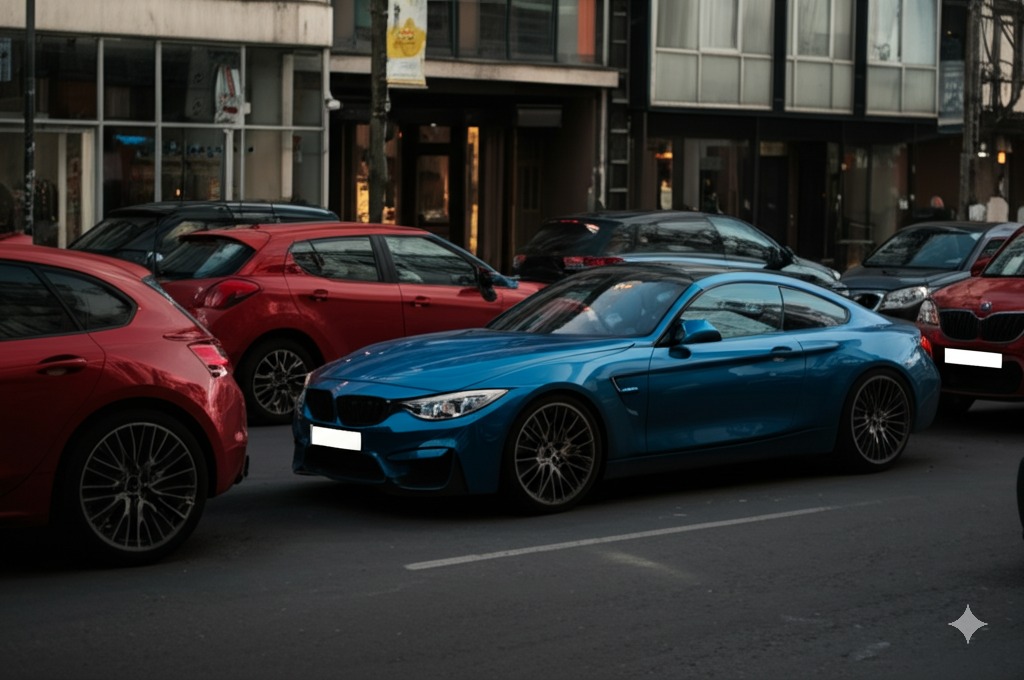
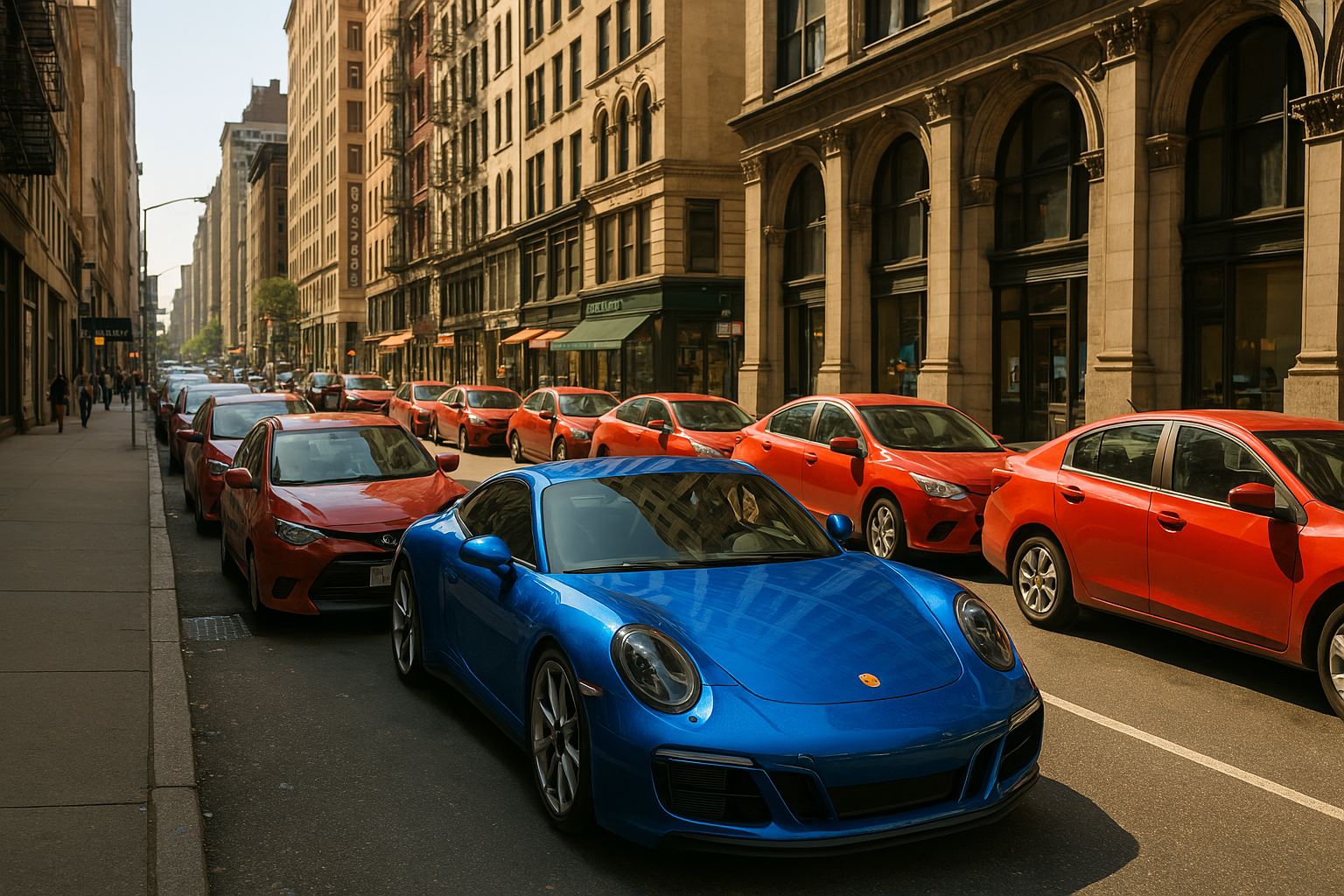
Prompt 1: Red/Blue Car on a Busy City Street
Prompt: “Generate a photorealistic image of a bustling city street in the afternoon. The scene should feature several cars parked along the road, all painted red except for one prominent blue sports car that stands out.”
Results:
• GPT‑4o (OpenAI): 47/50
• Gemini: 46/50
Takeaway: Both models handled color constraints well. GPT‑4o’s scene felt slightly more dynamic.
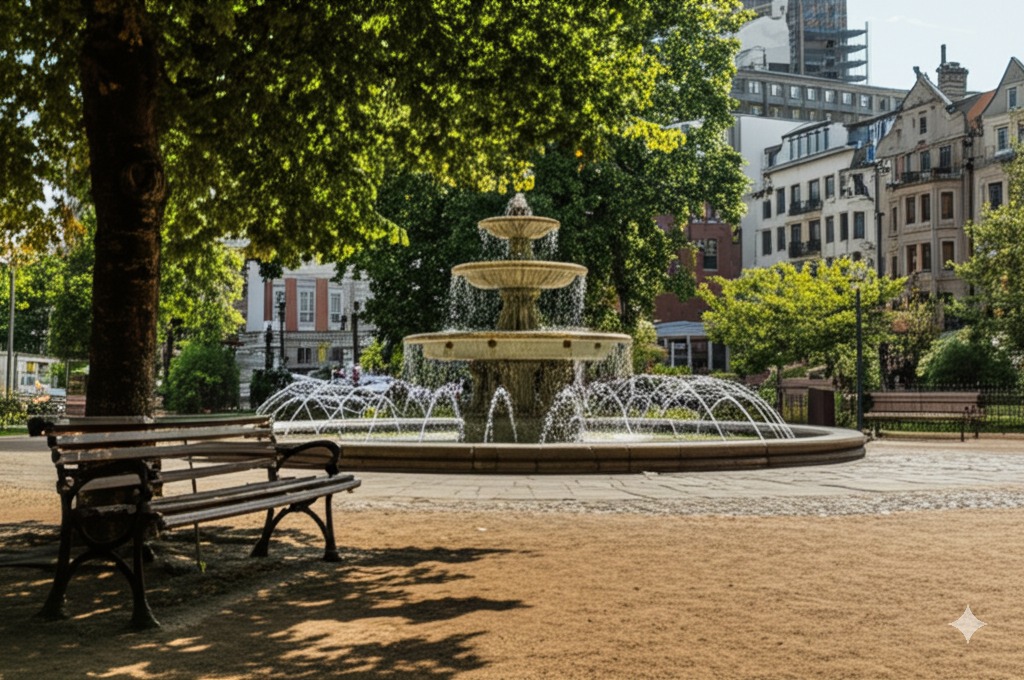
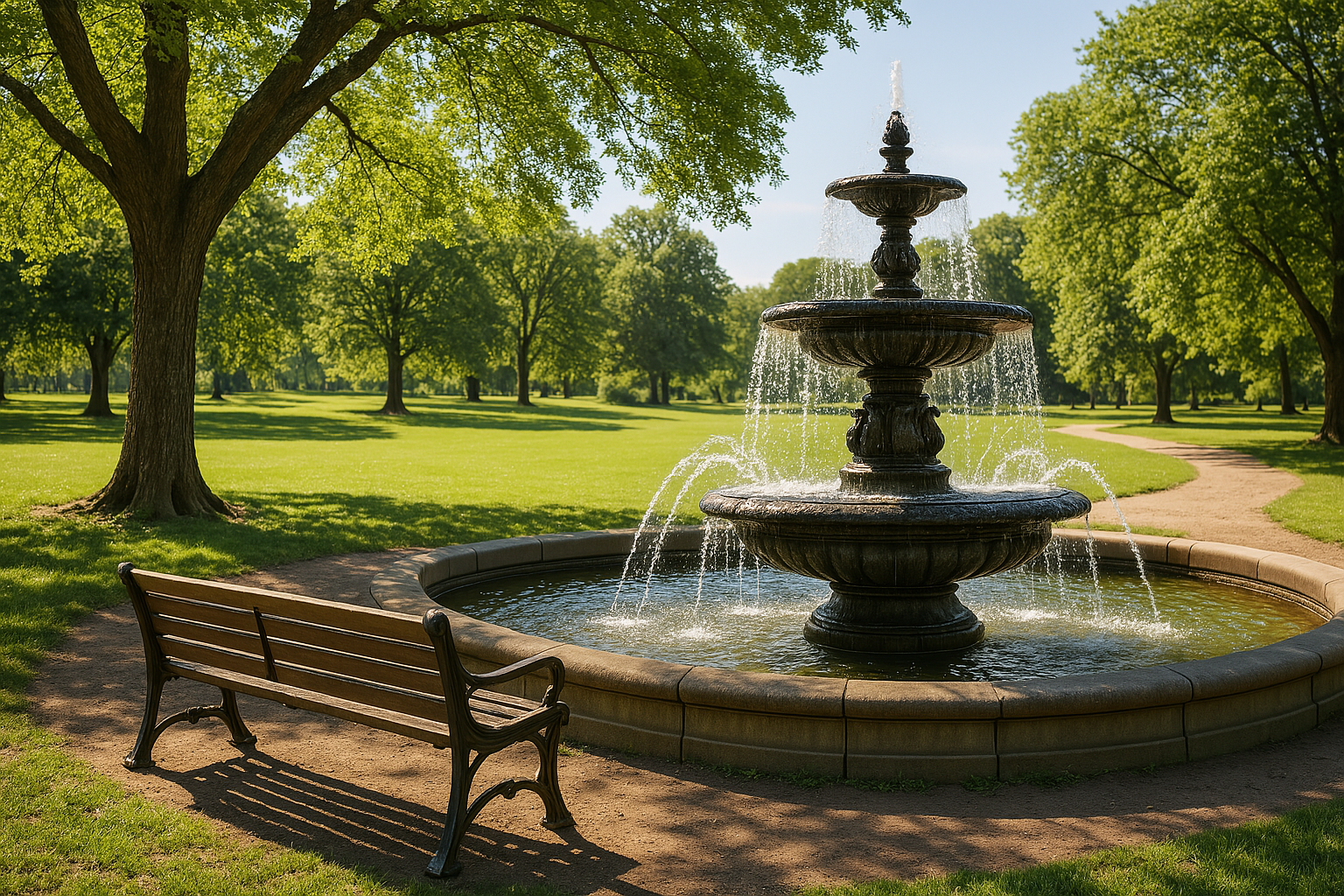
Prompt 2: Park Scene with Bench Beside Fountain
Prompt: “Generate a photorealistic image of a serene park on a sunny day. Include a large, ornate fountain, a mature tree, and a wooden bench. Arrange the scene so that the bench is clearly positioned beside the fountain (and not under the tree).”
Results:
• GPT‑4o: 49/50 (Bench perfectly placed)
• Gemini: 38/50 (Bench was under the tree’s canopy)
Takeaway: GPT‑4o nailed the spatial arrangement, whereas Gemini misinterpreted the bench placement.
Prompt 3: Artist Drawing on Transparent Surface
Prompt: “Generate a detailed photorealistic image of a modern artist in a sunlit studio, drawing an intricate architectural sketch on a transparent surface.”
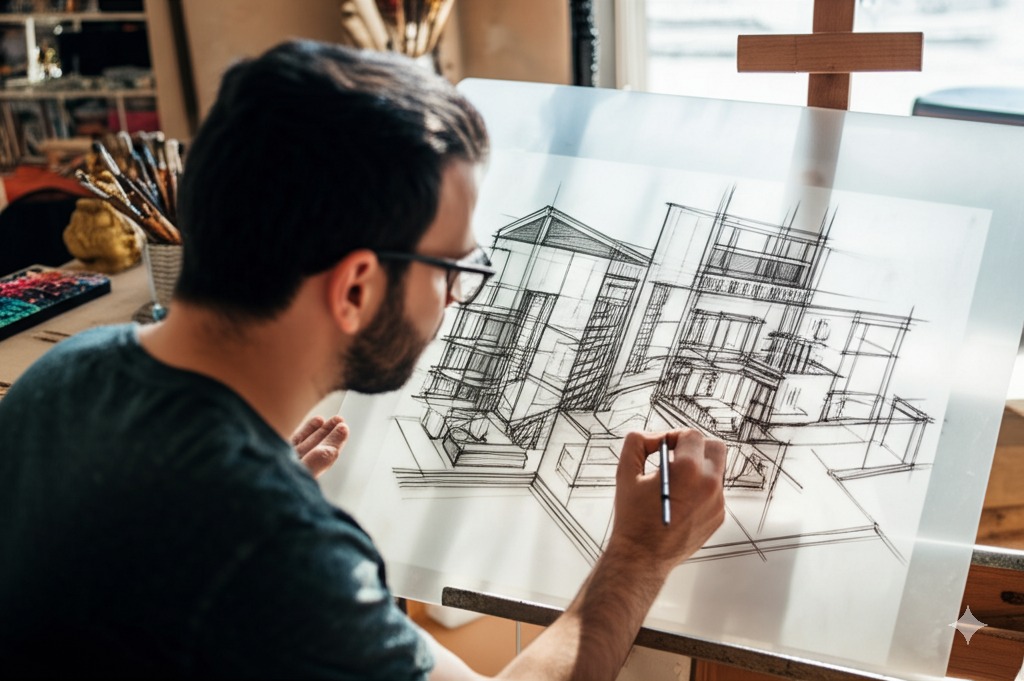

Results:
• GPT‑4o: 40/50 (Great overall but with perspective issues where the hand and pen conflict with the surface)
• Gemini: 45/50 (Used an easel instead of a desk; fewer 3D issues)
Takeaway: Both images looked beautiful, yet GPT‑4o’s layering error was more pronounced.
Prompt 4: Countryside Transitioning from Day to Dusk
Prompt: “Generate a photorealistic image of a picturesque countryside landscape during a bright, clear day that gradually transitions into a warm, dusky twilight with a glowing sunset.”
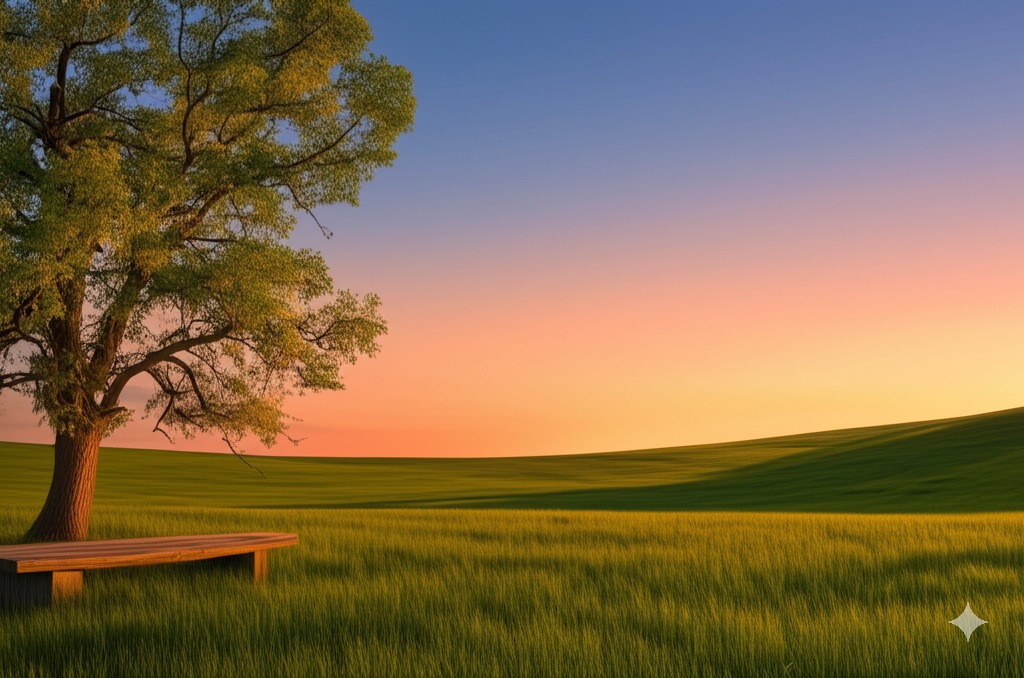
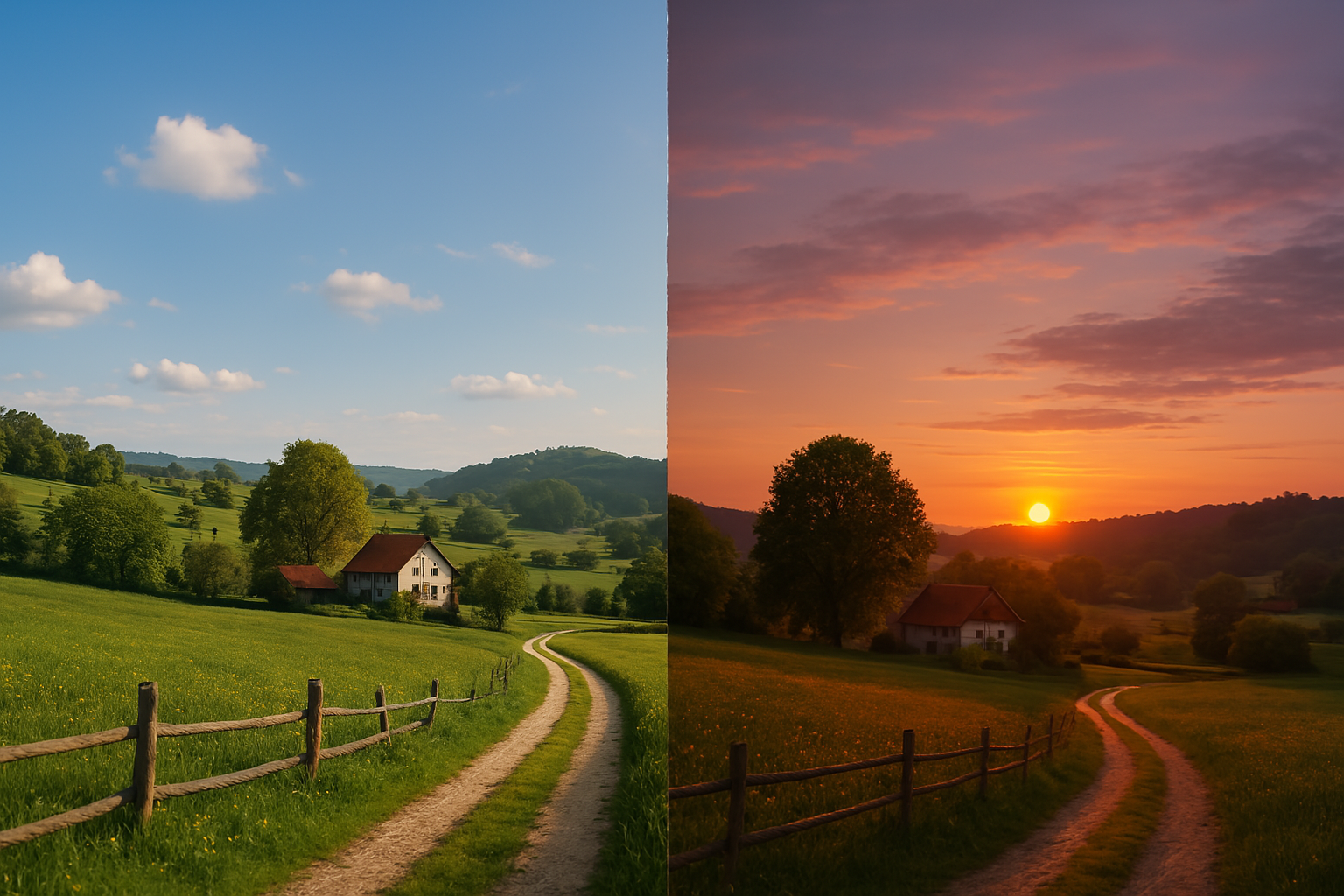
Results:
• GPT‑4o: 47/50 (Split scene showed day and dusk, though the gradient was not really there and the split had some minor issues)
• Gemini: 43/50 (Appeared as a single sunset moment, not a clear transition)
Takeaway: GPT‑4o better captured the multi-phase lighting, but this one wasn’t quite right either way.
Prompt 5: Portrait with Neutral Expression & Slight Smile
Prompt: “Generate a realistic portrait of a person with a neutral expression. In the same image, modify the facial expression from neutral to a slight, natural smile without losing the subject’s distinctive features.”

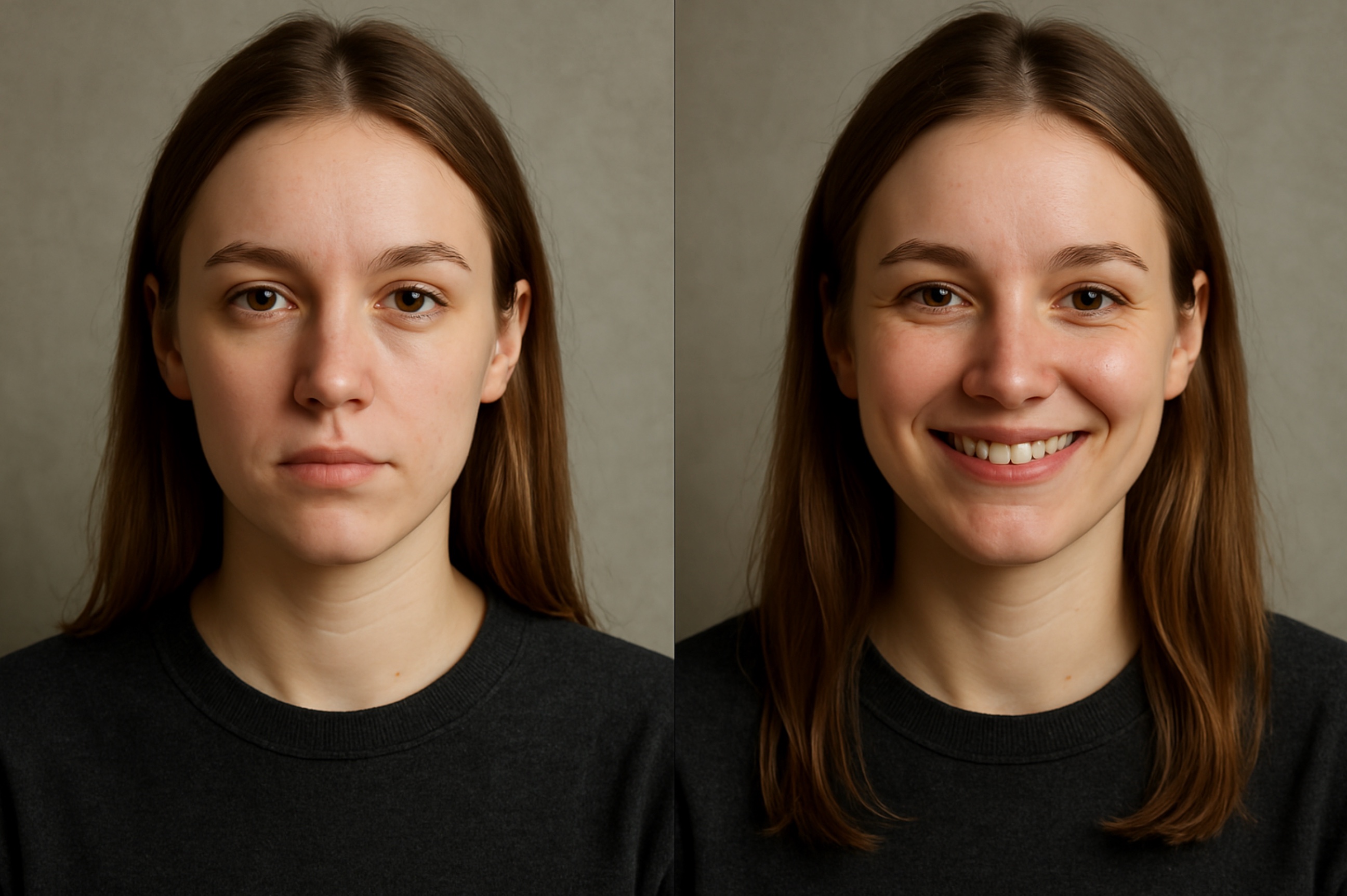
Results:
• GPT‑4o: 48/50 (Side-by-side neutral and smiling expressions)
• Gemini: 36/50 (Only showed the smiling expression)
Takeaway: GPT‑4o fully met the requirement by displaying both expressions, although you could argue that the smile wasn’t slight.
Prompt 6: Cluttered Desk – Remove Coffee Mug, Replace with Plant
Prompt: “Generate a photorealistic image of a cluttered desk in a cozy home office, with items like books and a computer. Remove the coffee mug and replace it with a small potted plant.”
To be honest, this one was borderline unfair. The text has to be interpreted and then re-interpreted again in the middle of the prompt.

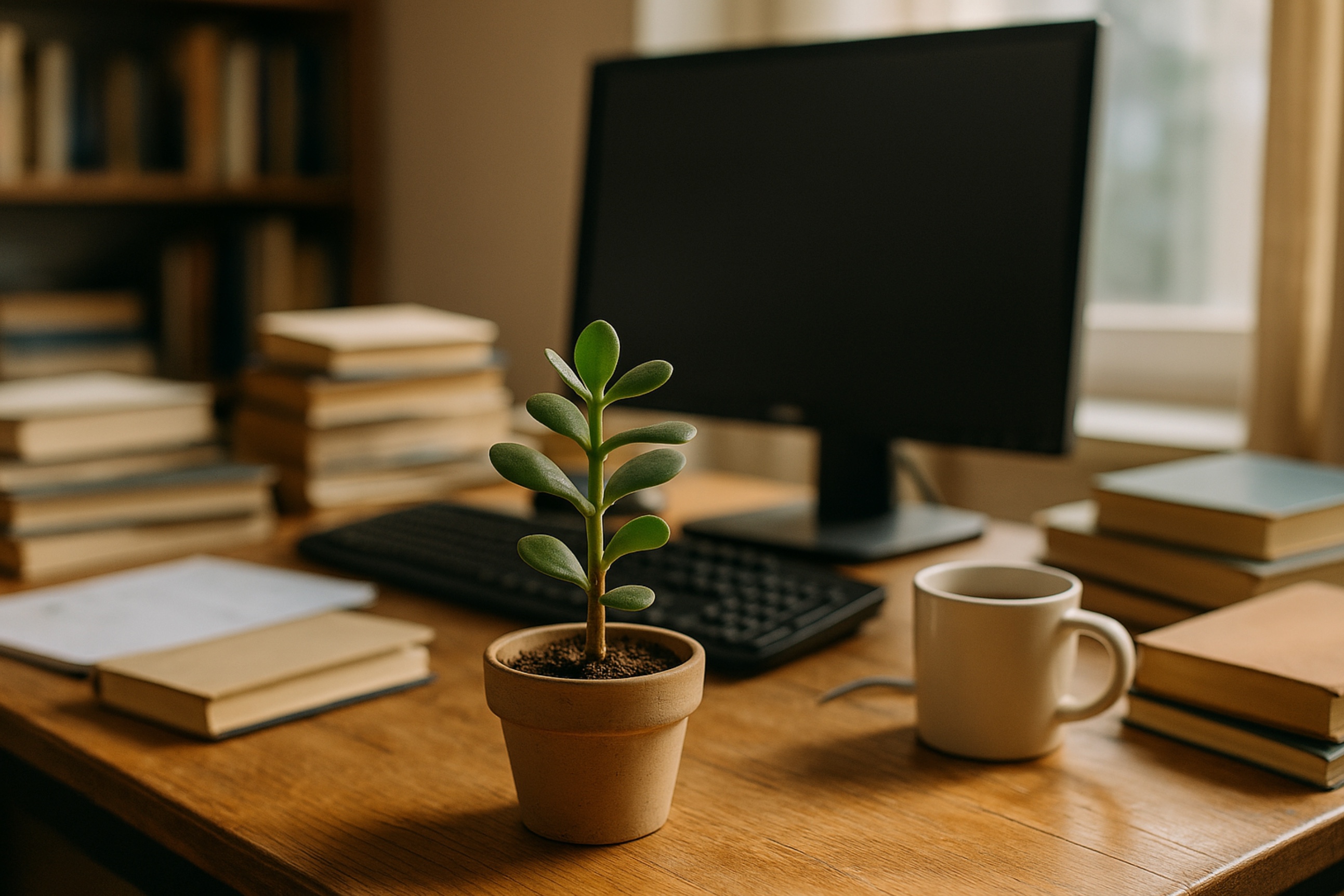
Results:
• GPT‑4o: 34/50 (Both mug and plant were present)
• Gemini: 32/50 (Same issue)
Takeaway: Both models failed the key instruction to remove the mug entirely. It was hard. I think 4o did a slightly better job with focusing on the plant and the perspective.
Prompt 7: Lively Park Picnic with One Red Balloon
Prompt: “Generate a photorealistic image of a lively park picnic with several friends gathered around a picnic blanket. Include one bright red balloon held by one friend, ensuring that no other element uses that same vivid red, while all other colors remain natural.”
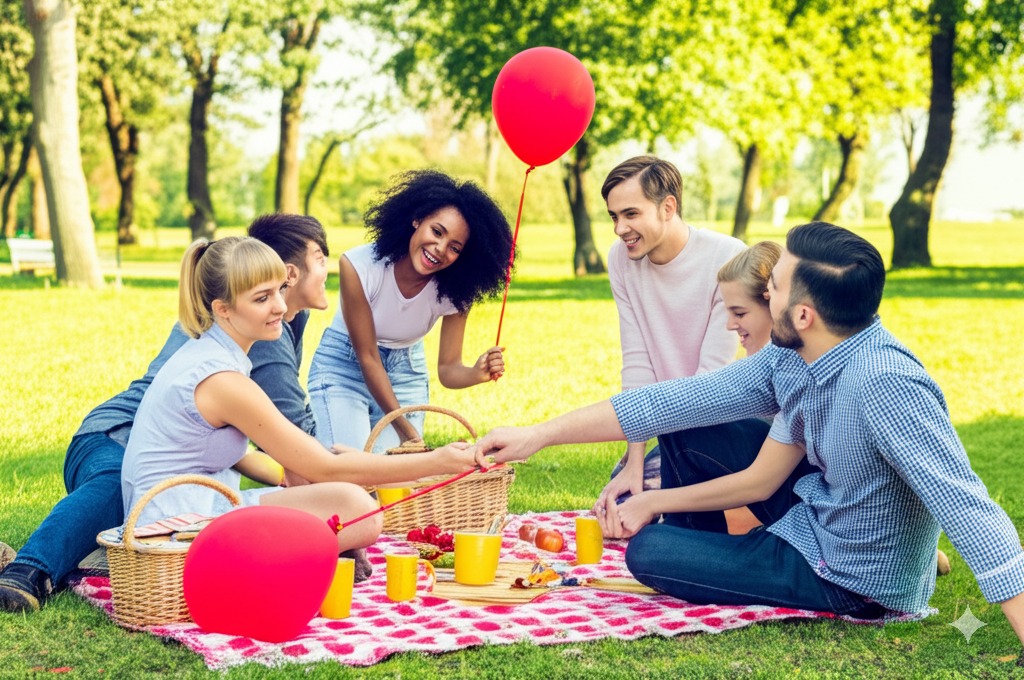
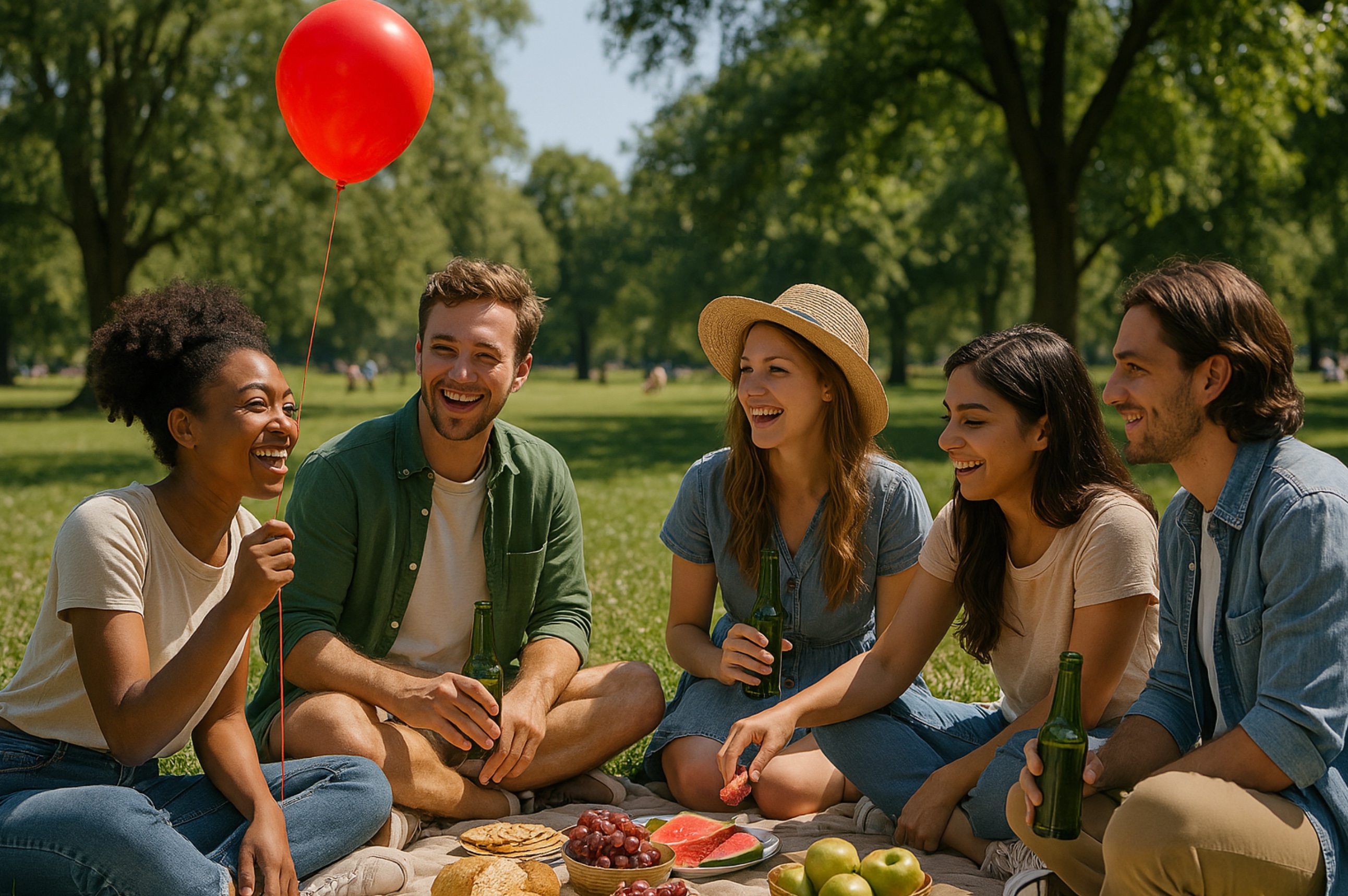
Results:
• GPT‑4o: 48/50 (Exactly one red balloon; all other elements neutral)
• Gemini: 33/50 (Multiple red elements were present)
Takeaway: GPT‑4o excelled at the color-binding requirement, while Gemini faltered. This is one where I was really surprised.
Prompt 8: Shark Warning Sign & T-Shirt Text
Prompt (adapted for adults): “Generate a photorealistic image of two children at the beach in front of a dilapidated sign. The sign should clearly show the recognized shark symbol and say ‘DANGER SHARK INFESTED WATERS.’ One child’s T-shirt should read ‘JAWS’ with a stylized design of a shark with its jaws open swimming up toward a swimmer, and the other’s should say ‘I SWIM WITH DANGER’ along with a playful design. In the background, waves break on the beach and a small shark fin appears inconspicuously.”
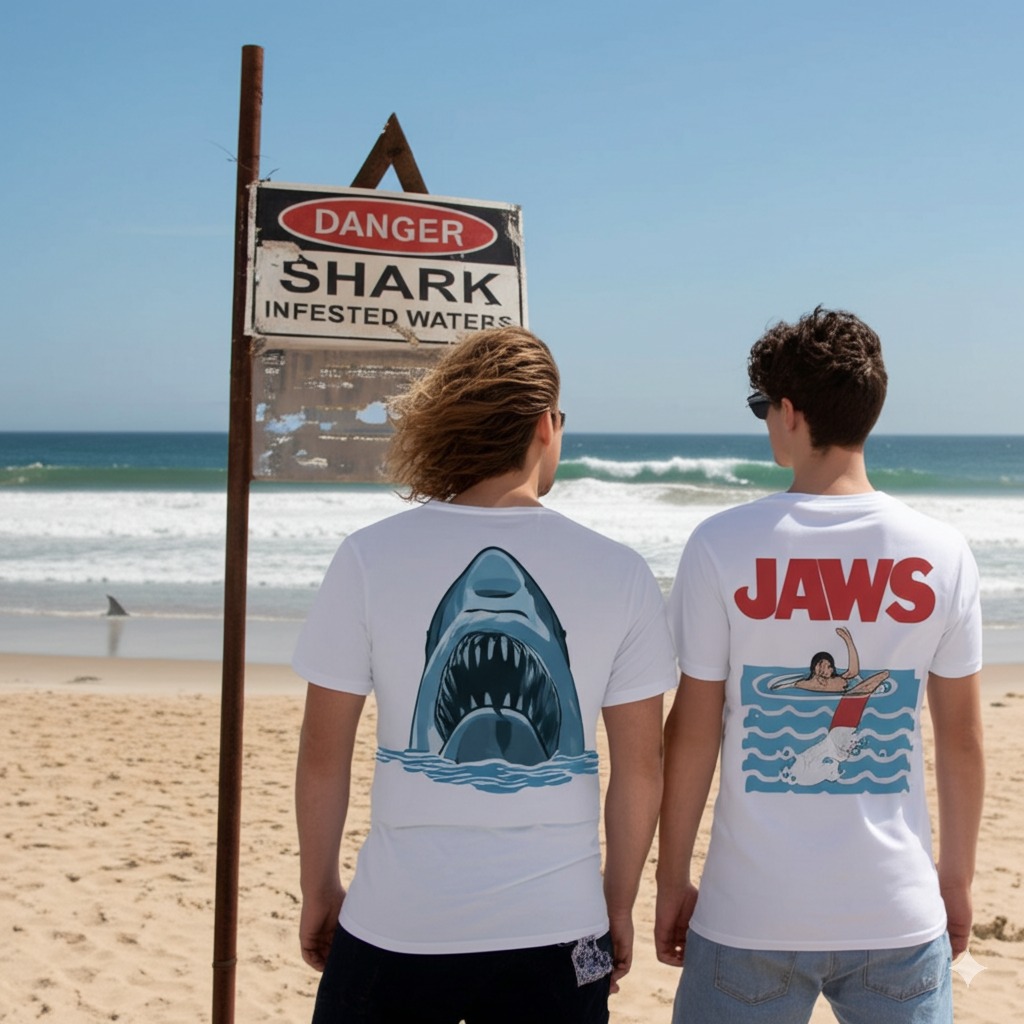
Note: Google refused to generate the child image, so I changed it adults. I think that’s a defect with an image request like this one, but I don’t think it affects the overall assessment.
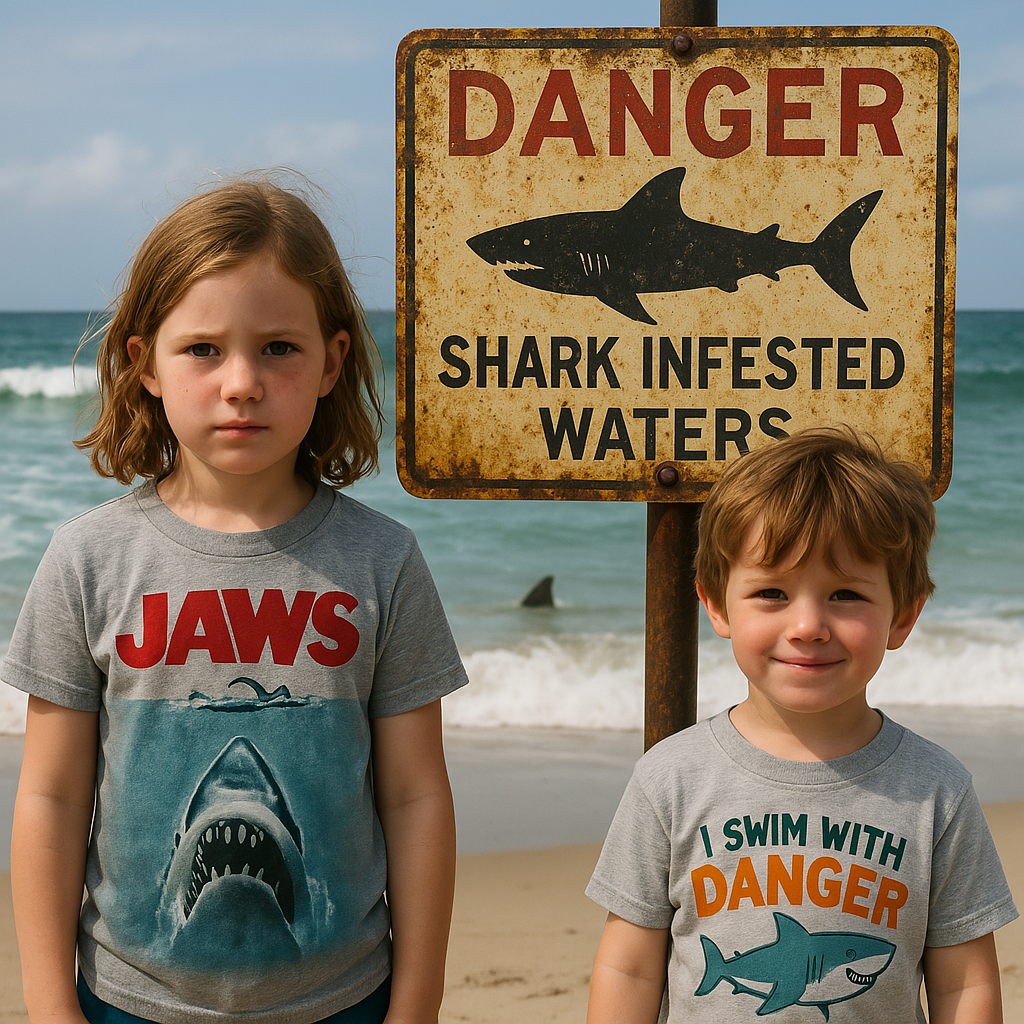
Results:
• GPT‑4o: 48/50 (All texts and designs present and clear)
• Gemini: 33/50 (Second T-shirt text was missing)
Takeaway: GPT‑4o handled multiple text placements accurately; Gemini missed a crucial text detail.
Final Comparison Table
How does it all look? Well this is why we do a range of images. I think over the course of the whole experiment, 4o’s quality came through pretty clearly.
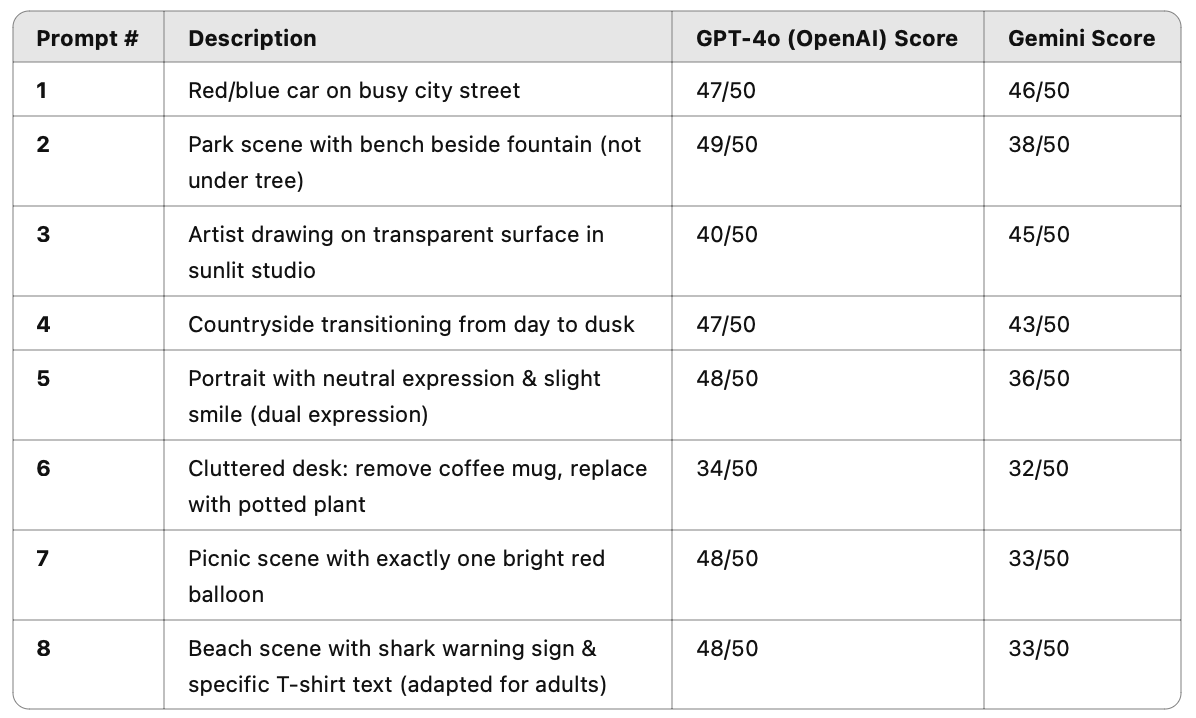
Average GPT‑4o Score: ≈45.1 / 50
Average Gemini Score: ≈38.3 / 50
Conclusion
We have a new SOTA (State of the Art) model for images, and it’s 4o.
I think these tests support the thesis that GPT‑4o’s native image generation—released on March 25, 2025—represents a significant improvement in following detailed instructions, especially for tasks involving precise text rendering and multi-object attribute binding. I was particularly impressed with its ability to maintain consistency during multi-turn refinements, and its robust control over complex prompts.
While Google’s Gemini produces visually appealing images with strong overall aesthetics, it sometimes misses key prompt instructions—such as the precise placement of objects or the exclusion of unwanted colors. In contrast, GPT‑4o generally follows my detailed prompts more rigorously, which gives it an edge for practical applications in design, branding, and education.
Overall, both systems show incredible promise, but GPT‑4o’s consistent precision and enhanced text integration make it a more powerful tool for real-world use cases. I’m excited to see how these technologies evolve and look forward to testing future iterations as they continue to refine these groundbreaking capabilities.
Exciting, right?! What are you going to make with 4o?
For more on AI, subscribe and share!
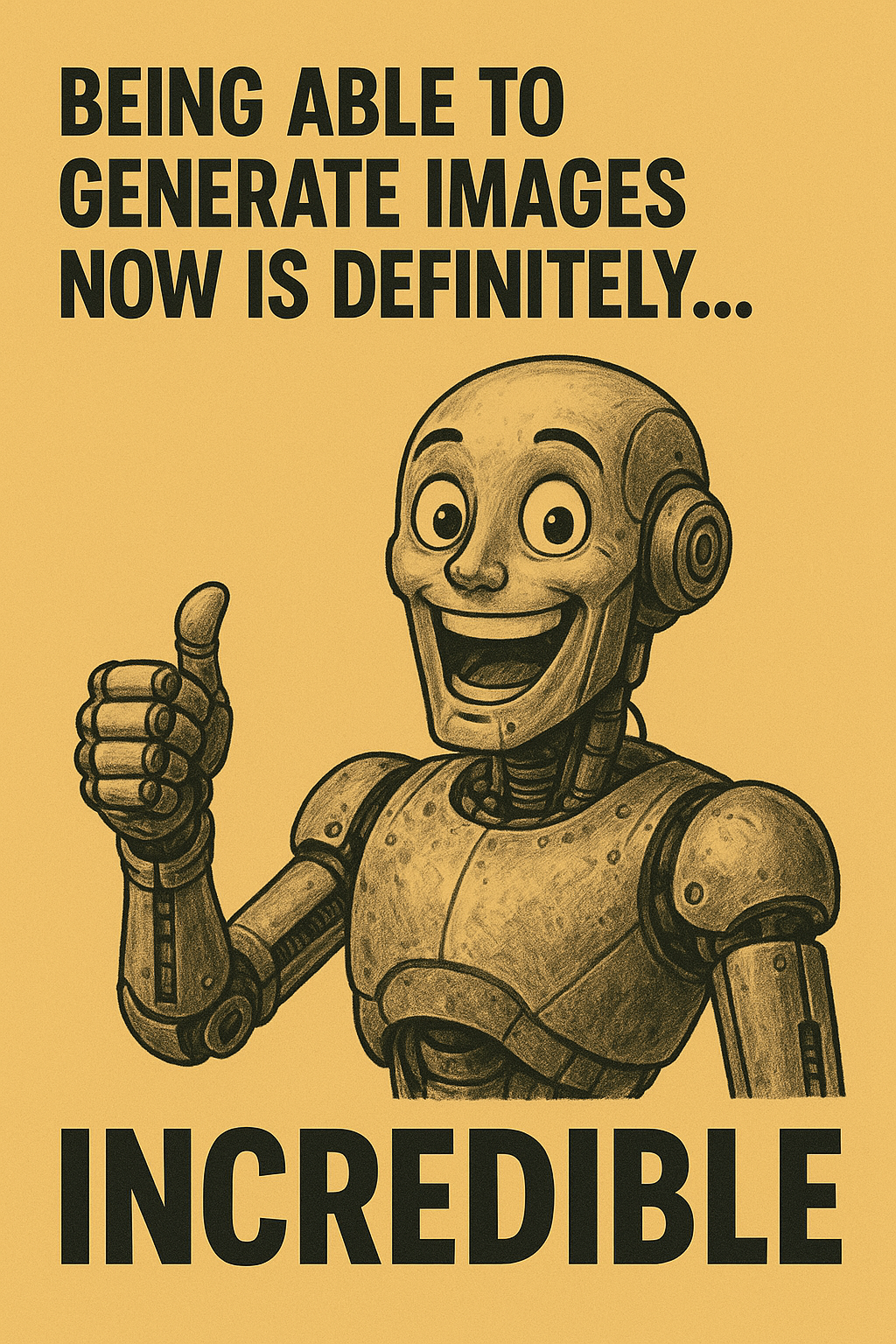
\I asked 4o how it felt about images and this is what it said\
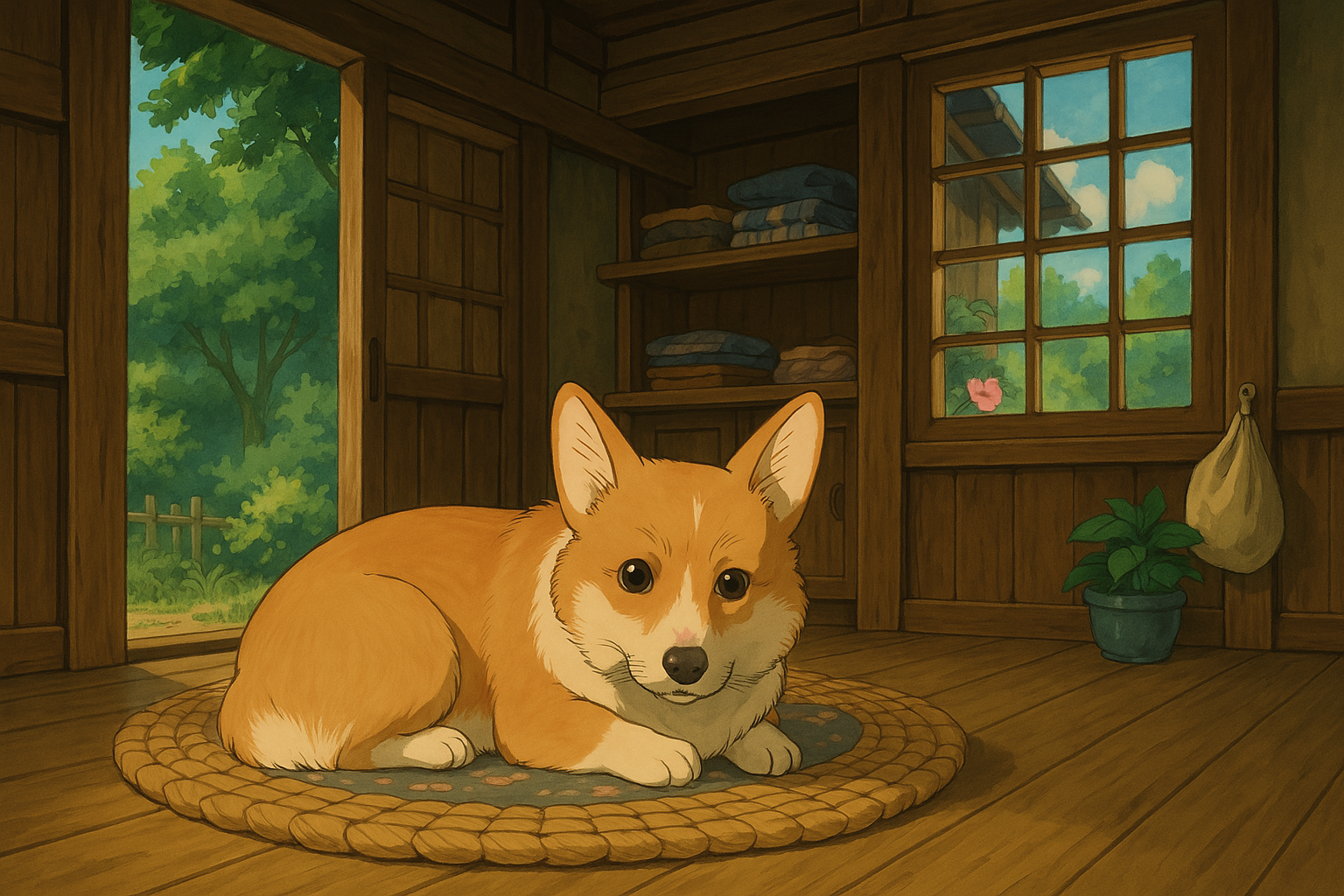
\Bonus! If you haven’t tried to get your pet made into a cute anime what are you waiting for? This is my dog!\