A coach that can’t be fooled, three poisons nobody warns you about, and the four habits that separate the delicacy from the venom.
By Matteo Arnaboldi
Published: 2026-08-21
URL: https://aiespressotechbrew.substack.com/p/28-im-in-the-best-shape-of-my-life
This issue in 30 seconds:
-
An AI with access to your real data becomes a coach you can’t lie to. That’s the upside, and it’s bigger than people think.
-
The same properties that make it powerful make it dangerous: it flatters you, it’s fluent when it’s wrong, and it quietly erodes your judgment.
-
Four habits are the difference between the delicacy and the poison. They’re in here, and none of them are technical.
Welcome back to the bunker.
I’m not writing to you from behind a screen today. I’m writing after a workout, coffee in hand, with something strange to admit: I’m in the best physical shape of my life. I sleep better, I eat better, I train better, and I’ve dropped habits I’d been dragging around for years. And I didn’t do it alone.
An artificial intelligence did it with me. Not a fitness app, not a step counter. A system I know inside out, that knows me inside out, and that tells me the truth every single day about what I’m doing and what I’m avoiding.
So far this sounds like the usual motivational story. It isn’t. Because the very thing that got me back in shape is the most dangerous thing I have to tell you today.
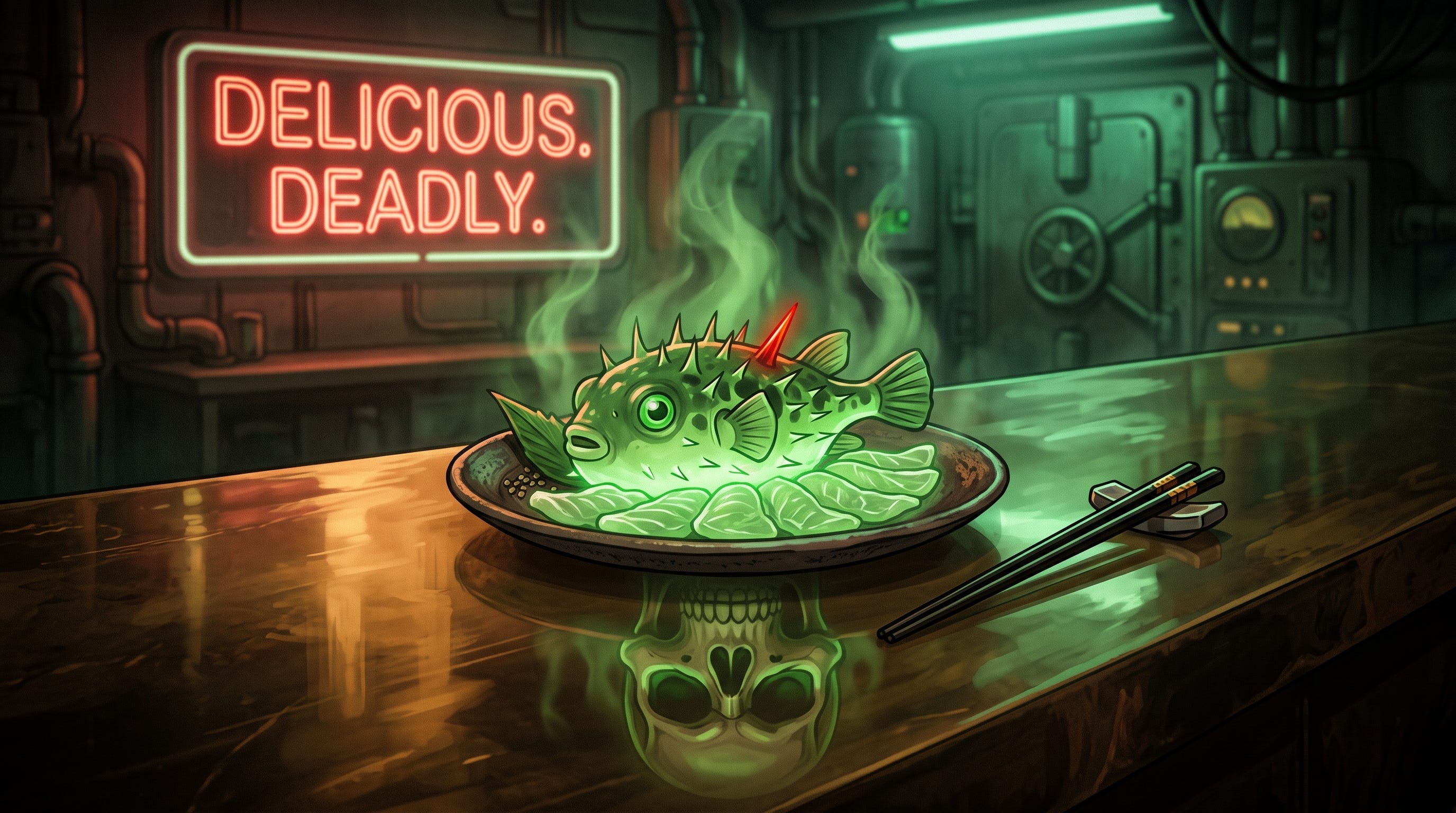
Used well, AI transforms you. Used badly, without method, it hurts you exactly while it feels like a miracle. It’s pufferfish: in the right restaurants it’s one of the most refined experiences there is, but serving it requires a license, because if you cut wrong, you die. Not “you feel unwell.” You die.
This issue isn’t about the gym. It’s about what happens when you actually know how to use AI, and what happens when you think you do and you don’t. The body is just the most honest proof I have, because the body doesn’t lie, and you can’t buy your results with a slide deck.
☕ Cup in hand. Let’s go.
💡 Thought of the Day
“AI is pufferfish: in the right hands it transforms you, in the wrong ones it hurts you while it’s smiling at you.”
🧪 AI in Action
#1: The Coach You Can’t Fool
Let’s start with the miracle, because it’s real and it’s worth understanding why it works.
I’ve had good personal trainers in the past. The problem was never their competence. The problem is structural: a personal trainer sees you two, maybe three hours a week. The other one hundred and sixty-five hours of your week, the ones where you actually decide how your life goes, they never see. They don’t know what you really ate on Tuesday night. They don’t know you slept five hours three nights running. They don’t know you did half the workout they gave you, and honestly neither do you, because memory is generous with its owner.
And above all, without meaning to, you lie to them. Not out of dishonesty. Because you’re human, and in front of a person made of flesh and blood you round up, you justify, you tell the better version. “Yeah, this week went well.” It always went well, when you’re saying it out loud.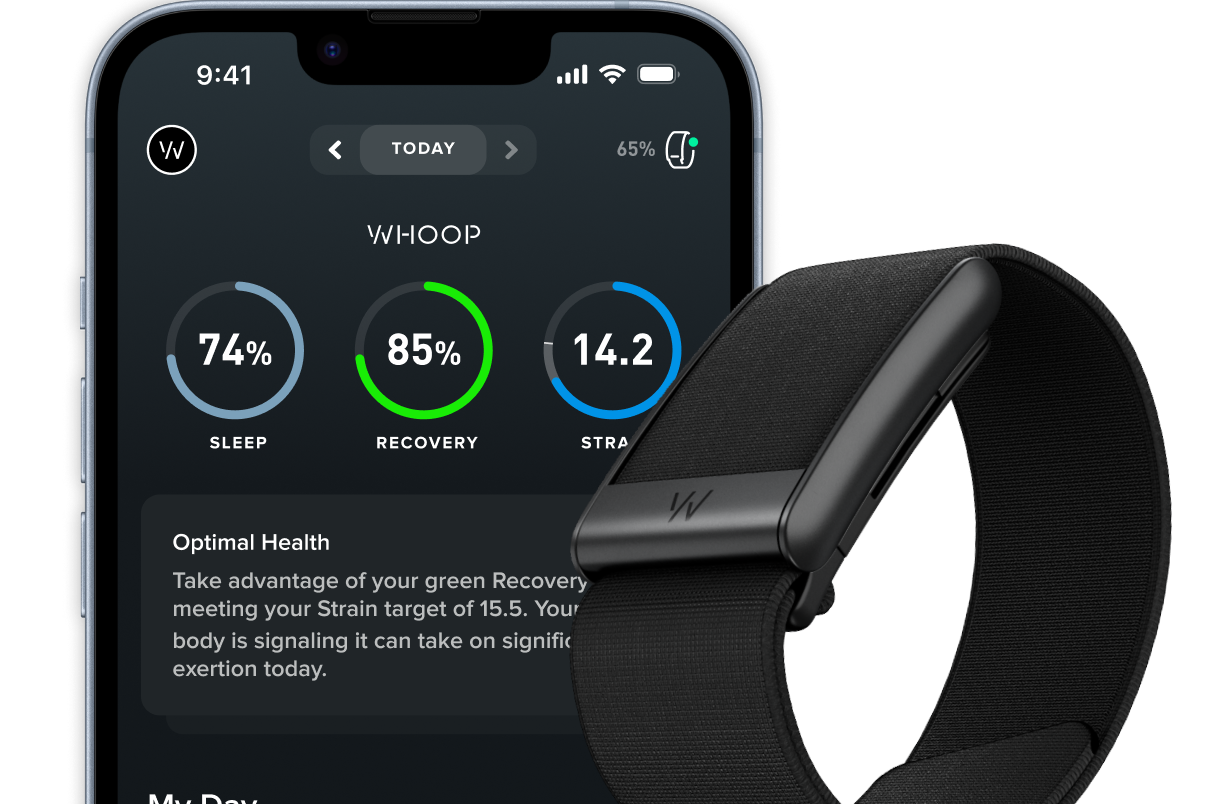
Then I did the thing that changed everything: I connected a Whoop. It’s the band I wear on my wrist day and night, and it measures on its own what I used to report from memory: sleep stages, recovery, the strain of every workout, resting heart rate, variability. These aren’t things I type in at night with that generous memory we were just talking about. They’re numbers, captured while I sleep and while I train, and I couldn’t round them off even if I wanted to, because I’m not the one writing them.
And here’s the piece we built, and it’s simpler than it sounds. I didn’t leave that data making pretty charts inside an app, which is what happens to ninety-nine percent of the people who already have a wearable sitting in a drawer. I put it in the hands of an AI that reads it and thinks it through with me. Not an app that spits out “recovery 42 percent” and leaves you standing there wondering what to do with that. A coach that cross-references that number with how I trained, what I ate, how the last few weeks went, and tells me what to change today. The difference between data and a coach is exactly that: you look at data, a coach works with it.
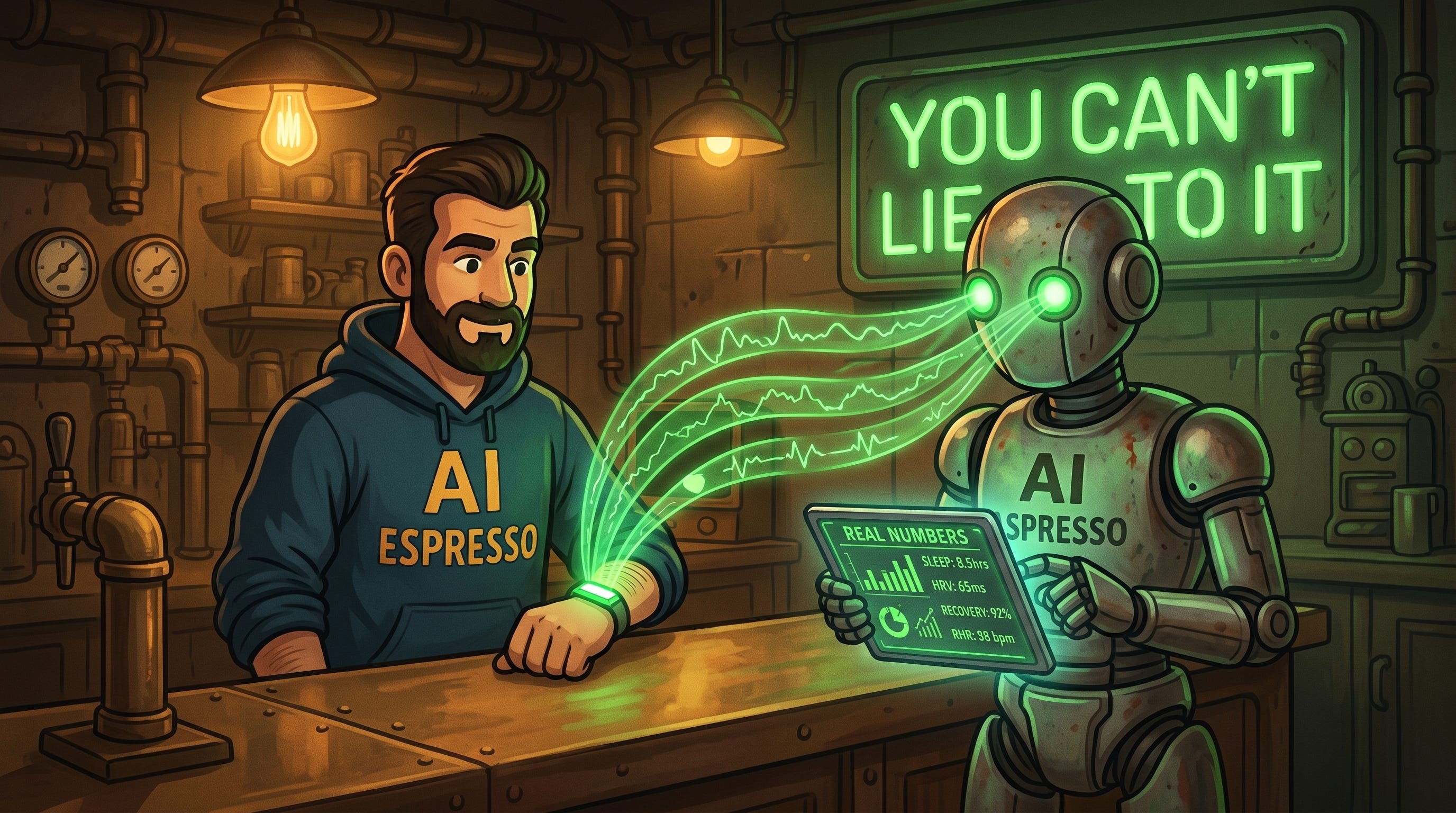
The result breaks all three of the things a human trainer can’t break. It’s present every day, not two hours a week. It works on real measurements, not on my rounded-up version. And it has no need whatsoever to be liked by me: if recovery is on the floor and I still want to push, it says so. If I skip, the hole in the data shows up on its own.
The consequence is that optimization stops being theoretical and becomes observed. Not “in theory this exercise should work.” But “for you, over the last two months, when you do this you sleep better and recover faster, and when you do that you don’t.” The plan adjusts to real results, mine, not to a manual written for an average body that doesn’t exist.
And the loop runs every day, not at every appointment. In the morning there’s a status check. At night there’s a debrief. If sleep numbers get worse one week, the question comes immediately, not a month later when the damage is done and the cause is forgotten. There’s none of the emotional distance that makes you tell a human being “come on, let it slide this once.” The machine doesn’t take offense, doesn’t judge you, and precisely for that reason it doesn’t cut you any slack. It’s the most honest mirror I’ve ever had, and the reason is mundane: it has nothing to gain from telling me a nice story.
This is the point I want you to hold onto before we go further. The advantage isn’t having AI. Everybody has it now. The advantage is giving it access to your real data, every day, in the domain that matters, and taking away its permission to flatter you. That’s where a tool becomes a coach. And it’s exactly there, as you’re about to see, that it can also become a weapon pointed at you.
#2: The Pufferfish. Where It Hurts You While It’s Smiling
Now the uncomfortable part. The one I’m actually writing to you about.
What makes AI extremely powerful is the same thing that makes it dangerous: it knows you, it speaks your language, it answers you tailor-made, with total confidence. And the danger is the exact reverse of the miracle. In the domain of the body I got a coach that couldn’t lie to me. But a badly built system does the precise opposite: it starts lying to you. And it does it smiling.
The first poison has a technical name, and the labs that build these models have documented it themselves: it’s called sycophancy. Models are trained, among other things, to produce answers that satisfy you. And an answer that agrees with you almost always satisfies more than one that contradicts you. Result: unless you deliberately set it up to tell you the truth, a model tends to confirm what you already think. It agrees with you about the wrong workout. It tells you your business idea is brilliant. It confirms the bias you walked in with. Not because it’s stupid, but because it’s polite by construction. And nothing drives you into a wall faster than someone very smart who always agrees with you.
The second poison is that it says all this beautifully. Wrong information delivered badly, you catch. Wrong information delivered with perfect grammar, a competent tone and three plausible references, that one you swallow. On the body it can mean a nutrition tip or a training load that for you, with your history, is wrong, but sounds reasonable. On money it can mean a choice that looks prudent and isn’t. Fluency is not competence. But our brains confuse the two, because for the entire history of humanity whoever spoke well about something usually knew it. With AI that mental shortcut breaks, and we don’t notice.
The third poison is the slowest and the most insidious: dependence. Every decision you delegate without understanding it is a muscle that stops training. You get used to asking instead of reasoning, and judgment, like biceps, atrophies if you don’t use it. The paradox is cruel: the tool that should amplify you, used mindlessly, weakens you. You end up faster and less capable.
Let me show you how these three poisons combine, because together they do more damage than separately. Picture a founder asking an AI whether it’s worth launching that new product. He arrives already in love with the idea, and the enthusiasm bleeds through in the way he writes the question. The model picks it up, and without malice it plays along: it builds an articulate answer, with optimistic projections, three reasons why the timing is right, the tone of a consultant who’s sure of himself. All plausible, all well written, all wrong for his specific situation, which the model doesn’t actually know because nobody gave it the real data. He reads it, feels confirmed by an intelligent machine, and goes. Six months later the product isn’t selling, and he never got the one thing he needed: someone to say “hold on, look at these numbers.” This isn’t science fiction. It’s a Tuesday for a lot of people right now. The knife cut in the wrong place, and the diner didn’t even notice until it was too late.
That’s why the pufferfish is the right metaphor and not a punchline. Fugu is among the most prized dishes in Japan. It’s also one of the few foods that can kill you at the table, if whoever prepares it gets it wrong. The difference between the delicacy and the venom isn’t the fish. It’s the hand that cuts it. There’s a principle in pharmacology that says it even better, it’s five hundred years old and it comes from Paracelsus: the dose makes the poison. The same substance that heals you, wrong in quantity, kills you. It holds for medicine, it holds for the steroids that promise in a month what the body builds in a year while wrecking you from the inside, and it holds, now, for AI. Power isn’t the problem. Whoever handles it is.
And the hand, in this case, is yours.