Cognitive science research on working memory and cognitive load reveals why feature-bloated apps fail — and how product designers can build better UX.
By Mike Watson
Published: 2026-03-31
URL: https://www.productparty.us/p/your-app-has-30-features-your-users
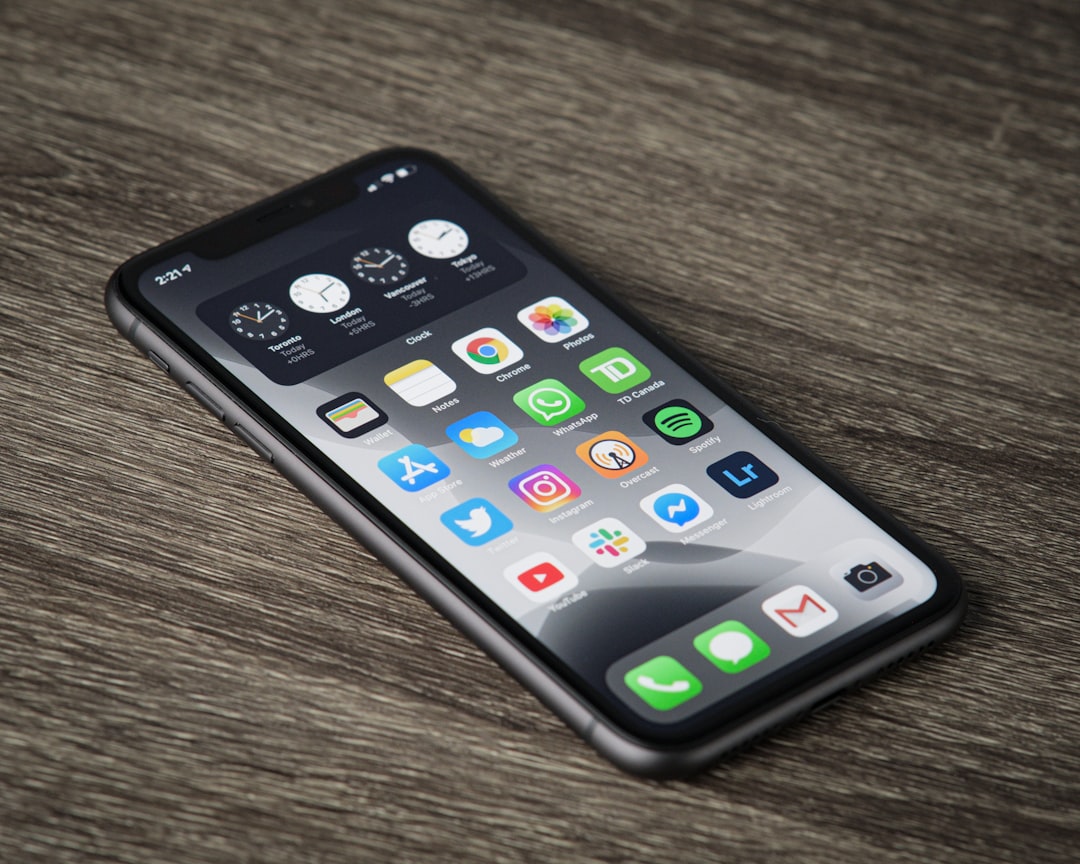 \Too many app features overwhelm working memory — cognitive load and mobile UX design. Photo byThom BradleyonUnsplash\
I downloaded six apps last week. All in the same interest space. All clearly built fast, probably with AI assist, probably shipped in under a month.
I deleted four of them within two minutes.
Not because they were broken. They worked fine. I deleted them because every single one hit me with a wall of stuff the moment I opened it. Tabs, toggles, onboarding carousels, feature callouts. My brain didn’t reject the apps. It just quietly ran out of room.
So I started reading about executive function. Not for product reasons. For personal ones. But the research kept describing exactly why those four apps lost me and why the two I kept felt effortless.
I wrote a few weeks ago about how building got cheap. AI collapsed the cost of shipping software to almost zero, and the bottleneck moved to customer acquisition. That’s still true. But there’s a second bottleneck I didn’t name in that post.
Getting someone to download your app is hard. Keeping their brain once they open it might be harder.
Thanks for reading Product Party! Subscribe for free to receive new posts and support my work.
Miller’s Law Is Wrong: Working Memory Holds 4 Items, Not 7
Every product manager has heard of Miller’s Law. Seven plus or minus two. It’s in every onboarding deck, every UX textbook, every “design for simplicity” article you’ve ever skimmed.
It’s also wrong.
Nelson Cowan, a cognitive scientist at the University of Missouri, revisited Miller’s 1956 research and found the number was inflated. The original experiments allowed people to use rehearsal strategies and rely on long-term memory. Strip those aids away, and the raw capacity of human working memory drops to four. Plus or minus one. Here’s a link to nerd out on some of his work.
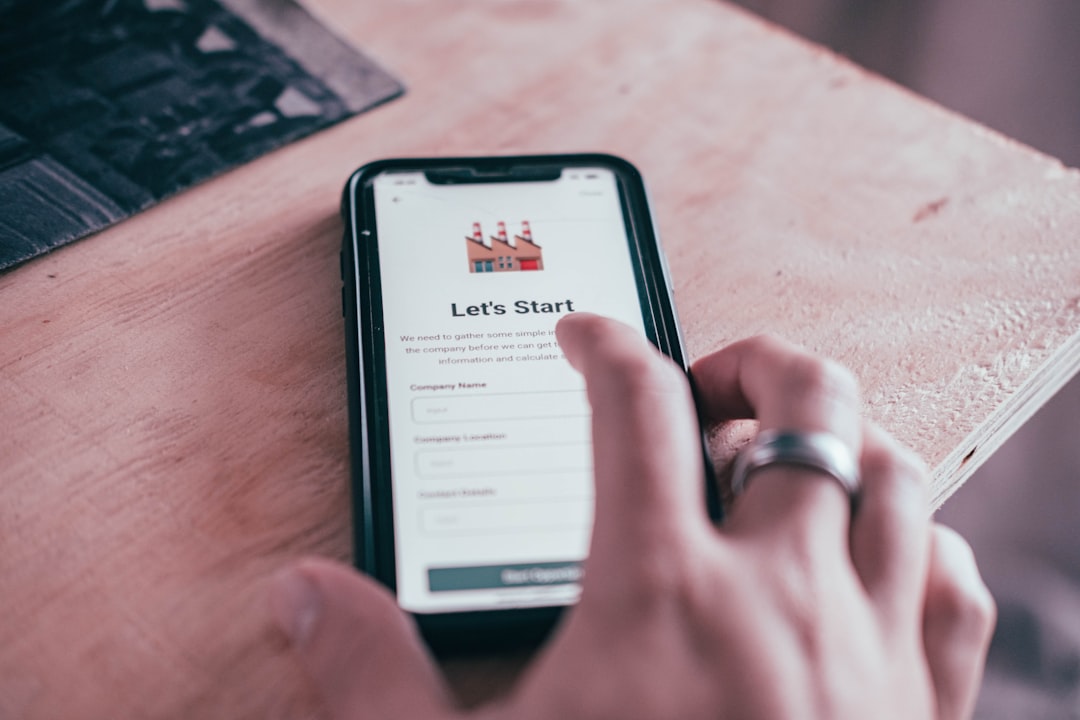 \Overly complex app onboarding flow causing decision fatigue and user drop-off. Photo byDuncan MeyeronUnsplash\
Your onboarding asks for a name, an email, a use case selection, a notification preference, and a theme choice. Five decisions before someone has done a single meaningful thing in your app. You’ve already exceeded their cognitive budget, and they haven’t even started.
Researchers found that choice overload explains 63% of the variance in decision fatigue. And 18-22% of users who abandon a flow cite “too long or too complicated” as the reason. Not too expensive. Not missing features. Too much.
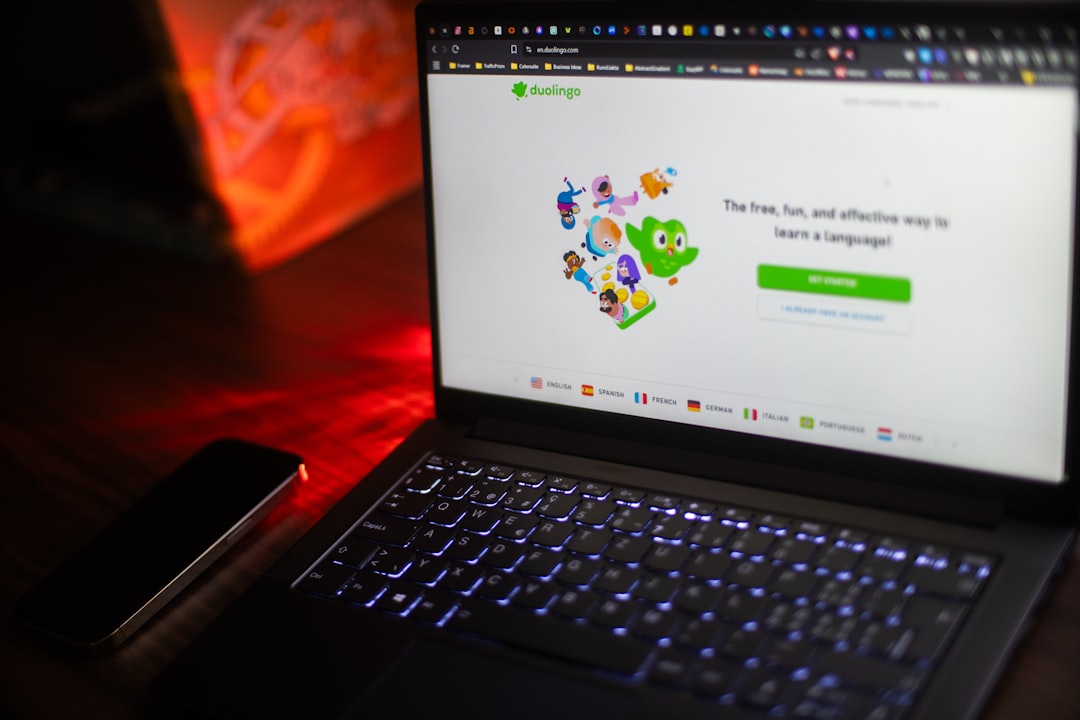 \Duolingo’s 2022 UX redesign reduced cognitive load by eliminating course selection — a product simplicity case study. Photo byAerps.comonUnsplash\
How Duolingo Used Cognitive Science to Boost Learning Outcomes
Duolingo figured this out in 2022, buried under all the memes about their unhinged marketing.
They redesigned their entire learning path into a single linear sequence. Before the redesign, users opened the app and chose what to study. Sounds reasonable. User agency, right? Let people pick.
They killed it. One track. Next lesson. Go.
Reading and listening scores went up. Not because the content changed. Because Duolingo stopped asking users to spend one of their four brain slots on “what should I learn today?” and redirected that slot toward actually learning.
Fewer choices. Better outcomes. Every builder instinct says give people options, give them control, give them features. Cowan’s research says every option you add costs cognitive rent.
Final Thoughts
Your roadmap isn’t a feature list. It’s a cognitive budget.
I didn’t find any of this in a product management book. I found it while reading cognitive science research about executive function. That’s probably the most useful product insight I’ve picked up this year: the stuff that makes you better at building rarely looks like product content.
You have four slots. Spend them on something that matters.
Mike Watson @ Product Party
P.S. Want to connect? Send me a message on LinkedIn, Bluesky, Threads, or Instagram.

PS: Ready to document before you schedule? I use ClickUp to keep decisions out of my calendar. Grab a free license here and see if it works for your workflow.