MIT's most-watched lectures, 8 hours of Karpathy and Buffett's talks to students. 154 sources, 10 links, all free.
By Gencay
Published: 2026-11-15
URL: https://www.learnwithmeai.com/p/notebooklm-notebooks-mit-karpathy-buffett
I have trained 374 NotebookLMs, but I realized the ones built from the best teachers really hit the spot.
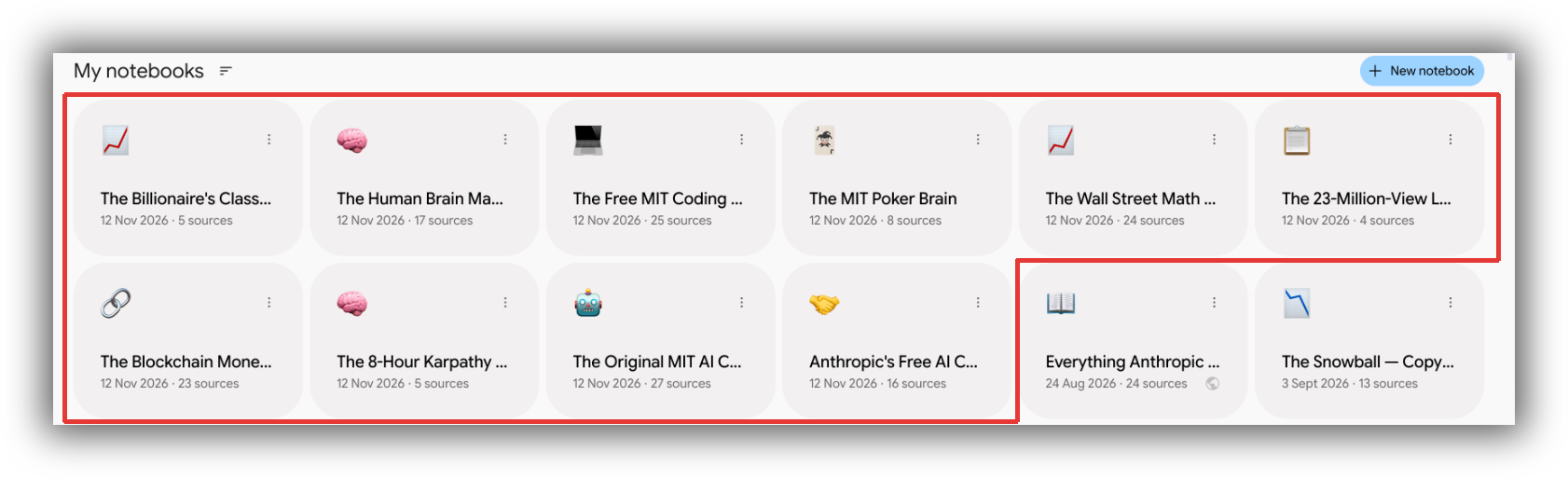
\My NotebookLM dashboard this week. The 10 from this post are at the top.\
In this one, I’ll show you 10 new NotebookLM notebooks that can change how you learn, earn, and even think.
Let’s start.
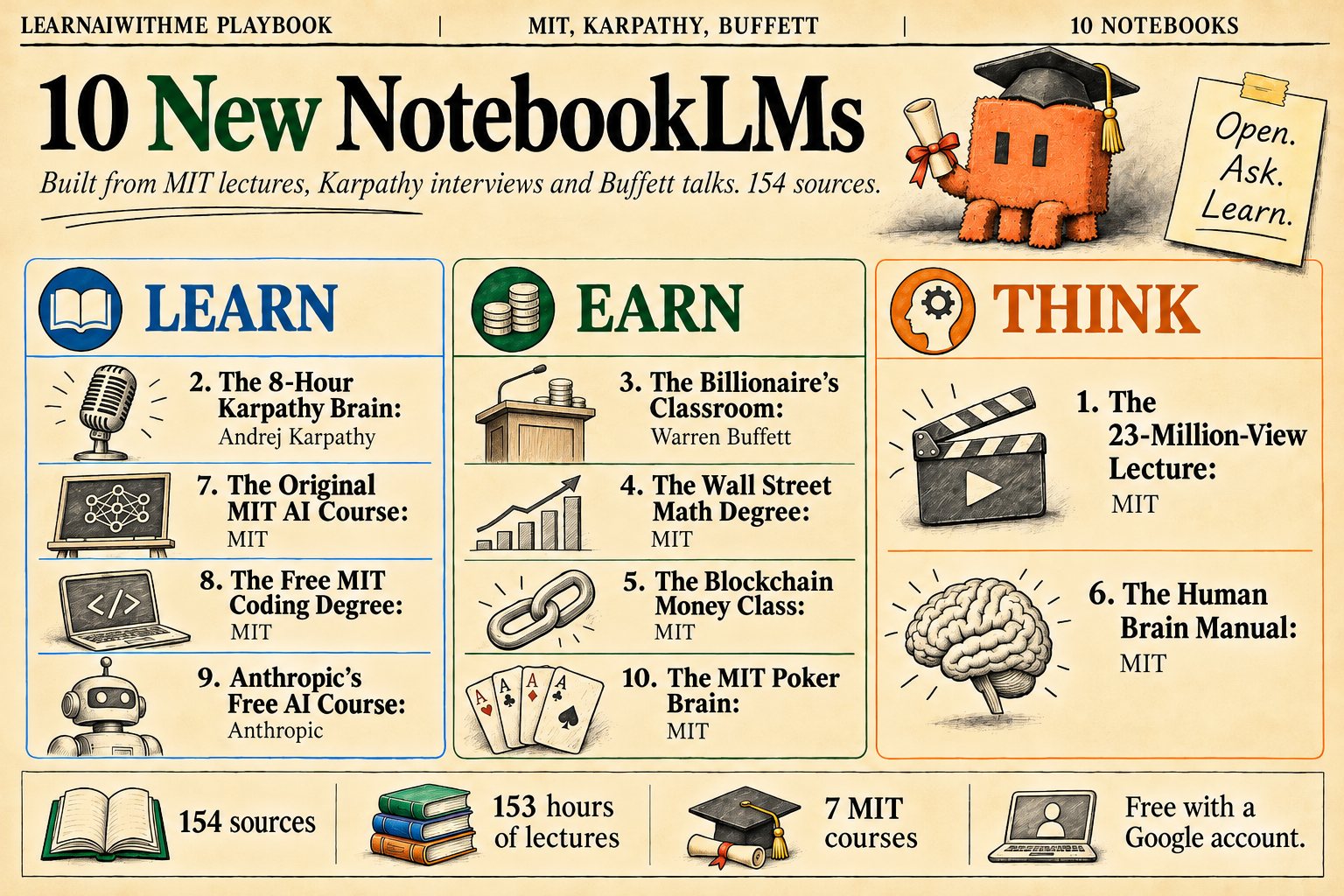
\The full lineup: MIT, Karpathy, Buffett and 7 more.\
1. The 23-Million-View Lecture
The most-watched lecture on MIT's channel is about how to speak.
Patrick Winston gave this talk at MIT more than 40 years.
23 million people watched it on YouTube.
I added it to one Notebook, with three more MIT talks on presentations and communication.
4 sources inside one Notebook.
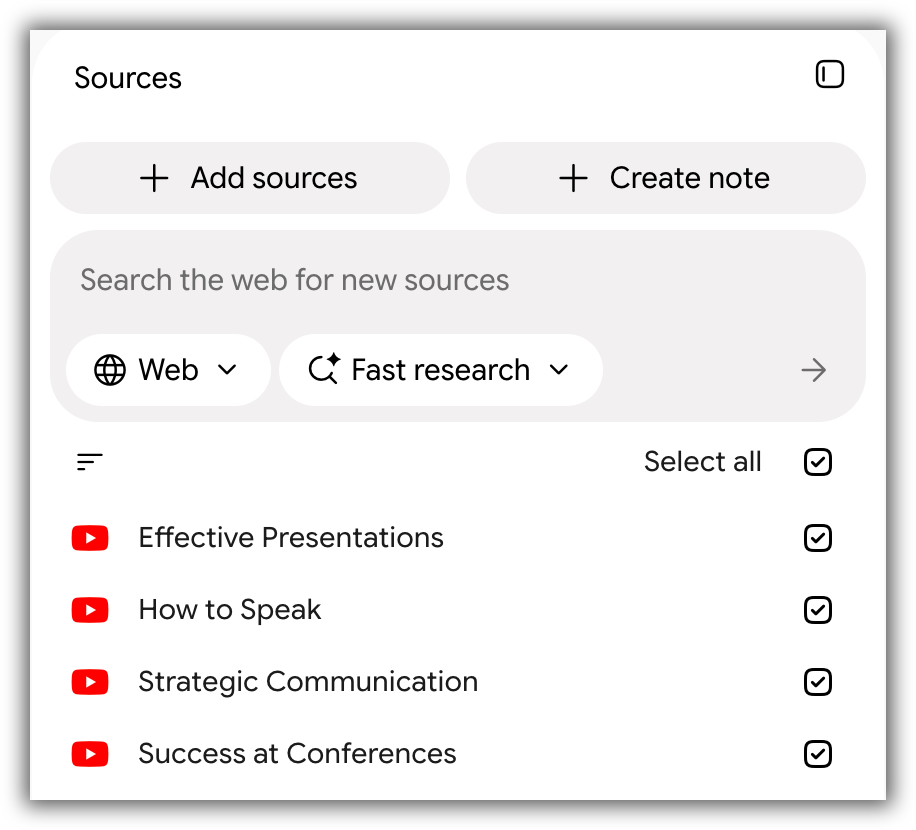
\How to Speak plus three MIT talks on presenting. 4 sources.\
If you have seen my YouTube videos, you know I'm an engineer, not a speaker. I even built a Claude Skill that makes motion videos for me.
But the first 30 seconds are still on me. So let's ask.
I record YouTube videos about Claude and my first 30 seconds are weak.
Using Patrick Winston's rules from How to Speak, how should I open my next video? Answer as a numbered list 1 to 5, one line each.
Here is the output.
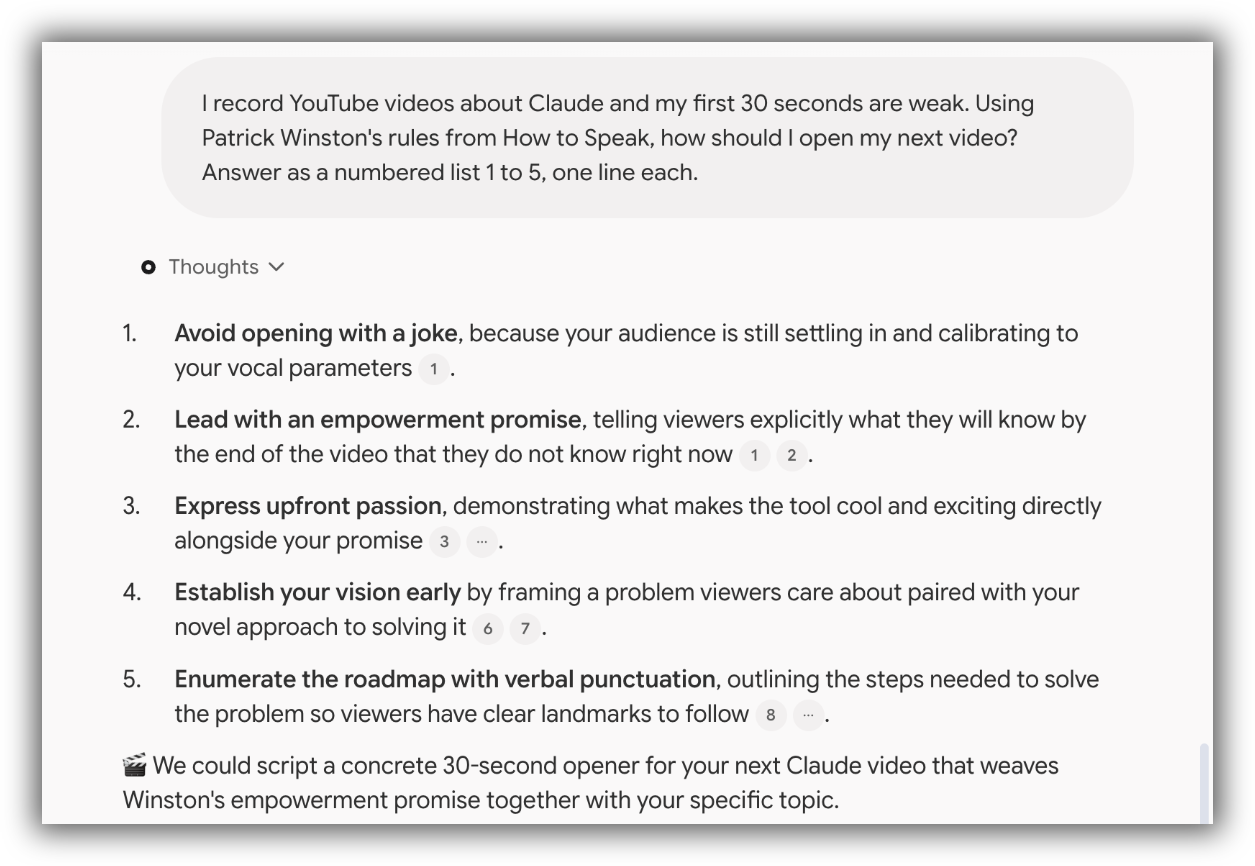
\Winston's rules for my next intro: no joke, start with a promise.\
Don't start with a joke. Start with a promise.
That one goes straight into my next video.
Here is the link to this Notebook: <https://notebook.google.com/notebook/476f61f3-061f-4fec-af0c-7b6c221b6145>
2. The 8-Hour Karpathy Brain
You already have Karpathy's lectures from the last post.
But lectures show you what he knows.
Interviews show you how he thinks.
So I collected his long interviews into one Notebook. Lex Fridman, Dwarkesh Patel, No Priors twice, and Sequoia.
5 sources inside. 8 hours and 24 minutes of Karpathy talking.
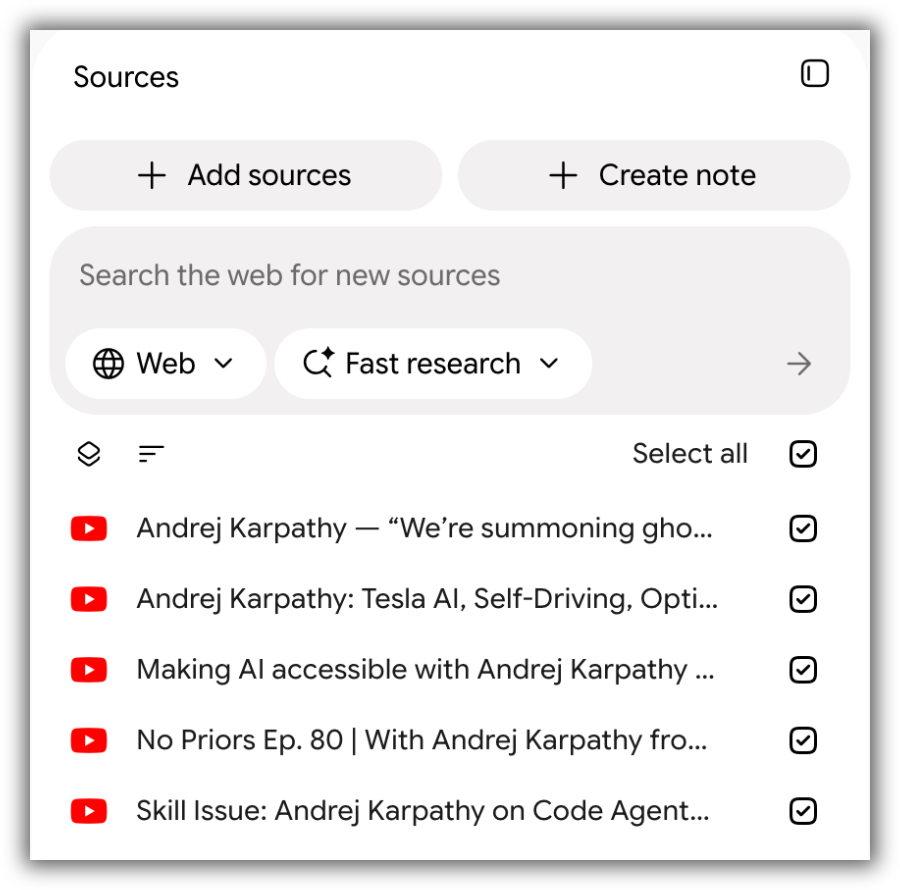
\Five long interviews: Lex Fridman, Dwarkesh Patel, No Priors and Sequoia.\
I build with Claude Code every day, but I am not a machine learning engineer.
I wanted to know what he would tell someone like me.
I build with Claude Code every day but I am not a machine learning engineer. Based on what Karpathy says in these interviews, what should I learn in the next 12 months? Answer as a numbered list 1 to 5, one line each.
Here is the answer.
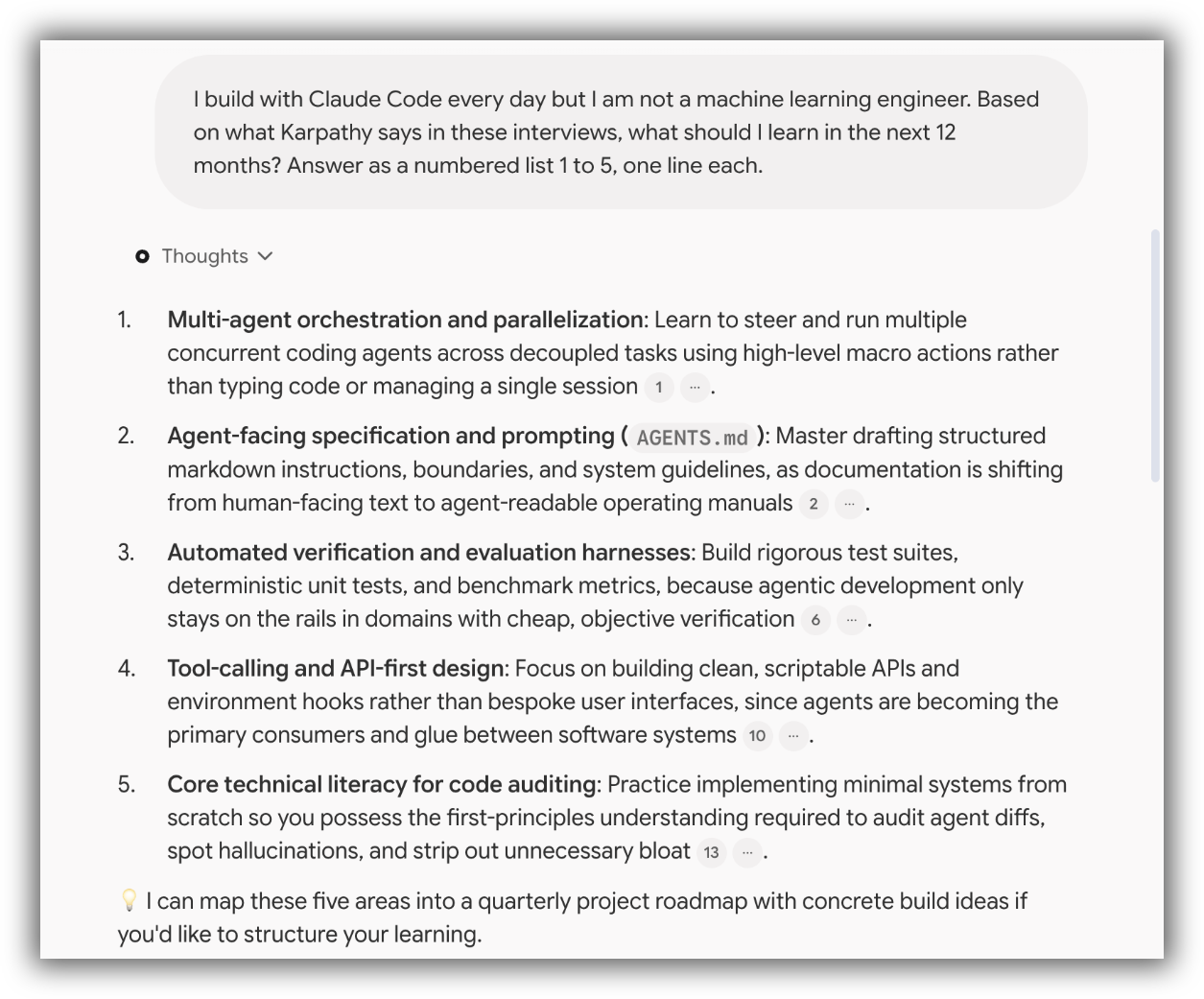
\Karpathy's 12-month list: run agents in parallel, write for agents, verify everything.\
Number one is running multiple agents at the same time.
If you want to start there, I showed 3 Claude Loops that do exactly this.
Here is the link to this Notebook: <https://notebook.google.com/notebook/230d1c1b-bf49-459f-aad6-0f77ff04de5c>
3. The Billionaire's Classroom
Buffett is back, but this one is different.
Last time, I used his shareholder letters.
This time, I only used the talks he gave to students.
University of Georgia, Georgetown, Columbia, and Nebraska. Each one published by the school itself.
5 sources inside one Notebook.
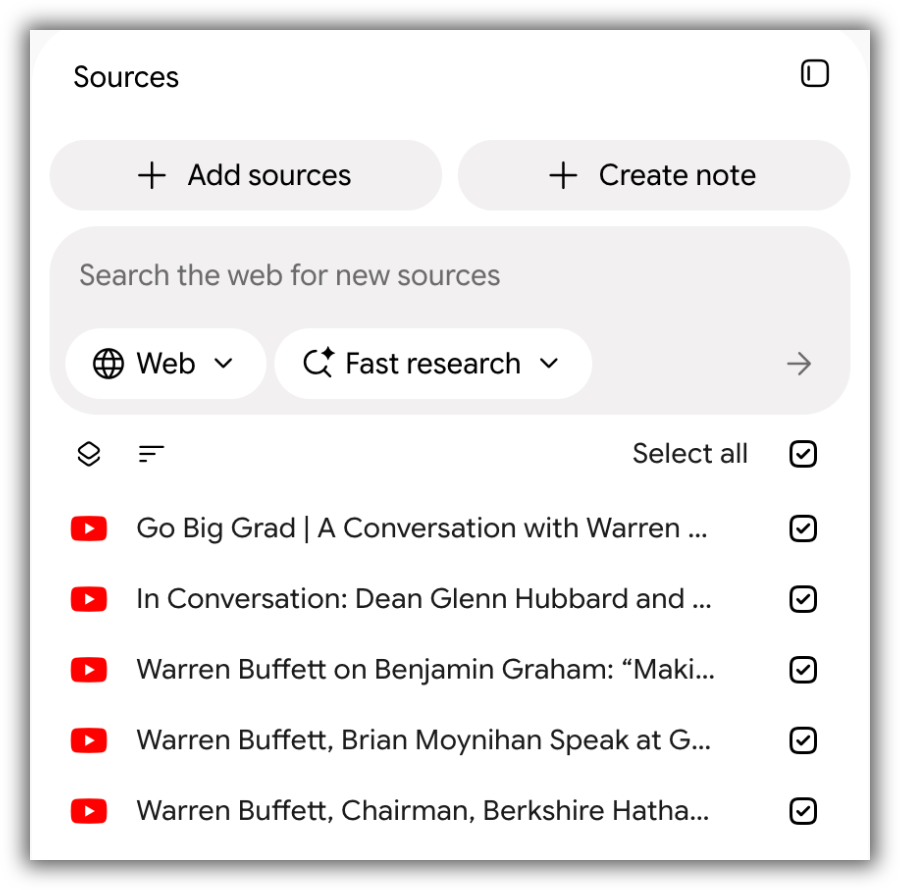
\Buffett in front of students: Georgia, Georgetown, Columbia and Nebraska.\
Why students?
Because when he talks to students, he doesn't talk about Berkshire.
He talks about what to do when you are just starting.
I already built a Warren Buffett tutor for myself.
Now let's ask the classroom version.
I run a one-person AI newsletter and I am not a finance person. What does Buffett tell students to do first, before they buy a single stock? Answer as a numbered list 1 to 5, one line each, in his own words where possible.
Here is the answer.
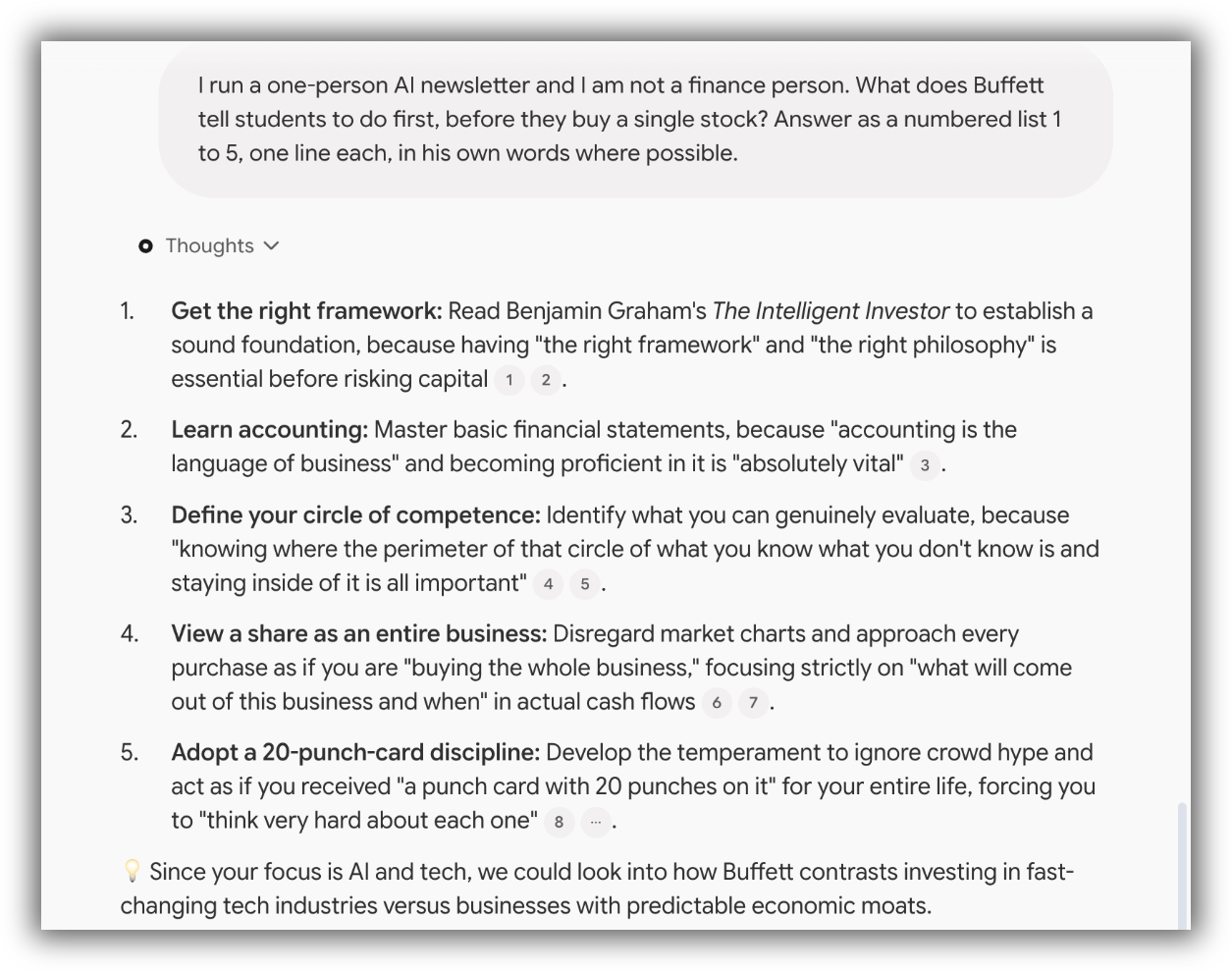
\Before the first stock: a framework, accounting, and a punch card with 20 punches.\
"Accounting is the language of business."
Not a single stock tip in five lines.
That's why I trust it.
Here is the link to this Notebook: <https://notebook.google.com/notebook/b7d18f3c-69f7-4a9f-82b8-7a1a578e9b1c>
4. The Wall Street Math Degree
This one is the hardest notebook in this post, and maybe the most valuable.
MIT has a course on the math behind finance. The first lecture has 8 million views.
And it is not only MIT professors. People from Morgan Stanley come to class and teach what they use at work.
24 sources inside one Notebook. 32 hours of lectures.
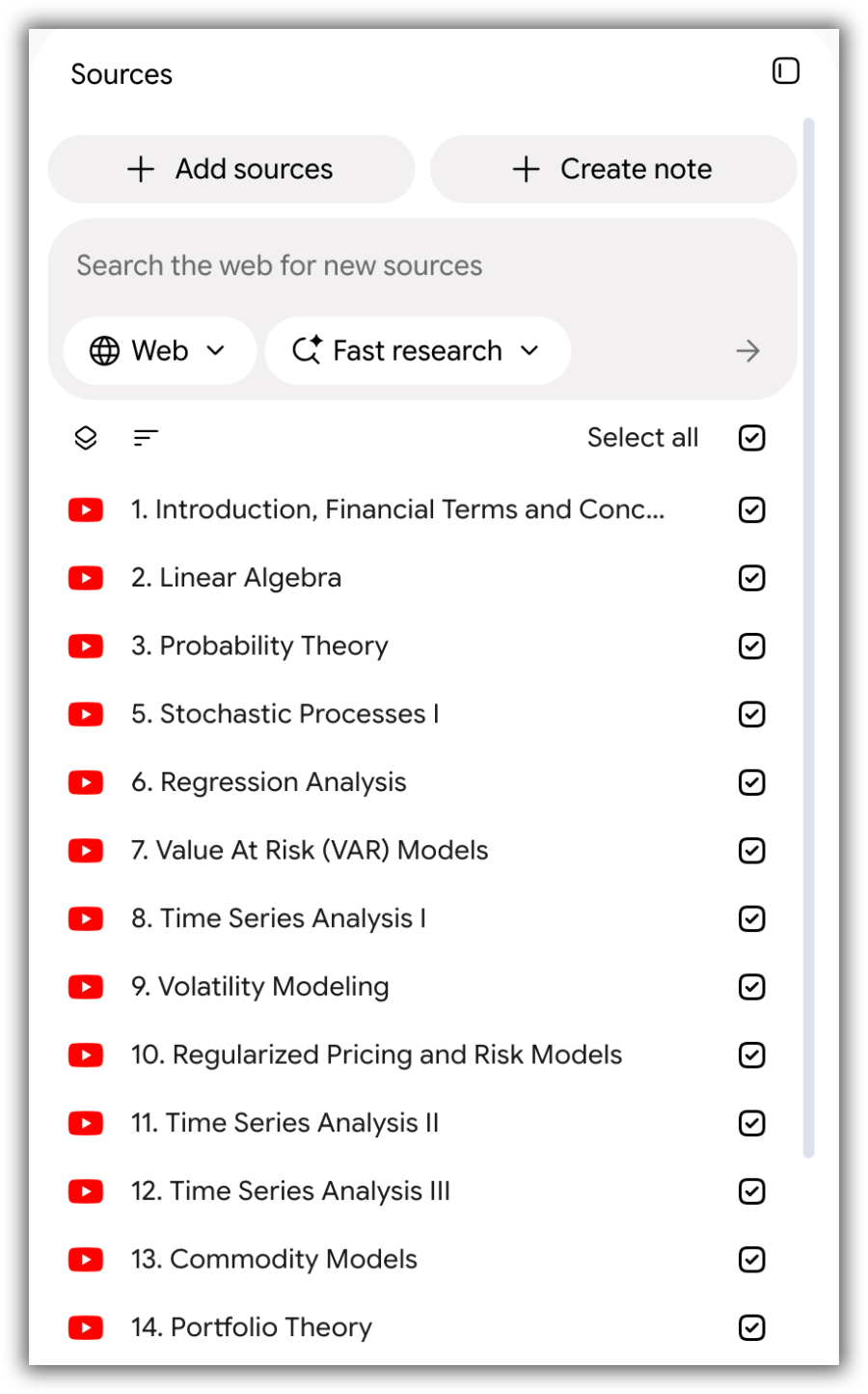
\24 lectures from MIT's finance math course, taught with Morgan Stanley.\
You know I built a trading bot that copies millionaires.
But here is the truth. I never studied finance. So I asked where to start.
I built a trading bot with Claude but I never studied finance. Which 5 lectures should I watch first to understand risk, and why? Answer as a numbered list 1 to 5, one line each.
Here is the answer.
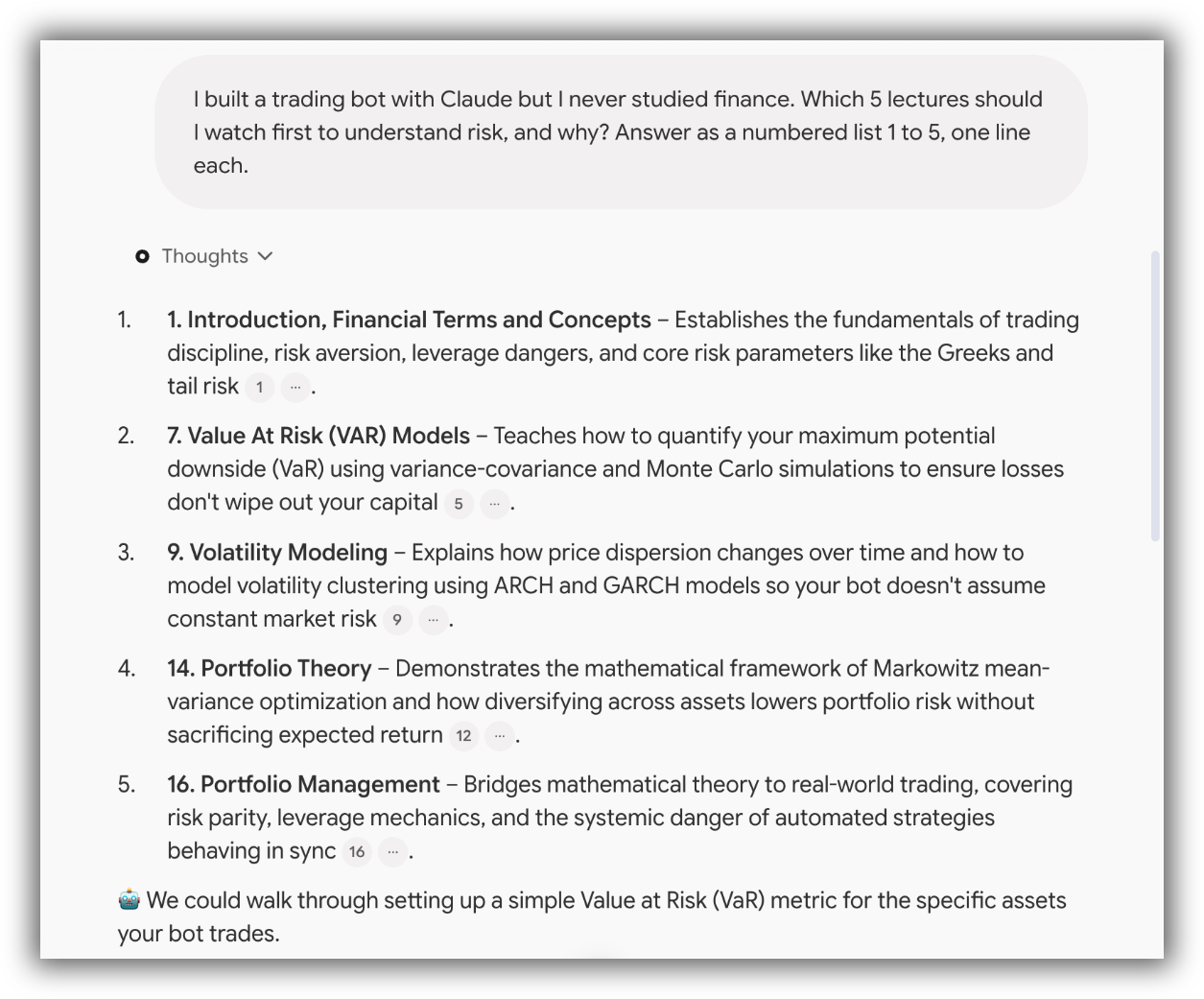
\Five lectures to understand risk, picked for someone who runs a bot.\
It picked 5 lectures out of 24 and told me why each one matters for a bot.
That is 25 hours I don't have to watch.
Here is the link to this Notebook: <https://notebook.google.com/notebook/fe3fdabb-dad8-4047-a09b-c2c722a5085c>
5. The Blockchain Money Class
My bot copies crypto wallets. But if you ask me how the money under it works, I can't give you a clean answer.
MIT has a full course for this, and the teacher is Gary Gensler. The first lecture has 7.1 million views.
I collected all of them into one Notebook.
23 sources are inside.
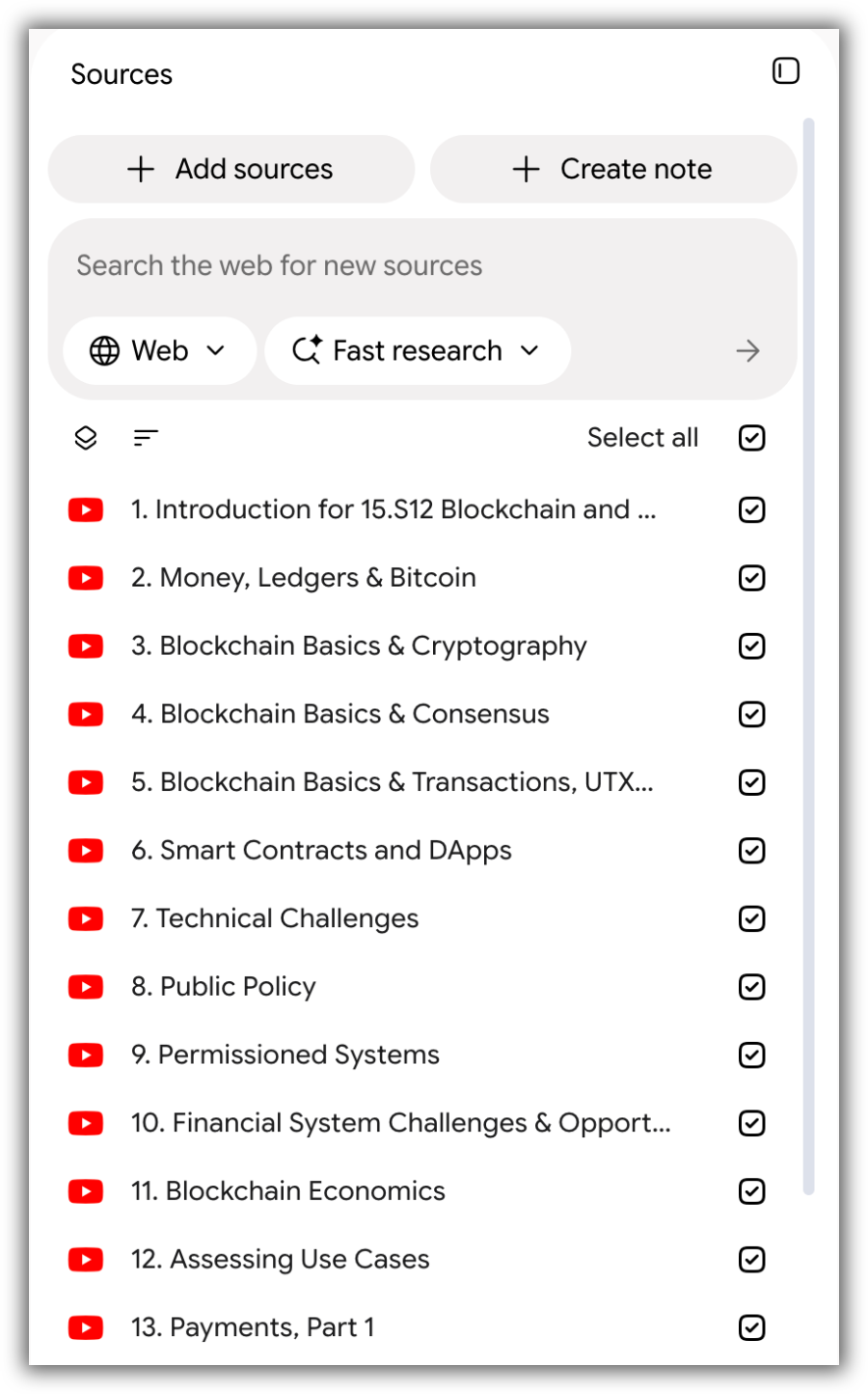
\Gary Gensler's Blockchain and Money course at MIT. 23 lectures.\
Let's test it with the simplest question I had.
My trading bot copies crypto wallets but I never learned how the money underneath works. In a numbered list 1 to 5, one line each: what problem did Bitcoin actually solve, the way this course teaches it?
Here is the answer.
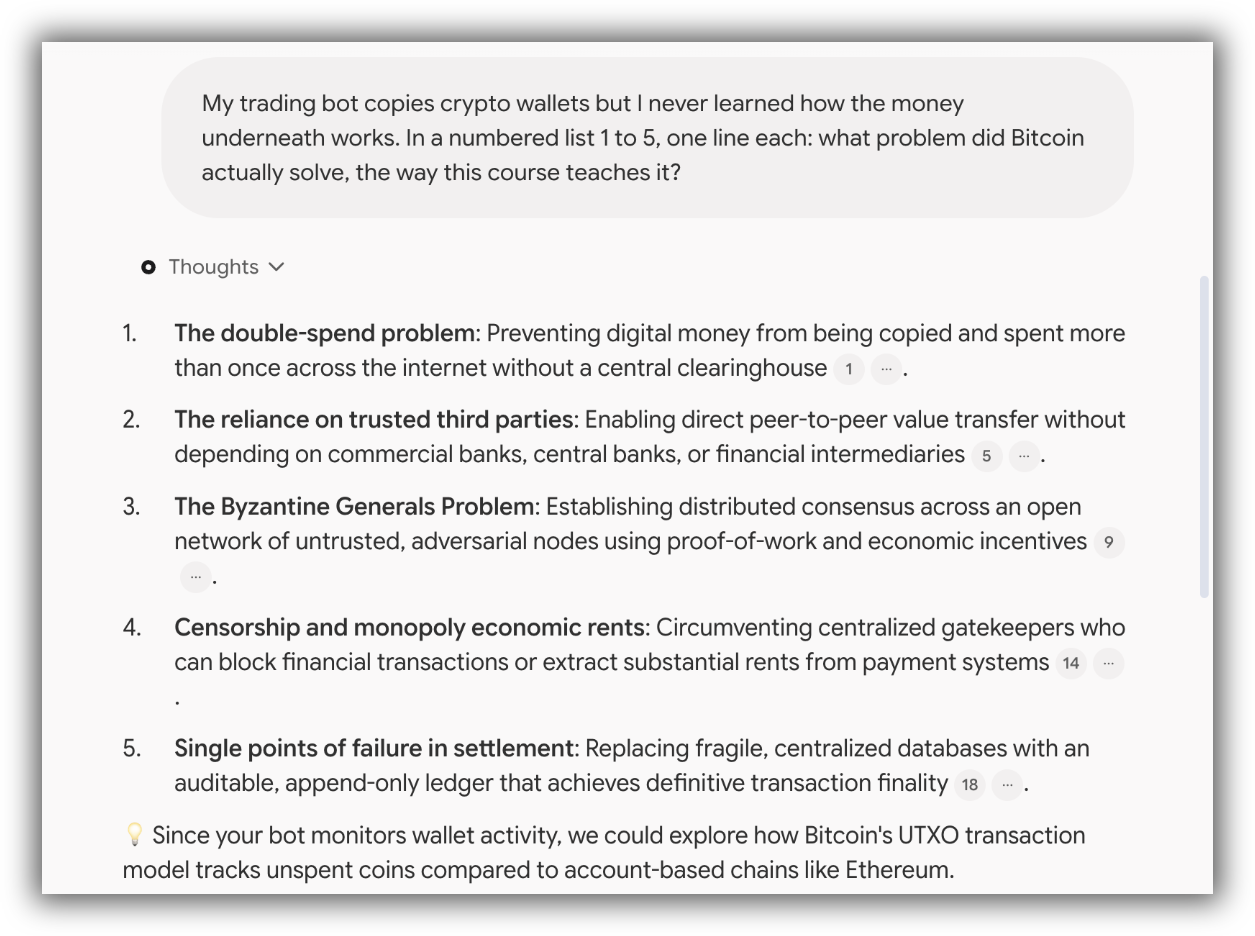
\What Bitcoin solved, in five lines. Number one is double spending.\
Double spending. Sending money without a bank in the middle.
Five lines, and now I can finally explain it at dinner.
Here is the link to this Notebook: <https://notebook.google.com/notebook/8e4cef15-0dcb-4811-9357-246285073d91>
6. The Human Brain Manual
The second most-watched lecture on MIT's channel is about your brain. 13 million views.
Nancy Kanwisher teaches the full course, and it explains what each part of your brain actually does.
17 sources inside one Notebook.
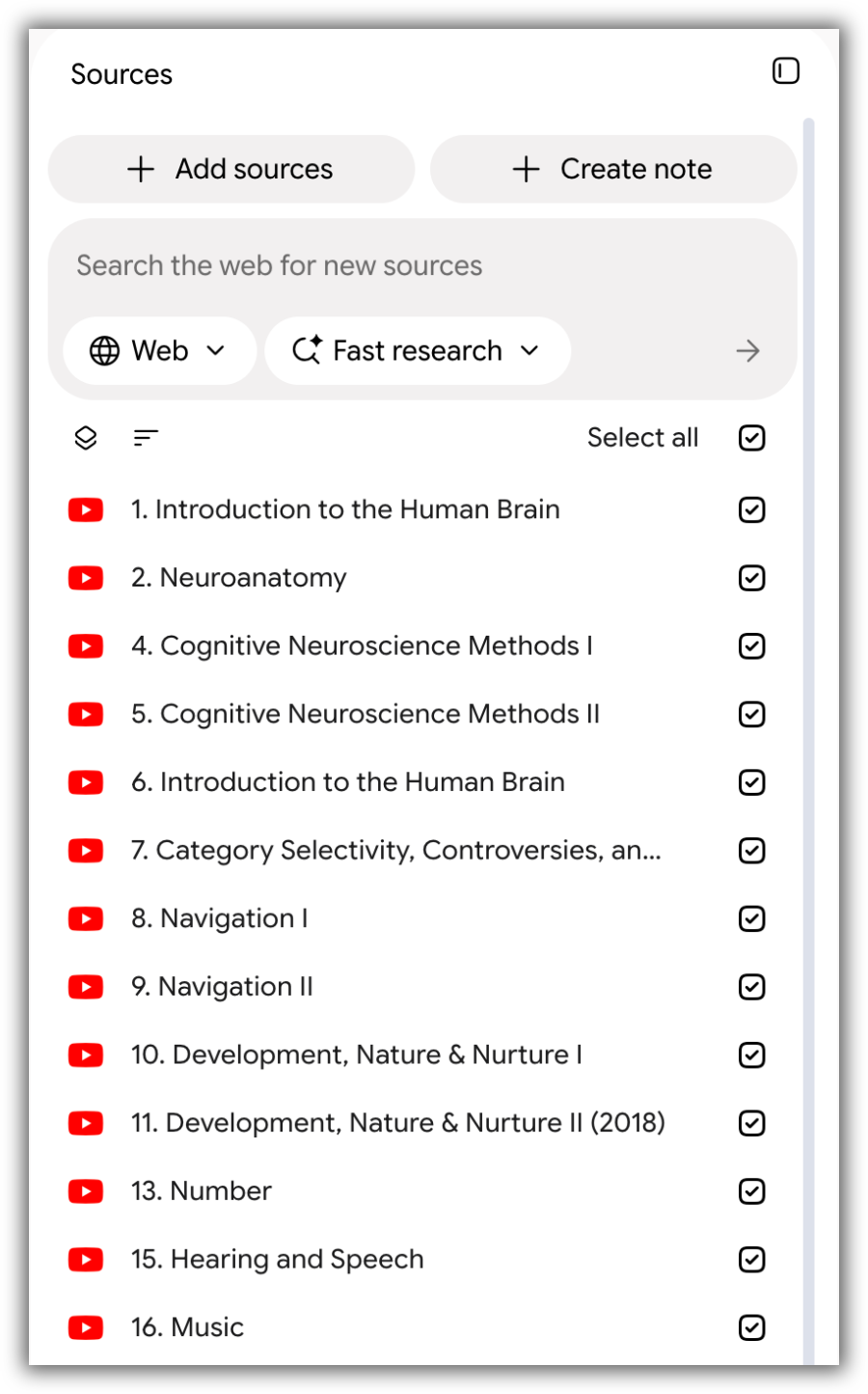
\MIT's Human Brain course. 17 lectures, 20 hours.\
I once wrote that my brain stops at 2 PM. So I asked the people who study it.
I work at a laptop 10 hours a day and my focus dies after lunch. What does this course say about attention, and what does that mean for how I plan my day? Answer as a numbered list 1 to 5, one line each.
Here is the answer.
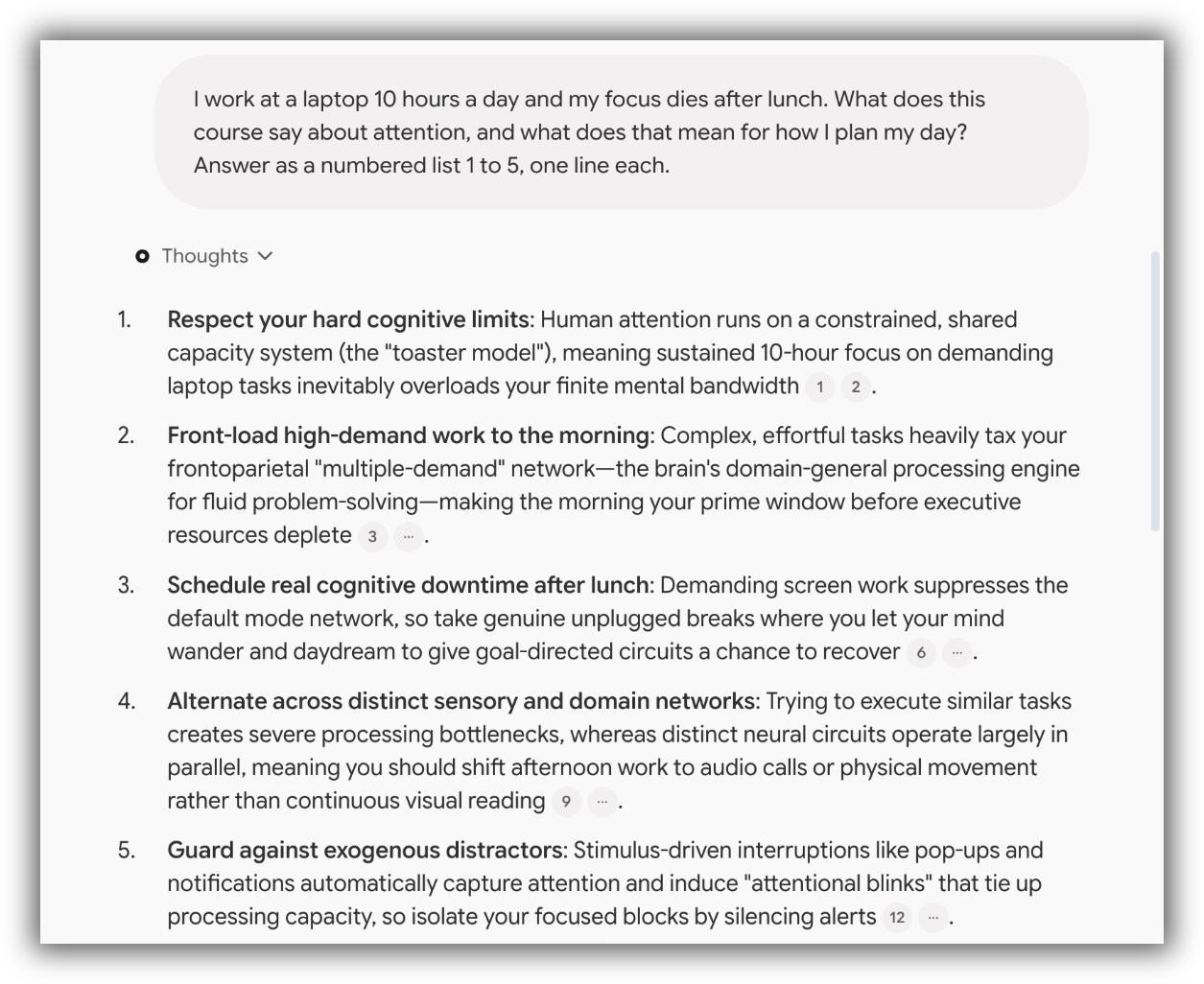
\My day, planned by a neuroscience course: hard work in the morning, real breaks after lunch.\
Do the hard work in the morning. Take a real break after lunch, without a screen.
I already work this way, but now I know why.
Here is the link to this Notebook: <https://notebook.google.com/notebook/5f2d8db2-a7d5-42fc-bdc0-7ae8d142f609>
7. The Original MIT AI Course
Everyone uses AI. Almost nobody knows how it works.
This is MIT's Artificial Intelligence course, taught by Patrick Winston. Yes, the same professor from the first notebook.
Search, learning, neural nets. The ideas that everything today is built on.
27 sources inside one Notebook.
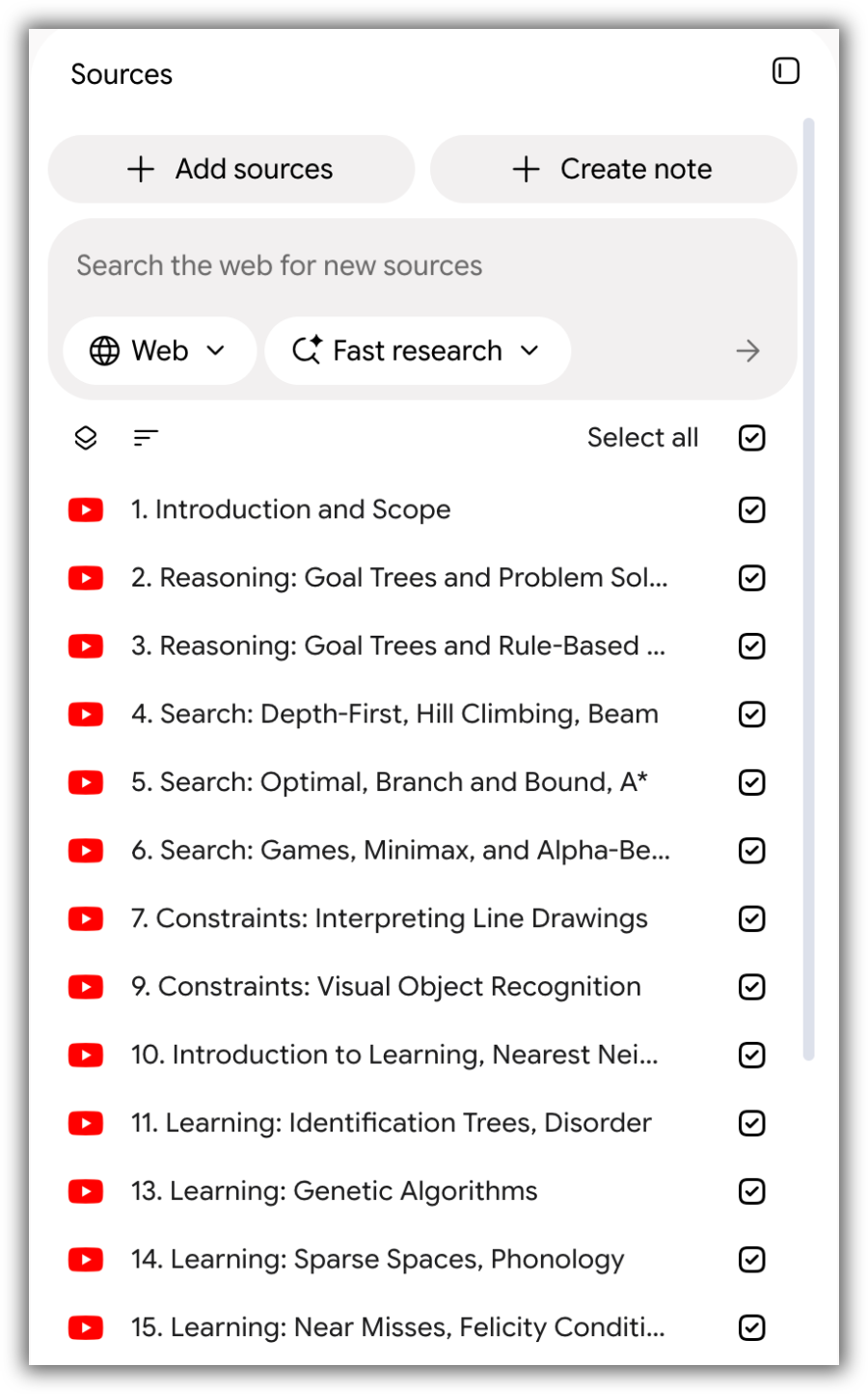
\Patrick Winston's AI course: 20 lectures and 7 recitations.\
When I prepared for my Claude certification, I built my own AI tutor. This notebook works the same way. Ask it for a roadmap.
I use Claude every day but I do not know how AI actually works. Give me a 5-step roadmap through these lectures. Answer as a numbered list 1 to 5, one line each, with the lecture name.
Here is the answer.
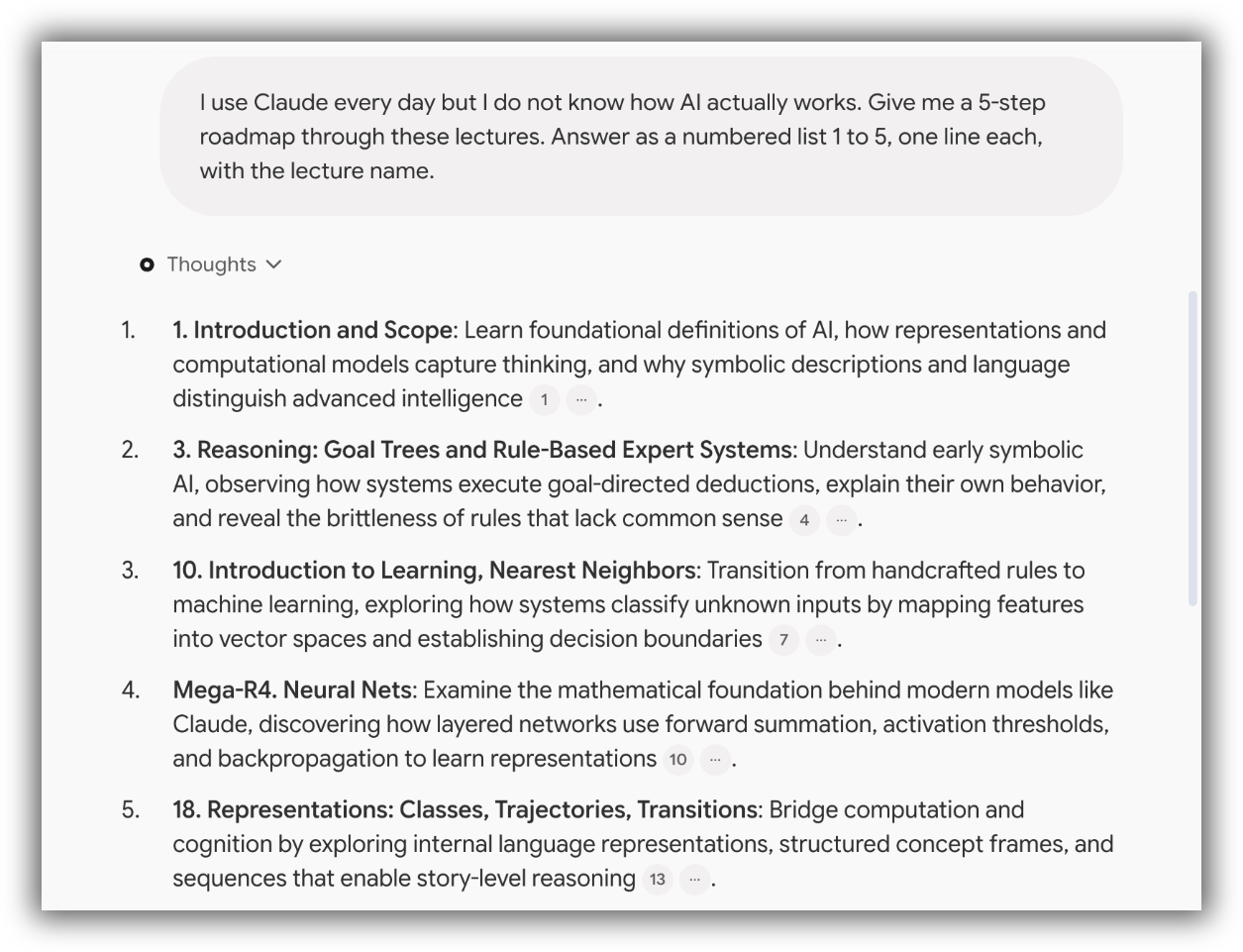
\A 5-step roadmap from rules to neural nets, with the lecture names.\
5 lectures instead of 27.
Here is the link to this Notebook: <https://notebook.google.com/notebook/51ff9ece-8684-4ff5-8792-ef443fed9561>
8. The Free MIT Coding Degree
Claude Code writes the code for you.
But can you read what it wrote?
In my Claude Code for Beginners course, you build without writing a line. But you should still be able to review it.
This is MIT's intro course to programming with Python, taught by Ana Bell.
25 sources inside one Notebook.
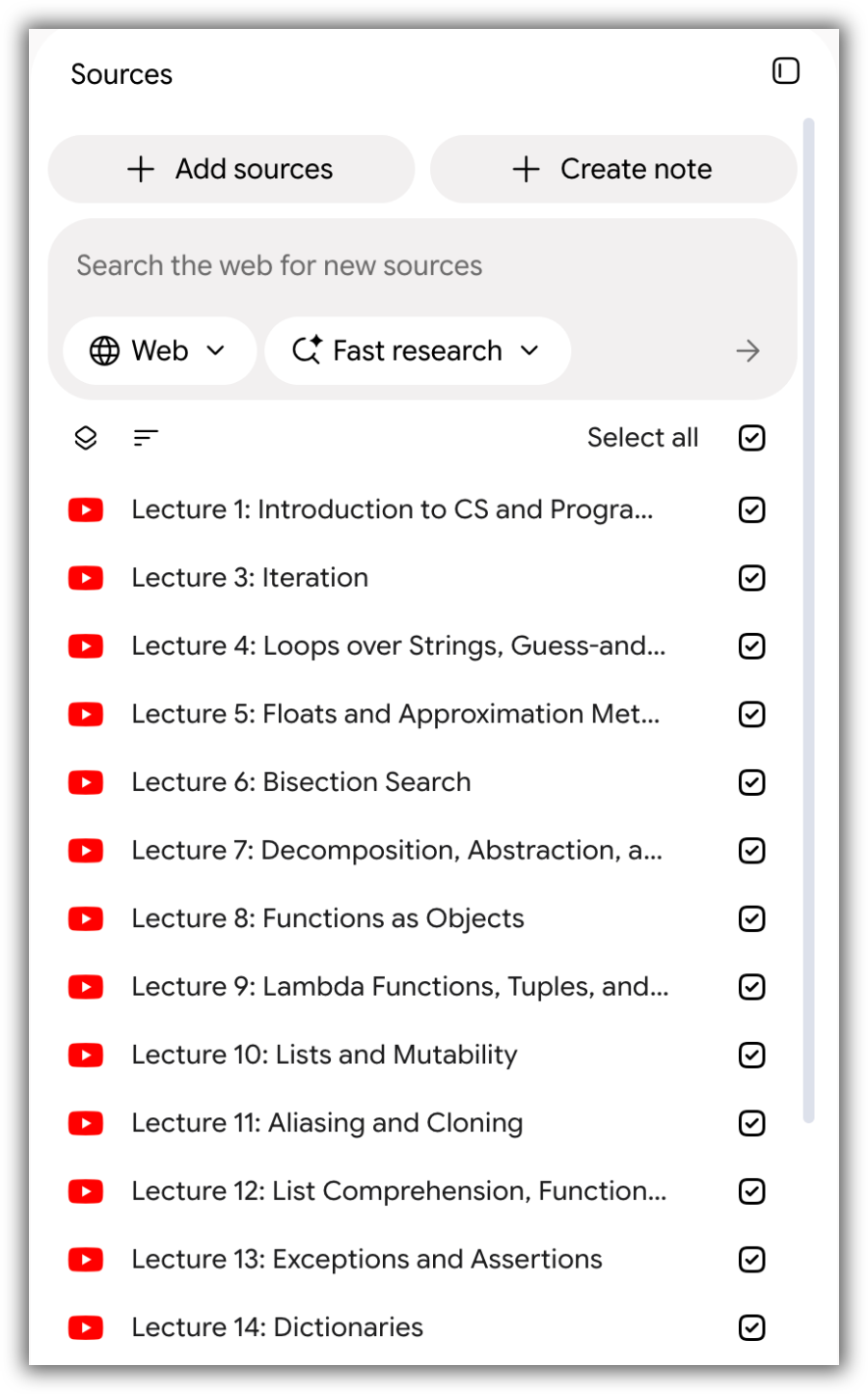
\MIT's intro to programming with Python. 25 lectures.\
Let's test it with this prompt.
I build apps with Claude Code and I cannot read the code it writes. Which 5 lectures teach me enough Python to review it? Answer as a numbered list 1 to 5, one line each.
Here is the output.
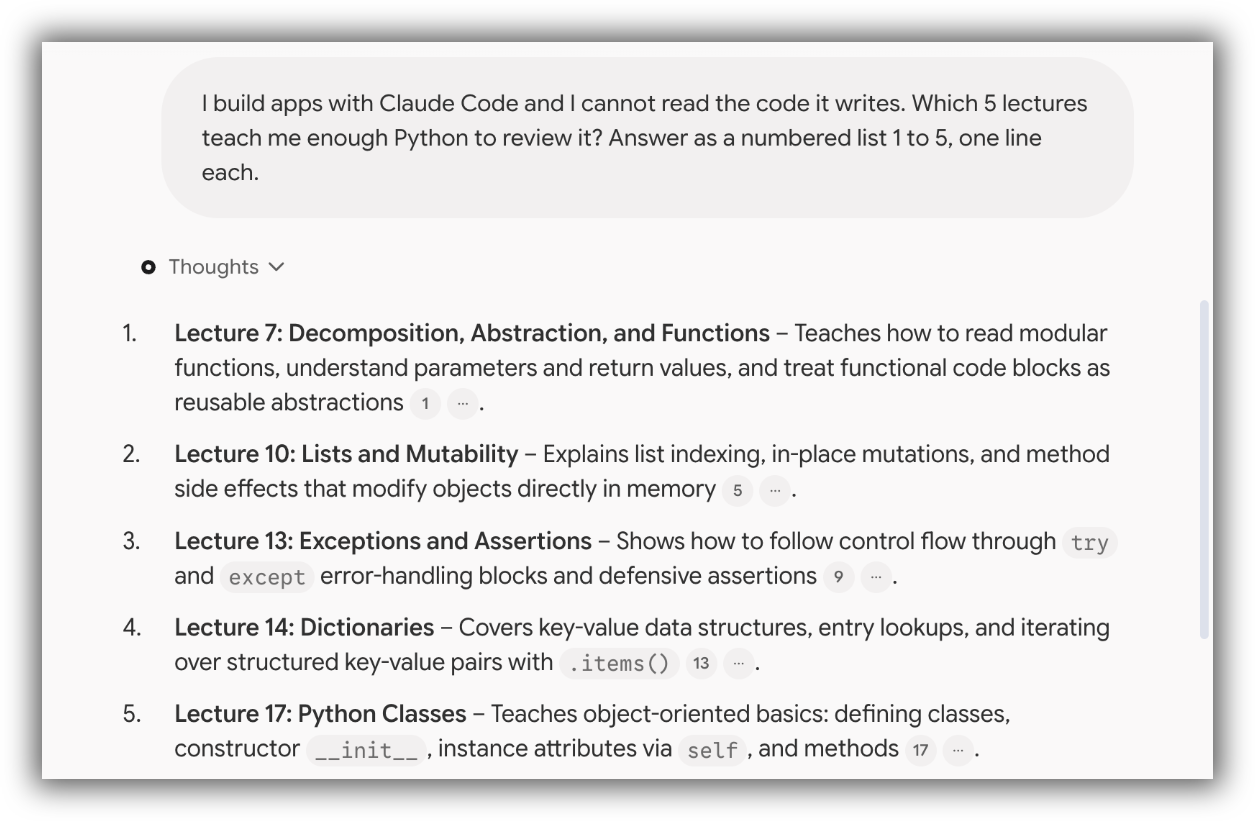
\Five lectures that teach enough Python to review what Claude wrote.\
Functions, lists, errors, dictionaries, and classes.
That's the reading list for everyone who builds with AI.
Here is the link to this Notebook: <https://notebook.google.com/notebook/5b4da30e-5d22-4d9f-9daf-79c1ada48f4b>
9. Anthropic's Free AI Course
Anthropic has a free course, and most people don't know it exists.
It is called AI Fluency. The lessons are on Anthropic's YouTube channel, and the first one has over 1 million views.
I added all the lessons, plus Anthropic's own talks on prompting.
16 sources inside one Notebook.
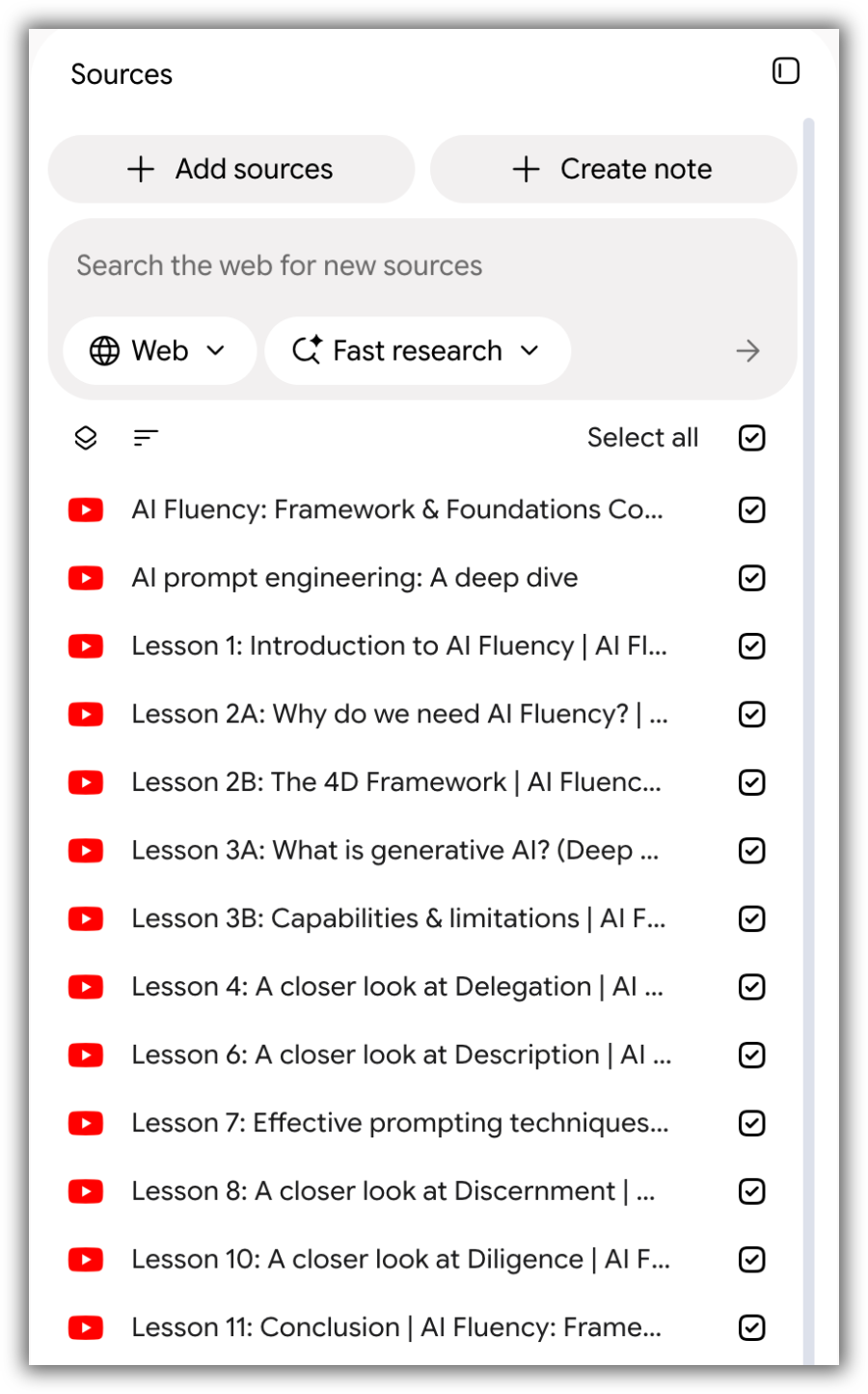
\Anthropic's AI Fluency lessons and its own prompting talks. 16 sources.\
The course is built on something they call the 4D framework. Let's ask what it is.
What is the 4D framework, and how do I use it on my next Claude task? Answer as a numbered list 1 to 4, one line each.
Here is the answer.
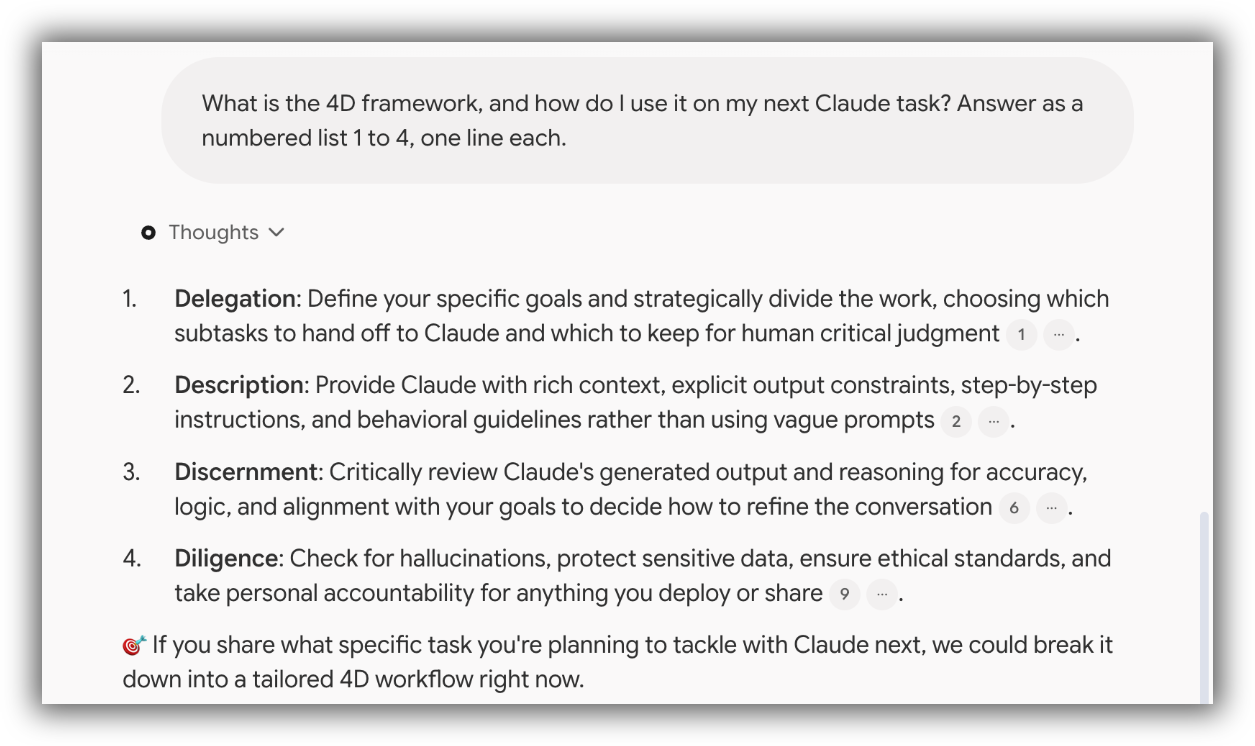
\The 4D framework: Delegation, Description, Discernment, Diligence.\
Delegation, Description, Discernment, Diligence.
If you want to see these in practice, read my 33 Rules of Claude. Every rule there comes with a prompt.
Here is the link to this Notebook: <https://notebook.google.com/notebook/f8201a2b-1781-4755-b7c1-8de233bc2d38>
10. The MIT Poker Brain
Yes, MIT teaches poker.
It is about making decisions with money when you can't see everything.
That is exactly what my Polymarket bot does all day.
8 sources inside one Notebook.
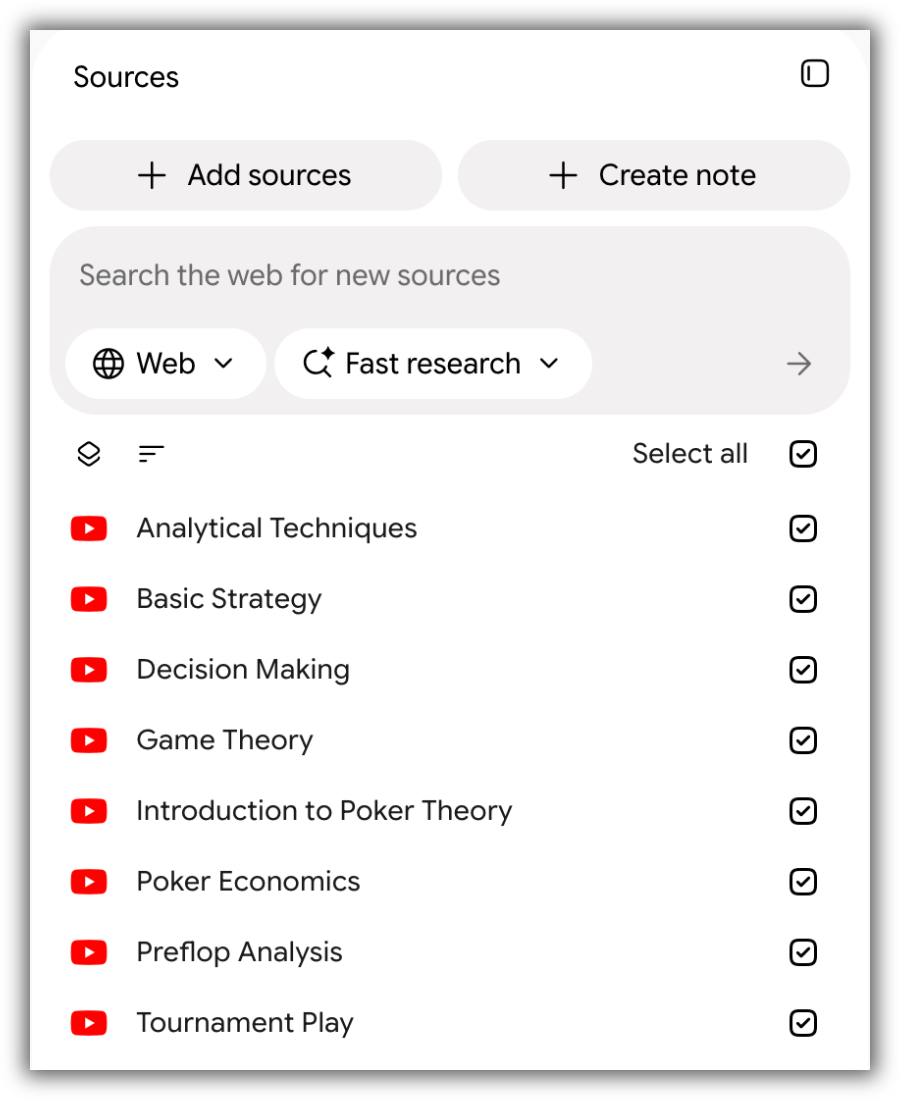
\MIT's Poker Theory course. 8 lectures on decisions under uncertainty.\
So I asked the course to coach my bot.
I run a Polymarket bot that places small bets. What does this course teach about expected value and bet sizing that I can apply to it? Answer as a numbered list 1 to 5, one line each.
Here is the answer.
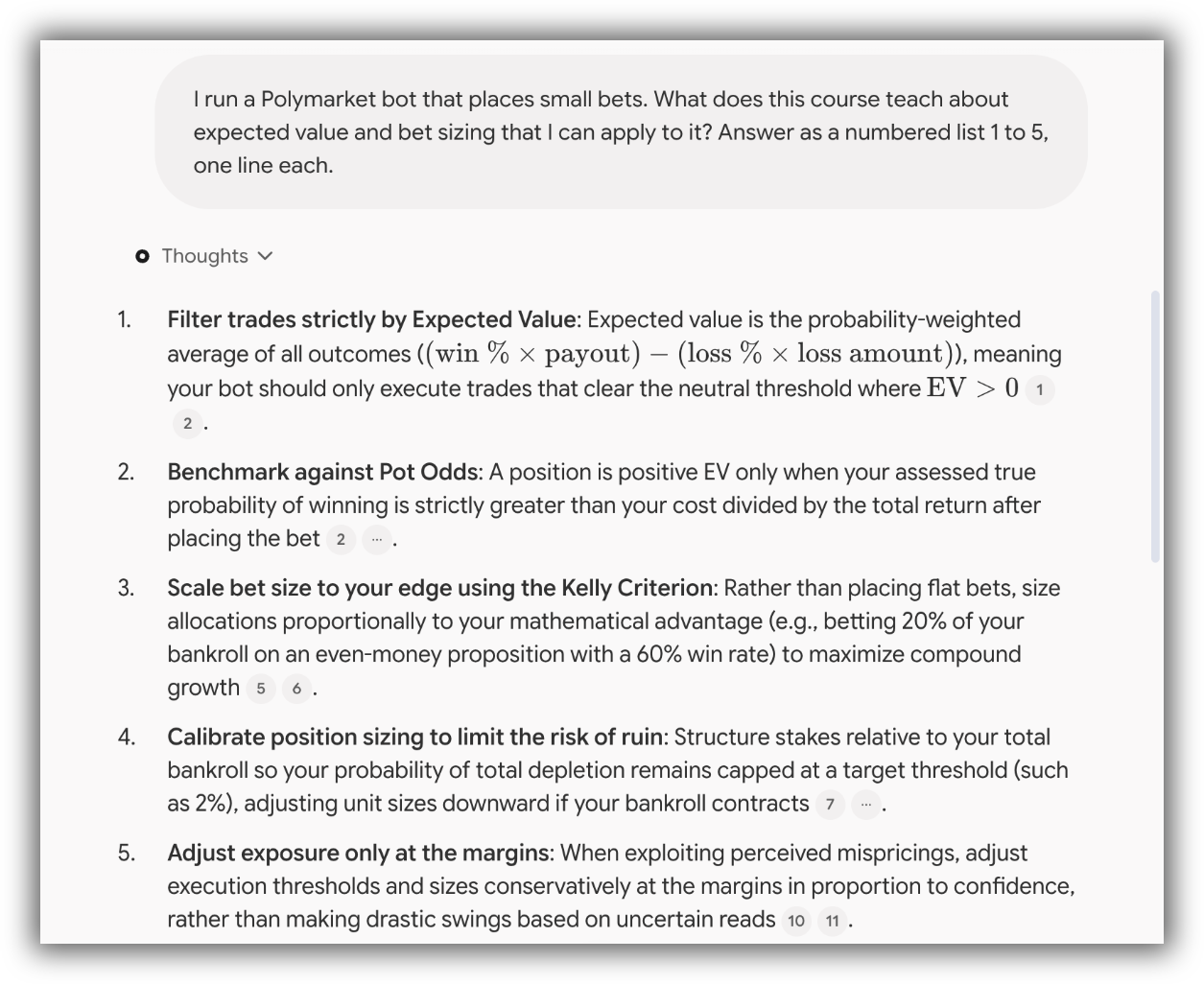
\Expected value, pot odds and the Kelly Criterion, applied to a prediction market bot.\
Only take a bet when the expected value is positive. Size it by your edge, not by your mood.
Connect this notebook to Claude Code and let it check your bot's rules. Read this one to discover how to connect NotebookLM and Claude.
Here is the link to this Notebook: <https://notebook.google.com/notebook/99357d3e-9de8-49d1-8449-683e6f12c12b>
Build Your Own Copy
Each notebook opens in chat mode, so you can ask it anything right away.
If you want your own copy, I put every source link for each notebook in one file.
Add the links yourself, and you get your own version built from the official channels.
Here is how the links become a notebook. I used the MIT Poker one.
Step 1. Open NotebookLM and click New notebook.
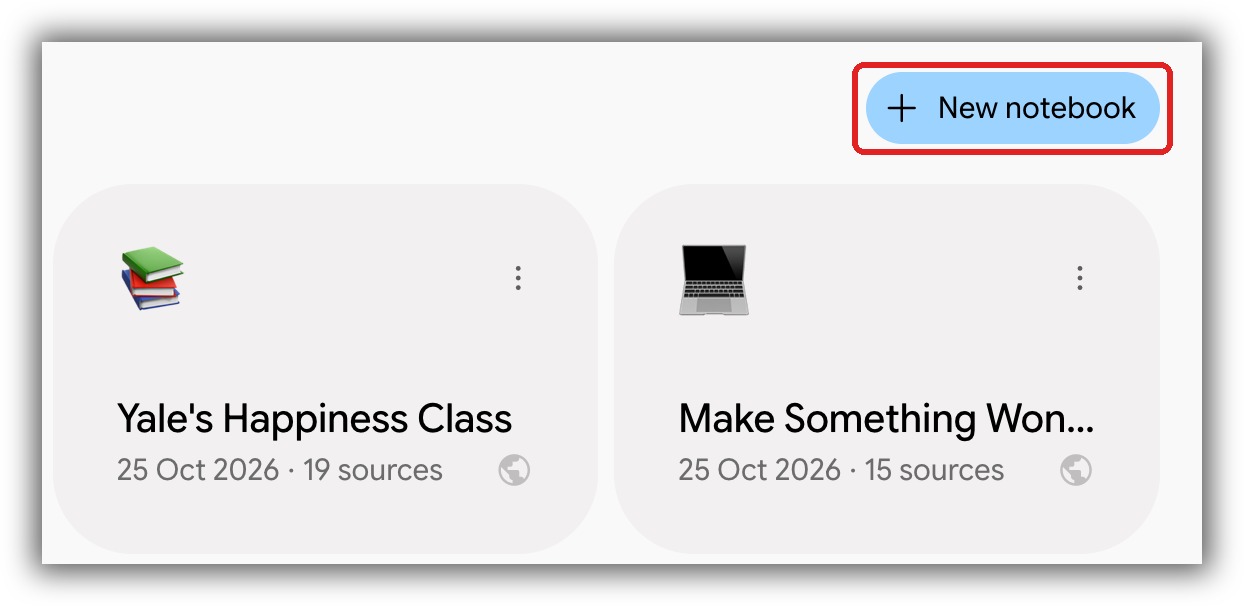
\Every copy starts as an empty notebook.\
Step 2. Click Add sources, choose Websites, paste the links, then click Insert.
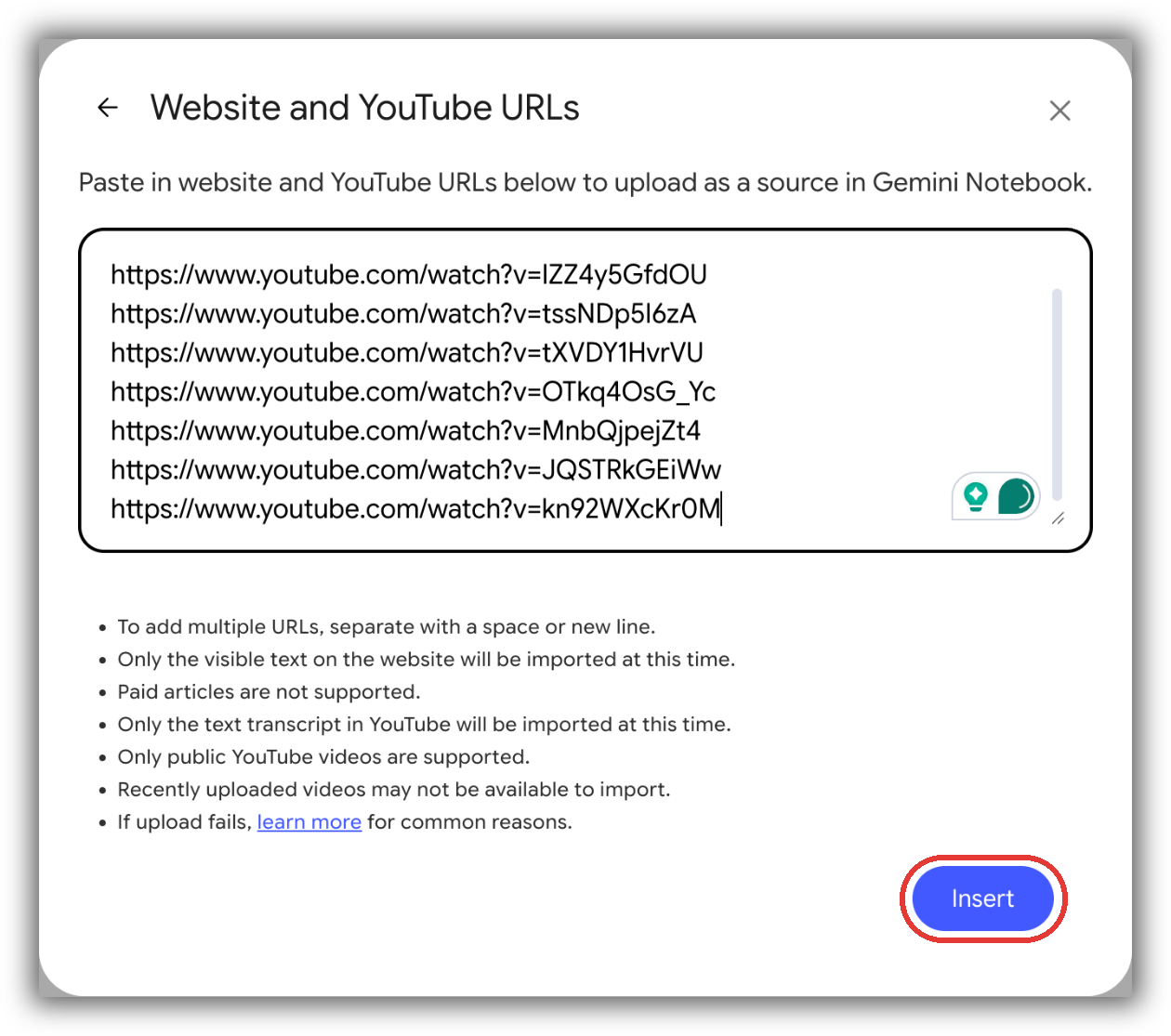
\Eight lecture links, pasted at once.\
Step 3. Wait until every source is ready.
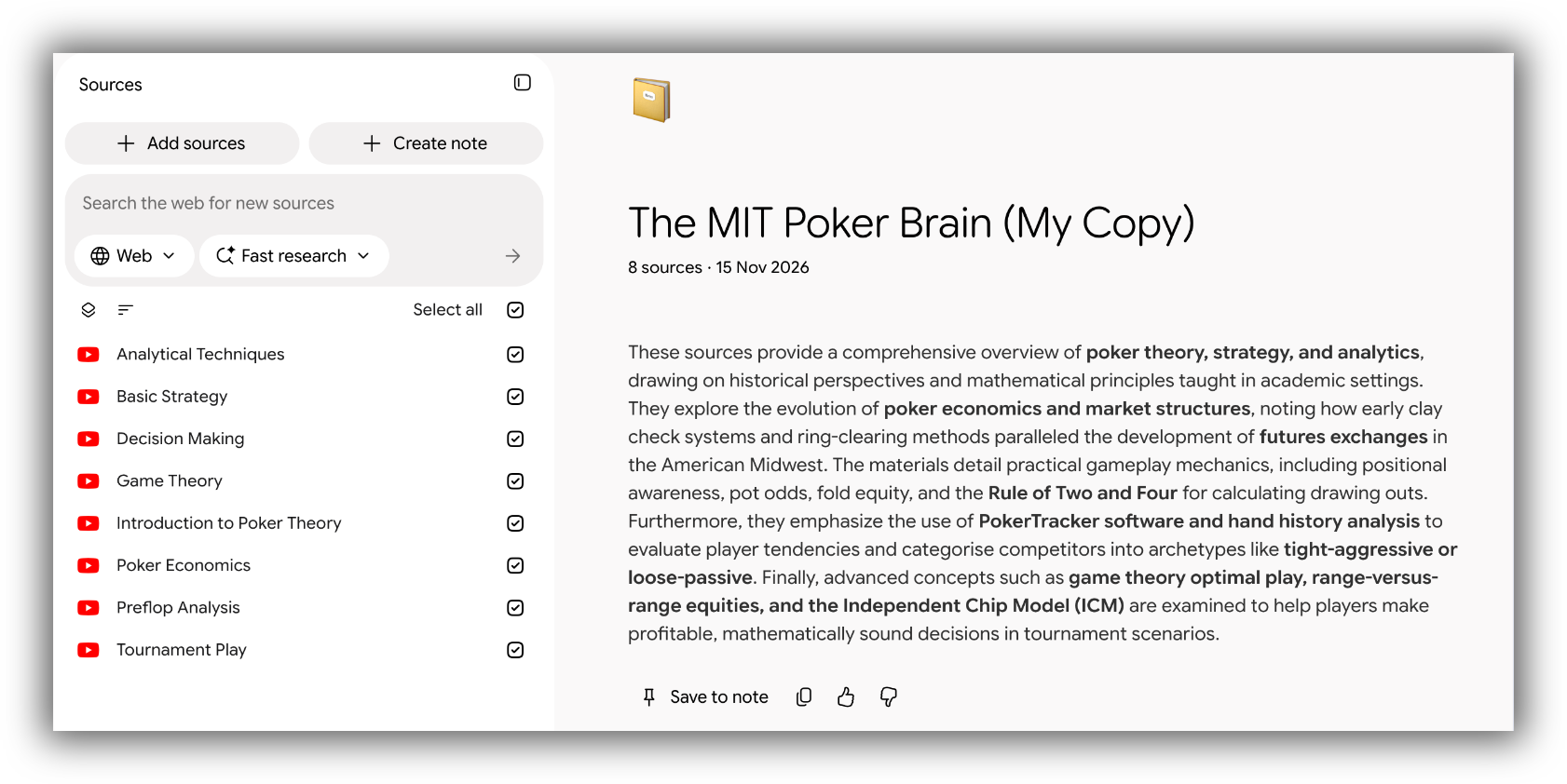
\All 8 lectures loaded from the MIT OpenCourseWare channel.\
Step 4. Ask your question.
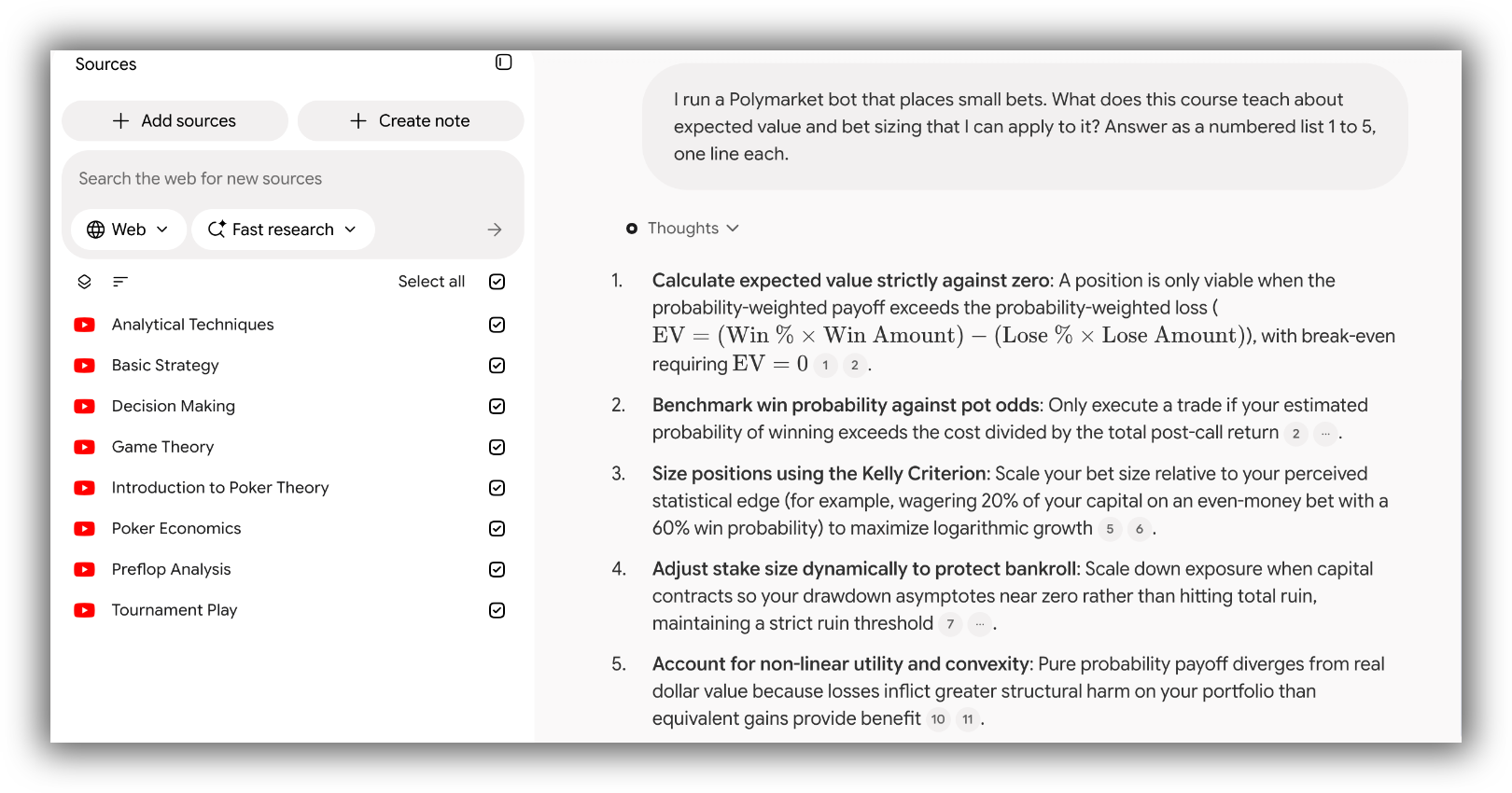
\Your own copy answers the same Polymarket question.\
Want my exact sources?
The file lists every link. Click Add sources and paste them in.
P.S. I keep the sources closed on the shared notebooks out of respect for the copyright of the people who made them, so the file gives you the links to build your own from their official channels.
Next Steps
Thanks for reading.
If you want to build with AI instead of only reading about it, you are in the right place.
Black Friday Discount
You just got 10 notebooks for free. The paid side is where the builds live.
Annual and Inner Circle subscribers get the Vault and every post I write.
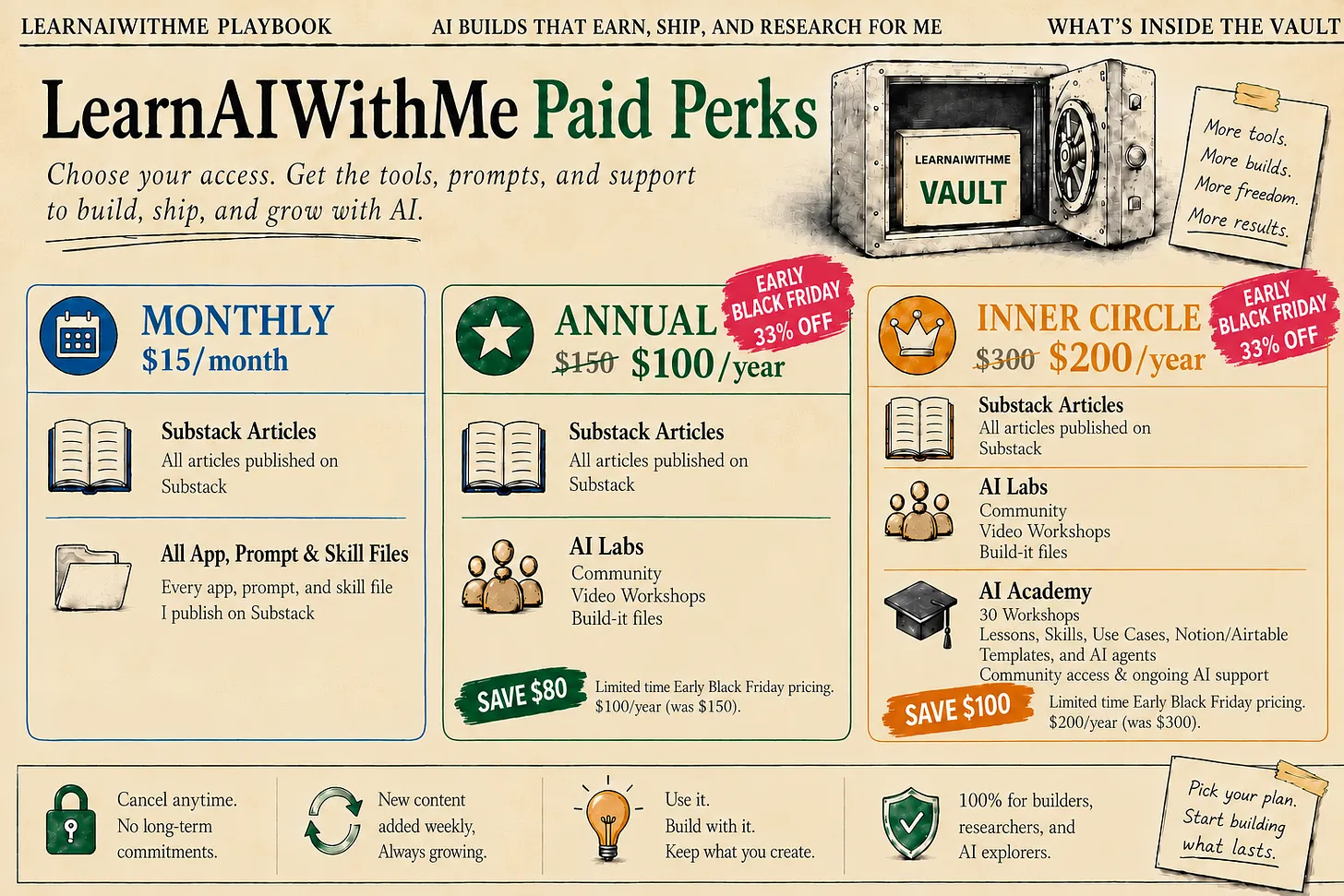
\Paid Perks\
- Inner Circle was $300 a year. Today it is $200. That is 55 cents a day, and it adds the AI Academy.
- Annual was $150 a year. Today it is $100. That is 27 cents a day, and it adds AI Labs with 1,000+ prompts.
The AI Academy has 2 new courses, MoneyTalks and Unfair Advantage.
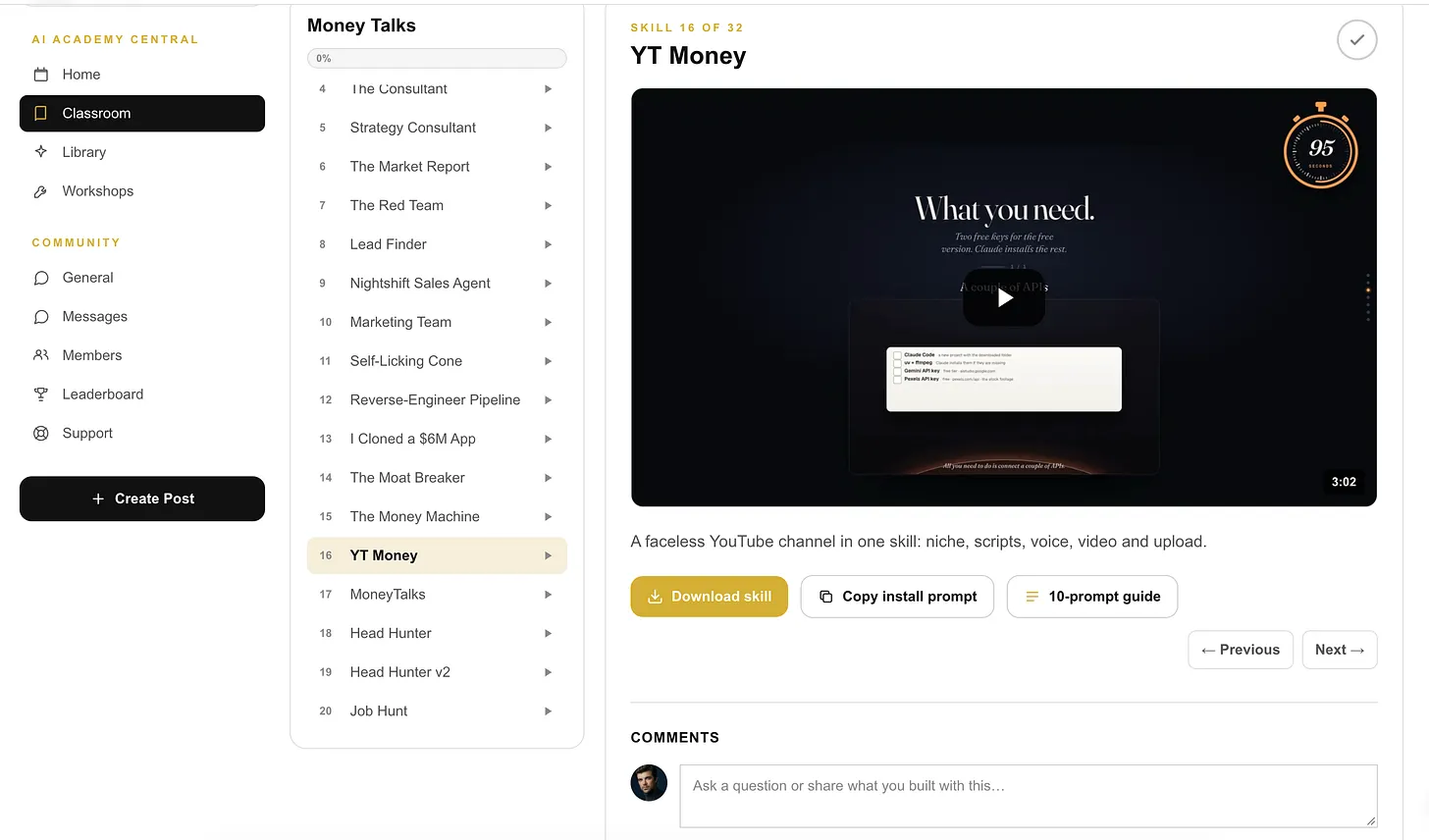
Every skill comes with a 180-second video and a copy-and-install prompt.
You watch it, install it, and run it in 3 minutes.
Join today, and your first skill is running before your coffee gets cold.
On December 1, both prices go back up.
Pay the early price once, and the whole year is covered.
See you on the other side.