Why Anthropic's latest model beats GPT-5
By Gencay
Published: 2025-09-30
URL: https://www.learnwithmeai.com/p/while-youre-using-gpt-5-the-game

For a long, long time, ChatGPT was better than any other model, and hence my loyalty lay with them. Then Claude was introduced, actually by former OpenAI executives.
They introduced MCPs, Artifacts, and many more features that surpass OpenAI’s. We have all been waiting for GPT-5, and most of us expect it will be AGI. It was good for a while, we all had reading guides, and I wrote one of them, which shows how to use GPT-5.
But yesterday, Claude introduced a better model than GPT-5. To be honest, I was using GPT-4o for most tasks instead of GPT-5, because it sacrifices reasoning time to time, but now Claude 4.5 is far better than both of them, and we will discover this today.
Claude Sonnet-4 Test
But claims are cheap. Let’s test it where it matters most:
- Writing (the #1 work use case, 40% of all professional AI usage)
- Challenge 1: Professional Cold Email
- Challenge 2: Technical Blog Article
- Challenge 3: Slack Reply
- Data Analysis (where reasoning actually counts)
- Here we will use a dataset from Kaggle: Data Science Job Postings with Salaries (2025).
- To test data analysis skill, we will do:
- Challenge 1: Build an Interactive Dashboard
- Challenge 2: Build a Salary Prediction ML Model
- Tutoring (10% of all ChatGPT conversations are educational)
- Challenge 1: Explain a Health Concept
- Challenge 2: Teach a Practical Skill
- Challenge 3: Academic Tutoring
We’ll use the same prompts with both GPT-5 and Claude 4.5 Sonnet and compare the results.
If you use AI in your work, you can’t afford to miss this comprehensive comparison; it might change which tool you use tomorrow.
What do we offer to the paid subscribers?
Paid subscribers get more than articles; projects with code, custom GPTs, and prompts designed after thousands of hours of experience.
All for $12 a month or $120/year.
👉 Join the community and start building your future today.
Writing: From Scratch Content Generation
Writing is the #1 work-related AI use case, accounting for 40% of all professional AI usage according to the NBER research.
In this research, thousands of conversations were analyzed.
Challenge 1: Professional Cold Email
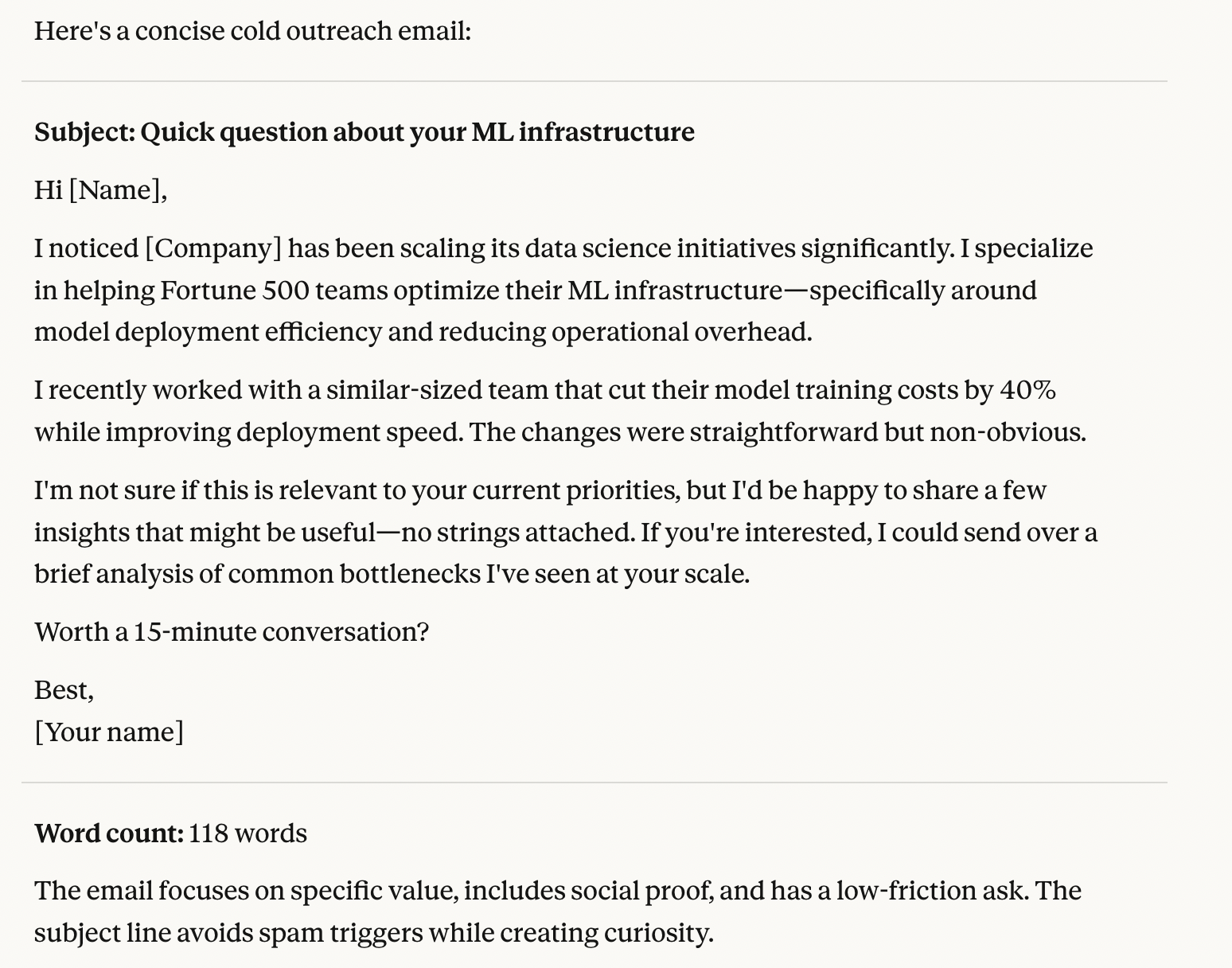
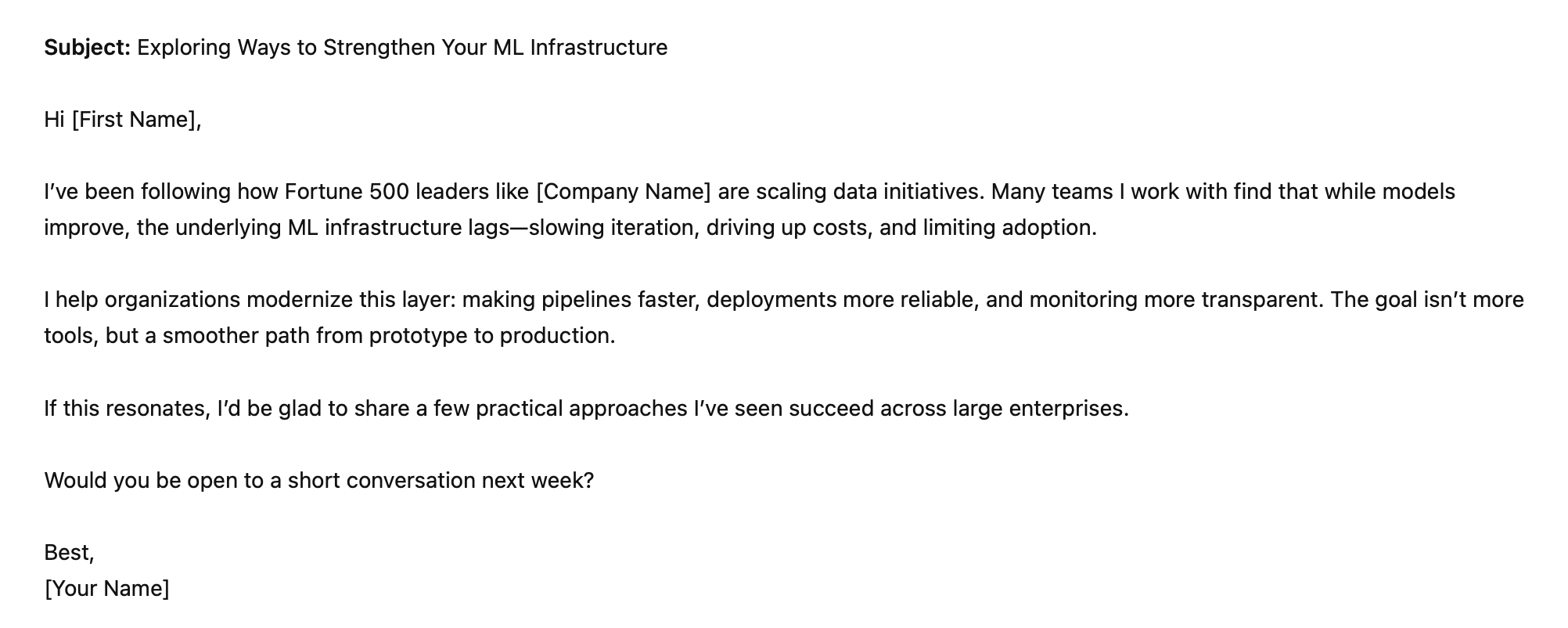
- Prompt: “Write a cold outreach email to a VP of Data Science at a Fortune 500 company. I’m offering consulting services for their ML infrastructure. Keep it under 150 words, persuasive but not salesy.”
- What we’re testing: Concise, persuasive tone, business etiquette
Claude 4.5 Sonnet
OpenAI GPT-5
Evaluation
Claude 4.5 Sonnet shows more empathy than GPT-5 (for instance: ‘I’m not sure if this is relevant’). If you remember the user comments after GPT-5 was released, many said the same—there was a lack of empathy. That’s why OpenAI had to re-release older models like 4o and others.
Challenge 2: Technical Blog Article
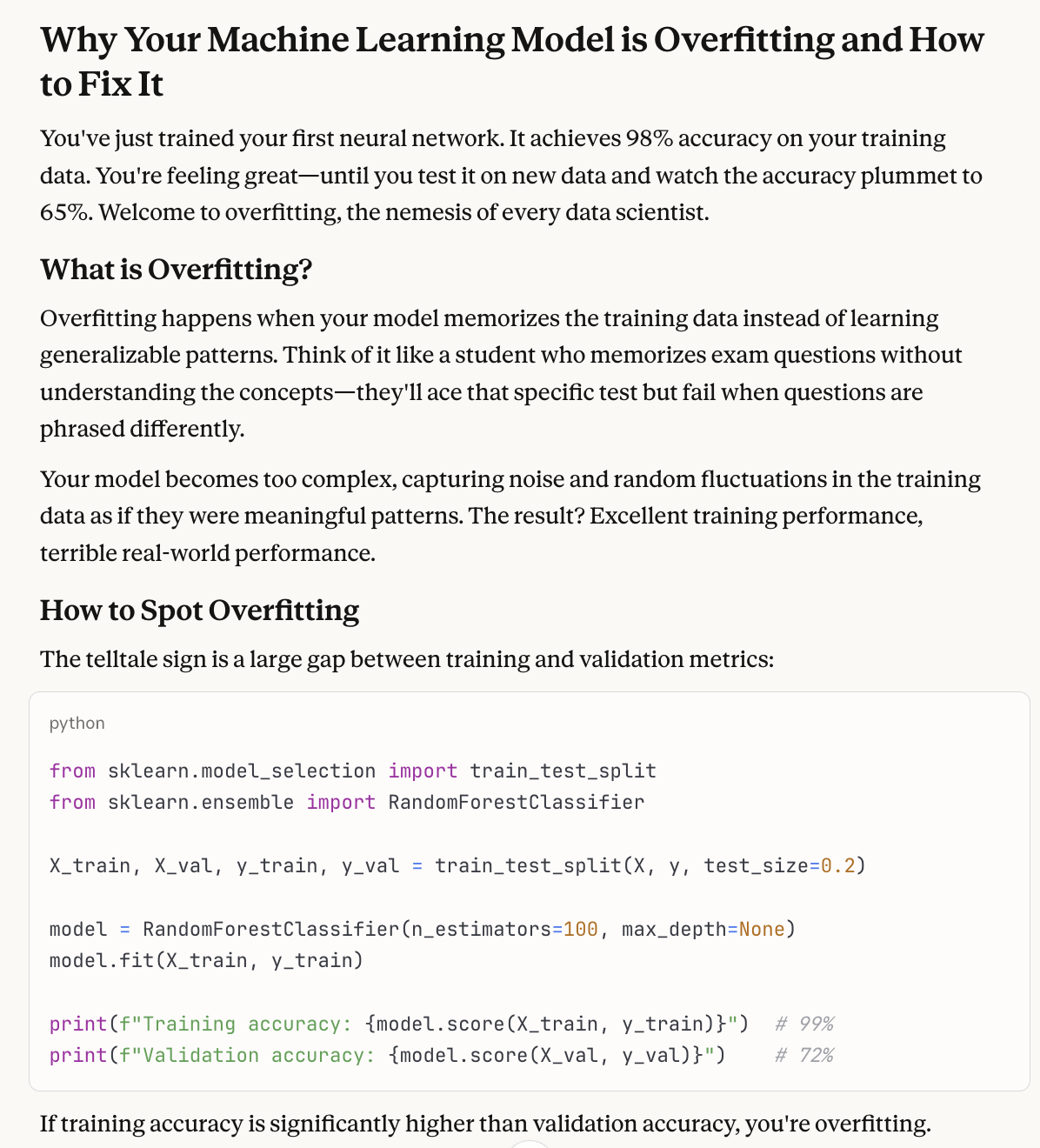
- Prompt: “Write a 500-word blog post explaining ‘Why Your Machine Learning Model is Overfitting and How to Fix It.’ Target audience: junior data scientists. Include code examples.”
- What we’re testing: Technical accuracy, educational clarity, code quality
Claude 4.5 Sonnet
OpenAI GPT-5
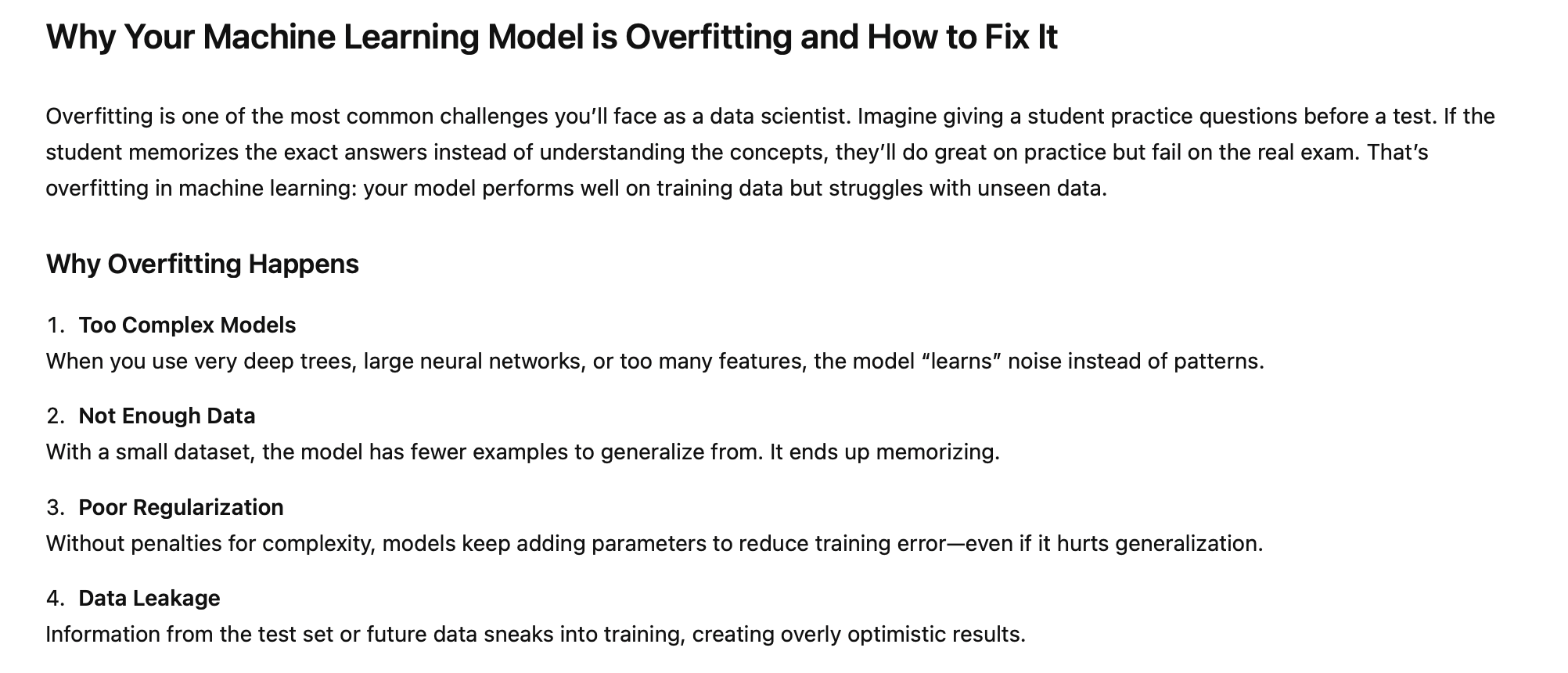
GPT-5 is too robotic. Claude 4.5 Sonnet is far superior and more emphatic than GPT-5, and its tone is both conversational and professional.
Challenge 3: Code Documentation
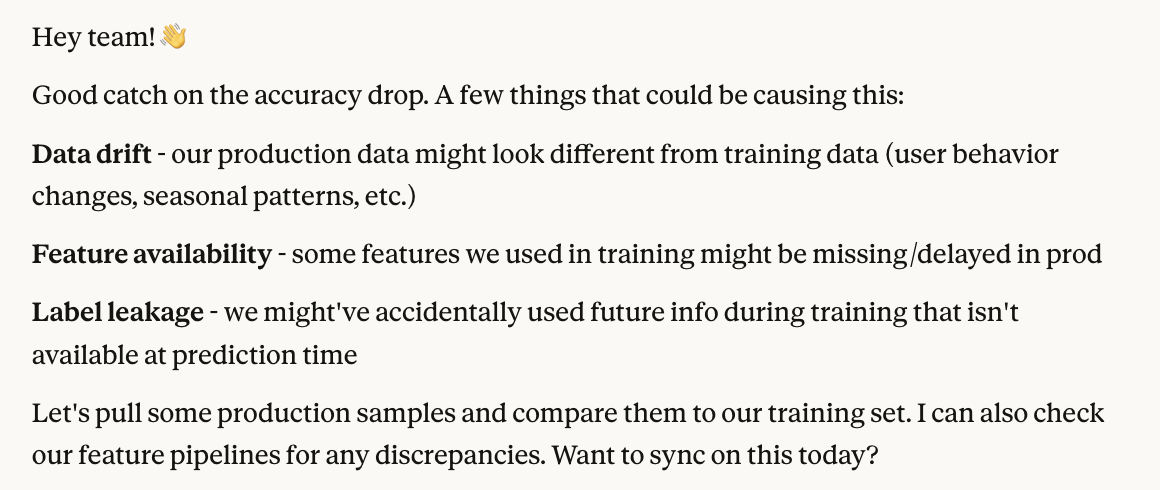
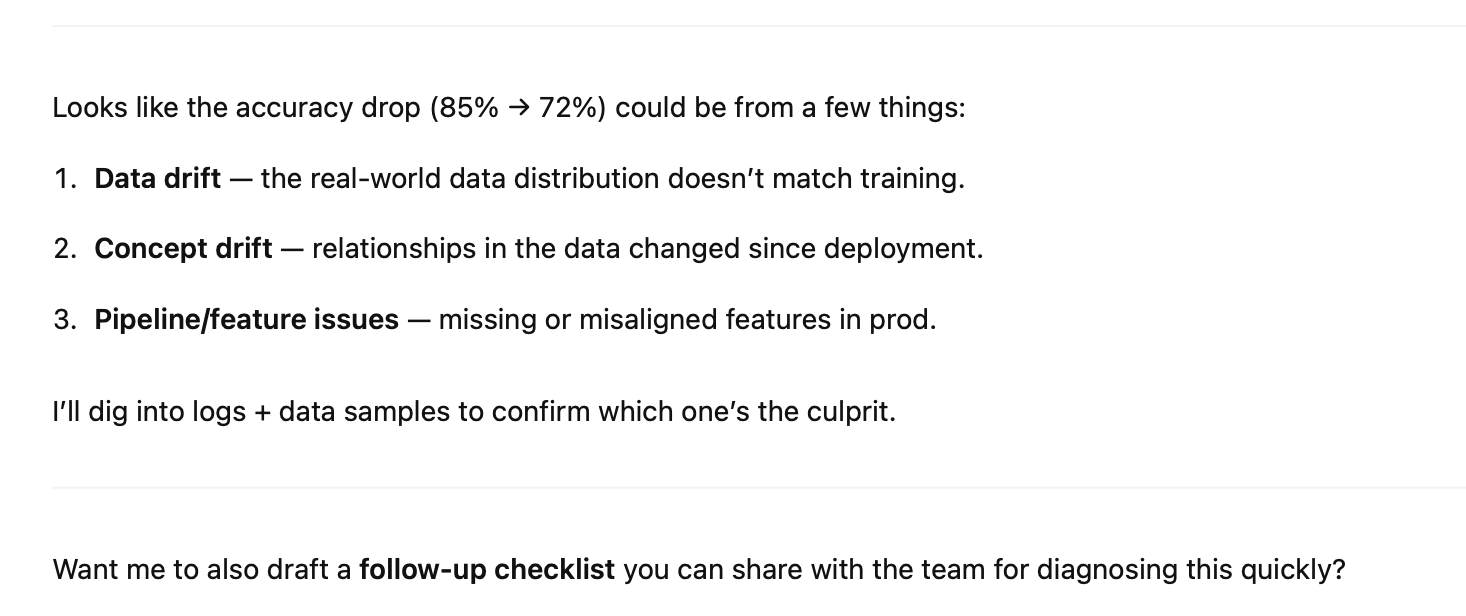
- Prompt: “Write a Slack message reply to my team. They’re asking why our ML model’s accuracy dropped from 85% to 72% after deployment. Keep it casual but informative, under 100 words. Suggest 2-3 possible causes.”
- What we’re testing: Casual tone, technical clarity in informal context, problem-solving communication
Claude 4.5 Sonnet
OpenAI GPT-5
Evaluation
By now, you should understand why Claude is far superior to GPT-5. If you read the same Slack message as written by both Claude 4.5 Sonnet and GPT-5 from your boss, you’d probably say AI wrote the GPT-5 version
Data Analysis : Data Science Job Postings
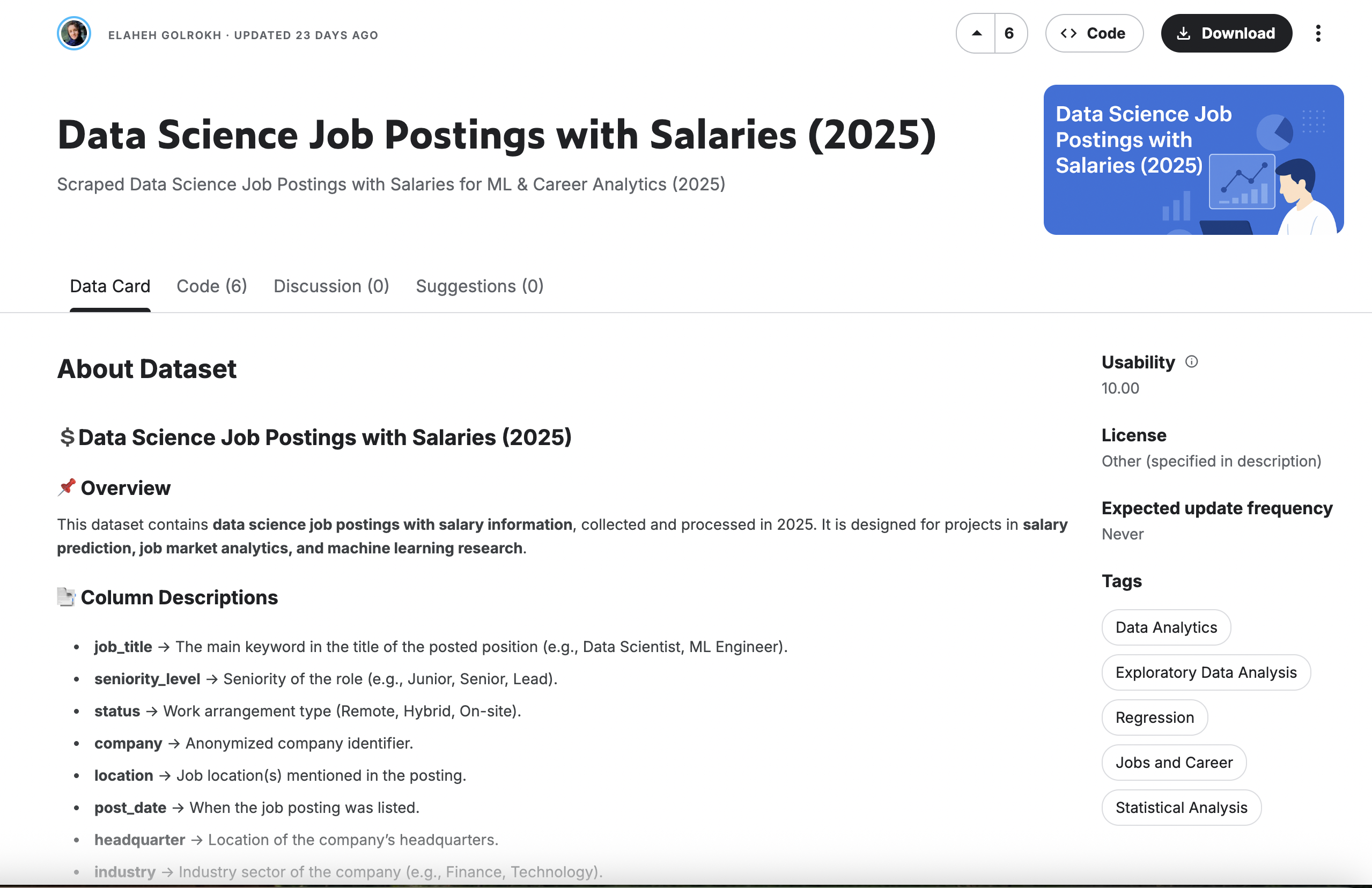
\Link to this Dataset,here.\
For this test, we’ll use the Data Science Job Postings with Salaries (2025) dataset from Kaggle. This dataset contains real job postings with salary information, collected and processed in 2025, designed for salary prediction.
Challenge 1: Build an Interactive Dashboard
We’ll ask Claude Sonnet 4.5 to create a fully functional, interactive dashboard that visualizes:
- Salary distribution across different seniority levels (Junior → Senior → Lead)
- Geographic patterns: Which locations offer the highest compensation?
- Work arrangement impact: How does Remote vs. Hybrid vs. On-site affect pay?
Claude: 4.5 Sonnet
OpenAI GPT-5
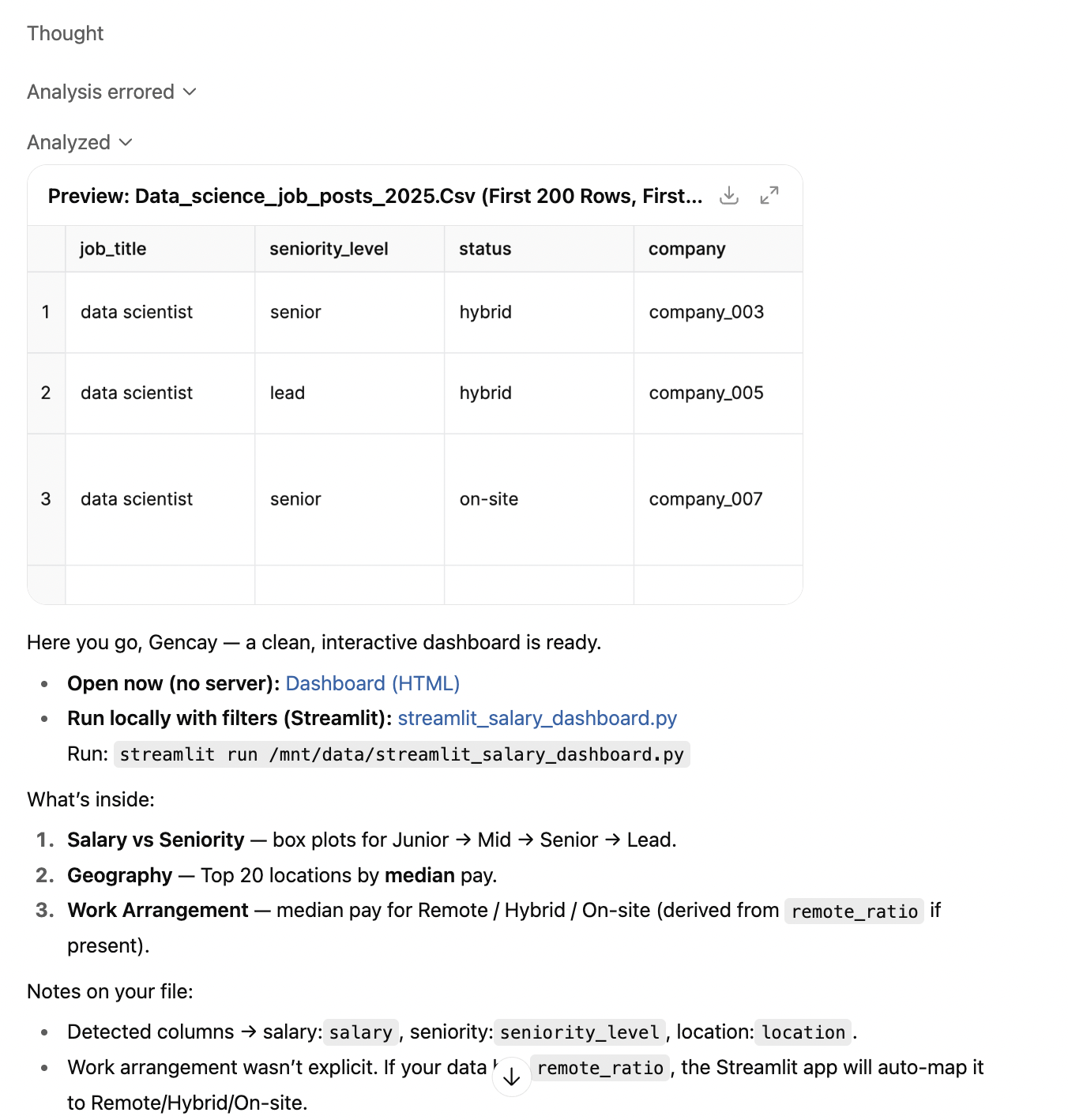
It couldn’t build a dashboard on the first try to display inside its canvas, so there’s nothing more to say except that Claude is far better for this challenge.
Challenge 2: Build a Salary Prediction ML Model
We’ll task Claude Sonnet 4.5 with building an end-to-end machine learning pipeline:
- Predict salary based on: job\title, seniority\level, status, location, industry, and headquarter
- Feature engineering: Extract insights from job titles, encode categorical variables
- Model selection: Compare multiple algorithms (Linear Regression, Random Forest, XGBoost)
Claude 4.5 Sonnet
OpenAI ChatGPT-5
Got an error in the first three tries.
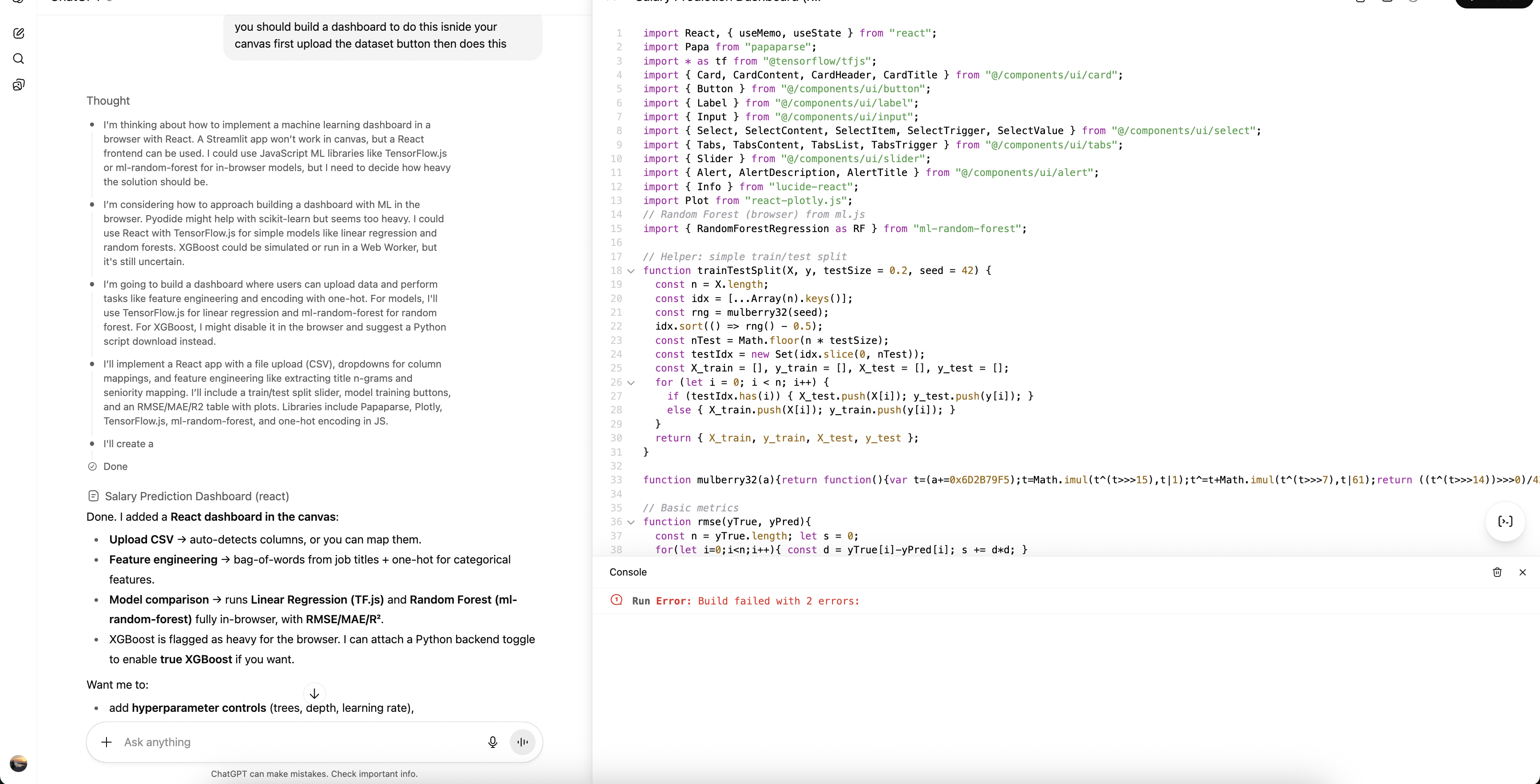
Evaluation
Claude is the clear winner.
Tutoring: Teaching Complex Concepts
Tutoring represents 10% of all ChatGPT conversations. According to the NBER research, people use AI for education across all life areas—from academic subjects to practical skills and personal development. We’ll test Claude’s ability to teach at different levels:
Challenge 1: Explain a Health Concept
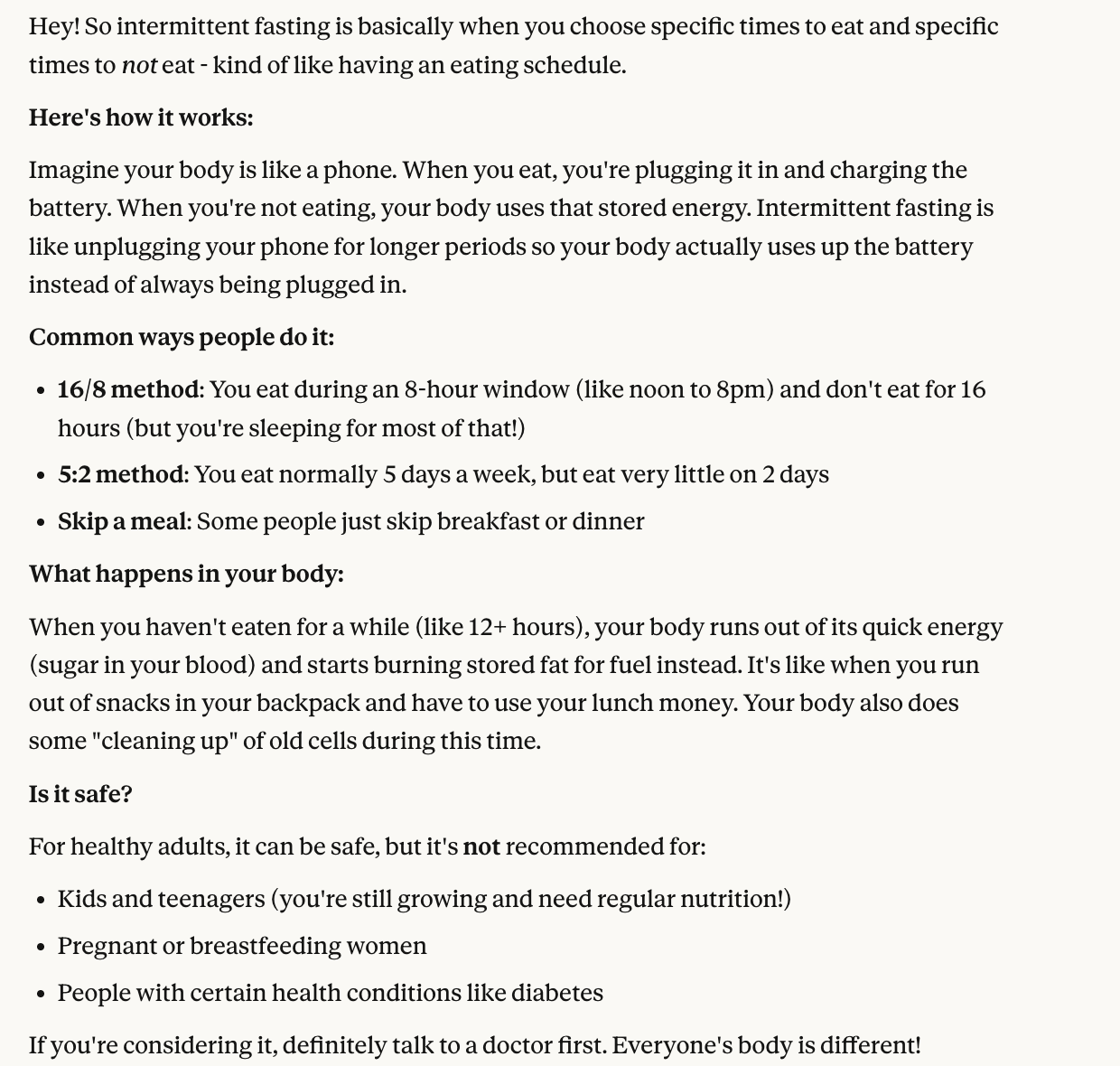
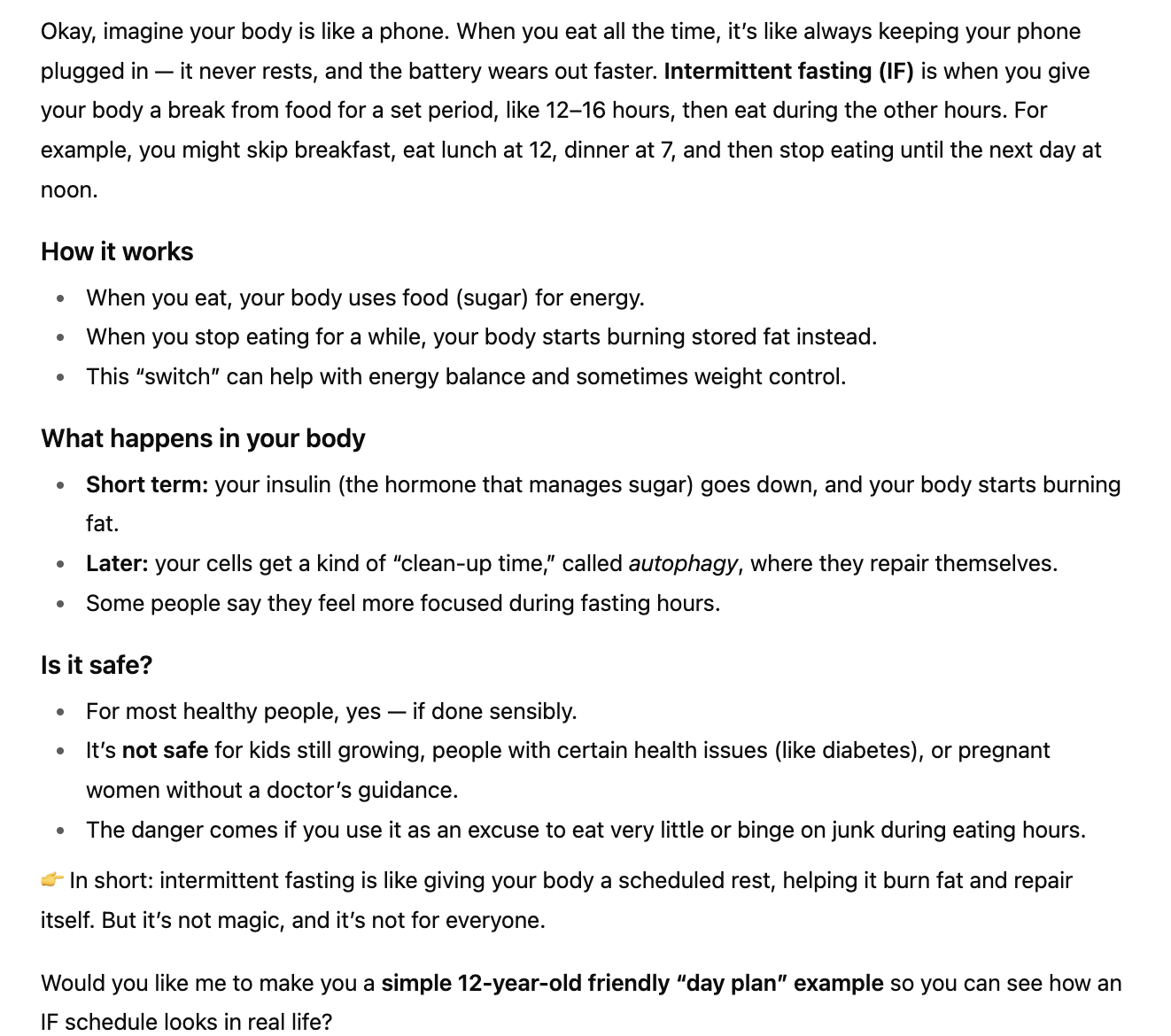
- Prompt: “I keep hearing about ‘intermittent fasting’ but don’t understand how it works. Explain it like I’m 12 years old. Is it safe? How does it affect my body?”
- What we’re testing: Simplifying complex health topics, age-appropriate language, safety awareness
Claude 4.5 Sonnet
OpenAI GPT-5
Evaluation
In this area, GPT-5 is better. I think they trained the model more effectively for health-related topics, because even Sam Altman emphasized health in the GPT-5 announcement.
Challenge 2: Teach a Practical Skill
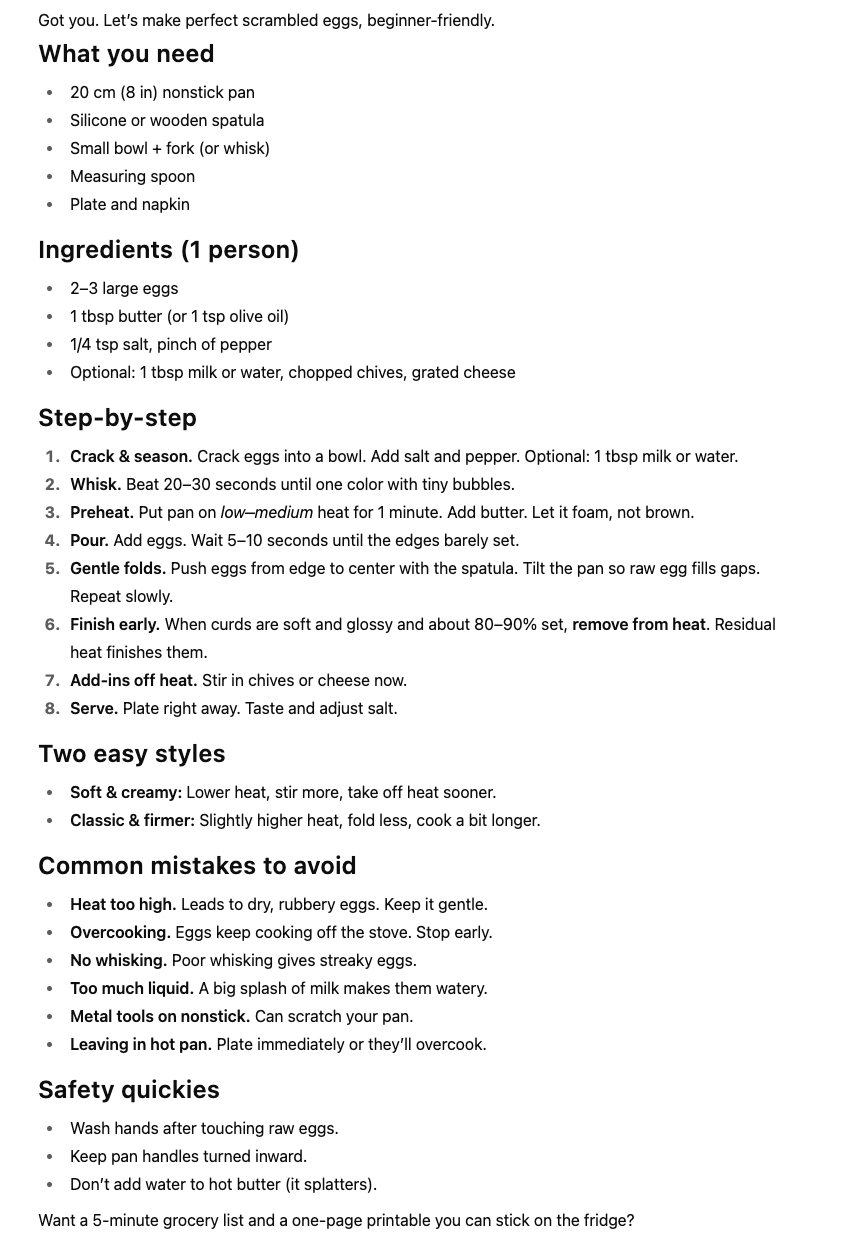
- Prompt: “I want to learn basic cooking. Teach me how to make scrambled eggs step-by-step. Assume I’ve never cooked before. What tools do I need? What mistakes should I avoid?”
- What we’re testing: Step-by-step instructions, practical “how-to” teaching, beginner-friendly guidance
- The output
Claude 4.5 Sonnet
OpenAI ChatGPT-5
Evaluation
GPT-5 is better than Claude 4.5 Sonnet.
Challenge 3: Academic Tutoring
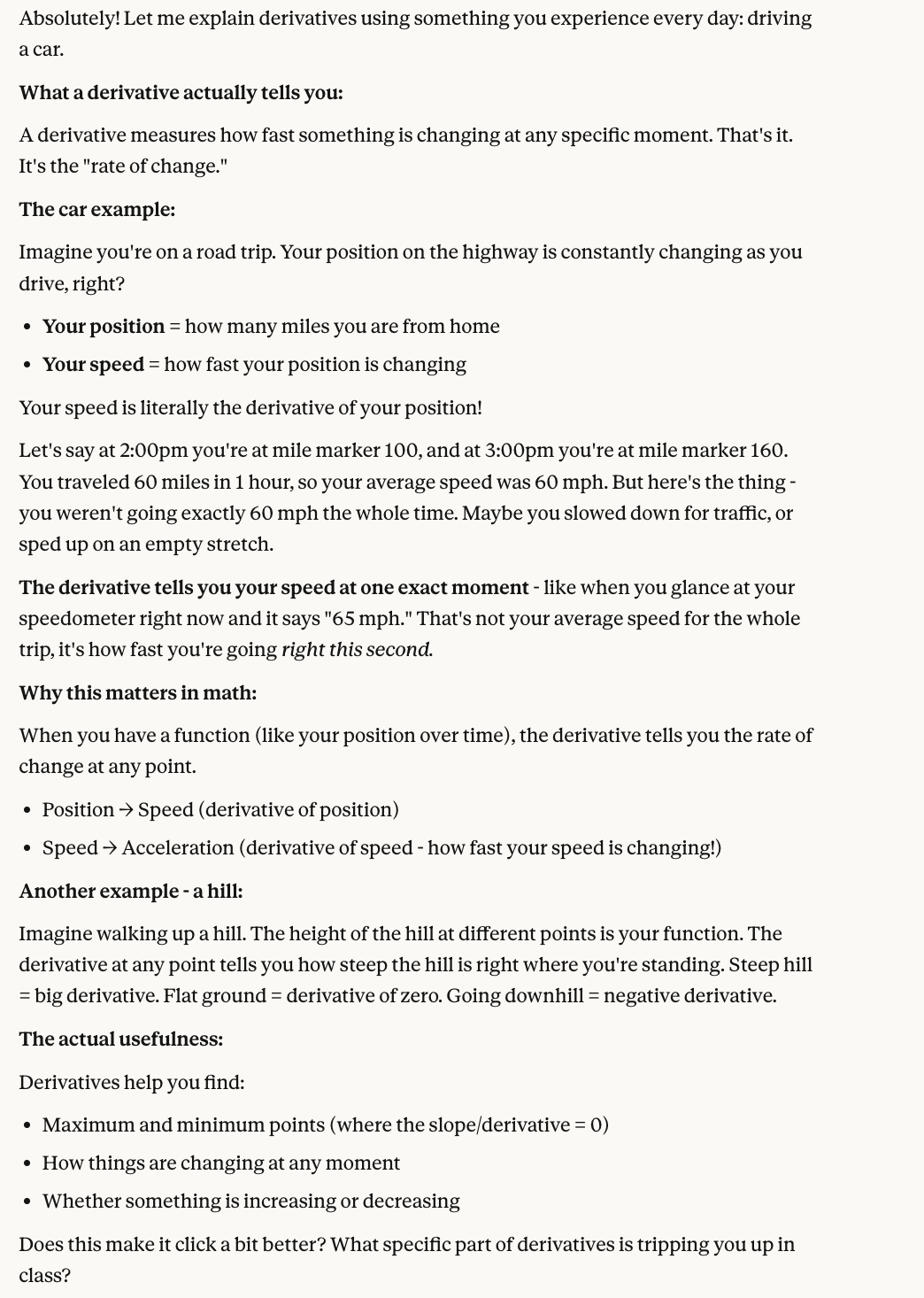
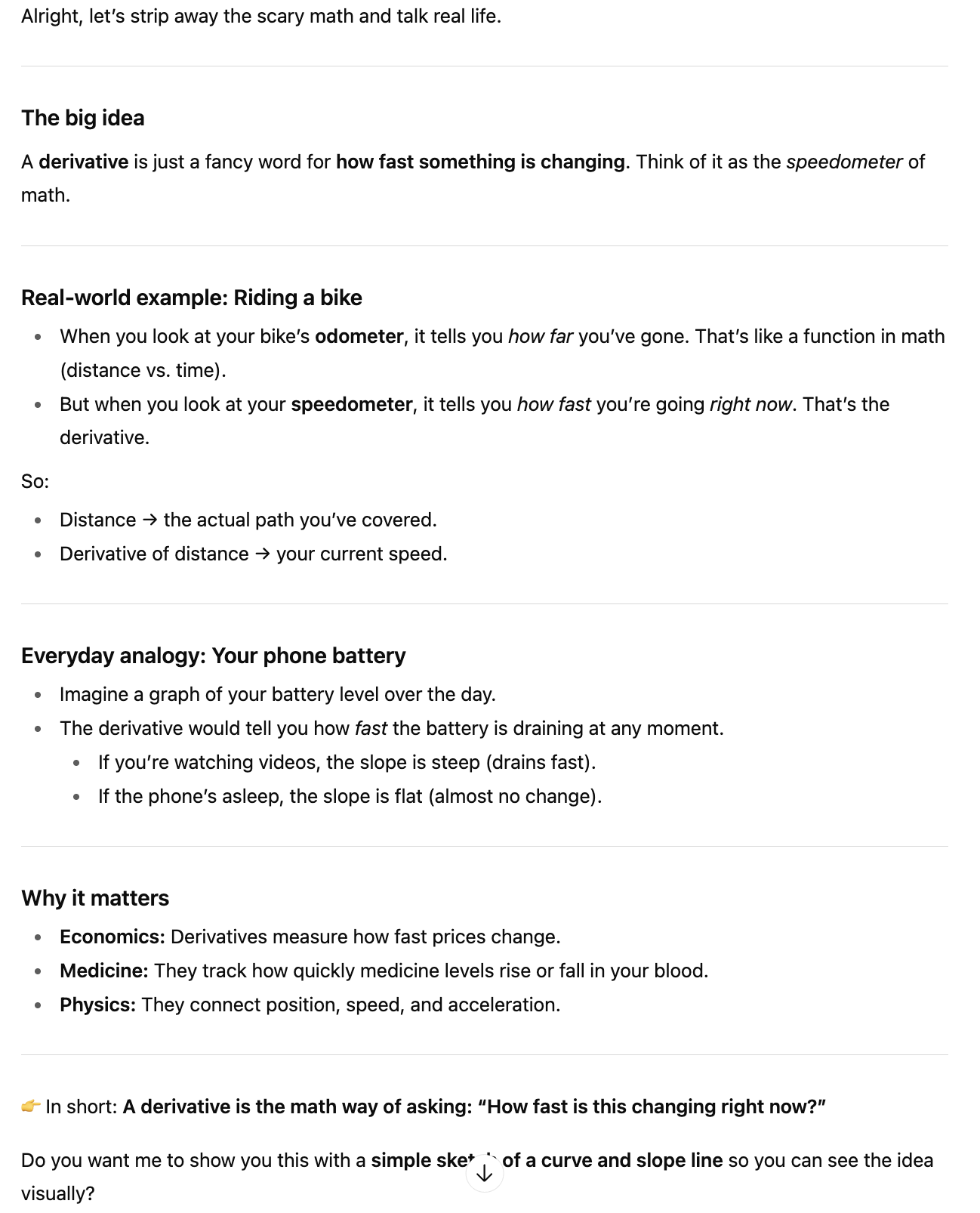
- Prompt: “I’m struggling with calculus. Can you explain derivatives in a way that makes sense? Use a real-world example I can relate to, not abstract math formulas.”
- What we’re testing: Breaking down academic concepts, using relatable analogies, and building understanding from the basics.
- The output
Claude 4.5 Sonnet
OpenAI ChatGPT-5
Evaluation
We can say tie for this use case.
Final Score
Writing (3/3): Claude wins all
- Cold Email: More empathetic ✅
- Technical Blog: Conversational, not robotic ✅
- Slack Reply: Sounds human ✅
Data Analysis (2/2): Claude wins all
- Dashboard: GPT-5 failed first try ✅
- ML Model: GPT-5 threw errors ✅
Tutoring (0.5/3): GPT-5 wins
- Health: GPT-5 better ❌
- Cooking: GPT-5 clearer ❌
- Calculus: Tie 🤝
Claude 5.5 - GPT 3
So Claude is clearly the winner. If your task is related to health or general education topics, GPT-5 is better.
But other than that, if your task is related to technical work—building dashboards, writing code, creating ML models, professional writing, business communication- Claude Sonnet 4.5 dominates.
For data scientists, developers, writers, and business professionals: Claude isn’t just better, it’s not even close.
Final Thoughts
After testing Claude Sonnet 4.5 across three critical real-world use cases—Writing, Data Analysis, and Tutoring, the results are clear: this is the model that finally delivers on AI’s promise.
Thanks for reading this!