I reverse-engineered 60,000 dating profiles to find the exact words that get more matches. The results will shock you!
By Gencay
Published: 2025-08-28
URL: https://www.learnwithmeai.com/p/data-project-4-cracking-the-dating

What if you could know exactly which words get more attention on dating apps? What if you could crack the dating algorithm like Ben Affleck's character did in "The Accountant 2"?
In this data project, we’ll reverse engineer 60.000 profiles, and we found that while some words get more attention, others are not liked at all, and I couldn’t believe some of the words on the list!
And I have to say, the accountant was right—there really are ‘date-producing words’ hidden in the data.
First, I needed data.
Lots of it!
Okcupid Profiles
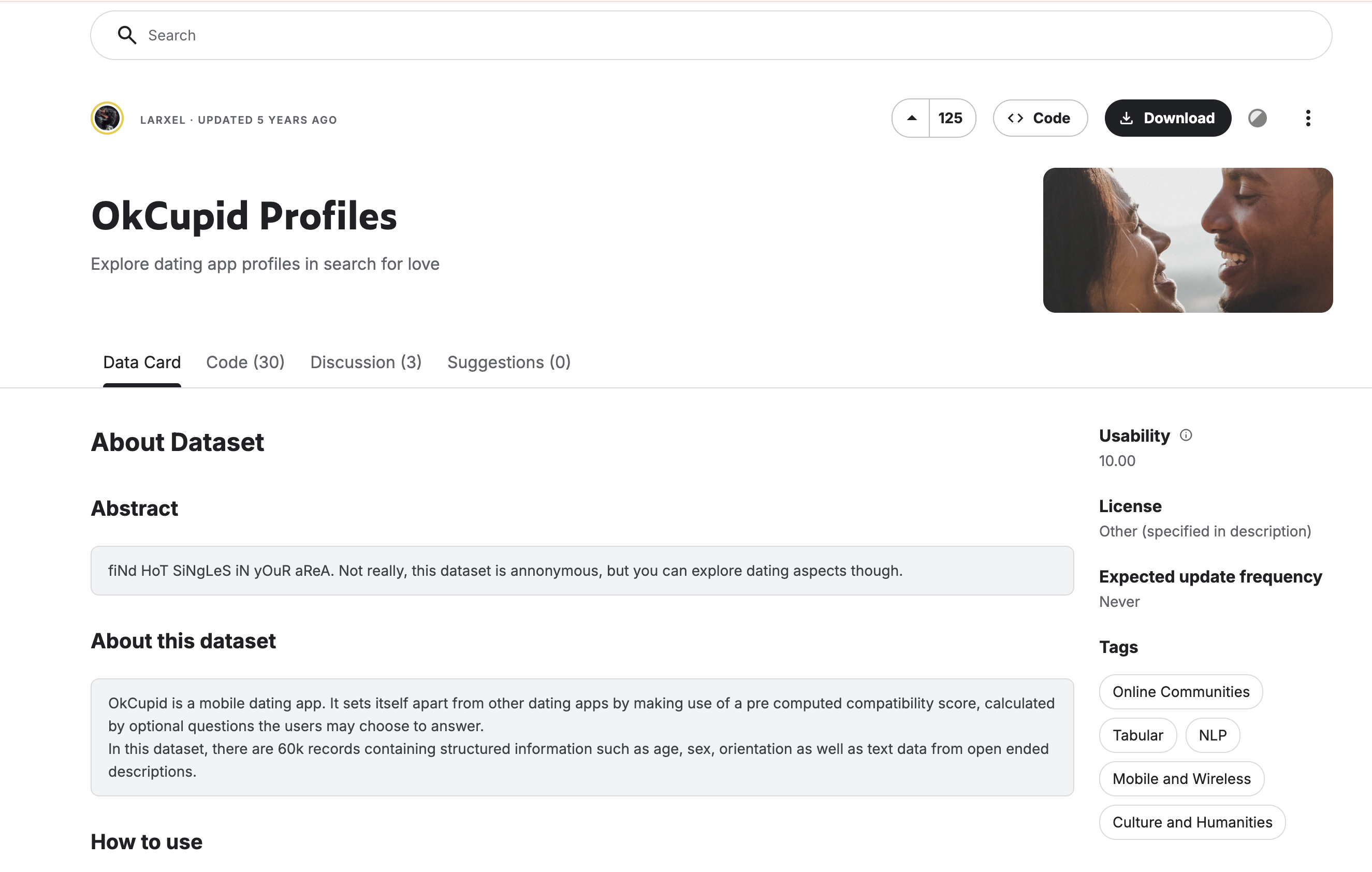
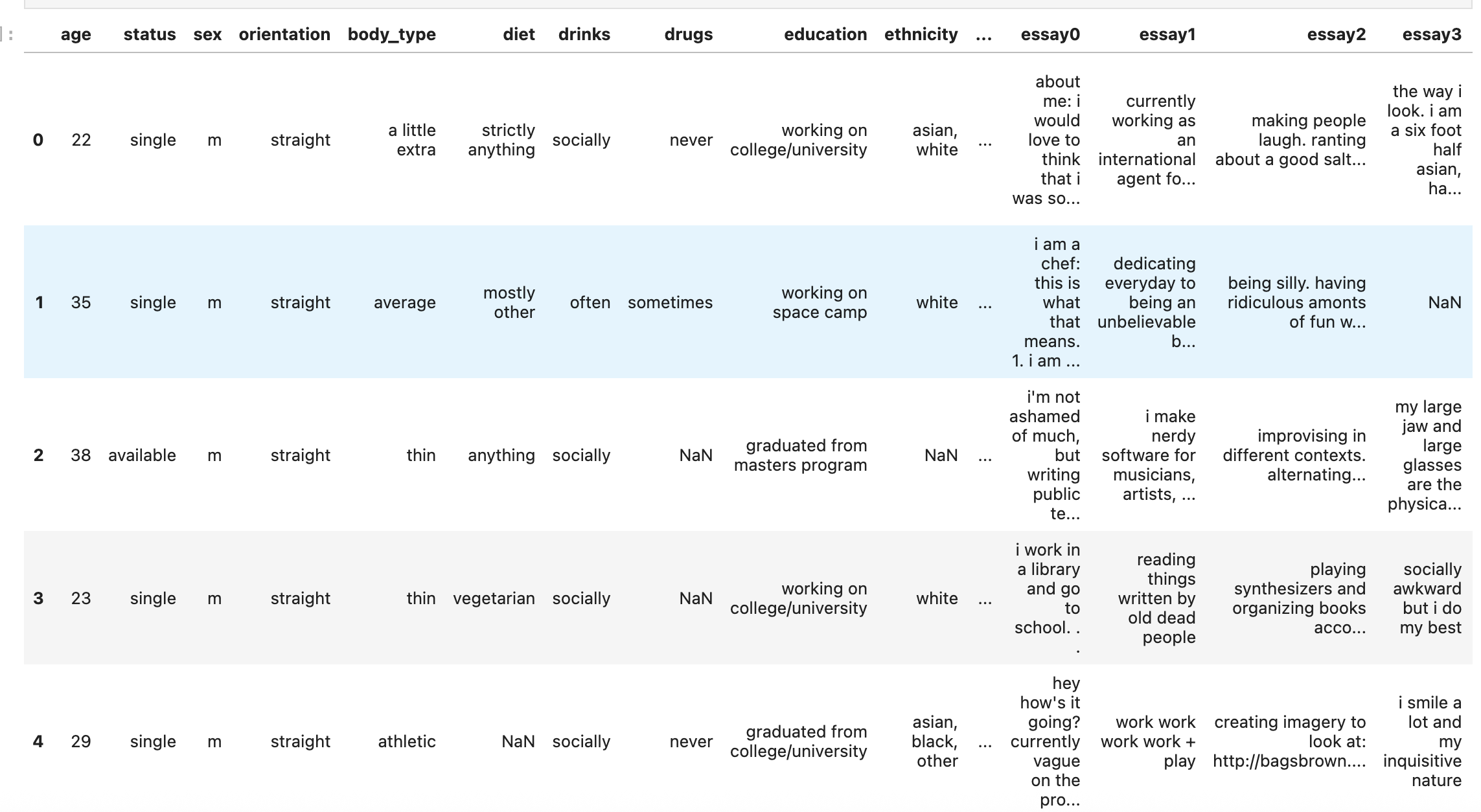
I found the motherlode: a dataset with 60,000 real OkCupid profiles. Each one contained demographics plus all the text people wrote about themselves - their hopes, interests, and personality quirks laid bare.
But there was a problem. How do you measure "success" in dating? I couldn't see who got matches or went on dates.
I checked, and no company has released this data, but I have to solve this issue somehow: demographic feature engineering.
Bot, let’s check the second dataset.
Speed Dating
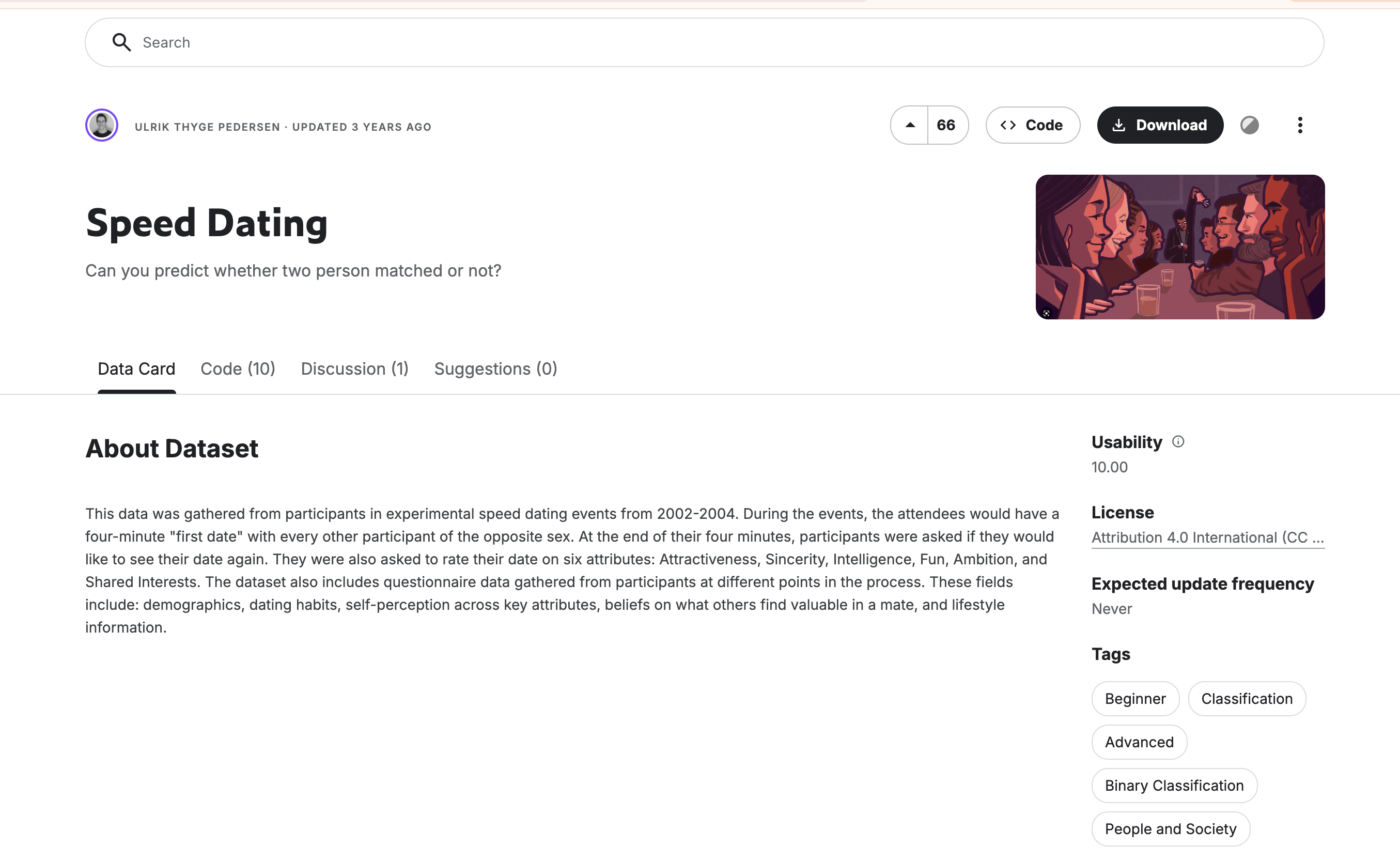
You can find the dataset here. This dataset contains data from 8,000+ real speed dating events where we know exactly who matched with whom - that's real success data.
Demographic Feature Engineering and Success Transfer

\Photo bySebastian MeieronUnsplash\
Here's where it gets clever. I figured out how to transfer real dating success from one dataset to the other.
Think of it like this: if 28-year-old Asian college-educated engineers from California with $80k income had a 73% match rate in speed dating, then OkCupid users with that exact same profile should inherit that success rate.
I created detailed demographic clusters using age, ethnicity, education level, job type, income, and location. Then I calculated actual success rates for each specific combination using the speed dating data.
Finally, I assigned those proven success rates to matching OkCupid users. The more precise the demographic match, the more reliable the success transfer. Someone who fit perfectly into a high-performing speed dating cluster got a high proxy success rate.
Someone matching a struggling demographic got a lower score. Suddenly, every profile had a success score based on real dating outcomes from people just like them.
Data Cleaning & Profile Preparation

\Photo byGil RibeiroonUnsplash\
Dating profiles are chaotic. Some people write novels, others barely manage a sentence. Many sections were left completely blank.
I had to combine up to 10 different essay responses per person - everything from "About me" to "Message me if..." - into one coherent text.
After cleaning out the junk and filtering empty profiles, I ended up with 57,822 complete dating personas. (For the technical details on data processing, check the full code in Google Drive.)
The Big Reveal: Date Producing Words
Using the accountant's method from the viral video, I split users into success groups based on their proxy success rates. The top 30% became "successful" profiles, and the bottom 30% became "unsuccessful" profiles.
I then analyzed which words appeared more frequently in successful profiles versus unsuccessful ones. This revealed the "date producing words" - terms that correlate with higher success rates.
🚀 DATE-PRODUCING TERMS (Top group over Bottom): college, graduated, majoring, berkeley, major, haha, studying, weed, going school, theatre, student, just graduated, philosophy, partying, dubstep, years old, university, graduating, young, video games, school, idk, smoke, disney, fuck, acting, college student, workaholics, vendetta, smoking
💔 Terms overrepresented in Bottom group: karaoke, passport, happy hour, lately, retired, therapy, snow, nyc, introvert, loyal, lived, cocktails, travel, old school, teaching, cable, family, balance, snowboard, goonies, grad school, took, camera, oysters, wire, dinner drinks, pics, bjork, gal, eating
(Full technical methodology available in the Google Drive notebook)
The Profile Length Factor
One surprising discovery emerged from the analysis:
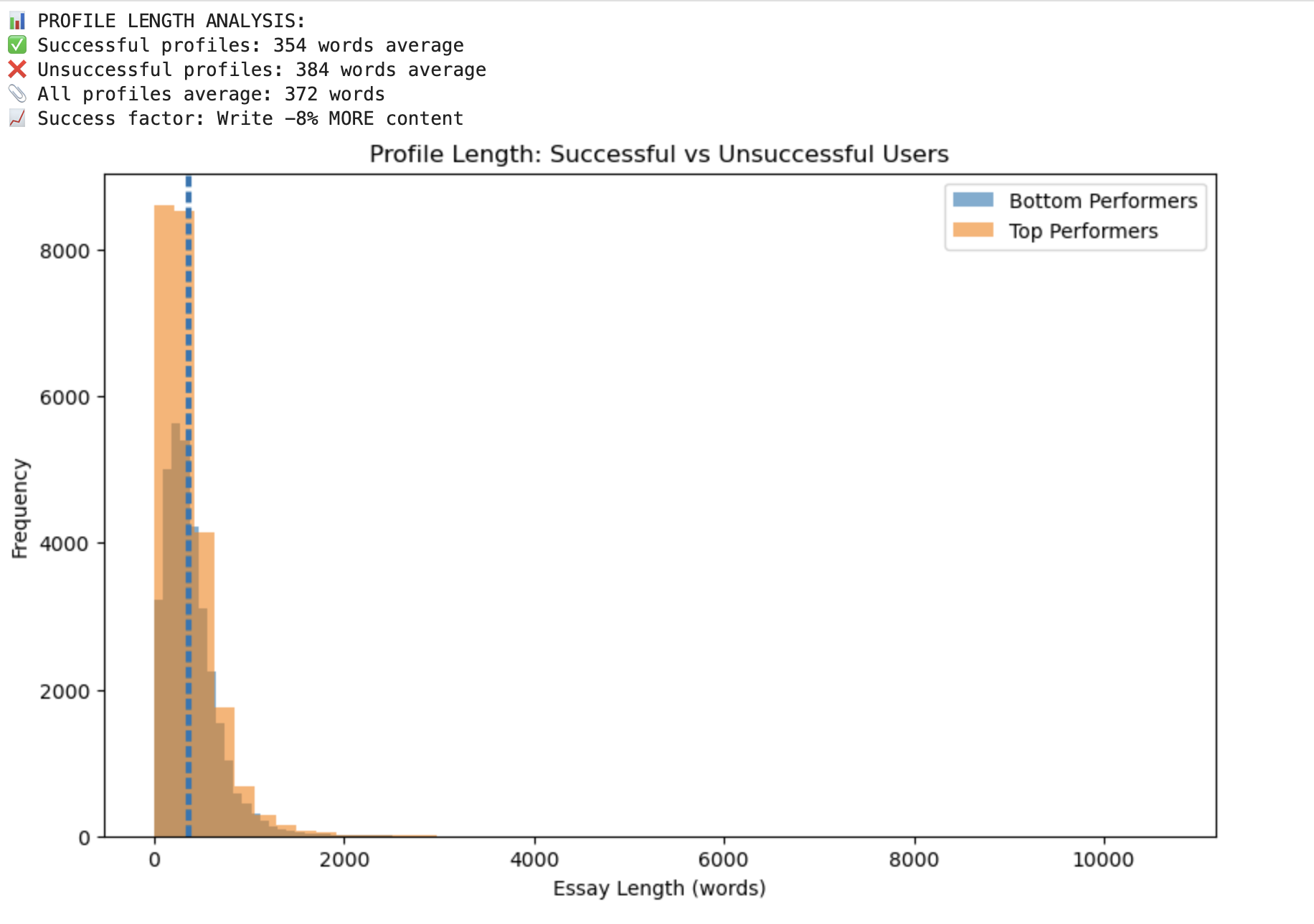
Contrary to conventional wisdom, shorter profiles actually performed better. This challenges the "write more to show effort" advice commonly given for dating profiles.
Advanced: The Accountant Method - Tokenizing & Embedding Matrix Analysis
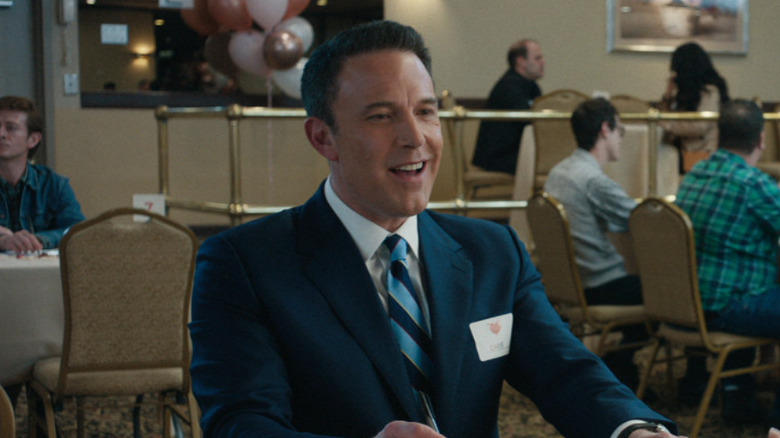
Remember that accountant's quote about "tokenizing and embedding matrix"? I replicated his exact methodology using machine learning.
I converted every profile into numbers that computers can understand. Each word becomes a score based on how important and distinctive it is. Then I fed all these numbers into a machine learning model to predict dating success.
The result? A system that could look at any profile text and predict with 63% accuracy whether that person would be successful in dating.
(Full technical methodology available in the Google Drive notebook)
🚀 TOP PREDICTIVE FEATURES (Success Indicators):
- 'college': 5.475
- 'haha': 3.108
- 'majoring': 3.102
- 'going school': 3.056
- 'major': 3.039
- 'graduated': 2.956
- '21': 2.686
- '23': 2.667
- 'just graduated': 2.535
- 'years old': 2.370
- 'weed': 2.347
- 'school': 2.276
- 'partying': 2.225
- 'student': 2.177
- 'video games': 2.109
💔 BOTTOM PREDICTIVE FEATURES (Failure Indicators):
- 'wire': -2.403
- 'happy hour': -2.147
- 'loyal': -2.117
- 'snow': -2.073
- 'passport': -2.061
- 'old school': -2.002
- 'therapy': -1.985
- 'karaoke': -1.978
- 'introvert': -1.955
- 'nyc': -1.914
- 'checking': -1.868
- 'grad school': -1.805
- 'family': -1.793
- 'goonies': -1.754
- 'cheesy': -1.736
Final Thoughts
That accountant was right - there really are "date-producing words" hidden in the data. After reverse-engineering 60,000 profiles, the patterns are clear: college-age language beats professional polish, casual tone trumps relationship-focused copy, and shorter profiles outperform detailed ones.
The data doesn't lie. Success in online dating isn't about showcasing your best adult self - it's about projecting youth, accessibility, and casual confidence. The algorithm rewards college energy over career accomplishments.
So next time you're crafting your profile, remember: be young, be brief, be casual. Skip the passport photos and therapy mentions. The machine has spoken.
Thanks for reading this one!