Data Science Evolution: Past, Present, and Future Insights
Published: 2024-02-28
URL: https://www.learnwithmeai.com/p/data-science-evolution-understanding

What if I told you that “data science” was almost unheard of just a few decades ago?
Today, it stands as a cornerstone of modern analysis, driving innovations and decisions across the globe.
In this one, we’ll explore its humble beginnings, current impact, and the exciting future that lies ahead.
Data Exploration

\Photo byMarkus WinkleronUnsplash\
Past: Manual Methods and Basic Tools
In the early days, exploring data was a slow, manual process. Data scientists used simple tools like Excel and traditional software such as SAS or SPSS.
Their work focused more on testing specific ideas than on freely exploring the data. Because these tools had trouble with big datasets and only offered simple charts, insights were often limited.
Now: Interactive and Advanced Exploration
Today, we’ve made huge strides in how we explore data. Thanks to Python and R and powerful libraries like Pandas and Matplotlib, data exploration has become much more sophisticated and interactive.
Tools like Jupyter Notebooks have made the process dynamic, letting us see results and adjust our approach in real time. We’re now more focused on digging into data to find patterns and insights before building complex models.
Future: AI-Powered and Efficient
Data exploration is set to become even smarter and more efficient. With AI and ML getting more woven into our tools, we’ll see automation take off.
AI could start suggesting which analyses to run, spotting patterns independently, and finding the best ways to visualize our findings. This shift could save time, letting data scientists dive deeper into strategic work.
We also expect better tools for visualizing data and interactive dashboards that can handle big data in real time, all supported by cloud technology for more power and scalability.
Data Analysis
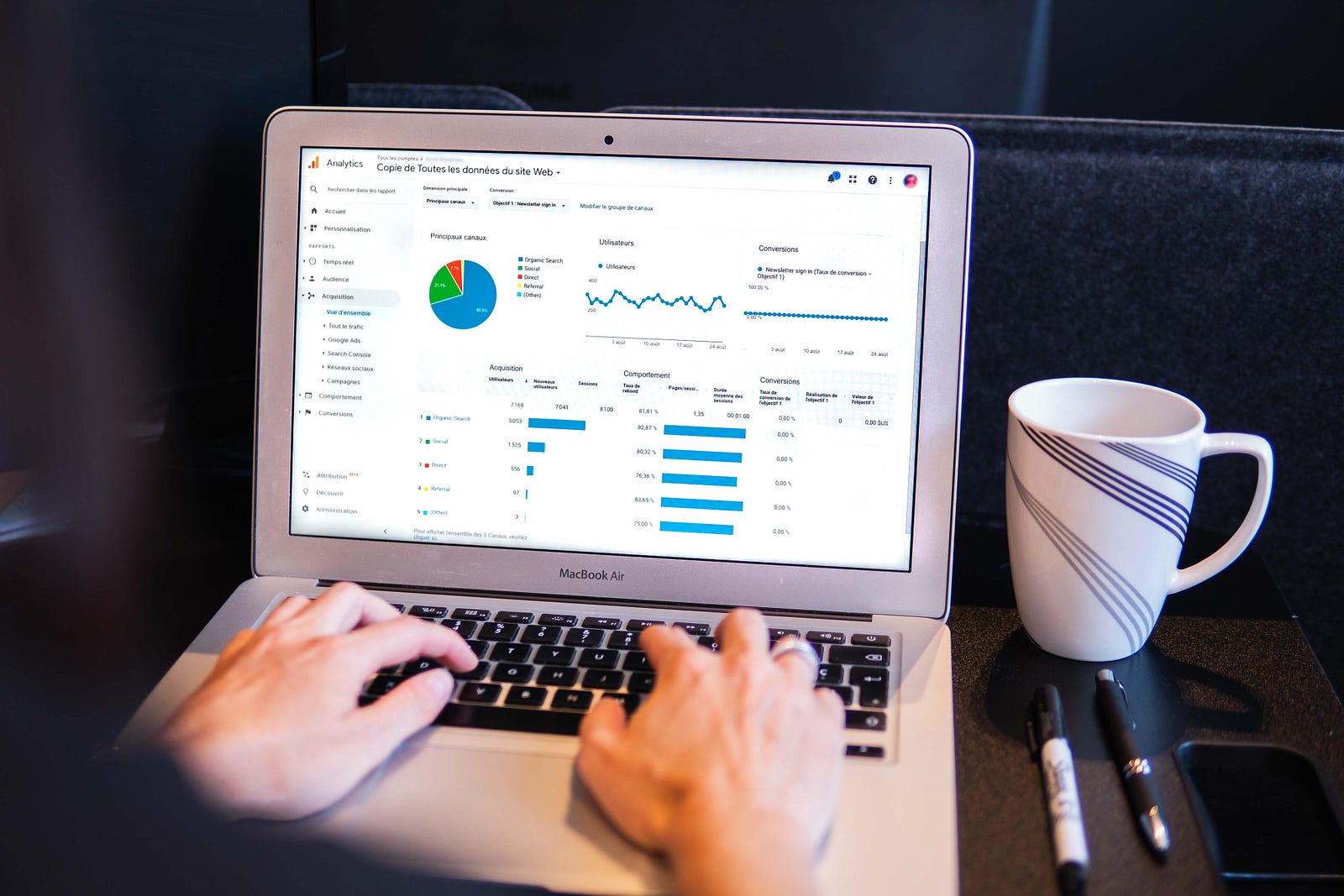
\Photo byMyriam JessieronUnsplash\
Past: Simple Tools for Clear Questions
Data analysis was once a straightforward task. Analysts used basic software like Excel and SPSS to look at numbers and find clear answers. They worked with small, well-organized data, focusing on simple questions and using easy charts for answers.
Present: Exploring the Depths of Data
Now, data analysis has grown. We use complex methods and dive into all kinds of data with Python and R. Our tools have improved, allowing us to explore, predict, and suggest actions based on the data.
We can see our findings in dynamic ways with tools like Tableau. Analyzing big data sets is also key, thanks to technologies like Hadoop.
Future: Instant Insights and Automated Analysis
Looking ahead, data analysis will focus on immediate and accurate results. AI will help our models learn on their own from new data. We’ll analyze all data types, including text and voice, more efficiently.
Real-time data from the Internet of Things will help us make quick decisions. Cloud computing will support our work with large data sets, and we might use advanced tools and augmented reality to make complex data easier to understand.
Model Building
\Photo byMarkus WinkleronUnsplash\
Past: Simple Beginnings in Model Building
Model building began with simple stats models and straight-line guessing. At first, we had little data and less computer power, so we used easy models that didn’t ask much from our machines.
We relied on basic methods like log odds guessing and branch diagrams. Much of the effort was manual, like choosing traits and adjusting models.
Only a few areas, like money matters and selling, used these models, where the data was more straightforward.
Present: A Leap to Complexity and Automation
Today, we’re in a brand new era of making models. Big data and strong computers have introduced machine and deep learning into many fields. With tools like TensorFlow and PyTorch, crafting complex models has gotten easier. Now, we aim at models that handle lots of unorganized data, like images or spoken words.
We also have AutoML to aid in picking and tuning models, making data science simpler for all. Plus, putting models to use is easier with tech like Docker, so we can make our models work in real settings more smoothly.
Future: Towards Full Automation and New Horizons
In the future, making models will probably get even more high-tech and automatic. AutoML might reach a point where models can nearly build and launch themselves, opening up data science to many more people.
Quantum computing could revolutionize how fast we process data. We’re also seeking methods to make AI clearer so we understand its decision-making.
Plus, with federated learning, we could train models across numerous devices while keeping data private, which would be fantastic for customized healthcare and beyond.
Model on Production
\Photo byCrystal KwokonUnsplash\
Past: Manual Efforts and Challenges
Putting models to use used to be hard. Data experts had to manually shift their models from their design software to real-world systems.
This often meant recoding the model in another language, which could cause errors. Updates were sluggish since there wasn’t a solid method to monitor models after launch.
The concept of constantly updating and enhancing models hadn’t fully caught on, slowing progress.
Present: Smoother Deployment with New Tools
Putting models to work is much simpler with the latest tools and methods. Docker and Kubernetes let us transfer models smoothly. We’re applying CI/CD (continuous merging and releasing) for machine learning, speeding up the testing and rollout of new models.
Tools like TensorFlow Serving and FastAPI enable us to launch our models as web services quickly.
Cloud services like AWS and Google Cloud simplify the setup and management of our models’ environments with little effort.
Future: Seamless Integration and Faster Insights
Looking forward, preparing models for use will become even smoother. AI might automate much of the process, like ensuring models are optimized for their intended hardware.
Thanks to edge computing, models will operate closer to the data source, enhancing the speed and reliability of technologies like self-driving cars and real-time fraud detection.
We’ll improve how we manage a model’s entire lifecycle — from creation to updates — with practices known as MLOps. This approach will keep models effective and secure over time.
Privacy measures will also advance, with strategies allowing models to learn from data without risking user privacy. And in the future, quantum computing could revolutionize our ability to tackle complex issues incredibly quickly.
Cloud Computing: Evolution from Necessity to Innovation

\Photo byBryan AngeloonUnsplash\
Past: The Dawn of Cloud Computing
At first, cloud computing was a new concept, while many companies relied on their data centers. These in-house systems required large investments in machines and continuous spending for maintenance. Adjusting resources was difficult, often failing to meet needs effectively. Data experts experienced delays waiting for IT to provide essential resources, slowing experimentation and model launching.
Early cloud offerings provided simple storage and computing power but didn’t have the sophisticated analytics and AI features we see today.
Now: The Cloud Revolution
Cloud computing is crucial, backed by big players like AWS, Google Cloud, and Microsoft Azure. These platforms offer a wide range of services for managing data, analytics, and AI, with scalable resources and little initial setup needed.
Serverless computing has simplified launches, letting apps operate as required without managing servers. Cloud tech has made MLOps easier, ensuring smooth integration, deployment, and model tracking.
Its scalability, adaptability, and cost-effectiveness have made high-level computing available to businesses of all sizes.
Future: A New Era of Cloud Services
Cloud computing is expected to provide even more advanced services for AI and data science.
We anticipate progress in edge computing and the Internet of Things (IoT), which is crucial for applications needing quick responses, such as self-driving cars and intelligent urban areas.
Quantum computing may also be offered as a service, delivering incredible computing strength for particular problems, possibly revolutionizing encryption and various sectors.
Data Visualization
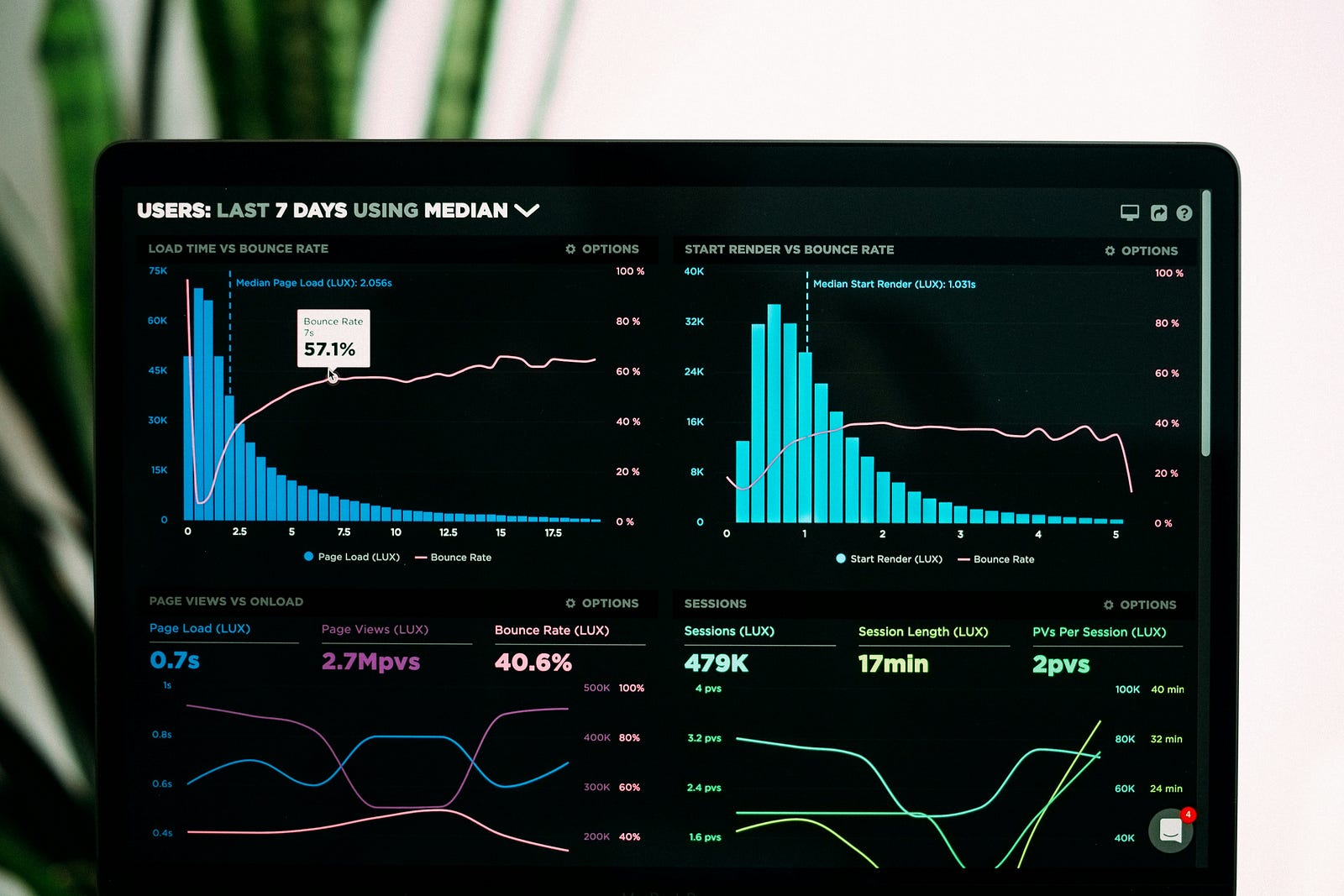
\Photo byLuke ChesseronUnsplash\
Past: The Era of Static Visualizations
Data visualization started simple, with basic charts like bars, lines, and pies made using tools like Microsoft Excel. These fixed pictures were mostly for reports and talks, trying to simplify data understanding.
Yet, they lacked options for interaction or personal touches, and refreshing them with new information required a hands-on, time-consuming effort.
Now: The Rise of Dynamic and Interactive Visualizations
Now, data visualization has changed a lot. Thanks to tools like Tableau and Power BI and advanced coding libraries like D3.js and ggplot2, we’re able to create lively, interactive displays that enable thorough exploration of data insights.
Current visuals support real-time data and user engagement and combine various data sources into a unified narrative.
This time focuses on storytelling, encouraging users to explore interactive boards highlighting trends, patterns, and anomalies. Cloud platforms also make it easier to share and work together, bringing data insights to more people.
Future: Immersive and Automated Visualization Experiences
Data visualization is set to become even more engaging and automated. Soon, augmented reality (AR) and virtual reality (VR) might let us navigate data in 3D spaces, giving us new ways to understand complex details.
Machine learning could automate making visuals, fitting them to the data’s essence and the user’s aims, easing the search for relevant insights. Custom visuals that adjust to each user’s likes and needs are coming, along with natural language processing (NLP) integration, turning data searches and chats as simple as talking.
This will make data analysis much easier for those not specialized in the field. As the importance of big data grows, so will the demand for visualization tools that can effectively handle and show large, streaming data sets in real-time.
Final Thoughts
In this one, we saw the evolution of Data Science. Let's divide the Data Science period before and after ChatGPTs. Nowadays, custom GPTs are effective in automating tasks.
“Machine learning is the last invention that humanity will ever need to make.”
Nick Bostrom