What the Call Her Daddy breakup teaches us about business partnerships, brand deals, and protecting what you build
By Maryam Mehrtash
Published: 2026-11-19
URL: https://thisisnotamemo.substack.com/p/how-to-make-sure-you-dont-get-screwed
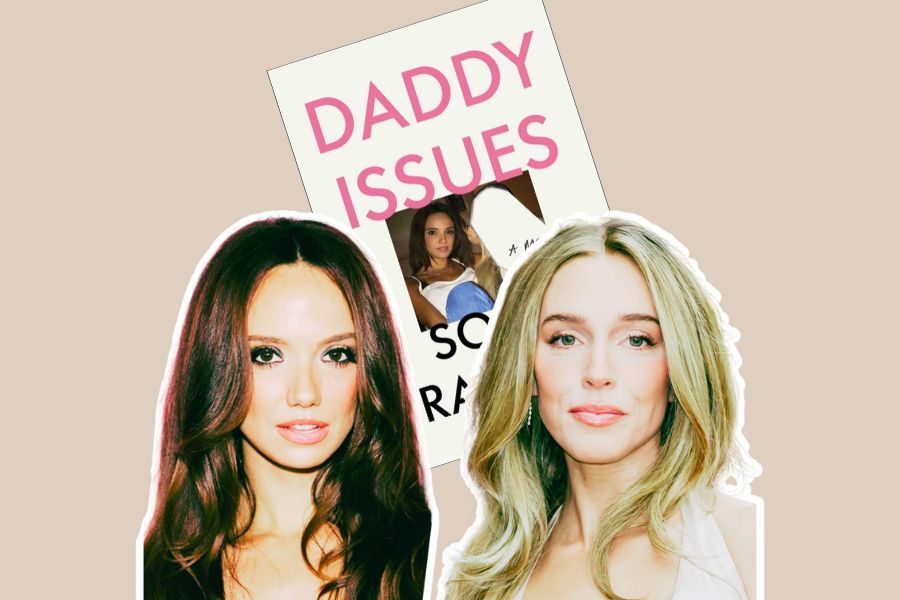
If you’ve been anywhere near the internet this month, you’ve probably caught some of the press tour for Sofia Franklyn’s new memoir, Daddy Issues, and the story of her falling out with Alex Cooper. If you have no idea who these people are and couldn’t care less, stay with me, because the lesson underneath the drama is one of the most important things you’ll learn about building a business and protecting your intellectual property.
One of the hardest things about starting something new is learning how to navigate the business relationships that come with it, especially when you’re building with a friend, someone you know and trust.
The awkward part is rarely coming up with the idea together. It’s asking the uncomfortable questions: what happens if one person ends up doing more of the work, if a brand wants to pay one of you separately, if the project becomes valuable, or if one of you wants out. When you’re excited about what you could build, those questions can feel premature, maybe even a little insulting.
But being friends doesn’t tell you who owns the work.
I spent twenty years working on agreements between talent and brands at media companies, and as more of us become creator entrepreneurs, I keep thinking about the difference between having the talent to create something and knowing how to protect your place in the business around it. You can be brilliant at the first and still have a very steep learning curve with the second.
The Story Is Bigger Than The Podcast
Sofia and Alex were the original co-hosts of Call Her Daddy, which became a breakout hit at Barstool Sports. Under their original 2018 deal, Barstool owned the show’s intellectual property and even its social accounts, and the hosts were reportedly paid around $75,000 each in their first year. By 2020, the show was so valuable that Dave Portnoy, founder, said Barstool was losing $100,000 for every episode they missed. As the show grew, Alex received a raise for her additional work on editing, social media and marketing, and in her own 2020 video about the dispute, she said she “chose not to share this raise” with Sofia.
When it came time to renegotiate, the hosts asked for $1 million each and ownership of their IP. Dave has said he countered with $500,000 each and a path to owning the show if they stayed one more year. Alex took the deal. Sofia didn’t. In her memoir, Sofia describes separate negotiations happening without her, and says Alex ghosted her and stopped responding to her texts. Alex’s version is that they were both offered the same deal, and only one of them wanted it.
I’m not here to decide who the villain is. Every breakup has two versions, and I wasn’t in the room. What we do know is that Alex continued the show without Sofia, and went on to sign a deal with Spotify reported at $60 million in 2021, and then one with SiriusXM worth up to $125 million in 2024.
The lesson I take from this isn’t “never work with a friend.” It’s that compensation, ownership and control are three different questions, and two people can be paid well and still disagree about who owns the thing they built and who gets to decide what happens to it. There’s also a fourth question we don’t spend nearly enough time on: what happens when everything goes wrong? That’s when you find out what your agreement actually protects.
How To Apply This Lesson
I just signed my first brand deal as a creator entrepreneur, and after years of negotiating these deals from the other side of the table, I went back with a lot of redlines. I asked for changes to the usage rights, the exclusivity, which platforms the content could run on and for how long on each, the use of AI, the use of my likeness, final creative approval, indemnification, and what would happen if the brand used my content outside the agreement. They agreed to most of them, and nobody walked away offended. That’s just what negotiating looks like when you know what you’re reading.
I’m also working on a project with a friend right now, and before we did anything else, we drafted a collaboration agreement. We wanted to be clear about ownership, responsibilities, money and what happens if one of us wants out, while we were still excited and still liked each other.
Whether it’s a brand deal, a co-hosted show or a business, you should be able to answer these out loud before you sign anything:
- Who owns what we make? The content, the name, the accounts, the audience and the email list.
- Who gets paid, how much and when? What is each percentage actually a percentage of?
- Who can make decisions? Can either of you say yes to a sponsor, a contract or an expense alone?
- What can the other side do with my work? On which platforms, for how long, and can they edit it, reuse it or run it as an ad?
- What happens if something goes wrong? If someone doesn’t pay, stops contributing, breaks the agreement or wants out, who keeps what, who owes what and who can keep using the work?
If you can’t answer one of these, that’s the conversation to have before you sign, not after. Are you building something with someone right now, and do you have a contract in place? Tell me in the comments.
Below, I’m sharing exactly what I redlined in my first brand deal and why, what my collaboration agreement covers, how to make sure you understand the money in any deal, and the language I use to open these conversations without making anyone defensive. These are the things that will help make sure you don’t get screwed.