By THE BRIEF
Published: 2026-10-15
URL: https://theunbrief.substack.com/p/gesda-science-diplomacy-who-will
By Maya Plentz
Long before science diplomacy had a name, discoveries travelled between European courts, universities and trading cities.
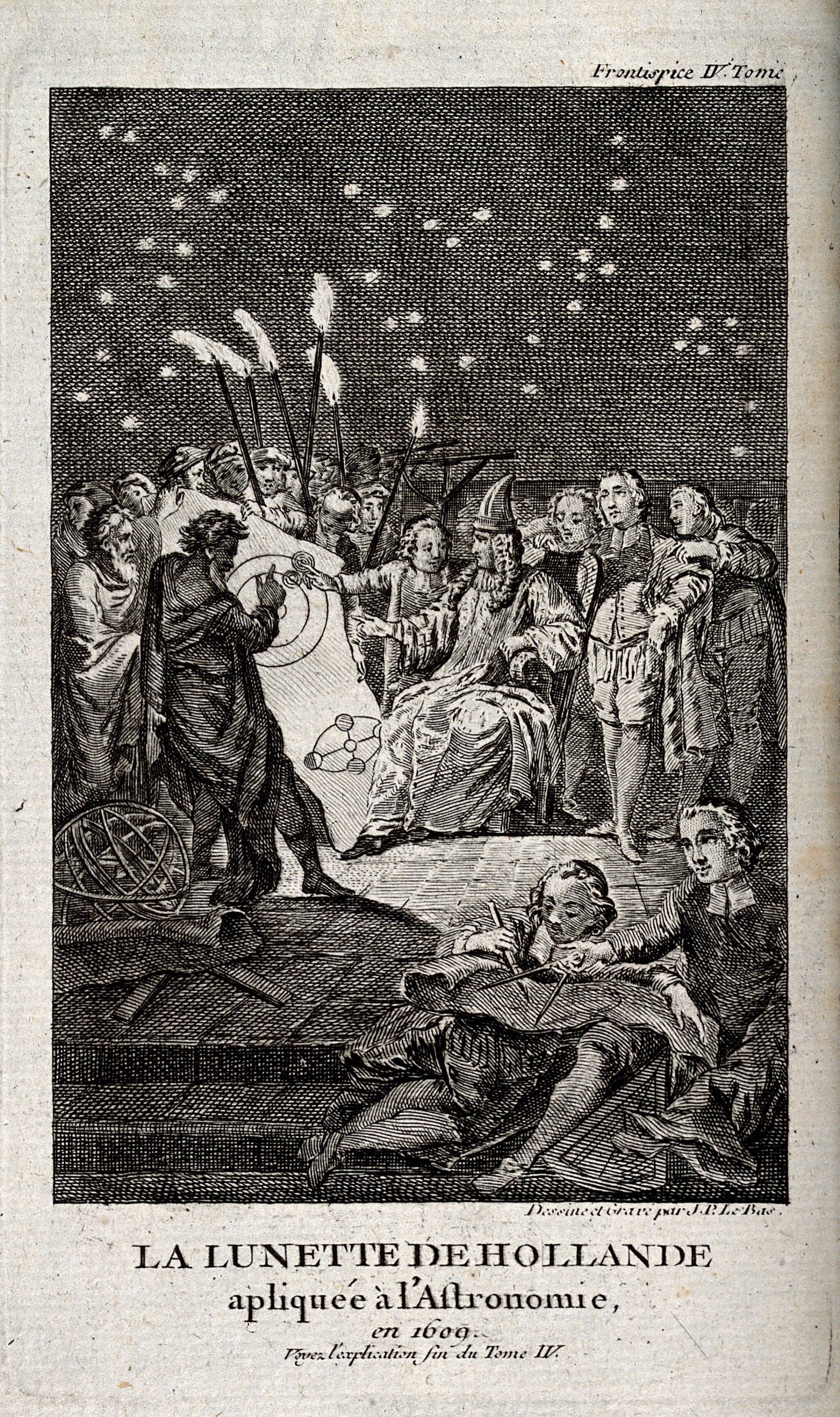
In 1609, an improved telescope helped open a new era of astronomical observation.
By 1610, its findings were also instruments of patronage: the newly discovered moons of Jupiter were named after the Medici family. Knowledge, political influence and the financing of research were already closely connected.
In the twentieth century, scientific cooperation became part of the architecture of international relations.
Twelve countries founded CERN in 1954, pooling research capabilities while helping rebuild European cooperation after two world wars.
Twelve nations signed the Antarctic Treaty in 1959, preserving peaceful scientific investigation despite territorial disputes.
In July 1975, American and Soviet spacecraft docked during the Apollo–Soyuz mission, demonstrating that technical cooperation could survive strategic rivalry.
Today, the diplomatic challenge includes preparing for discoveries before their applications reshape markets, security and everyday life.
Established in 2019, the Geneva Science and Diplomacy Anticipator rests on four pillars: identify emerging advances; convene scientific, diplomatic, business and citizen communities; test international solutions; and prepare leaders to govern technologies they may not yet fully understand.
The stakes extend from artificial intelligence and quantum computing to synthetic biology, genome editing and climate engineering. Their annual reports acknowledge scientific openness increasingly competes with national security, commercial interests and geopolitical rivalry.
At the last GESDA summit, Federal Councillor Ignazio Cassis, head of the Swiss Federal Department of Foreign Affairs, described the emerging contest as a “new geopolitics of knowledge”.
He identified quantum computing, neurotechnologies and synthetic biology as developments advancing faster than political institutions could follow.
Cassis also highlighted an initiative on brain–computer interfaces, intended to direct their development toward human wellbeing and prevent deeper inequality.
As GESDA convenes at Palexpo on 14–15 October 2026, the discussions will focus on how to translate anticipation into decisions: financing useful applications, establishing safeguards and widening access to scientific capabilities.
Who will control those capabilities—and under whose rules—will help determine the next distribution of economic and political power.
History of Science Diplomacy in Images
Galileo demonstrating his findings to the Doge of Venice, 1609 — engraving dated 1739, Wellcome Collection.
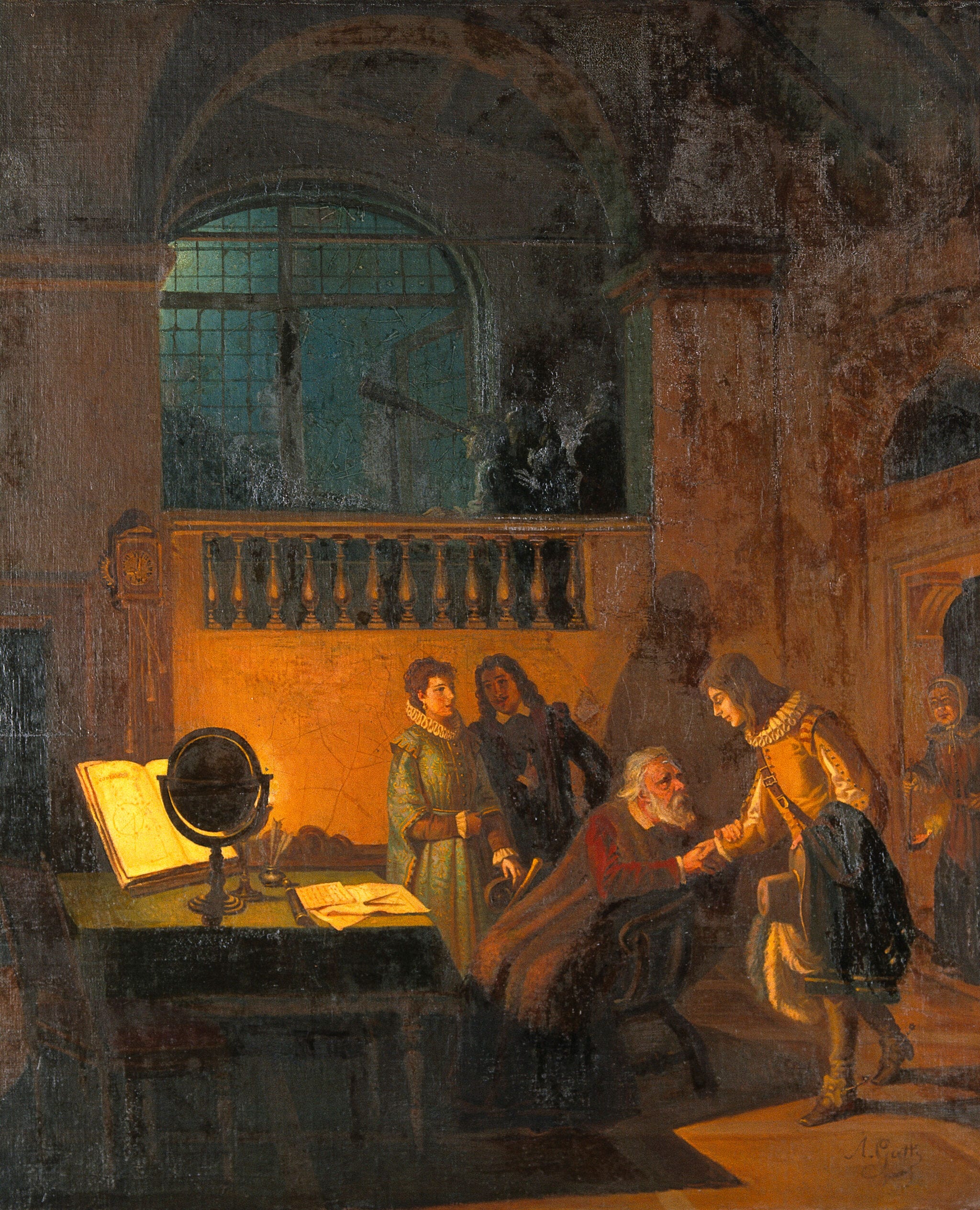
Galileo receiving John Milton by Annibale Gatti, Wellcome Collection.