The $59.6 Billion Market: Women and Gen Z Reshape Art Collecting
By THE BRIEF
Published: 2026-10-11
URL: https://theunbrief.substack.com/p/art-basel-and-ubs-survey-of-global
By Maya Plentz
Art collecting is serious business, even when the asset requires its own climate-controlled room.
The global art and antiques market recorded US$59.6 billion in sales in 2025, up 4% after two years of contraction, according to the Art Basel and UBS Global Art Market Report 2026, authored by Dr Clare McAndrew of Arts Economics.
Dealers generated US$34.8 billion, while auction houses accounted for US$24.8 billion through public and private sales. These figures measure annual transactions, rather than the total value of collections or investment returns.
The United States remained the largest market, with US$26 billion in sales and 44% of global market value.
The UK held an 18% share and China 14%; together, the three markets accounted for 76% of worldwide sales. The recovery remained uneven and below the market’s 2022 peak.
Within this market, women and younger collectors are influencing demand, discovery and patronage.
Published on 8 October, the separate Art Basel and UBS Survey of Global Collecting 2026 examines 3,100 high-net-worth collectors across ten markets, including Brazil, France, the US and the UK. Switzerland was outside this year’s sample.
Gen Z collectors, defined in the survey as ages 20–29, reported average fine-art spending of US$347,460 in 2025 and approximately US$329,000 in the first half of 2026.
Their expenditure was more than twice that of any other generation surveyed.
These are wealthy, active buyers, but their purchasing power is already commercially significant. The generation routinely described as having a short attention span appears capable of sustained attention when the invoice arrives.
Art also represents a substantial allocation of wealth.
Surveyed collectors allocated an average of 15% of their wealth to art in 2026; among those with wealth exceeding US$50 million, the allocation averaged 23%.
These holdings make collection management, provenance, insurance and succession planning material financial considerations.
Women’s engagement deserves particular attention.
Their art-event attendance was approximately 20% higher than men’s in both 2025 and 2026, equivalent to eight additional events on average.
Their collections contained a higher proportion of work by new and emerging artists—36%, compared with 33% for men—and by female artists, at 46% versus 43%.
These differences indicate opportunities for galleries seeking buyers willing to look beyond established names.
Across generations and markets, established women collectors show how acquisitions can develop into broader cultural businesses and institutions.
In Brazil, Fernanda Feitosa, collector and founder of SP-Arte, has connected private collecting with the development of São Paulo’s international art market.
 Fernanda Feitoso, Photo credit SP-Arte
Her collection with Heitor Martins supports Brazilian contemporary art, while the fair provides a commercial platform for galleries and artists.
In France, Florence Guerlain, together with Daniel Guerlain, has built a substantial contemporary drawing collection. Their activities demonstrate the connection between private purchasing, artistic production and institutional recognition.
In the United States, Komal Shah has made women artists central to the Shah Garg Collection and the Making Their Mark Foundation, which supports scholarship, exhibitions and public engagement. New York-based millennial collector Victoria Rogers brings a younger perspective, with collecting interests encompassing African-diaspora and female artists.
In the United Kingdom, London-based Valeria Napoleone focuses on contemporary women artists. Her partnership with the Contemporary Art Society purchases and donates a significant work by a living woman artist to a UK museum each year. London-based Yan Du, whose collection exceeds 800 works, combines collecting with philanthropy and a professional research team.
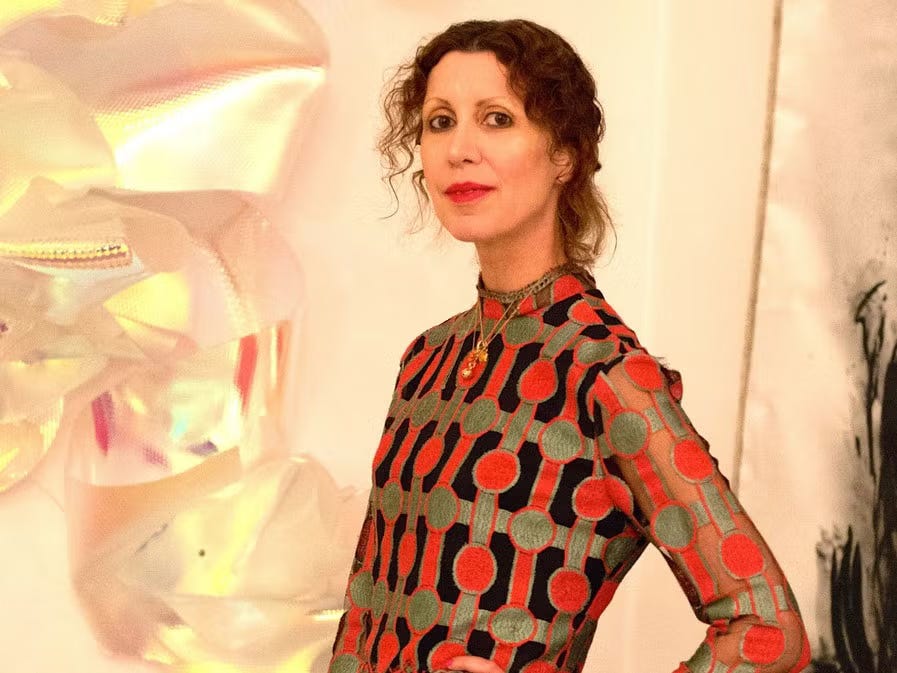 Valeria Napoelone at CAS, London
For Switzerland, collector Maja Hoffmann, founder of the LUMA Foundation, exemplifies how private patronage can support a wider infrastructure encompassing art, publications, film and environmental initiatives, with international reach through LUMA Arles in France.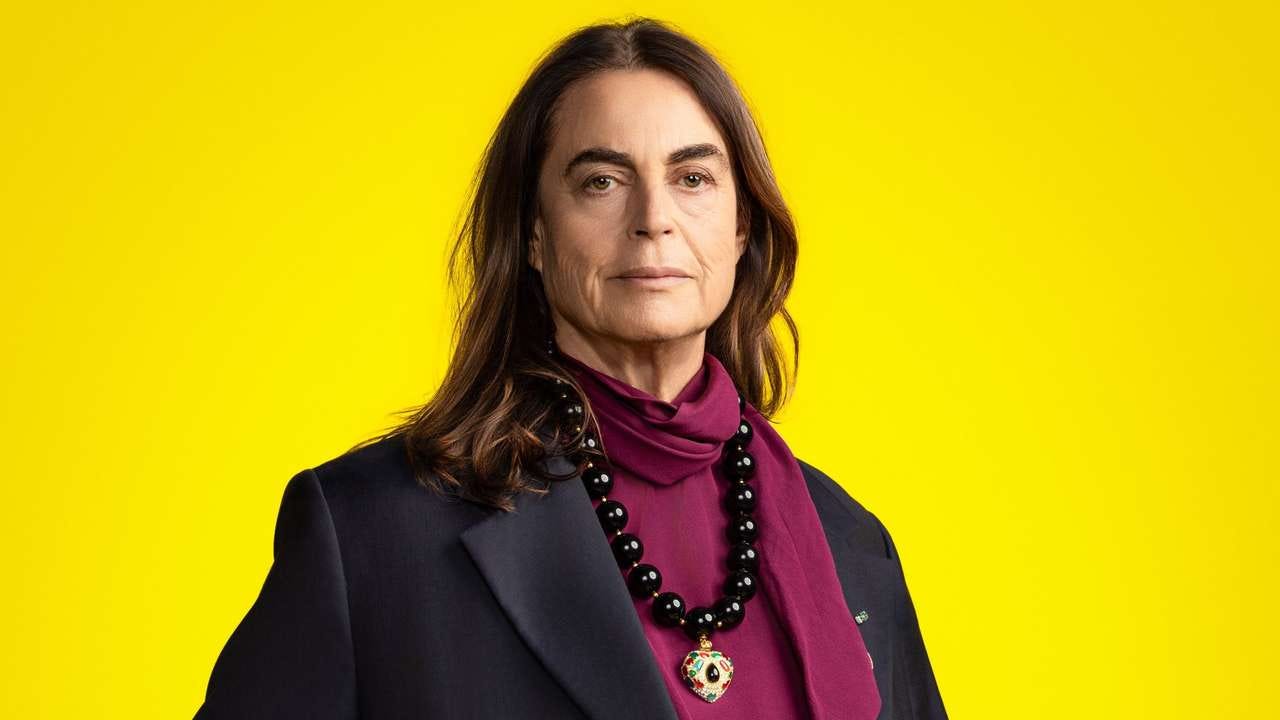 Maja Hoffmann, at the Locarno Film Festival
Buying behaviour is becoming more informed.
Seventy-two per cent of surveyed collectors conducted moderate or significant independent research before purchasing, up from 62% in 2025.
Fifty-eight per cent used digital resources for advice, including 22% using apps or AI tools, compared with 4% in 2024. Instagram and X were cited by 32%.
Galleries now face clients who may have researched the artist, the auction history and the provenance before the first conversation. “Price on request” is acquiring a more demanding audience.
Greater engagement does not necessarily mean greater publicity.
Sixty-four per cent preferred to keep ownership private within their household or close circle; only 10% sought wide recognition as collectors. For dealers, this reinforces the importance of discretion and trusted relationships alongside digital discovery.
Women’s growing activity is a positive development for the art economy. Their acquisitions and patronage help finance artists, sustain galleries and expand museum collections. In a market moving nearly US$60 billion annually, whose judgement guides those purchases matters.