The Infinite Database
By The Coding Gopher
Published: 2026-04-03
URL: https://thecodinggopher.substack.com/p/why-postgresql-is-one-of-the-best
Exploring the Architecture, Extensibility, and Reliability of the World’s Most Advanced Open Source RDBMS
In the rapidly shifting landscape of software engineering, few tools have maintained as much relevance and respect as PostgreSQL. While newer, specialized databases often rise and fall with architectural trends, “Postgres” has spent over 30 years evolving into a multi-tool capable of handling everything from traditional financial ledgers to modern AI vector searches.
1. The Philosophy of Perfection
PostgreSQL is governed by the PostgreSQL Global Development Group, a diverse community that resists “corporate bloat.” This independence has fostered a culture where data integrity is never sacrificed for speed.
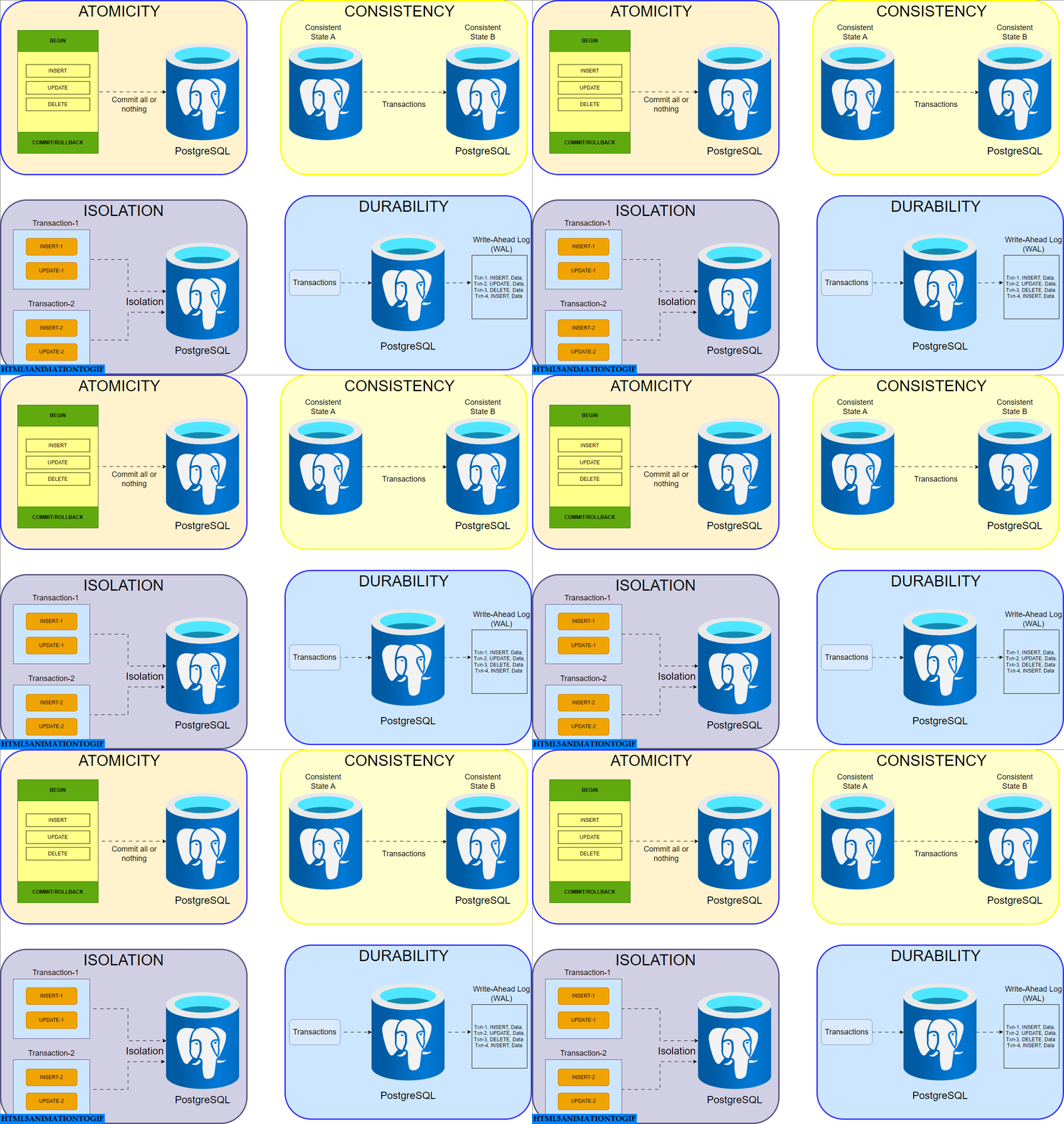
At its core, Postgres operates on ACID compliance:
- Atomicity: Transactions are “all or nothing.”
- Consistency: Data must follow all predefined rules (constraints).
- Isolation: Simultaneous transactions don’t interfere with each other.
- Durability: Once data is committed, it survives even a system crash.
2. The MVCC Engine
The secret to Postgres’s performance in high-traffic environments is Multi-Version Concurrency Control (MVCC). Unlike older systems that “lock” a row when it is being updated—forcing other users to wait—Postgres keeps multiple versions of a data row.
When User A updates a price, User B can still read the old price until the update is finalized. This “snapshot isolation” ensures that readers never block writers, providing a fluid experience for applications with thousands of concurrent users.
Still don’t get it? Let’s explain.
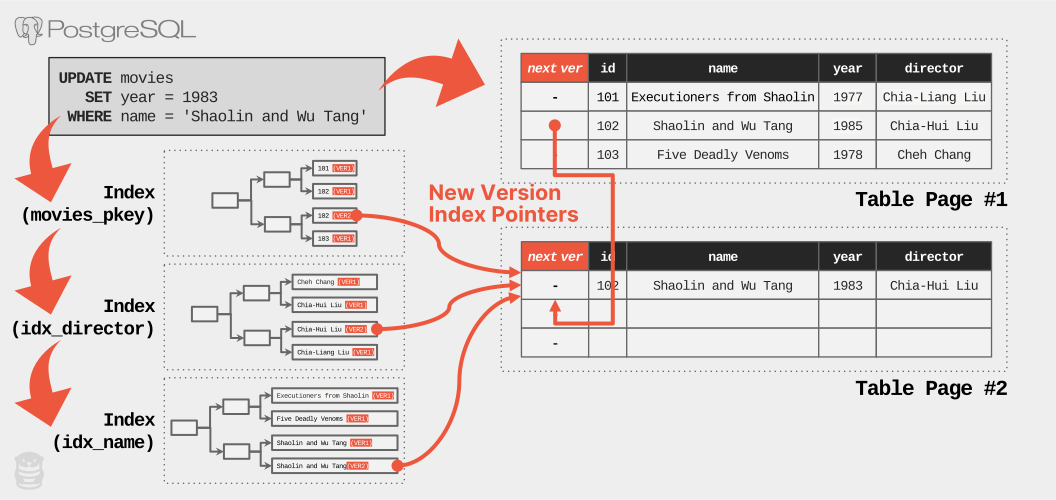
Instead of using traditional locking for reading, PostgreSQL creates a new version (called a “tuple”) of a row for every UPDATE or DELETE operation.
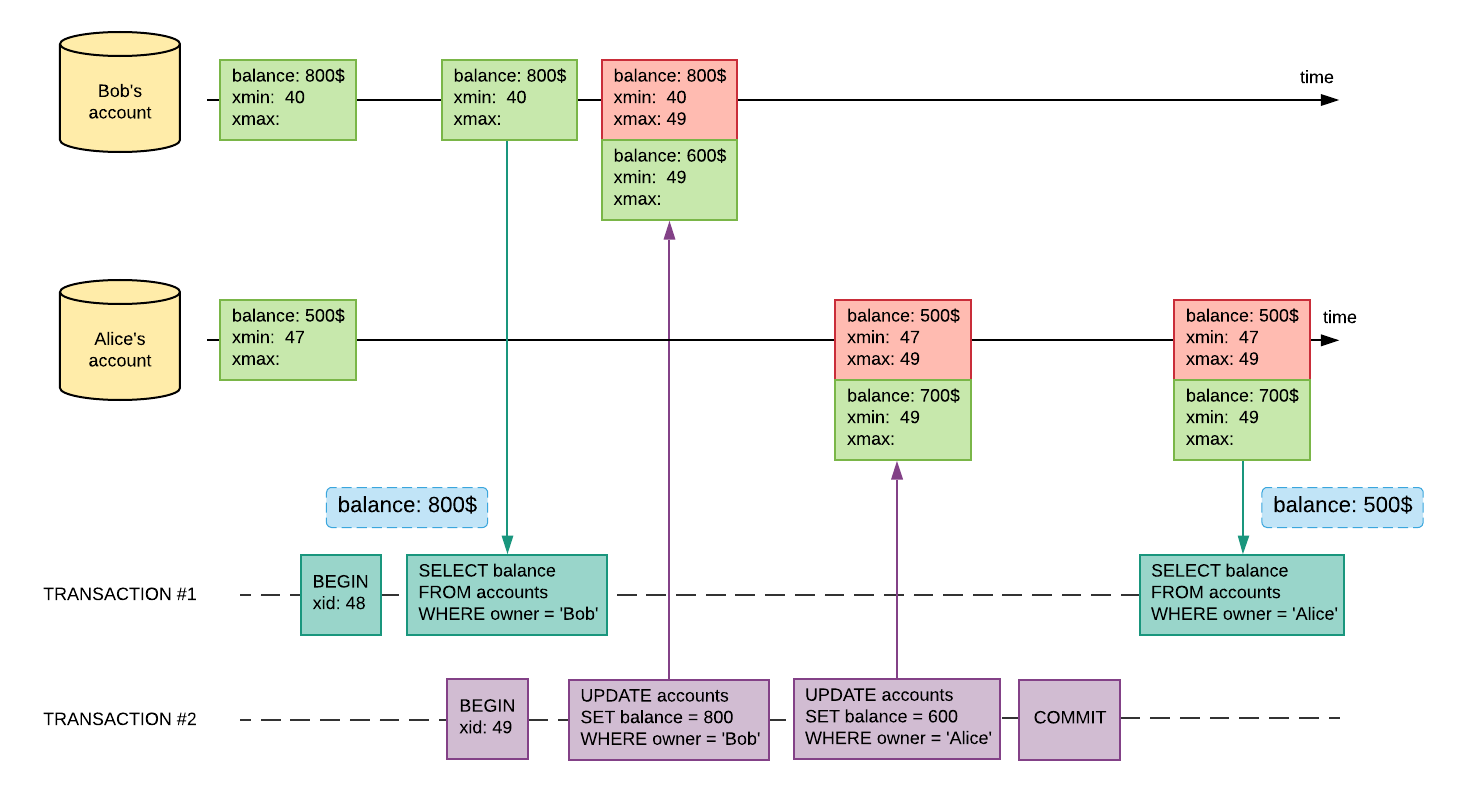
- Snapshots: Each transaction operates on a consistent “snapshot” of the database as it existed at a specific point in time. This prevents transactions from seeing inconsistent data produced by concurrent, uncommitted operations.
- Row Versioning: When a row is modified:
- The old version is marked as “dead” but remains on disk, visible to any concurrent transactions that started before the change was committed.
- A new version with the updated data is inserted.
- Visibility Control: Each row version contains system columns, such as
xmin(the transaction ID that inserted it) andxmax(the transaction ID that deleted or invalidated it), which PostgreSQL uses to determine if a specific version is visible to the current transaction’s snapshot.
Benefits and Trade-offs
Benefits
- High Concurrency. Allows multiple users to work without interfering with each other.
- Fewer Locks. Minimizes lock contention, improving performance and throughput in high-read environments.
- Transactional Consistency. Ensures each transaction sees a stable, isolated view of the data, automatically preventing “dirty reads” at all isolation levels.
Trade-offs
- Storage Overhead (Bloat). Since old row versions are not immediately removed, the database can consume more disk space over time.
VACUUMNecessity. A critical background process calledVACUUM(orautovacuum) is required to clean up these old, “dead” row versions and reclaim storage space. Without this maintenance, performance can degrade and lead to potential issues like transaction ID wraparound.
𝐋𝐞𝐚𝐫𝐧 𝐭𝐨 𝐛𝐮𝐢𝐥𝐝 𝐆𝐢𝐭, 𝐃𝐨𝐜𝐤𝐞𝐫, 𝐑𝐞𝐝𝐢𝐬, 𝐇𝐓𝐓𝐏 𝐬𝐞𝐫𝐯𝐞𝐫𝐬, 𝐚𝐧𝐝 𝐜𝐨𝐦𝐩𝐢𝐥𝐞𝐫𝐬, 𝐟𝐫𝐨𝐦 𝐬𝐜𝐫𝐚𝐭𝐜𝐡. Get 40% OFF CodeCrafters: <https://app.codecrafters.io/join?via=the-coding-gopher>
This Substack is reader-supported. To receive new posts and support my work, consider becoming a free or paid subscriber.
3. The “Object” in Relational
While most databases are strictly relational, Postgres is an Object-Relational system. This means it allows for complex data structures that traditional SQL databases struggle with:
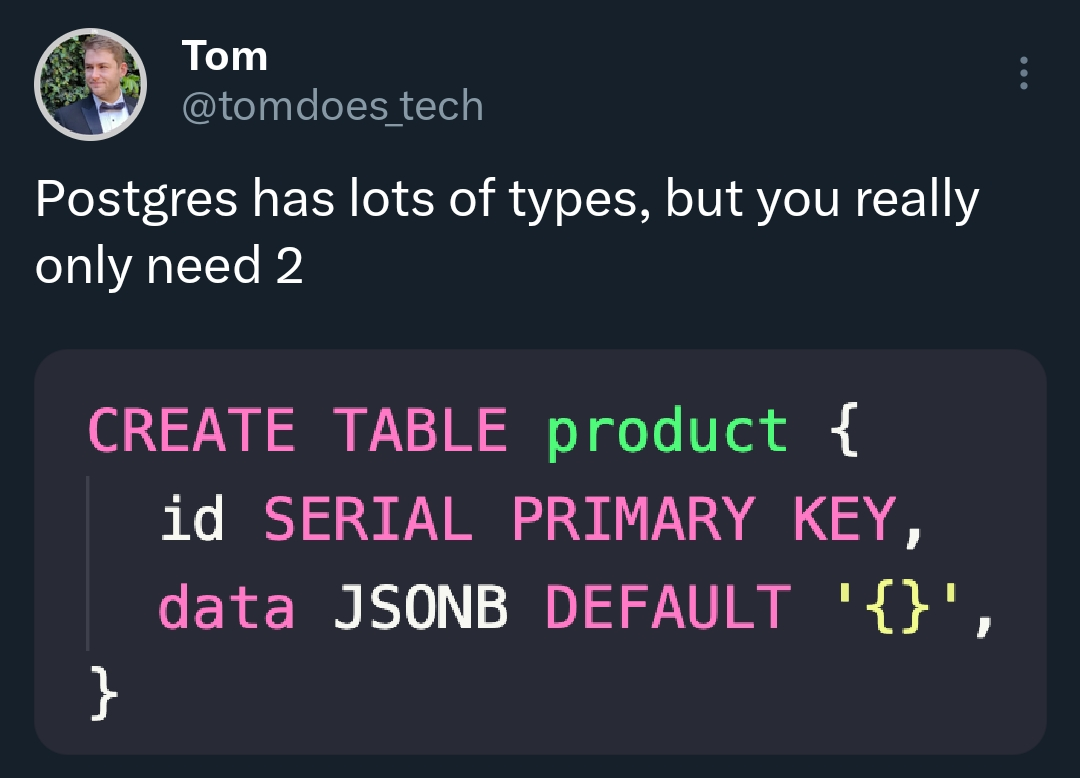
- JSONB (Binary JSON): You can store unstructured documents alongside structured tables. Because it’s stored in a binary format, you can index specific keys within the JSON, making lookups as fast as standard columns.
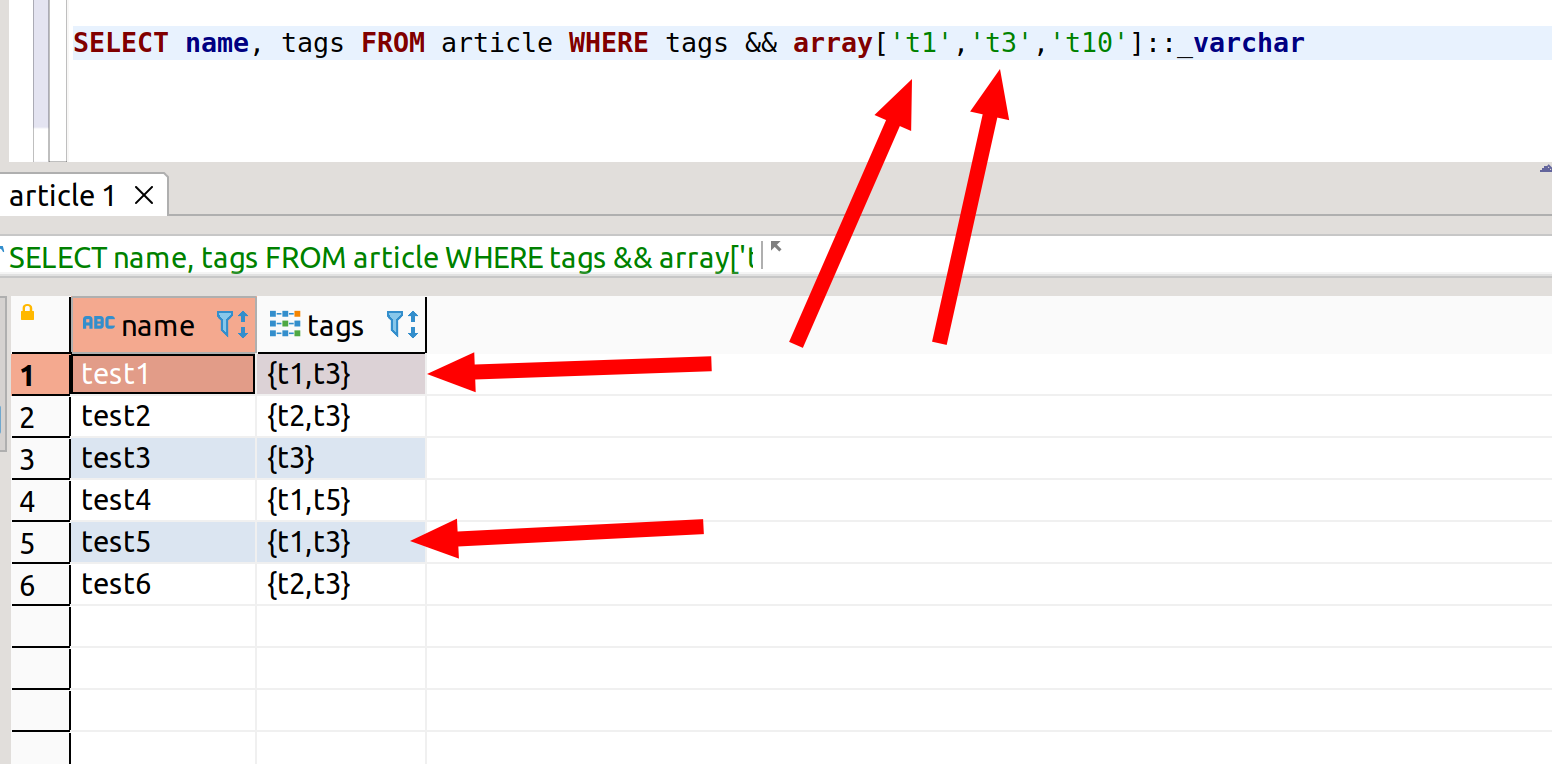
- Arrays and Ranges: You can store a list of tags or a range of dates (e.g., a booking from Monday to Friday) in a single field, with built-in logic to prevent overlapping entries.
- PostgreSQL supports a native
ARRAYdata type, allowing columns to store variable-length, multidimensional collections of elements of the same data type. This feature can be used to denormalize data and simplify certain queries, though for complex relational data, a normalized table structure is often recommended.
- Declaration. An array column is defined by appending square brackets (
[]) to the element’s data type (e.g.,INTEGER[],TEXT[][]).
- Input Syntax. Array literals are written within curly braces (
{}) and separated by commas (e.g.,'{1, 2, 3}'). Alternatively, the SQL standardARRAYconstructor syntax can be used (e.g.,ARRAY[1, 2, 3]).
- 1-Based Indexing. PostgreSQL arrays use 1-based indexing, not 0-based as in many programming languages.
- PostgreSQL range types represent an interval of values and are useful for handling data such as time periods, price ranges, or measurements efficiently. They offer a cleaner schema, built-in integrity checks, and specialized operators for interval-based queries.
int4range— Range ofinteger(32-bit signed integers).
int8range— Range ofbigint(64-bit signed integers).
numrange— Range ofnumeric(arbitrary precision decimals).
tsrange— Range oftimestamp without time zone.
tstzrange— Range oftimestamp with time zone.
daterange— Range ofdate.
- Custom Types. Developers can define their own data types and the rules for how they interact, effectively teaching the database about the specific domain of their business.
4. The Power of the Extension Ecosystem
Perhaps the most significant feature of Postgres is its Extensibility. It is designed as a platform, not just a storage bin.
By using the CREATE EXTENSION command, you can fundamentally change what the database can do:
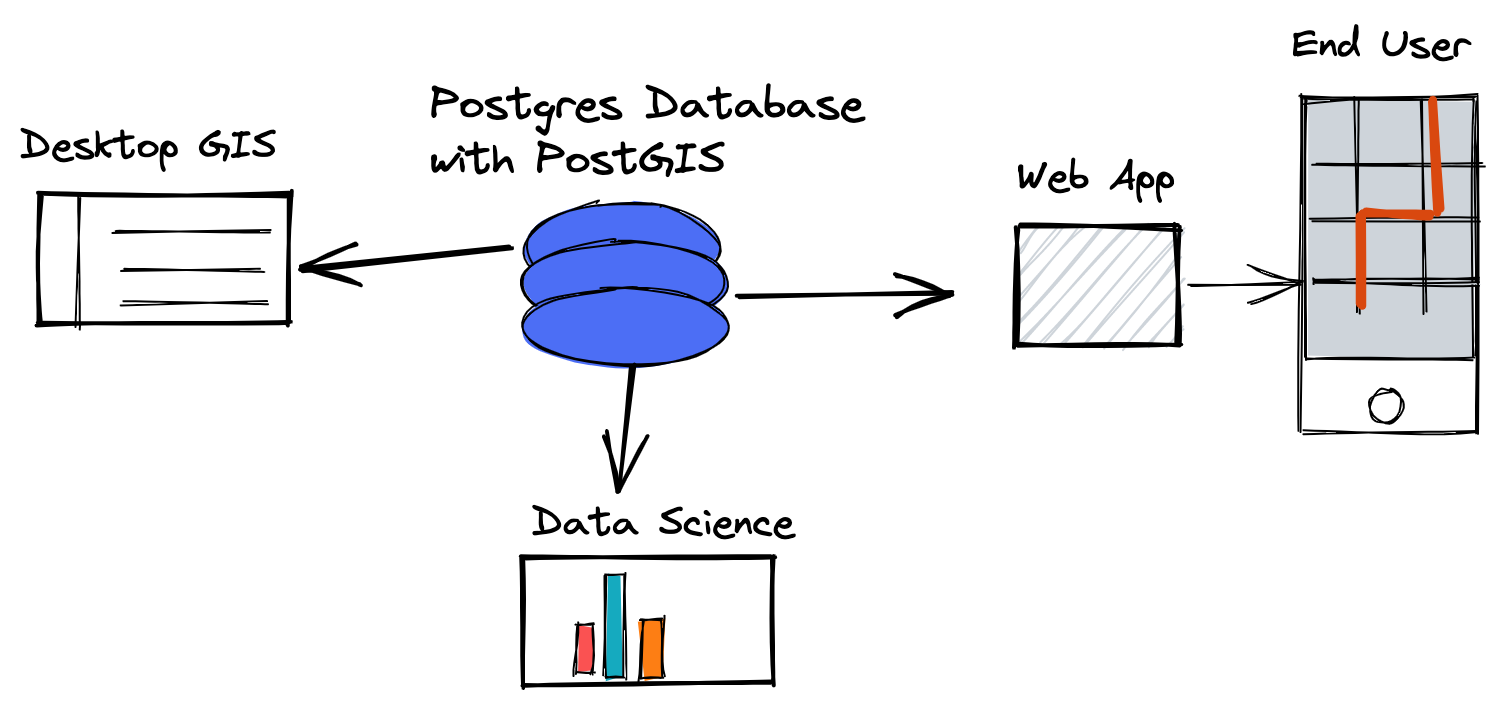
- PostGIS: The industry standard for geographic data. It allows for complex spatial math, like calculating the shortest flight path between two cities.
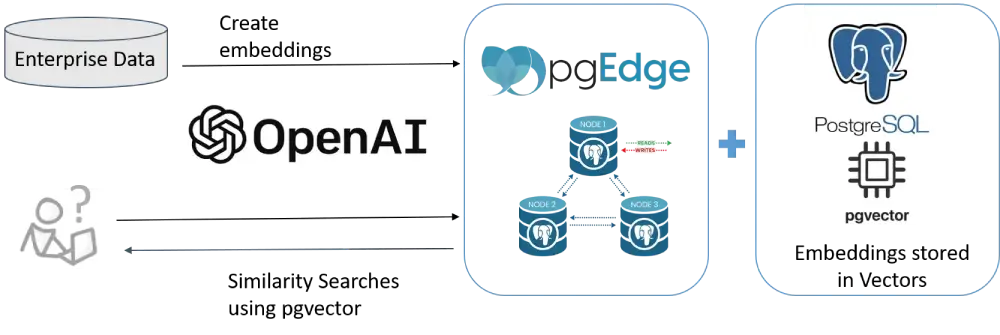
- pg\_vector: A recent breakthrough that allows Postgres to store “vector embeddings.” This has made Postgres a top choice for developers building LLM (Large Language Model) and AI applications.
- TimescaleDB: Optimizes Postgres for time-series data, handling millions of data points per second from IoT sensors or stock market feeds.
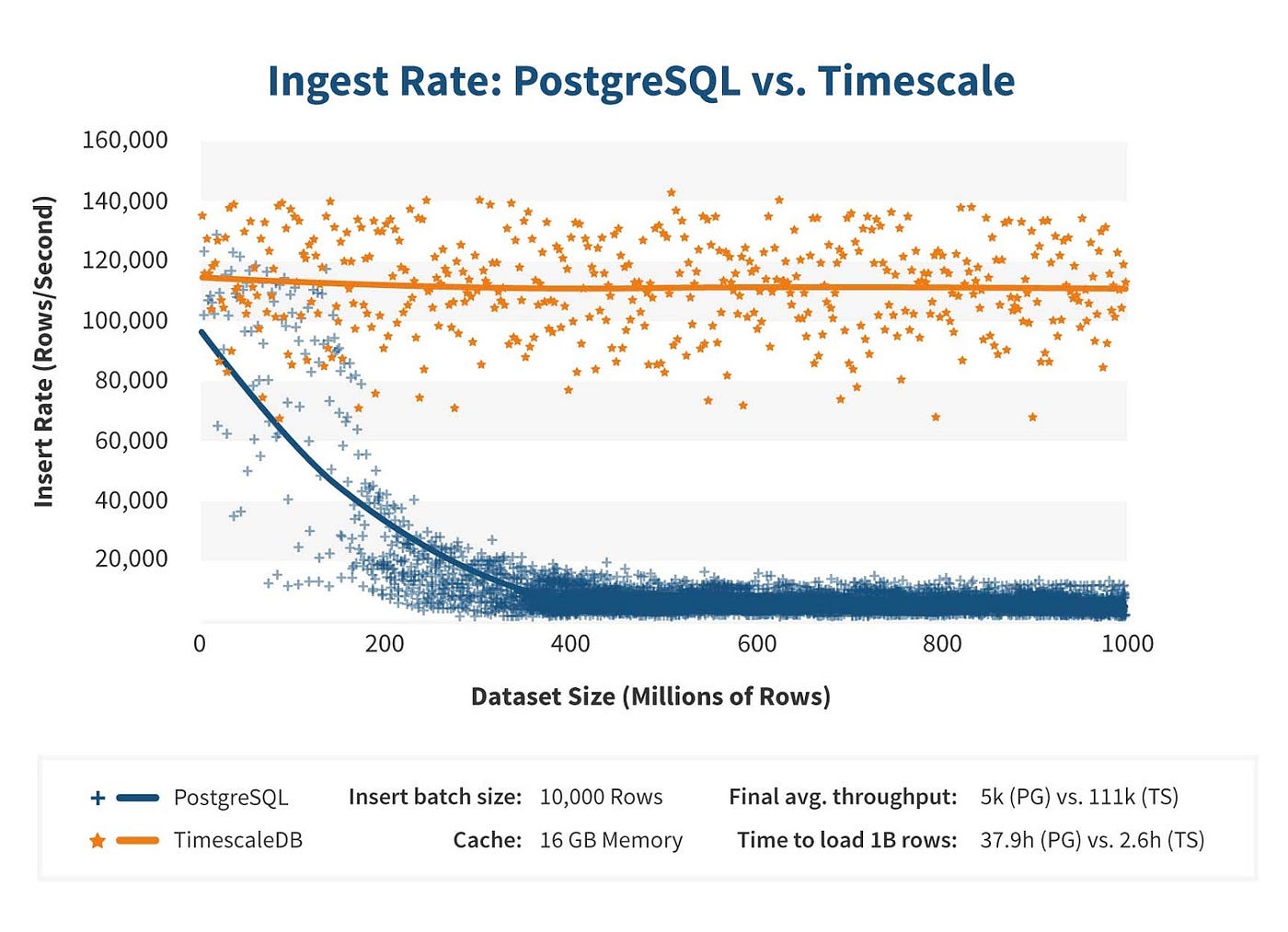
TimescaleDB is significantly faster than standard PostgreSQL for time-series data, often providing 10–100x faster queries and over 20x faster inserts at scale. It achieves this by using automatic partitioning (hypertables), columnar compression, and specialized time-based query optimizations, making it superior for high-volume, time-ordered data.
Automatic partitioning in TimescaleDB is a core feature that automatically organizes data into smaller, manageable, time-based child tables called chunks. It acts as an abstraction layer over PostgreSQL, allowing users to interact with a single table (a hypertable) while the system manages the complexity of partitioning behind the scenes.
5. Security and Administration
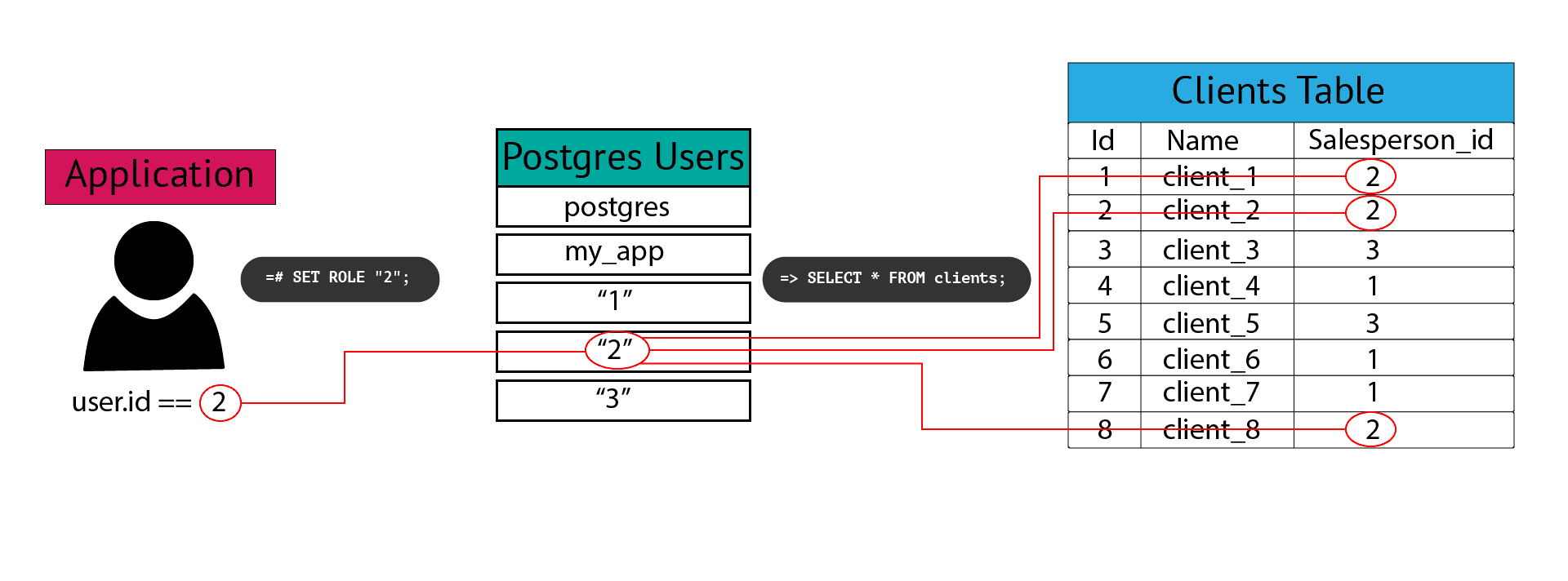
Postgres offers a robust security model, including Role-Based Access Control (RBAC) and Row-Level Security (RLS). RLS is particularly powerful for modern “multi-tenant” apps (like Slack or Notion), where you need to ensure that User A can never accidentally see User B’s data, even if they are querying the same table.
Performance Monitoring
Tools like EXPLAIN ANALYZE provide developers with a transparent look into the “mind” of the Query Planner. It reveals exactly how the database intends to find your data, allowing for precision tuning and indexing.

The Final Word on Postgres
PostgreSQL is no longer just a “relational database.” It has become a data platform. By combining the reliability of the old world with the flexibility of the new (JSON, Vectors, and GIS), it eliminates the need for “polyglot persistence”— managing five different types of databases.
For the modern developer, the mantra is simple: “Just use Postgres until you absolutely can’t.” And for most, that “can’t” never actually comes.
This Substack is reader-supported. To receive new posts and support my work, consider becoming a free or paid subscriber.
Thanks for reading! This post is public so feel free to share it.