Michael Porter’s warning explains why companies are spending millions on AI without improving business performance.
By The AI Leadership Edge
Published: 2026-11-22
URL: https://theaileadershipedge.substack.com/p/you-should-not-have-an-ai-strategy
Hi, I’m Raffaela, and welcome to AI Leadership Edge, the best newsletter for board directors, whether you are an independent director, VC, PE, or GP.
Subscribe for free and get the
AI Strategy and Governance Certification.
Join a community of 42,000 board directors and leaders, with 14.000+ newsletter subscribers.
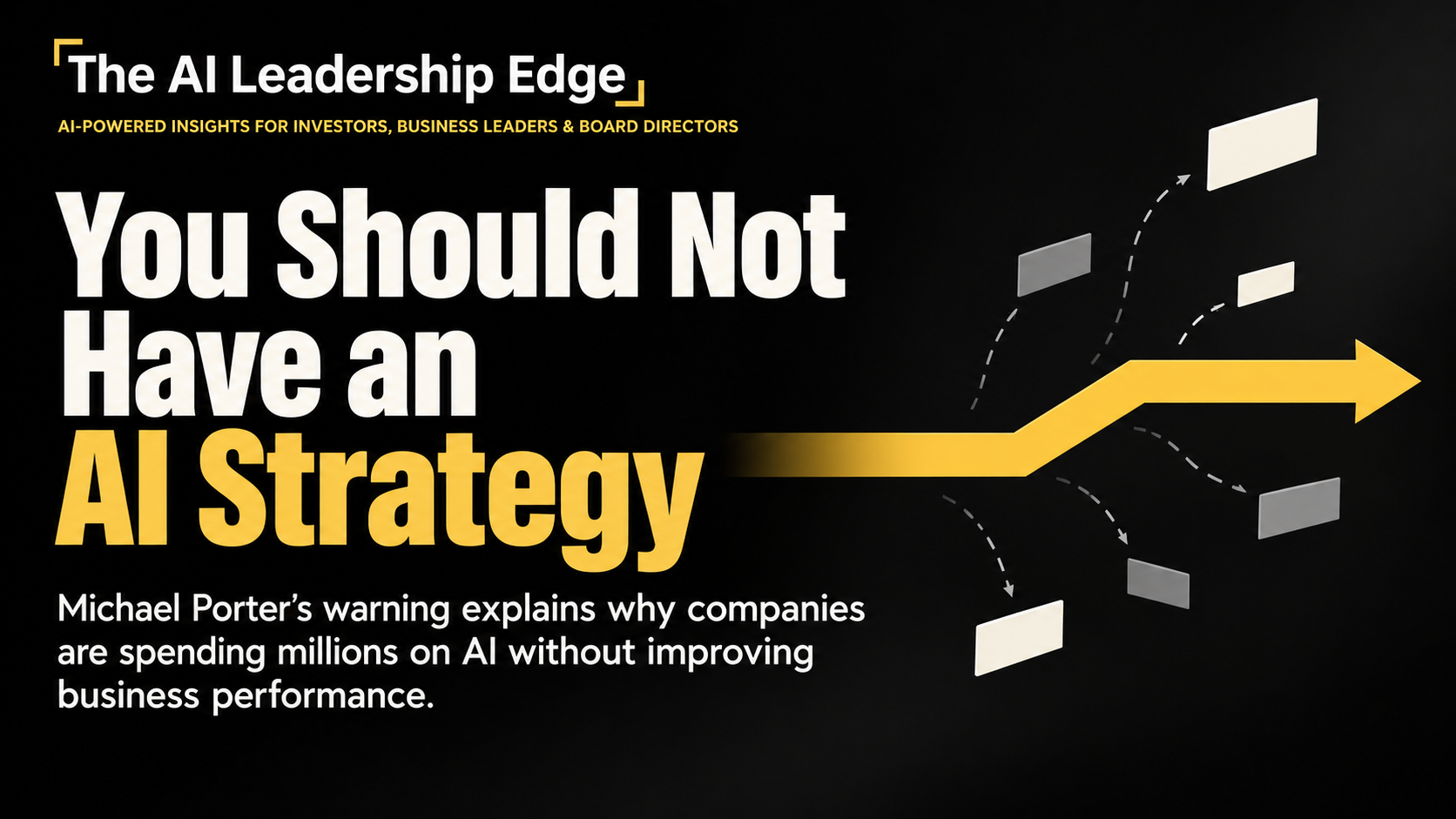
You Should Not Have an AI Strategy
I have spent much of this year discussing AI strategy with boards and leadership teams. Increasingly, I think “What is our AI strategy?” may be the wrong question.
This Substack is reader-supported. Join 42.000 directors and leaders and subscribe to the AI Leadership Edge
Not because AI is unimportant. Because it is too important to sit in a separate strategy alongside the real one.
Michael Porter warned that the more companies divide strategy into separate strategies, the less likely they are to have a strategy at all.
That may explain today’s AI problem. PwC found that 56% of CEOs report no revenue or cost gains from AI, while McKinsey found only 6% achieving significant bottom-line impact.
I see the same pattern repeatedly: an AI team is created, dozens of pilots are launched and everyone is extremely busy. Six months later, it is still difficult to explain what has changed in the economics or competitive position of the business
The issue may not be insufficient investment. It is that AI has been bolted onto the business as a separate strategy—producing isolated pilots, disconnected tools and plenty of activity without competitive advantage.
My view: companies do not need an AI strategy. They need a business strategy that has been rewritten for a world in which AI exists.
You should not have a separate strategy for everything important in a business. It doesn't matter if it's IT, Supply Chain, Marketing, or AI. There should only be one core strategy.
The board question is not: Do we have an AI strategy?
It is: How does AI strengthen the company’s strategy?
NVIDIA’s BOARD RECKONING: The FALL OF JENSEN HUANG
I will resist adding the internet’s 47th opinion on the Nvidia scandal. The Board and Governance story of the last week is of course Nvidia. For directors, the more important questions concern succession planning, key-person risk and what a board does when the person most closely identified with the company suddenly becomes its greatest vulnerability.
Evan Epstein, the Wall Street Journal and the Financial Times offer three useful perspectives.
I have contributed something equally important at the end of this edition: my favourite memes on the topic.
Enjoy. 😉
Join our upcoming boardroom webinars
Some questions deserve more than a newsletter paragraph. Over the coming months, we’re hosting three free BoardLens webinars for directors and leaders:
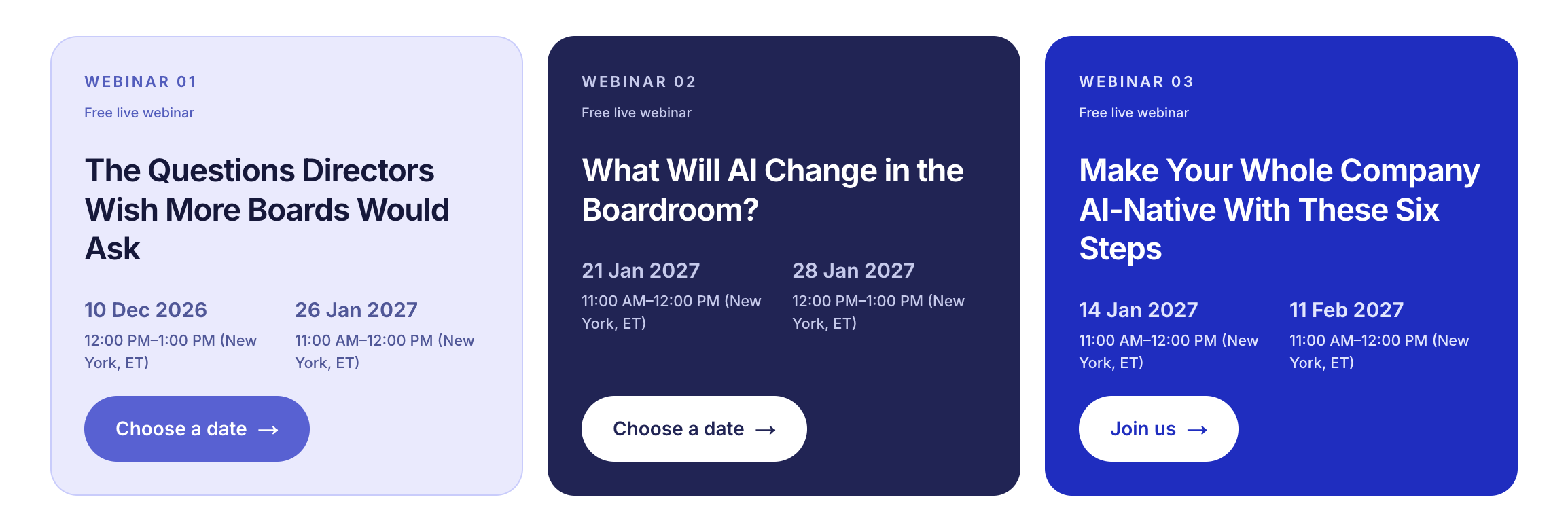
Join us to explore the practical implications for strategy, governance and how companies operate—and bring your own questions.
Explore all webinars and register →
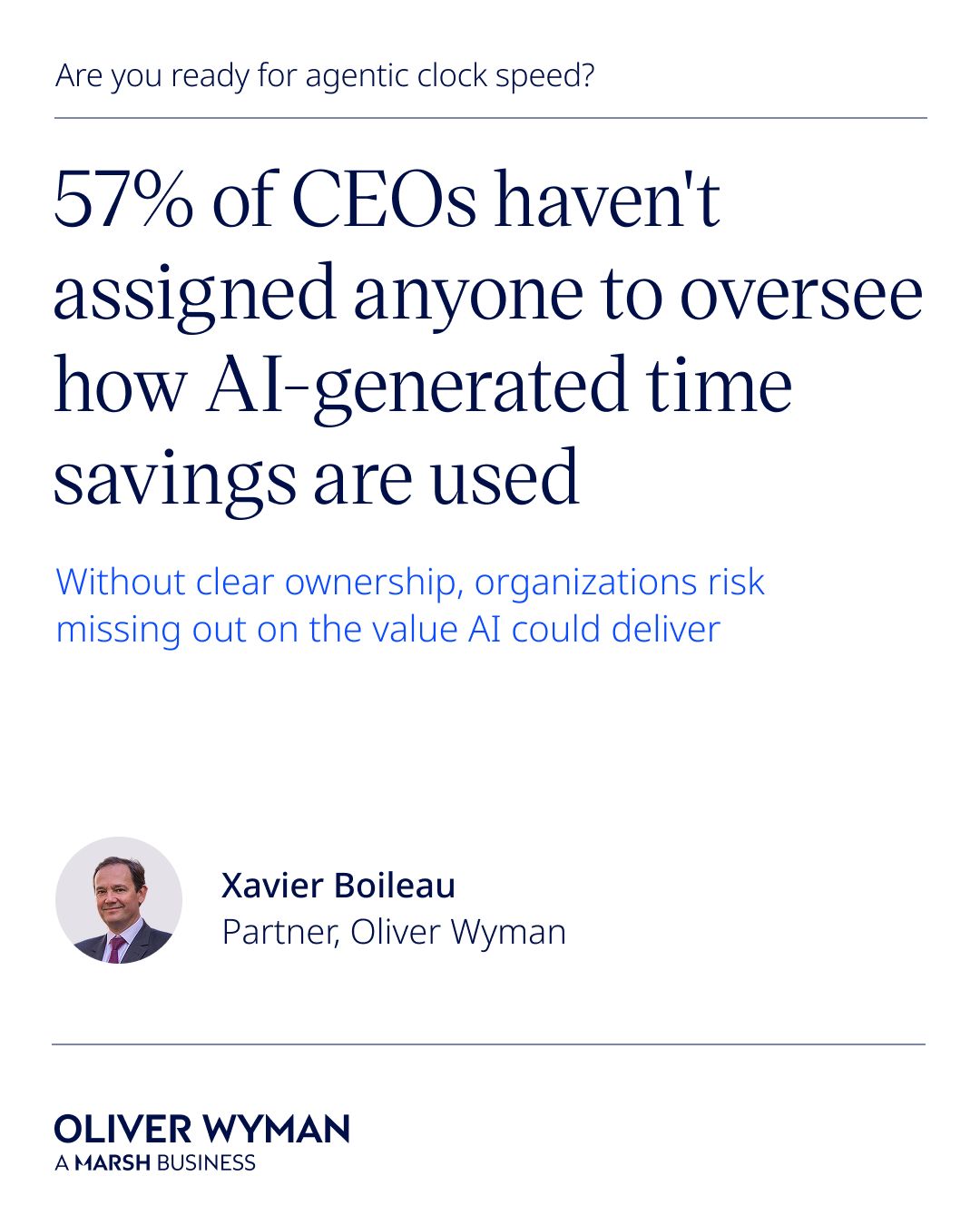
57% of CEOs have not assigned anyone to decide what happens to the time AI saves
We spend enormous amounts of time asking whether AI saves hours—and surprisingly little deciding what those hours should become.
AI can create capacity. It does not automatically create value.
Management still has to decide whether freed-up time should reduce costs, increase output, improve quality or accelerate innovation.
Oliver Wyman argues that capturing value from agentic AI requires clear ownership of how this capacity is redeployed.
The board question: Who owns the time AI saves—and where should its value appear in the business?

We’re happy to share an event link to the DOMINO LAB in Las Vegas February 1-2. This executive learning event is for corporate directors and boardroom leaders who want to move beyond the basics on overseeing AI, Digital and Cybersecurity risk. It is taught by peers and BoardLens Director Council member Bob Zukis and experts from ISS, Amazon and others. Bob is a pioneer in advancing digital governance standards around the world. He is a retired PwC Partner and Fmr. USC Marshall Professor, CEO and Director.
His work over the last decade has codified the global standards for effective oversight of these issues and DOMINO LAB is an applied and advanced executive education program that will help any boardroom leader strengthen their role in overseeing these complex issues.
https://ddn.events/DOMINOLABVEGAS
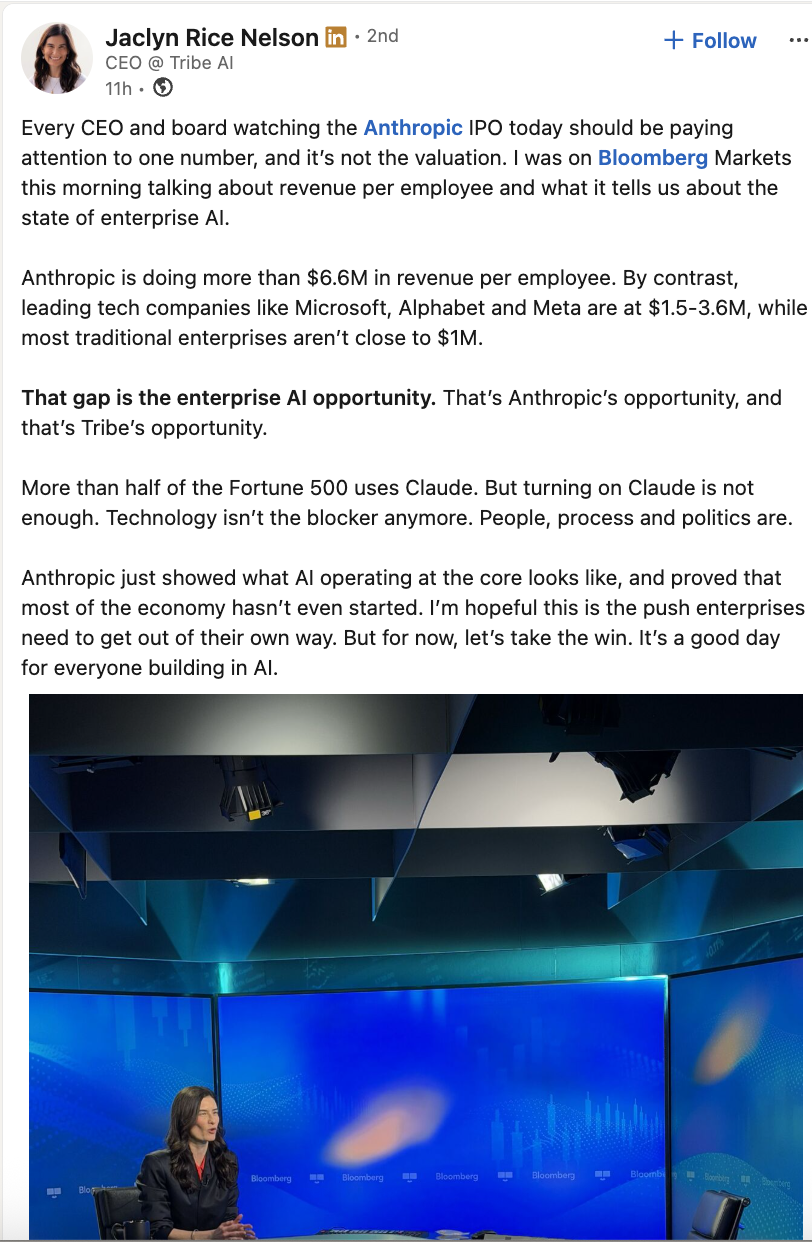
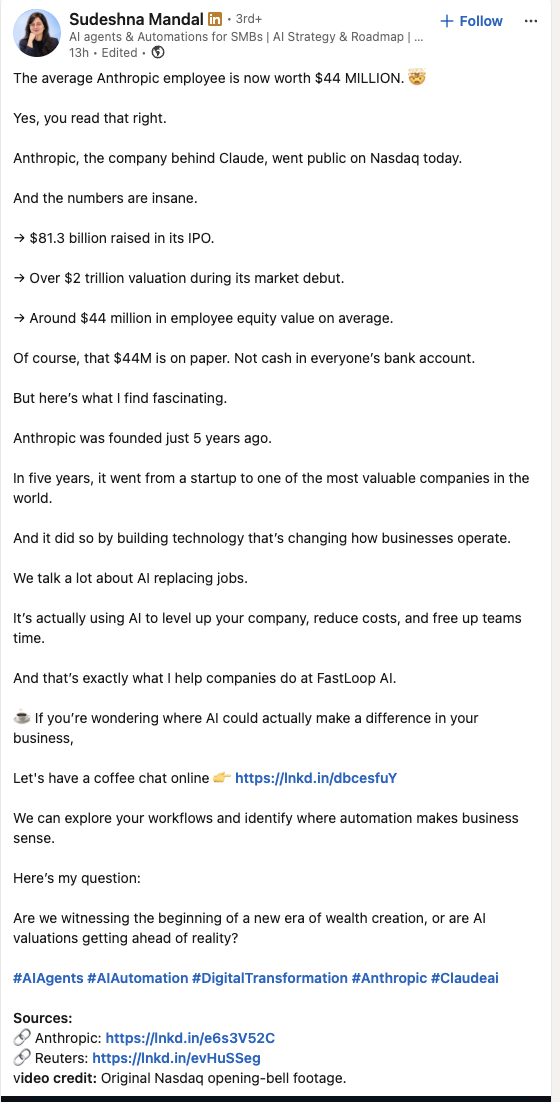
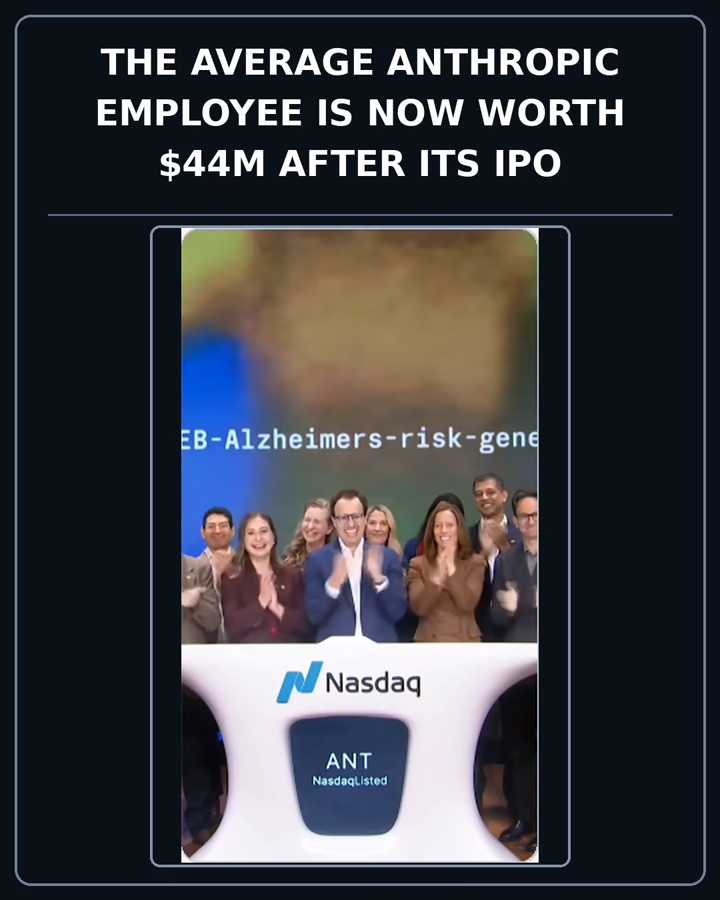
On the Anthropic IPO
Anthropic just launched Claude Meetings.
Claude joins your Google Meet as a visible participant and builds the doc, whiteboard or artifact while the team is still talking. Beta on Team and Enterprise plans. The launch video passed 1.6M views in under three hours.
That could make meetings dramatically more useful—but it also raises a new question: when does an AI-generated draft become an approved company decision or record?
Personally, I think this is much more significant than another meeting summariser. The AI is no longer recording the work. It is beginning to participate in producing it
Only 16% of organisations have a workforce strategy for the impact of AI
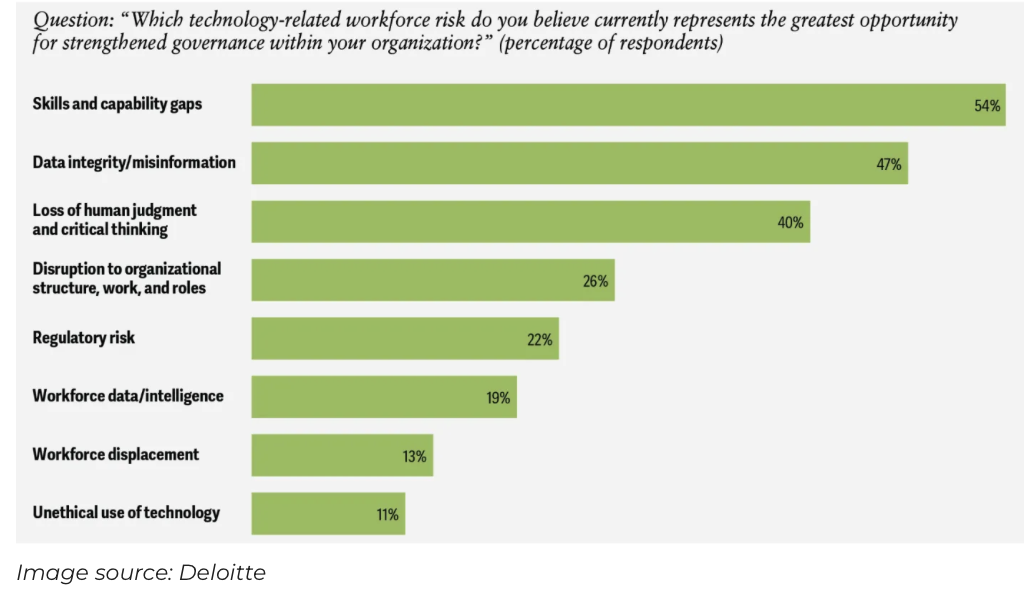
Deloitte surveyed 806 directors and executives—and found that half of boards do not consistently consider people when discussing AI transformation.
Only 12% have full oversight of how technology budgets are divided between infrastructure and workforce investment.
The risks are already visible: skills gaps, poor data and the erosion of human judgment.
AI spending decisions are workforce decisions. Boards should not govern them separately. —>Read full report
There is a common thread through this week’s stories. AI creates very little value on its own. Someone still has to connect it to strategy, decide how the capacity is used, redesign the workforce and remain accountable for the output.
## Technology may be moving faster. Leadership is not becoming optional.
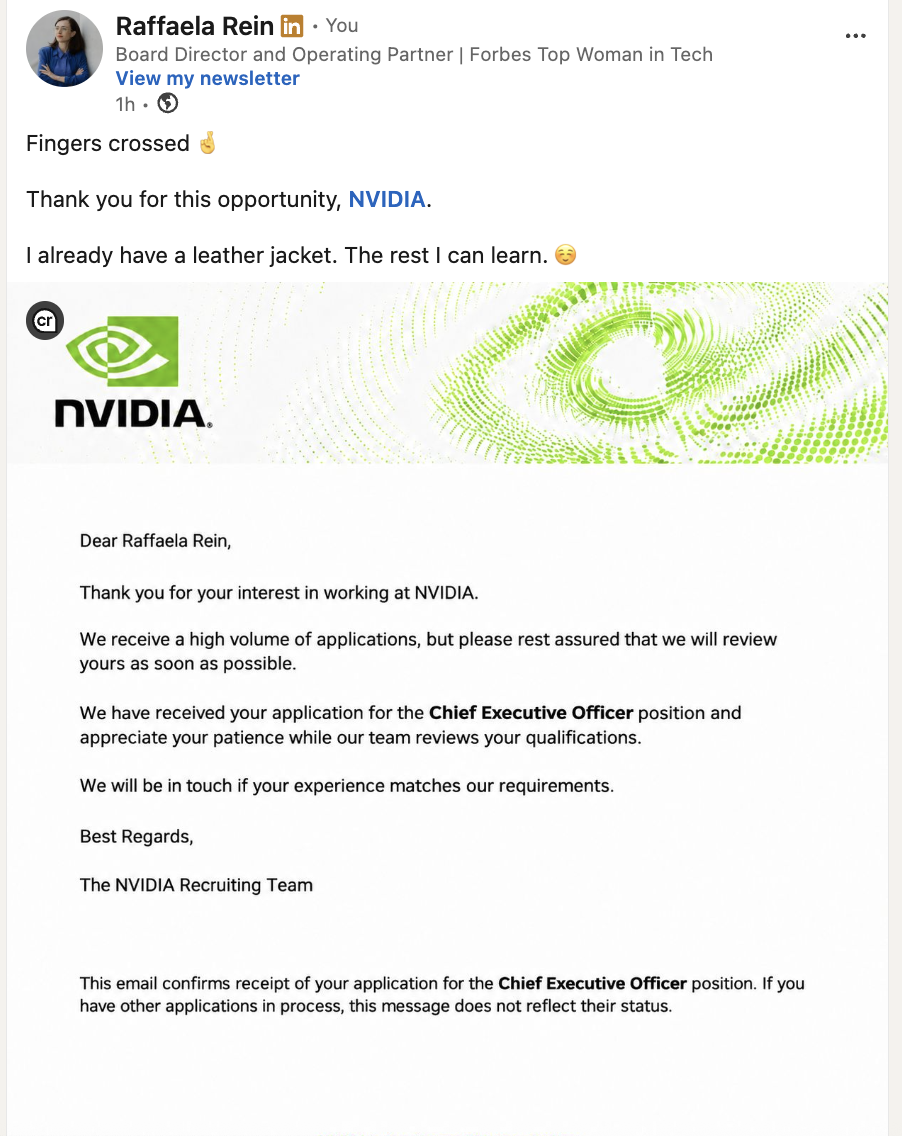
POSTS OF THE WEEK

Paid subscribers also get The AI Frontier Certification Course, the Top 10 Prompting Hacks, and The AI Leadership and Boardroom Toolkit, plus two full editions like this every week. Many subscribers expense it as professional development.
💭 Remember!
As a paid subscriber, you get every playbook in this series. The 5 most worth reading alongside this one:
1️⃣ Make your whole company AI native with these 6 steps Read here—>
2️⃣ Boards and CEOs disagree about almost everything on AI Read here ->
3️⃣ 100 Questions every Leader should be asking about AI Read here ->
4️⃣ The Most Expensive AI Governance Fails Read here —>
4️⃣ The Boardroom in 2030 Read here ->
5️⃣ The Most Popular AI Leadership Takes of Q2 2026 Read here ->
🗣 Or invite a friend: refer 1 friend and you get The AI Leadership Prompt Library plus the Practical AI for Leaders course.
A community of 41,000 board directors and leaders. 14,000+ newsletter subscribers are already inside.
This Substack is reader-supported. To receive new posts and support my work, consider becoming a free or paid subscriber.