CEO “moonshots” fizzle, drones outshine fireworks, and AI spend hits the boardroom — a look at what’s winning (and what’s not) in tech, capital, and leadership.
Published: 2026-01-19
URL: https://theaileadershipedge.substack.com/p/from-ceo-moonshot-pay-packages-to
This week in the AI leadership Edge:
- Supersize CEO pay packages aren’t paying off for shareholders
- China’s Record-breaking AI-Run Drone Show Stole the Sky, without explosions
- The New Budget Economics of AI
- The Palantirization of Everything
Help us hit 11K. 10,956 investors, business leaders, and board directors already read The AI Leadership Edge each week for actionable insights on leading in the age of AI.
Supersize CEO pay packages aren’t paying off for shareholders
It turns out that “moonshot” CEO pay deals have produced more smoke than stardust. Following Tesla’s 2018 precedent, companies like KKR, Rivian, Roblox, and Robinhood handed out $100M+ CEO packages hoping to ignite performance.
But most of those bets have fallen flat, with few leaders delivering shareholder value in return. The takeaway: governance needs smarter incentives, not bigger ones—aligning ambition with accountability is the real rocket fuel for performance. (Wall Street Journal)

China’s Record-breaking AI-Run Drone Show Stole the Sky, without explosions
Fireworks may never look the same again. Two weeks ago, in Chongqing, 11,787 drones lit up the sky—fully choreographed by AI. No pilots, no smoke, no chaos—just 10,000+ flying robots moving as one. 🐉✨
The system coordinated every drone in real time, forming animals, symbols, and sculptures that shifted with eerie precision—zero collisions, zero humans at the controls.
It’s more than a record-breaking light show. It’s a glimpse of the future of coordination—where intelligence, not explosions, powers spectacle and scale.
For centuries, progress meant bigger bangs. Now it’s silence, software, and synchronized machines.
The New Budget Economics of AI
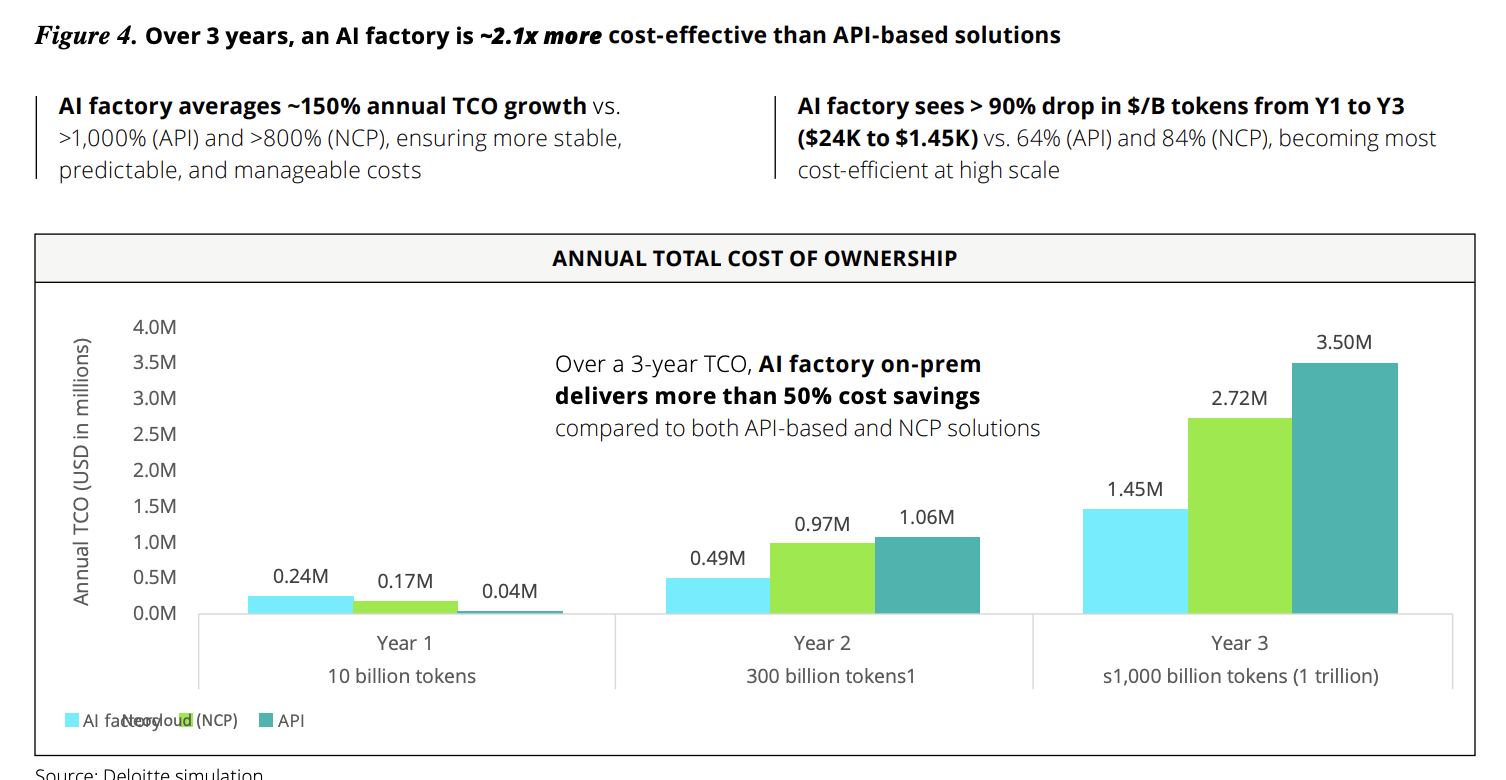
Deloitte’s latest report finds that AI spending is now the fastest-growing line item in enterprise IT budgets, consuming up to half of total tech spend at some firms. AI costs are becoming as fundamental—and as unpredictable—as energy bills. Every AI model runs on “tokens,” the digital units that power its outputs. These tokens are the new currency of AI economics—as vital as kilowatt hours are to electricity, yet far harder to forecast.
- Spending patterns are changing. Costs are shifting from predictable software subscriptions to usage-based bills that rise with every AI query, model run, or chatbot interaction.
- AI costs show up everywhere—as SaaS fees, metered API calls, or through “AI factories” that balance GPUs, storage, and energy on private infrastructure.
- Smaller, experimental workloads will likely stay API-based, while larger, mission-critical AI systems move in-house to stabilize costs.
The takeaway for investors, business, and board leaders: AI budgets can swing fast. Managing these costs is no longer just an IT task—it’s a strategic one. Leaders must understand where their AI runs, how pricing works, and when scaling up changes the economics entirely. (Deloitte)
The Palantirization of Everything
A growing number of startups now open their pitch decks with, “We’re Palantir, but for X.” They promise to embed elite engineers with customers, deliver bespoke AI workflows, and solve messy enterprise problems with “special forces” precision. It’s a seductive narrative — especially when every enterprise buyer feels overwhelmed by AI hype and vendor noise.
But most of these companies risk becoming services businesses in software disguise. Why? Because their revenue depends on armies of engineers customizing solutions one client at a time, rather than building a reusable platform that scales. Without product leverage, margins erode, and valuations built on software multiples crumble.
For leaders, investors, and directors, the takeaway is clear:
- Ask where the platform ends and the services begin. True scalability comes from repeatable architecture, not endless customization.
- Scrutinize gross margins and deployment models. If growth requires flying engineers to every client site, you’re funding consulting, not compounding software.
- Reward reusable learning. The winning AI companies will turn early bespoke work into modular, productized primitives — not perpetual client projects.
The Palantir model works because it built a platform first and deployed services as scaffolding, not the house. Copy the principle, not the headcount. (a16z)
The New Rules of Winning in Venture
The latest debate in venture—solo GPs vs. big funds, small vs. platform—is missing the point. As Forbes put it, the real differentiator isn’t structure, it’s edge: how investors compound insight, access, value, and reputation into lasting performance.
Why does this matter for leaders, investors, and boards? Because the same principle applies far beyond venture capital. Outperformance now depends on clarity of edge, not scale. Whether you’re running a company or allocating capital, it’s not about how big you are or how many people you have—it’s about knowing what unique insight, network, or capability you bring that compounds over time.
Venture firms that win the next decade won’t look alike—but they’ll all share one thing: a sharp sense of where their edge comes from and how to protect it. The same is true for every business leader navigating disruption today. (Forbes)
From CEO Moonshot Pay Packages to AI Replacing Fireworks