Yes—but the real danger is what the team allows to spread.
By QuestionClass
Published: 2026-09-17
URL: https://questionclass.substack.com/p/can-one-person-ruin-an-otherwise
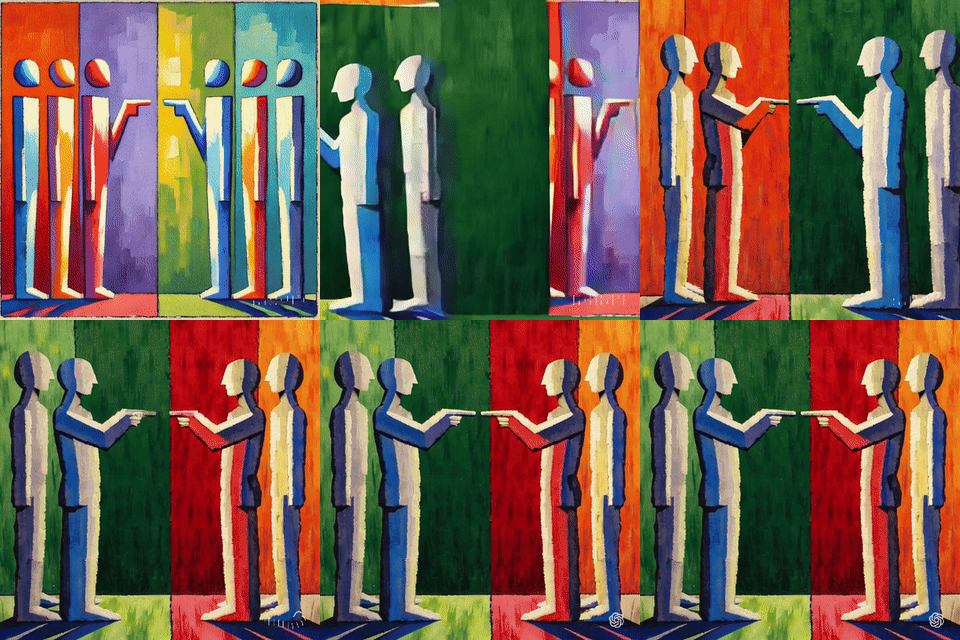
Most teams can survive one difficult personality.
What they struggle to survive is the adaptation that happens around that person.
Someone interrupts constantly, so people stop finishing their thoughts. Someone mocks weak ideas, so people stop offering unfinished ones. Someone hoards information, so everyone starts protecting their own. Someone is never accountable, so others quietly lower their expectations.
Eventually, the team is no longer simply dealing with one difficult person. It has reorganized itself around them.
That is when the damage becomes cultural.
A strong team depends on more than talented people. It depends on people believing they can disagree, admit uncertainty, ask questions, and make mistakes without being punished socially for doing so. Once one person makes those behaviors feel dangerous, the team begins losing access to information it already possesses.
People know things they no longer say.
They see problems they no longer raise.
They have ideas they no longer volunteer.
That can look like harmony from the outside. It is usually something closer to caution.
But there is an important distinction here: difficult is not the same as destructive.
Every strong team needs people willing to challenge weak thinking. The teammate who asks the uncomfortable question, points out the overlooked risk, or refuses to support an idea simply because everyone else likes it can be enormously valuable.
The question is what happens to the room after they speak.
A good challenger makes the idea stronger.
A destructive teammate makes the room smaller.
One increases the amount of honest thinking available to the team. The other reduces it.
That distinction is especially important because leaders often make two opposite mistakes. They protect damaging behavior because the person is talented, or they suppress valuable dissent because disagreement feels uncomfortable.
Neither is healthy.
Imagine a salesperson who consistently beats quota but humiliates coworkers, hides useful information, and blames other departments whenever something goes wrong. At first, the organization may rationalize the behavior because the numbers are good.
“He delivers.”
“That is just how she is.”
“We can’t afford to lose them.”
But eventually the hidden costs begin appearing. New hires stop asking questions. Other departments become less cooperative. Meetings become more guarded. Strong employees spend more energy managing the star performer than doing their own work.
The company did not simply tolerate one person’s behavior. It taught everyone watching what mattered more.
Results mattered more than respect.
That lesson spreads.
This is why culture is shaped not only by what leaders encourage, but also by what they allow to continue.
The best response is usually not to label someone “toxic.” It is to identify the behavior precisely.
“When you dismiss an idea before asking a question, people stop contributing. I need you to challenge the thinking without shutting down the person.”
That gives the person something they can change.
It also tells the rest of the team that the standard is real.
Healthy teams do not eliminate conflict. They create conditions where conflict improves the work instead of shrinking the people doing it.
So can one person ruin an otherwise good team?
Yes.
But usually only if everyone else learns they must work around that person rather than address what is happening.
Maybe the better question is:
Is this person’s friction making the team think better, or teaching everyone else to become smaller?