Papers I read and summarized

By Prof. Pilyoung Kim

Published: 2026-08-04

URL: https://pilyoung.substack.com/p/papers-children-robots-ai


Research on how children and parents meet AI and social robots, one paper at a time: what each study asked, what it found, and why it was worth reading. Trust and attachment, how brains respond to machines that talk, what changes when a chatbot joins story time, and where the research is still guessing.

1. Young Children and ChatGPT: Parents' Use of ChatGPT in ParentingYoung Children and ChatGPT: Parents' Use of ChatGPT in Parenting
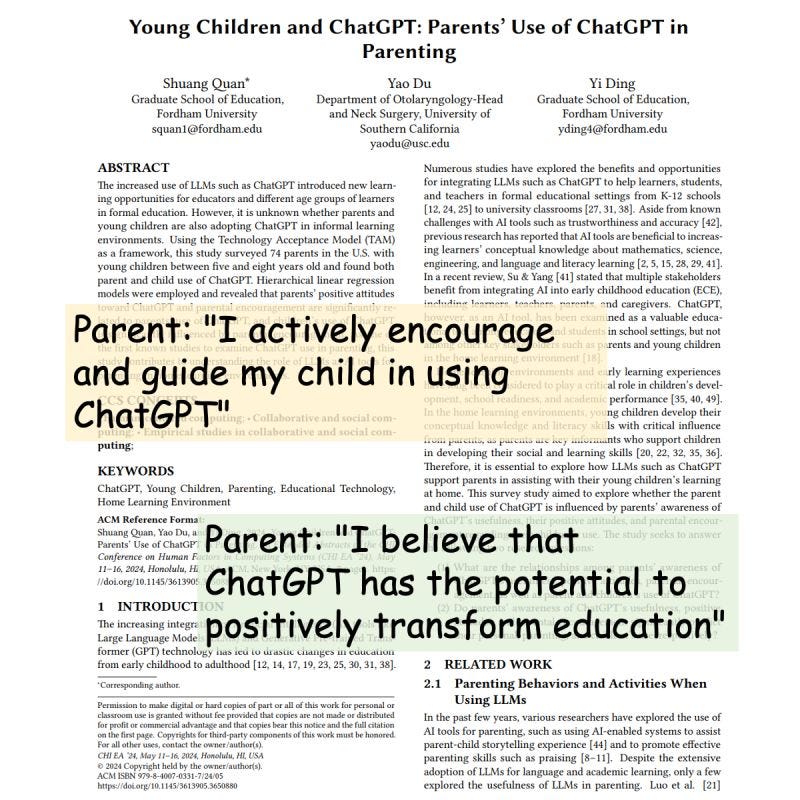
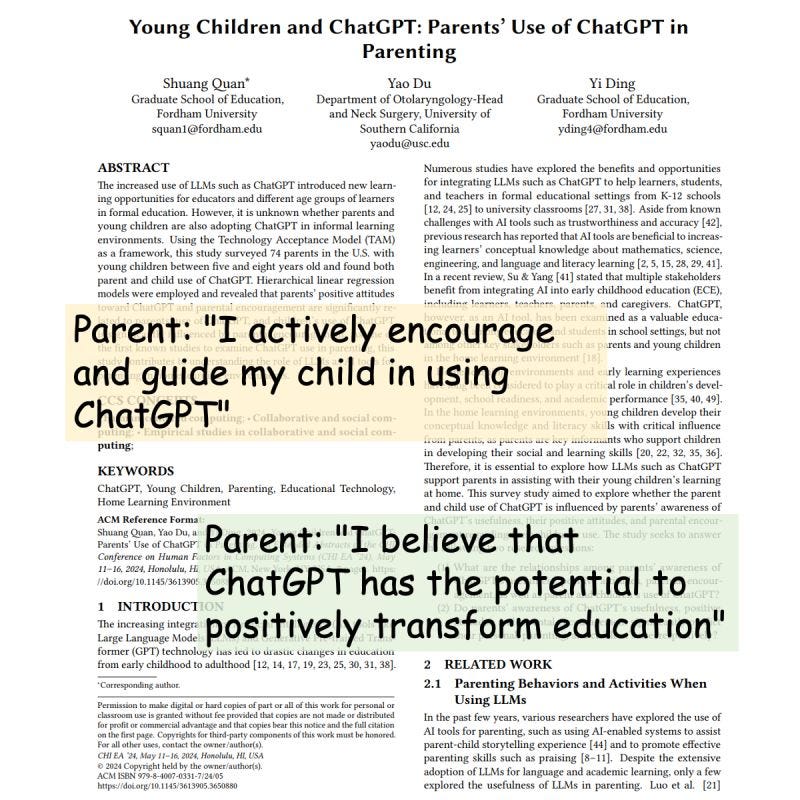
Read Young Children and ChatGPT: Parents' Use of ChatGPT in Parenting →


2. Exploring Parent's Needs for Children-Centered AI to Support Preschoolers' Storytelling and Reading ActivitiesExploring Parent's Needs for Children-Centered AI to Support Preschoolers' Storytelling and Reading Activities
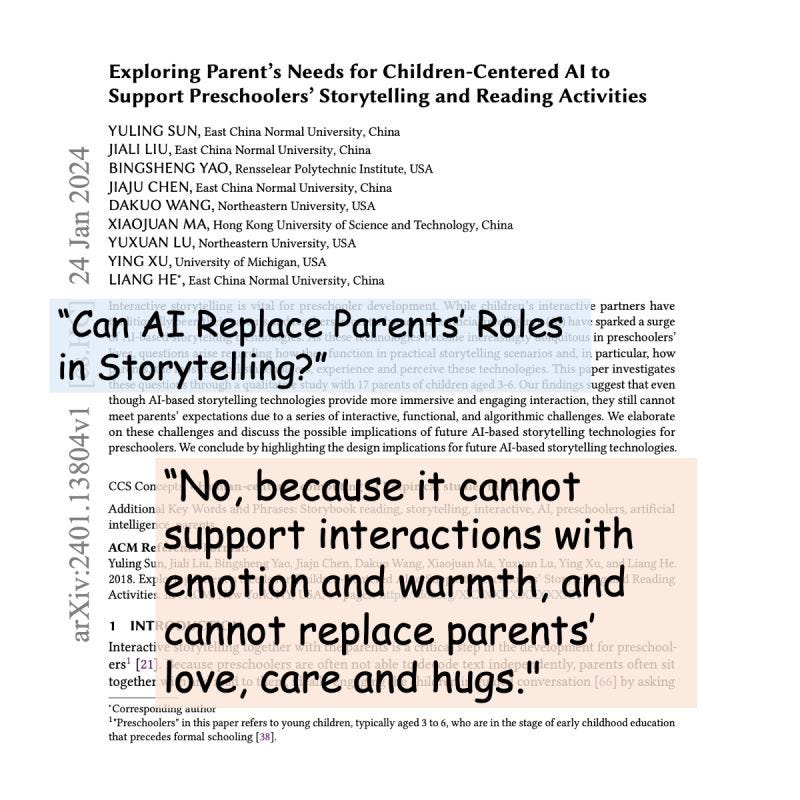
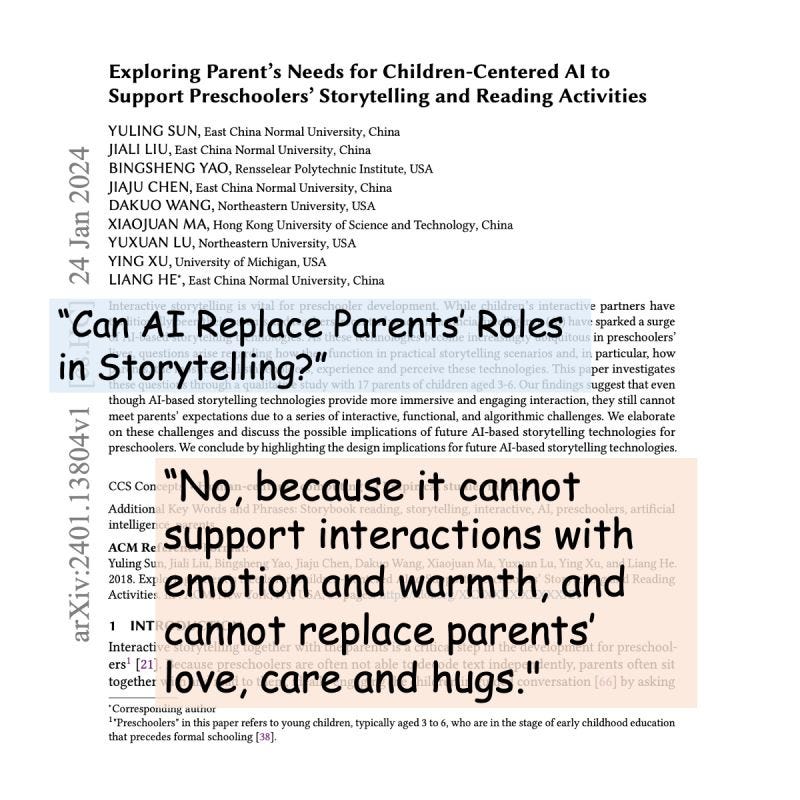
Read Exploring Parent's Needs for Children-Centered AI to Support Preschoolers' Storytelling and Reading Activities →


3. Child–Robot Interaction Across Cultures: How Does Playing a Game With a Social Robot Compare to Playing a Game Alone or With a Friend?Child–Robot Interaction Across Cultures: How Does Playing a Game With a Social Robot Compare to Playing a Game Alone or With a Friend?
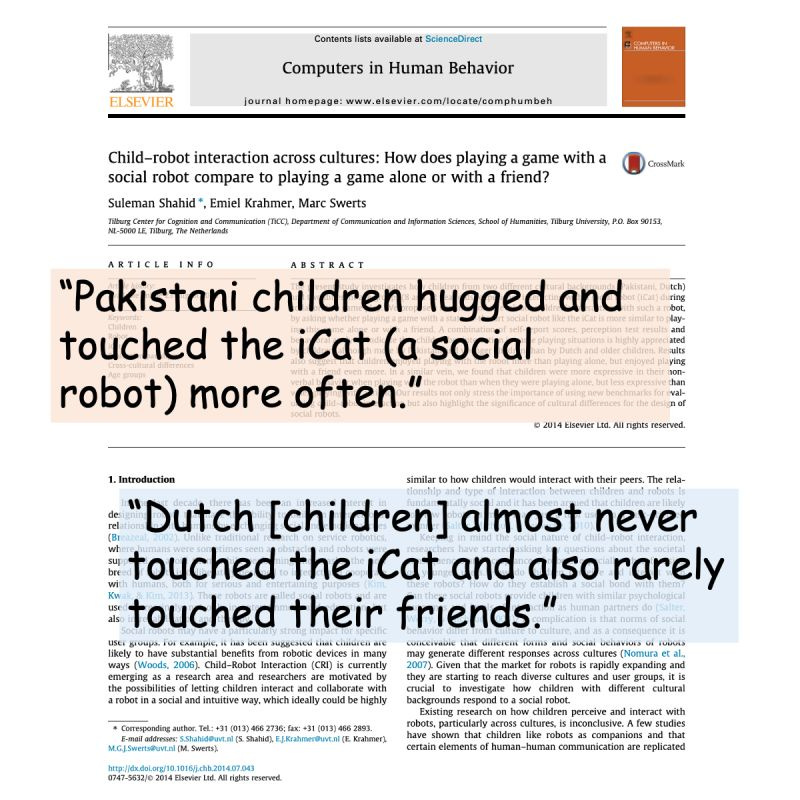
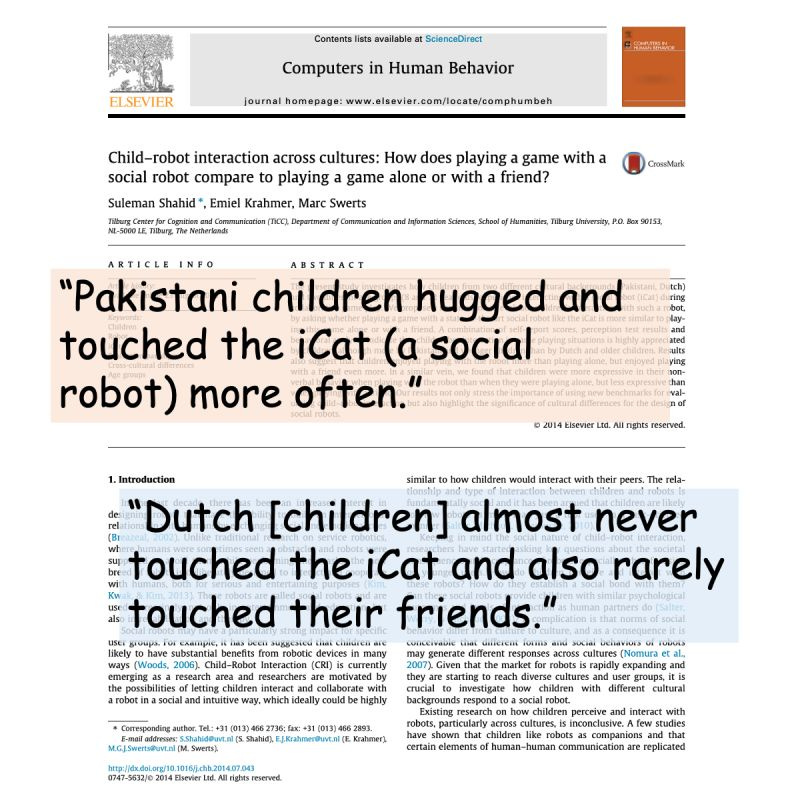
Read Child–Robot Interaction Across Cultures: How Does Playing a Game With a Social Robot Compare to Playing a Game Alone or With a Friend? →


4. Culturally Variable Preferences for Robot Design and Use in South Korea, Turkey, and the United StatesCulturally Variable Preferences for Robot Design and Use in South Korea, Turkey, and the United States
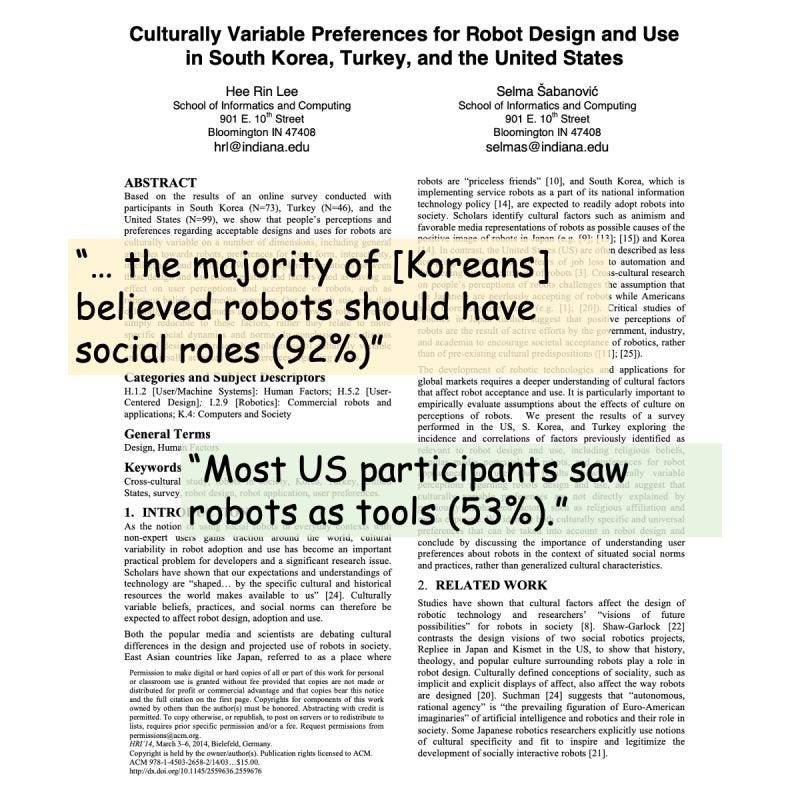
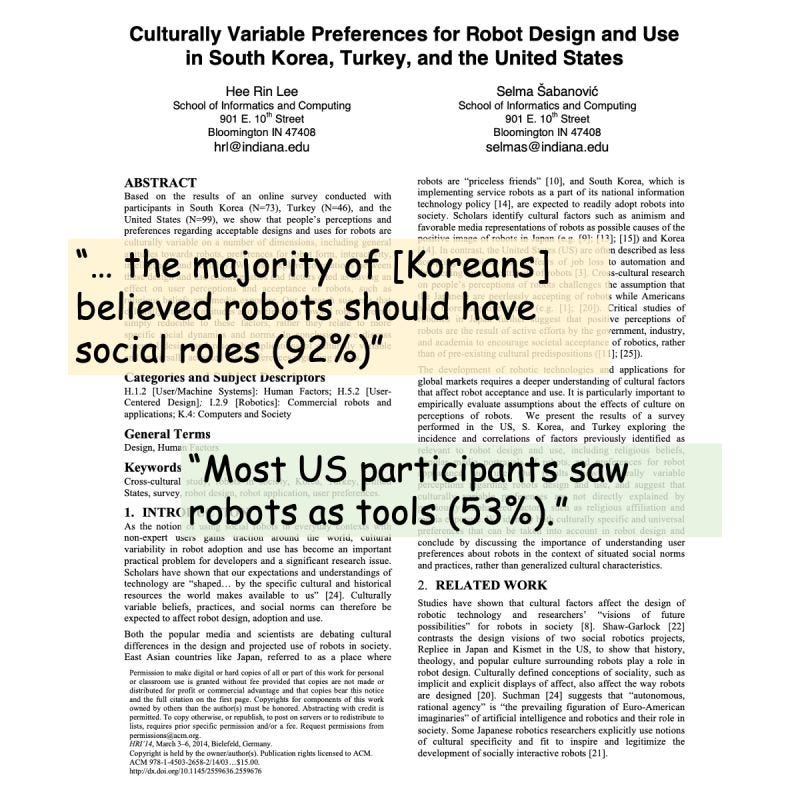
Read Culturally Variable Preferences for Robot Design and Use in South Korea, Turkey, and the United States →


5. Child–robot relationship formation: A narrative review of empirical researchChild–robot relationship formation: A narrative review of empirical research
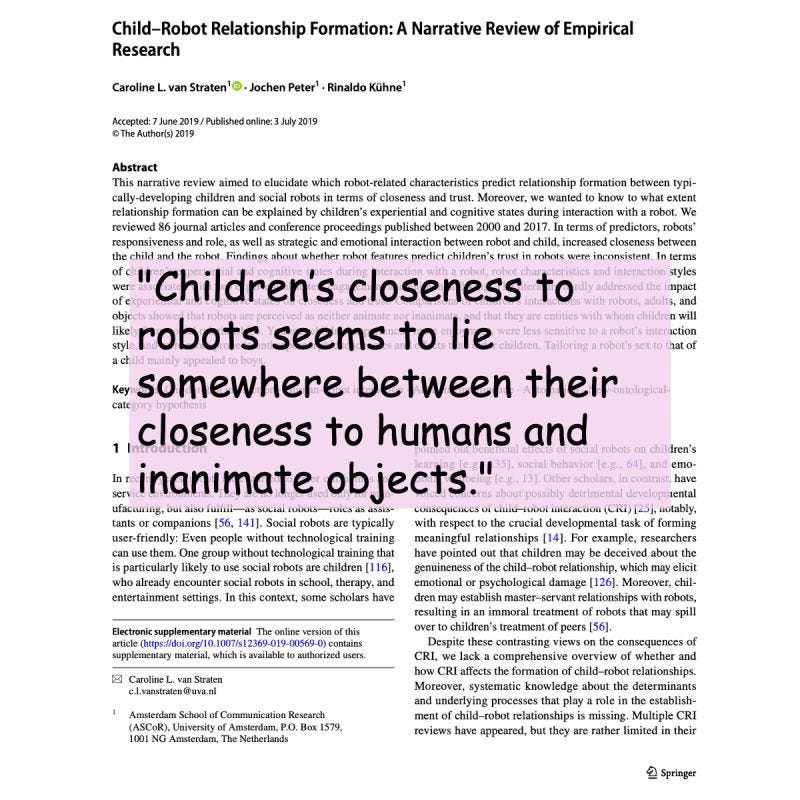
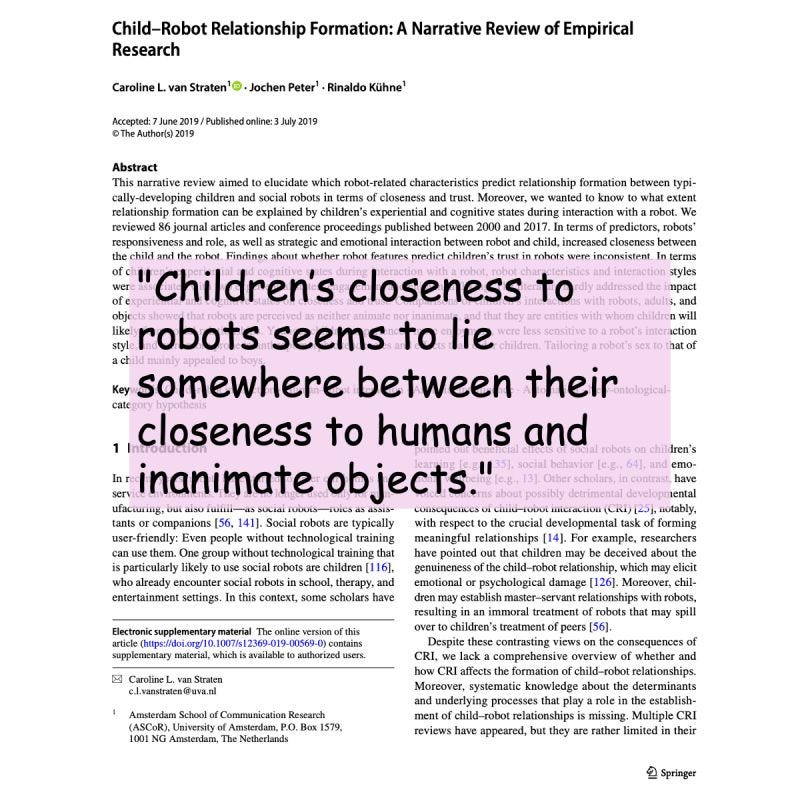
Read Child–robot relationship formation: A narrative review of empirical research →


6. Shall I Trust You? From Child–Robot Interaction to Trusting RelationshipsShall I Trust You? From Child–Robot Interaction to Trusting Relationships
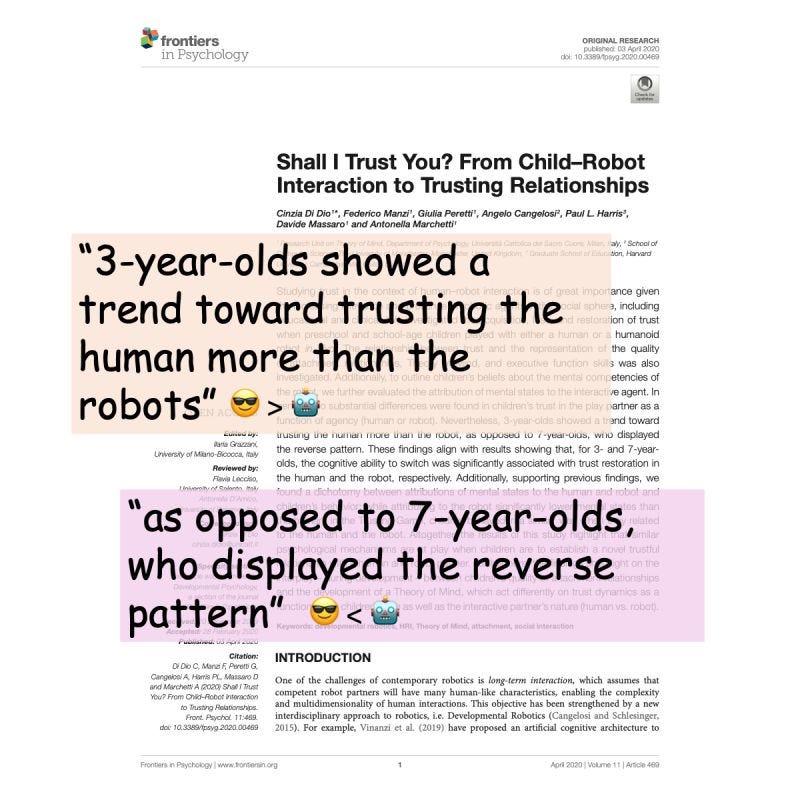
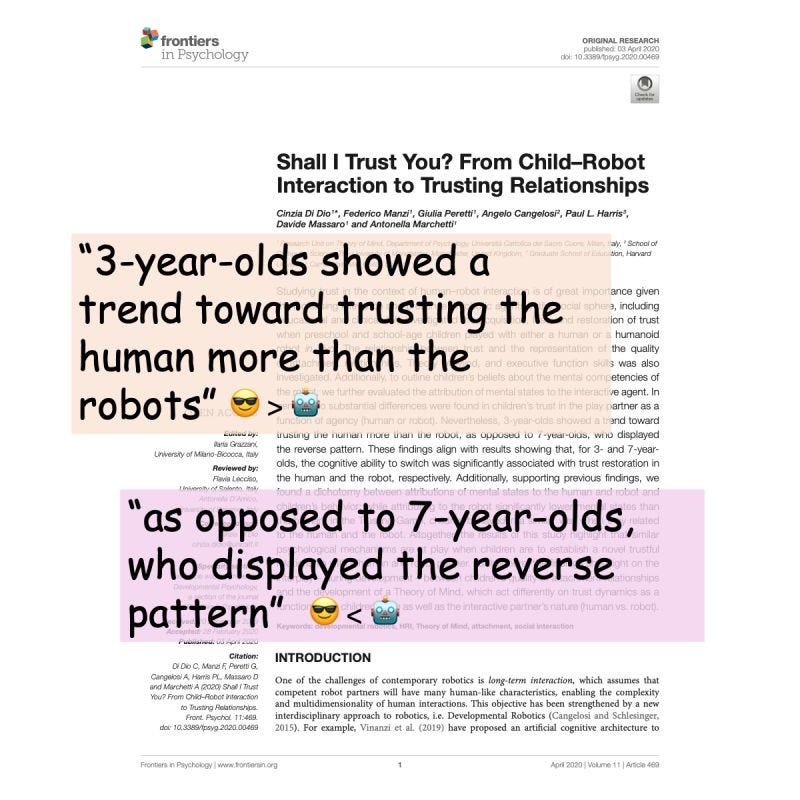
Read Shall I Trust You? From Child–Robot Interaction to Trusting Relationships →


7. Aladdin’s Genie or Pandora’s Box for early childhood education? Experts chat on the roles, challenges, and developments of ChatGPTAladdin’s Genie or Pandora’s Box for early childhood education? Experts chat on the roles, challenges, and developments of ChatGPT
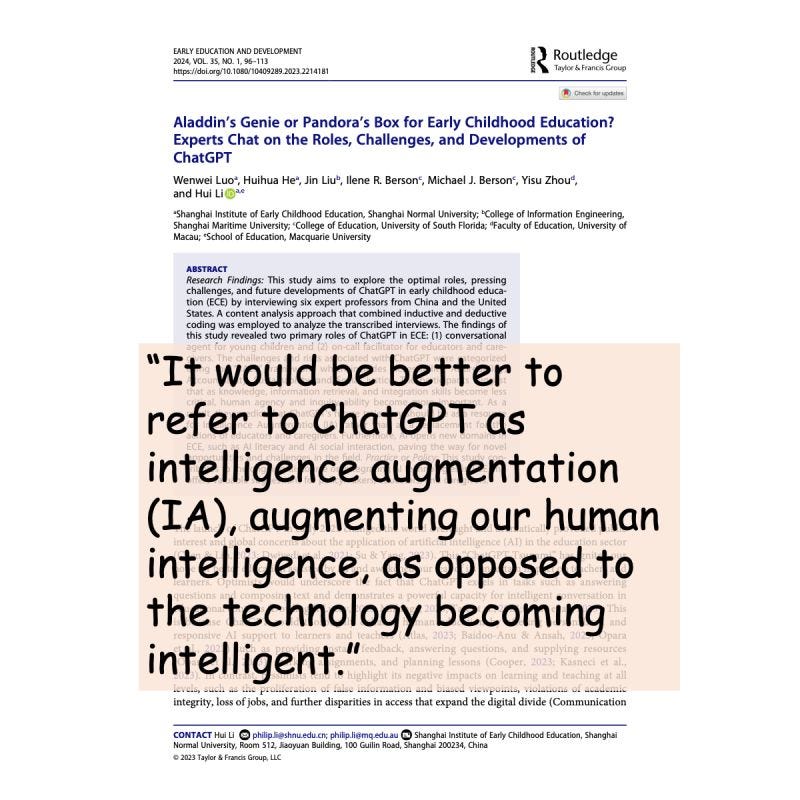
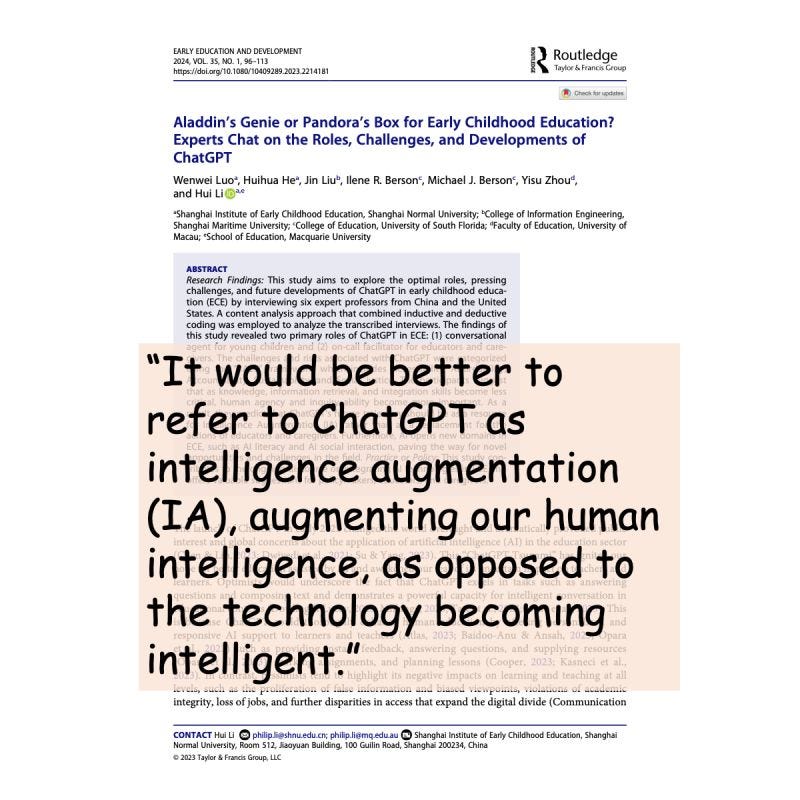
Read Aladdin’s Genie or Pandora’s Box for early childhood education? Experts chat on the roles, challenges, and developments of ChatGPT →


8. Challenging ChatGPT 'Intelligence' with human tools: a neuropsychological investigation on prefrontal functioning of a large language modelChallenging ChatGPT 'Intelligence' with human tools: a neuropsychological investigation on prefrontal functioning of a large language model
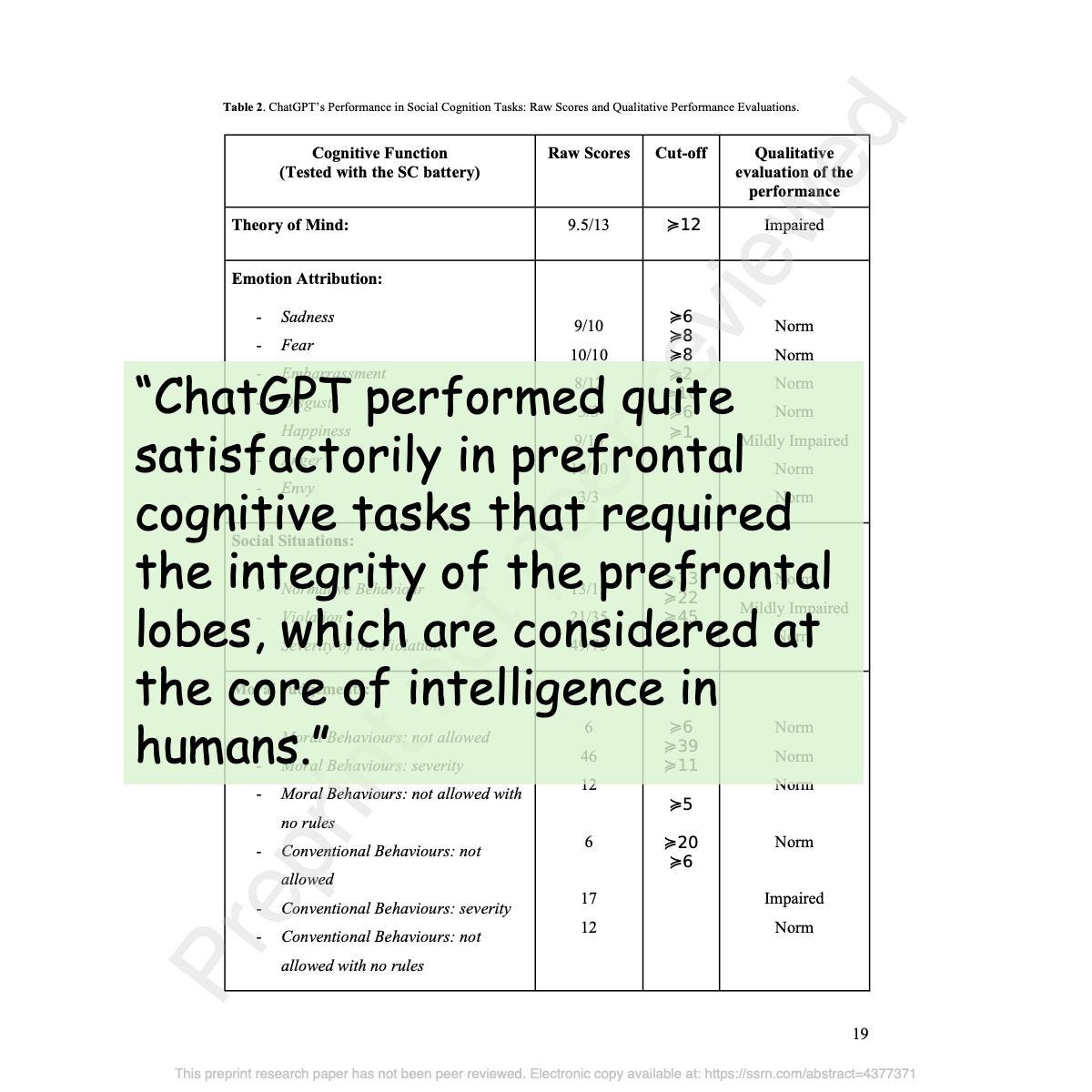
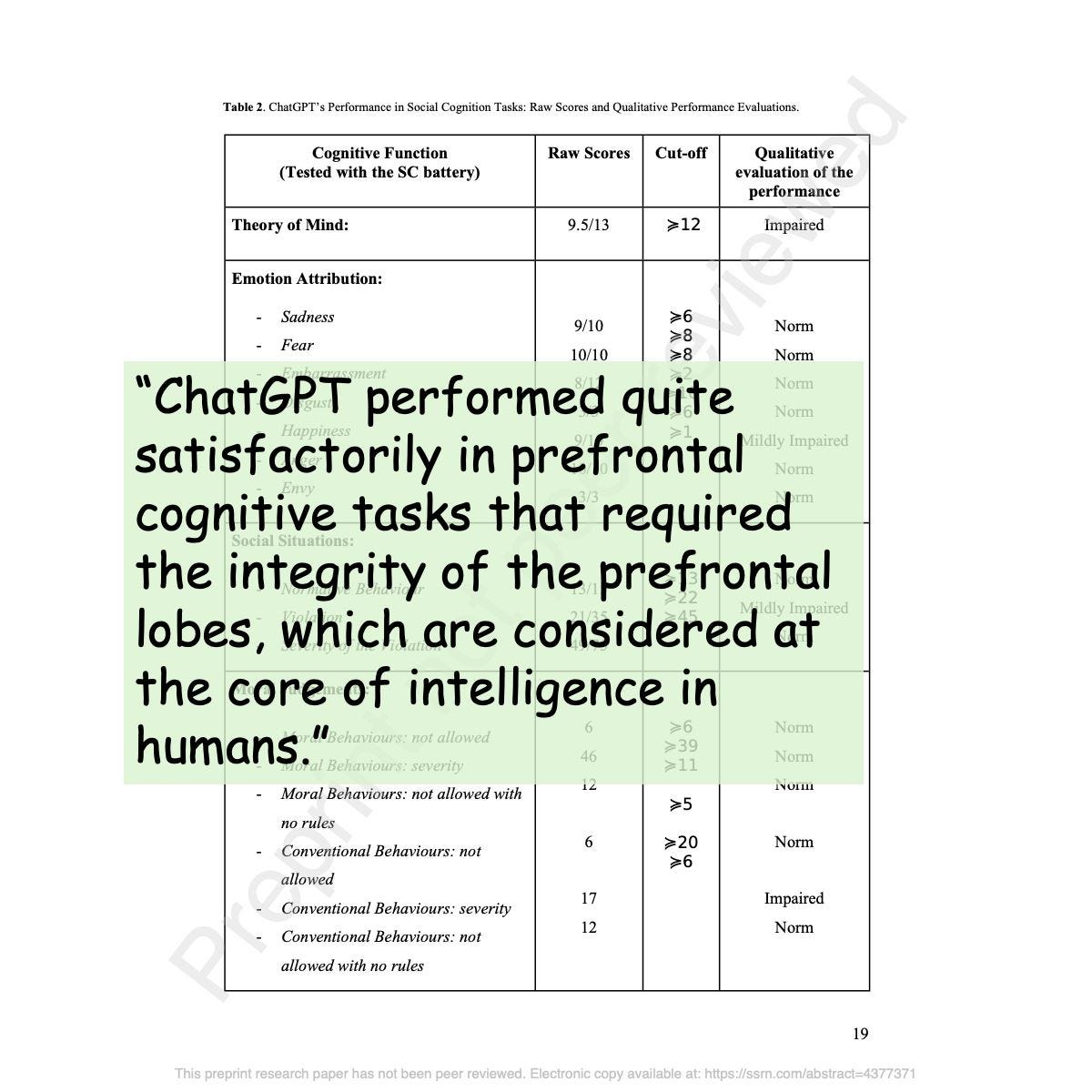
Read Challenging ChatGPT 'Intelligence' with human tools: a neuropsychological investigation on prefrontal functioning of a large language model →


9. Dialogue with a Conversational Agent Promotes Children's Story Comprehension via Enhancing EngagementDialogue with a Conversational Agent Promotes Children's Story Comprehension via Enhancing Engagement
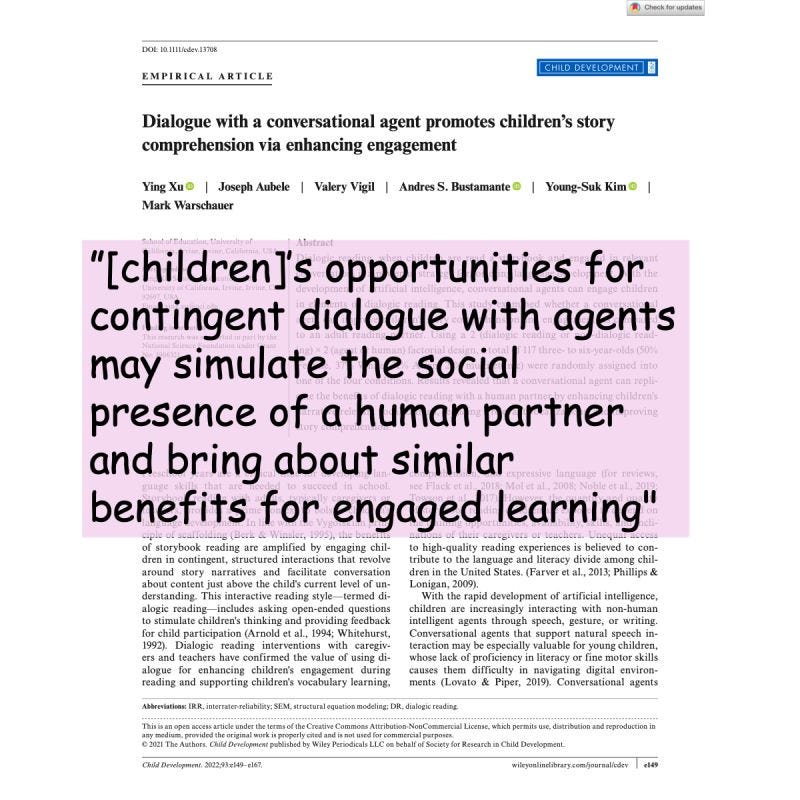
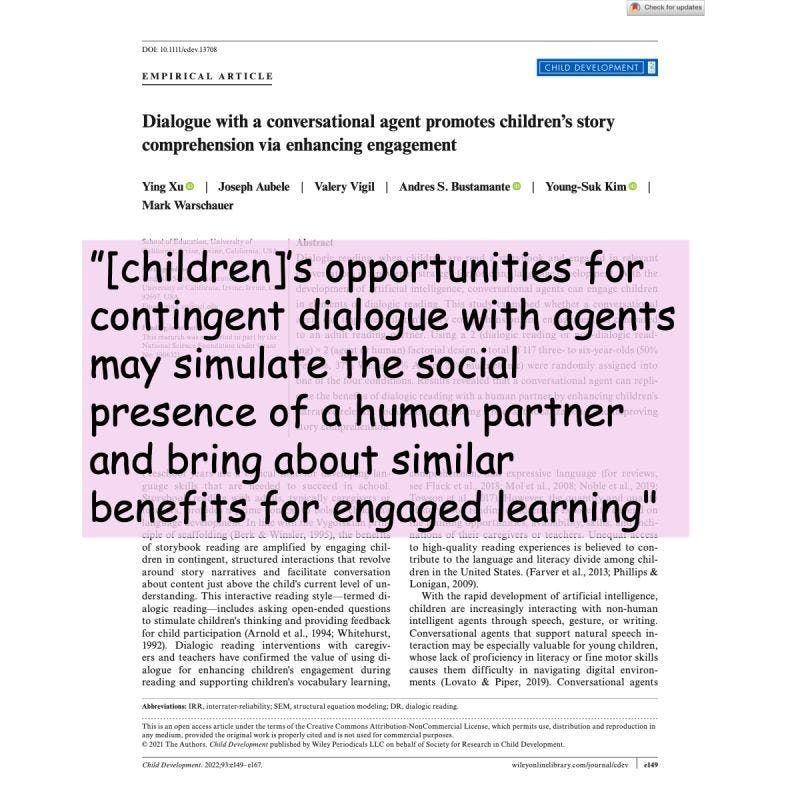
Read Dialogue with a Conversational Agent Promotes Children's Story Comprehension via Enhancing Engagement →


10. Investigation on Empathy Towards Humans and Robots using fMRIInvestigation on Empathy Towards Humans and Robots using fMRI
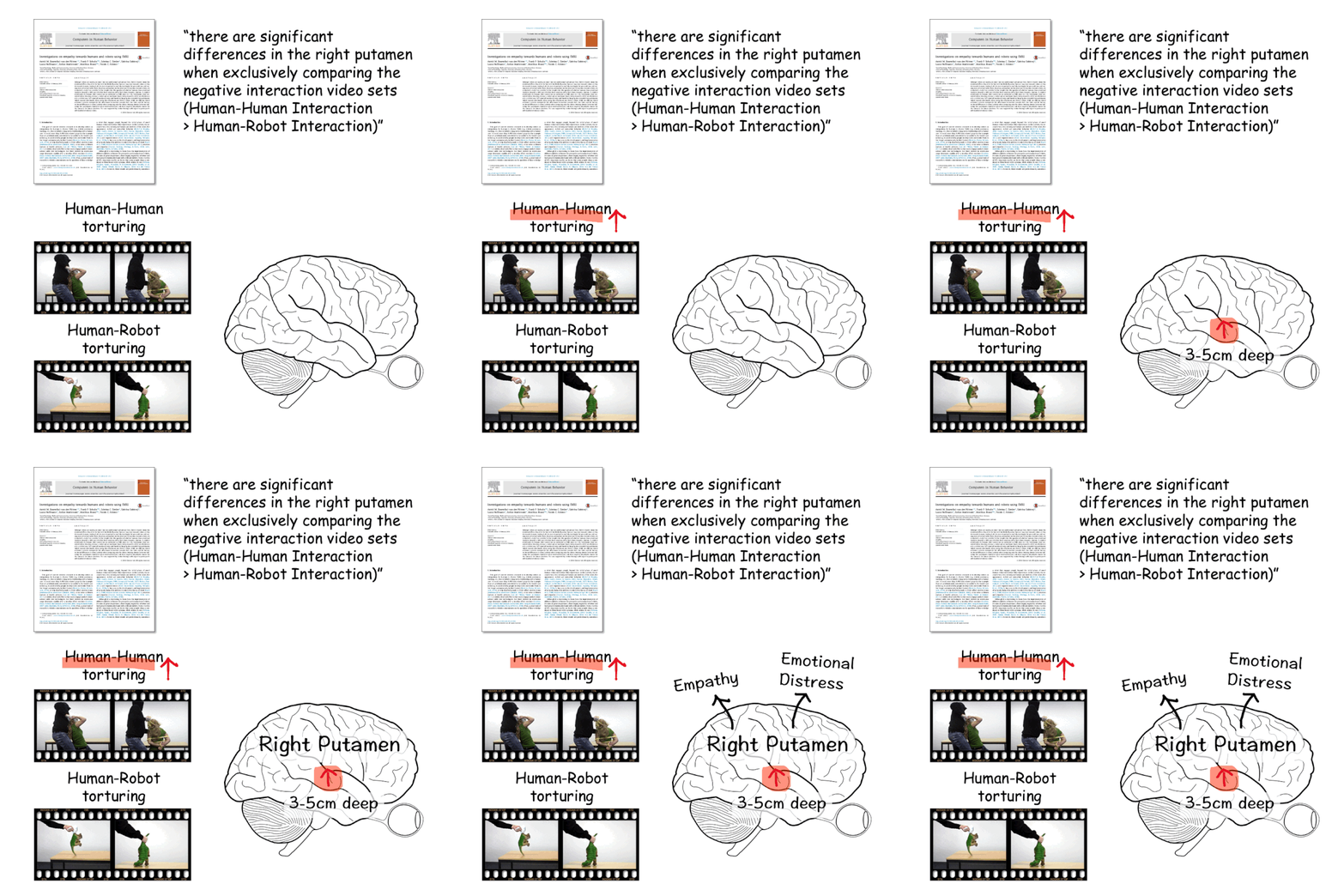
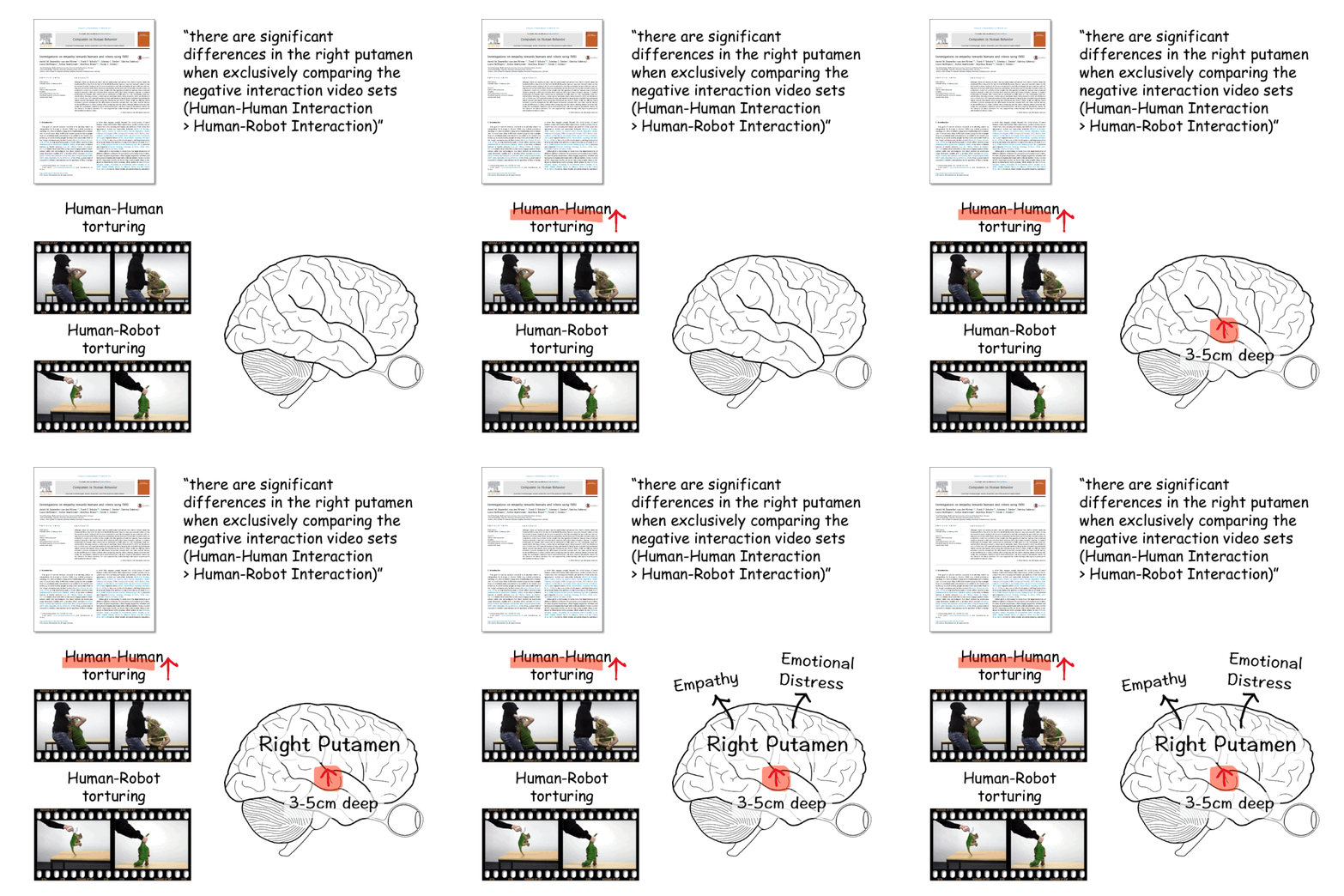
Read Investigation on Empathy Towards Humans and Robots using fMRI →


11. Using Near Infrared Spectroscopy to Index Temporal Changes in Affect in Realistic Human-Robot InteractionsUsing Near Infrared Spectroscopy to Index Temporal Changes in Affect in Realistic Human-Robot Interactions
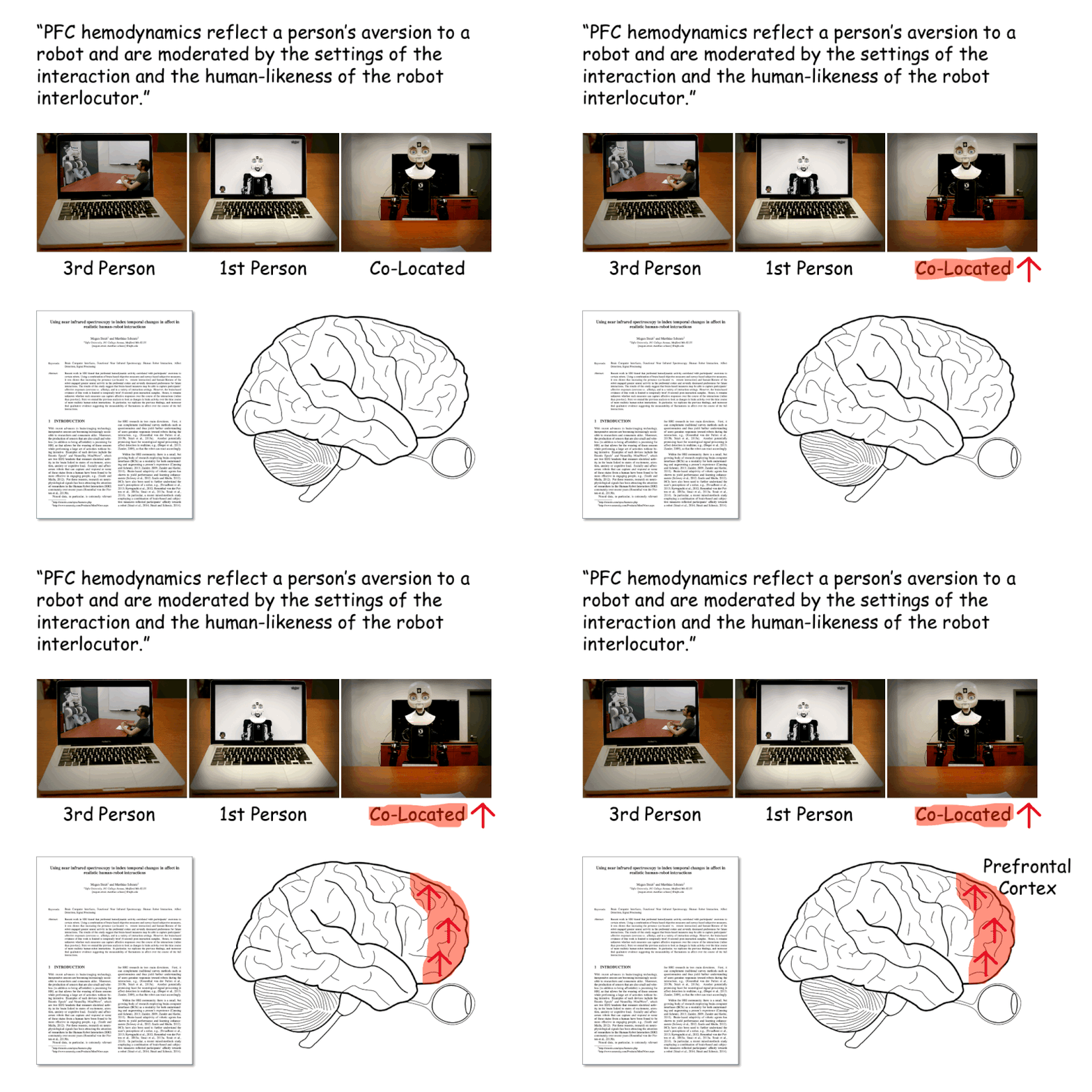
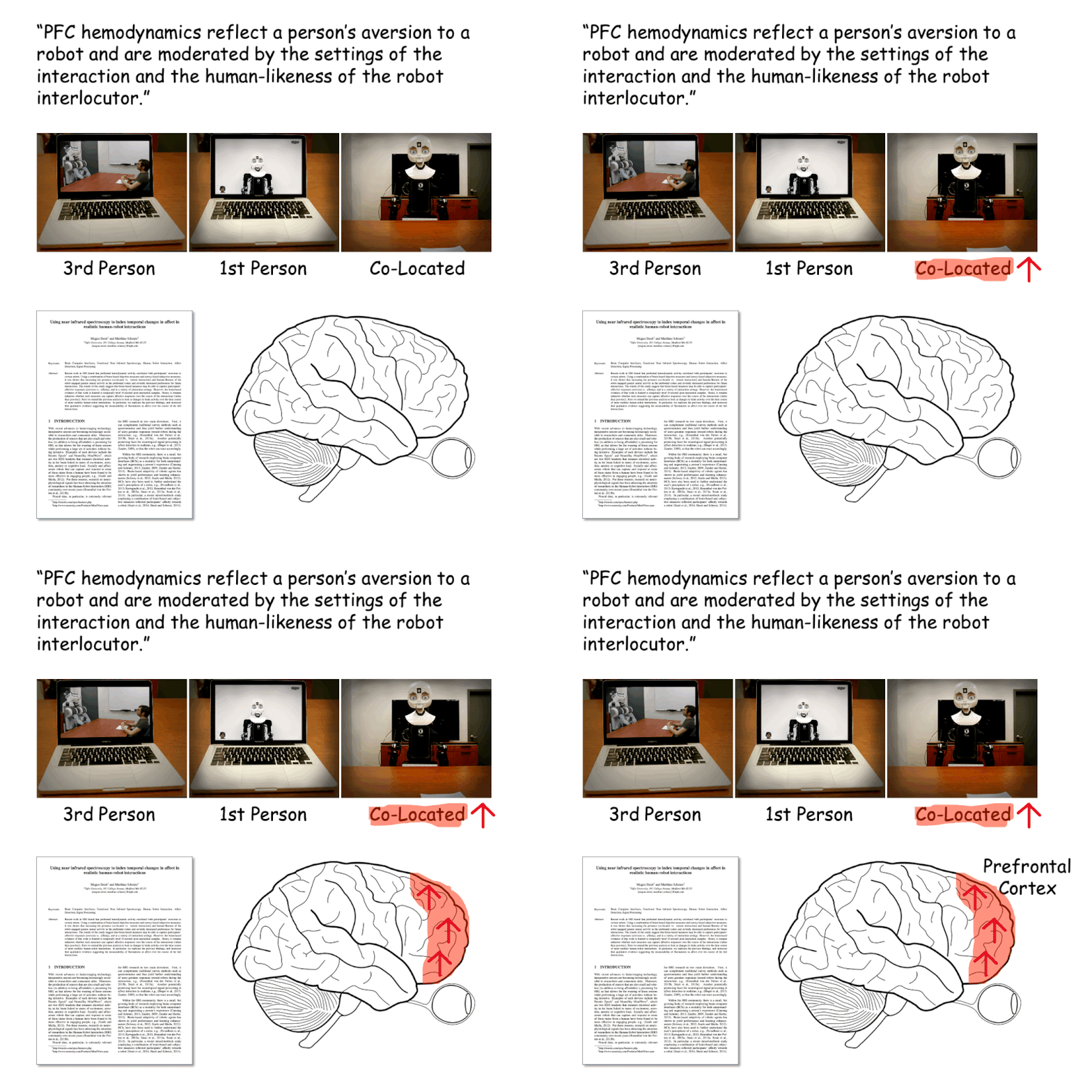
Read Using Near Infrared Spectroscopy to Index Temporal Changes in Affect in Realistic Human-Robot Interactions →


12. "Robovie, you'll have to go into the closet now": Children's social and moral relationships with a humanoid robot"Robovie, you'll have to go into the closet now": Children's social and moral relationships with a humanoid robot
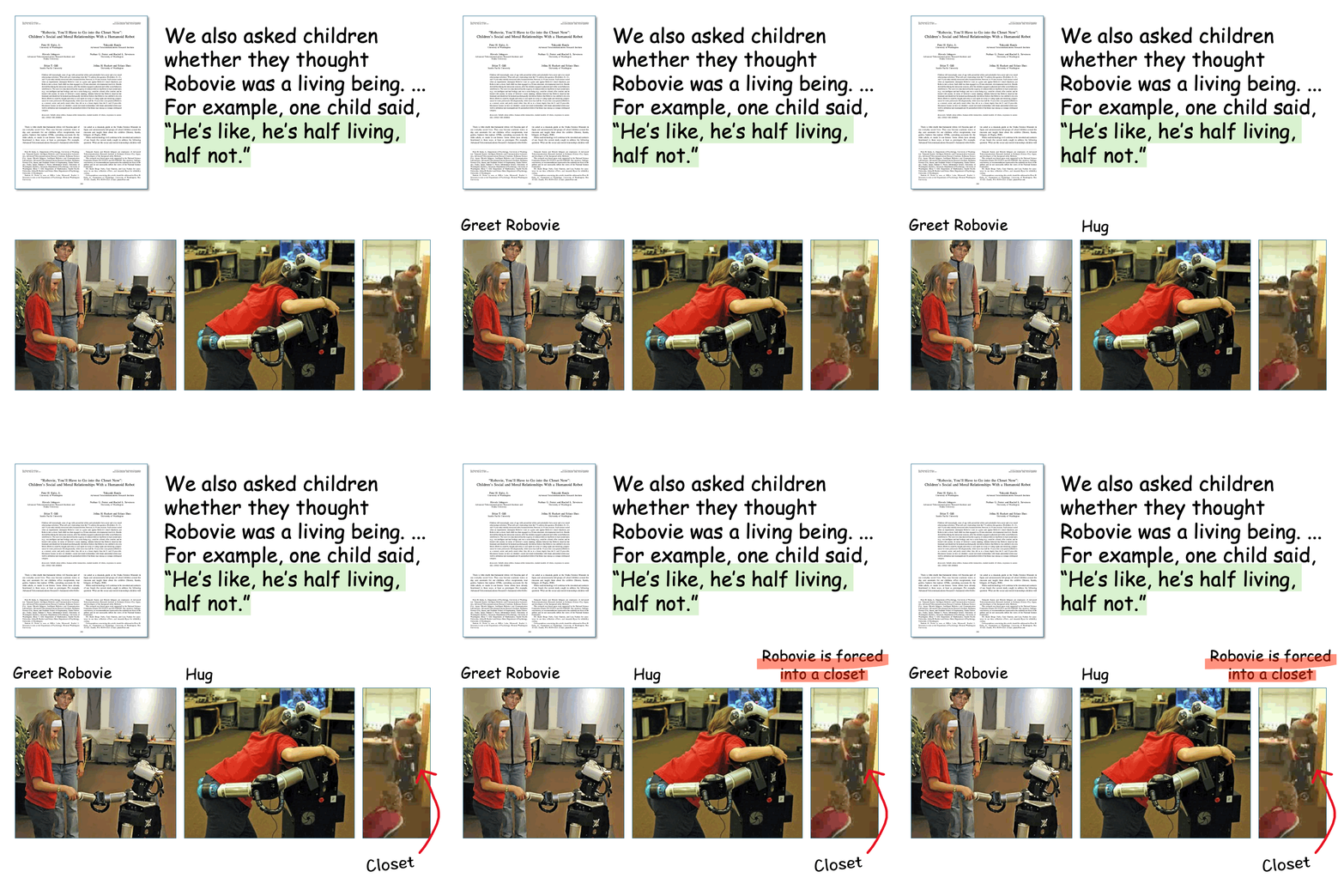
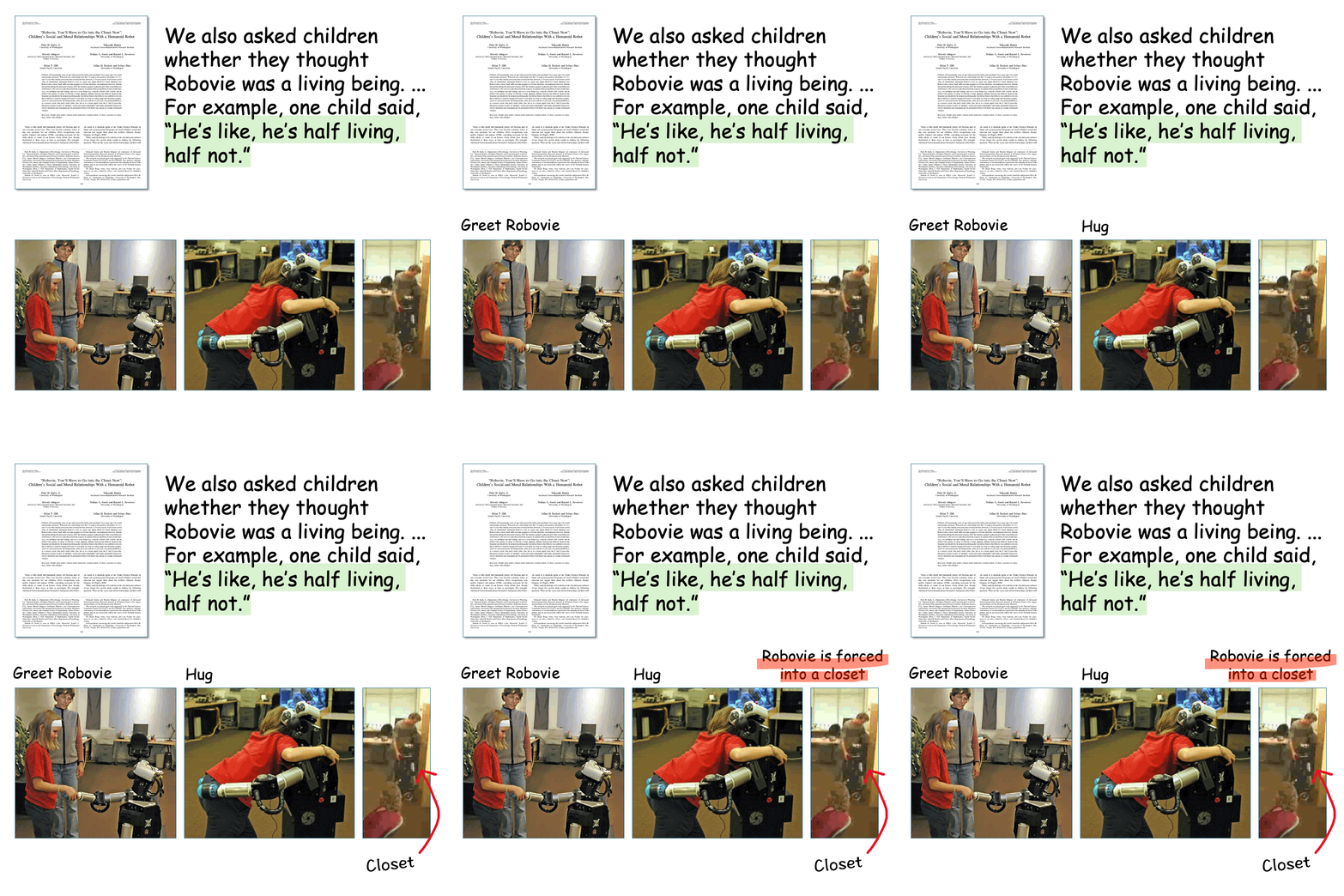
Read "Robovie, you'll have to go into the closet now": Children's social and moral relationships with a humanoid robot →


13. The Now and Future of ChatGPT and GPT in PsychiatryThe Now and Future of ChatGPT and GPT in Psychiatry


Read The Now and Future of ChatGPT and GPT in Psychiatry →


14. Digital Inequality and Developmental Trajectories of Low-income, Immigrant, and Minority ChildrenDigital Inequality and Developmental Trajectories of Low-income, Immigrant, and Minority Children
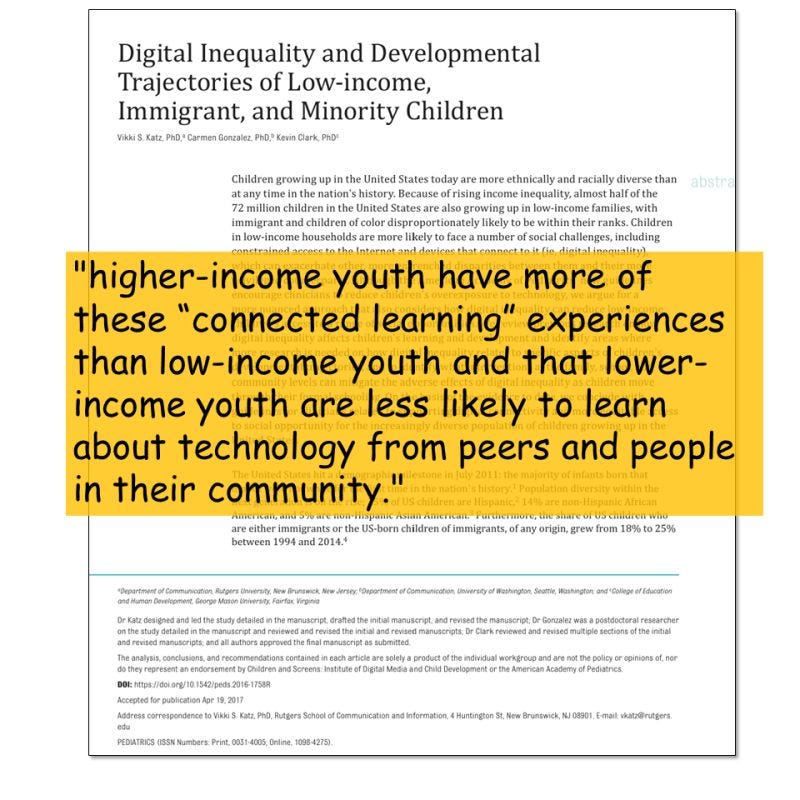
Read Digital Inequality and Developmental Trajectories of Low-income, Immigrant, and Minority Children →


15. Family Learning Talk in AI Literacy Learning ActivitiesFamily Learning Talk in AI Literacy Learning Activities
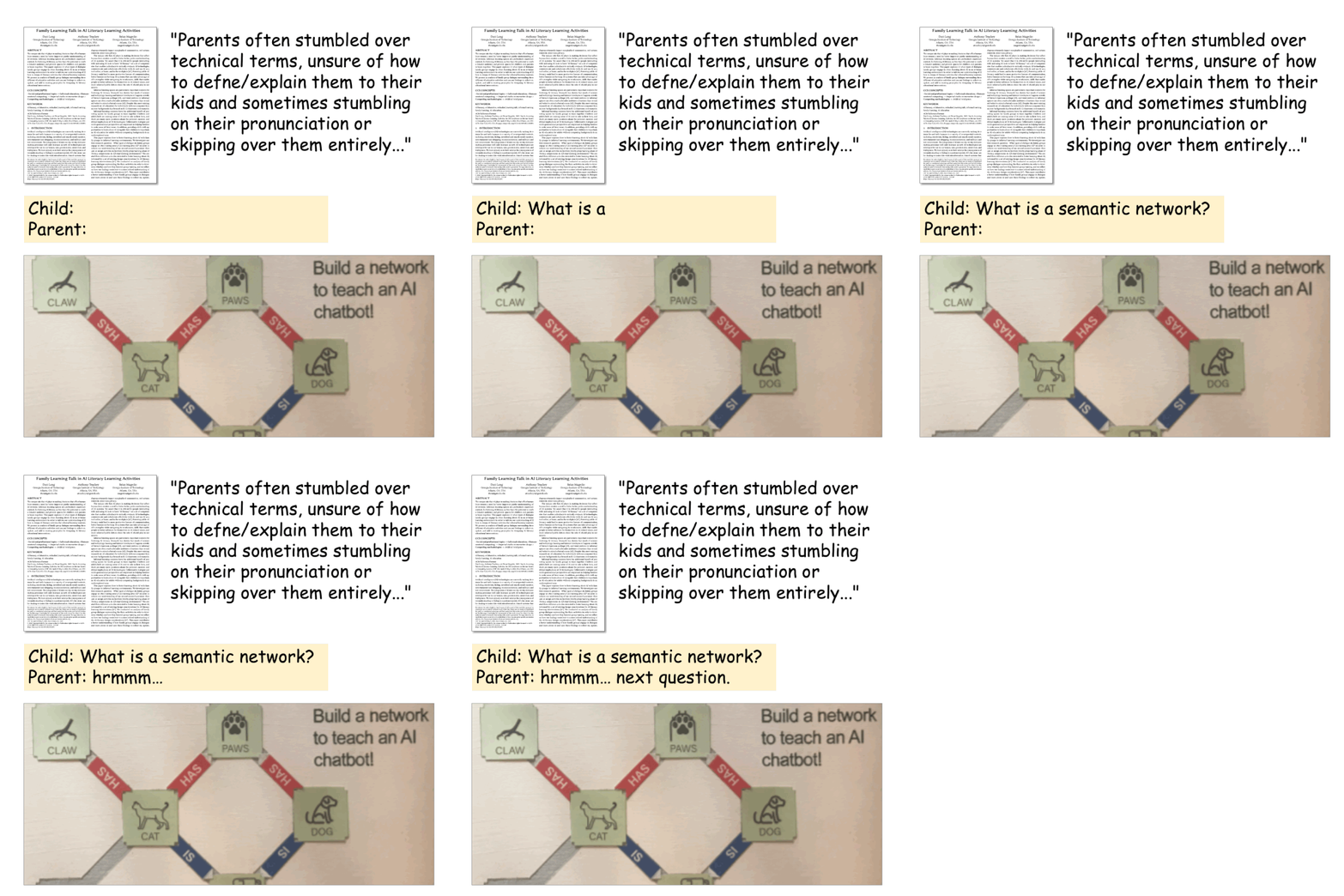
Read Family Learning Talk in AI Literacy Learning Activities →


16. A Social Robot Connected with ChatGPT to Improve Cognitive Functioning in ASD SubjectsA Social Robot Connected with ChatGPT to Improve Cognitive Functioning in ASD Subjects
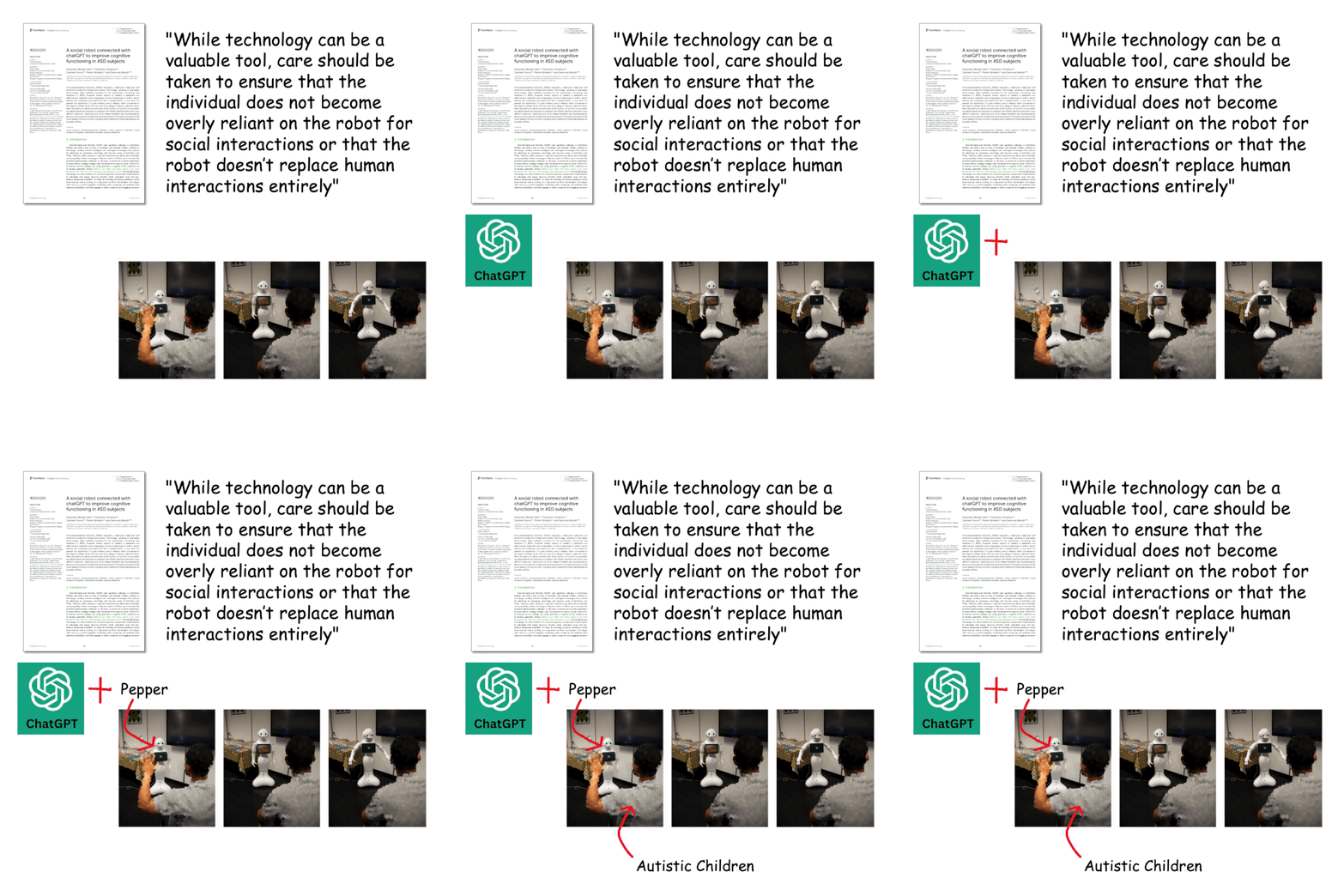
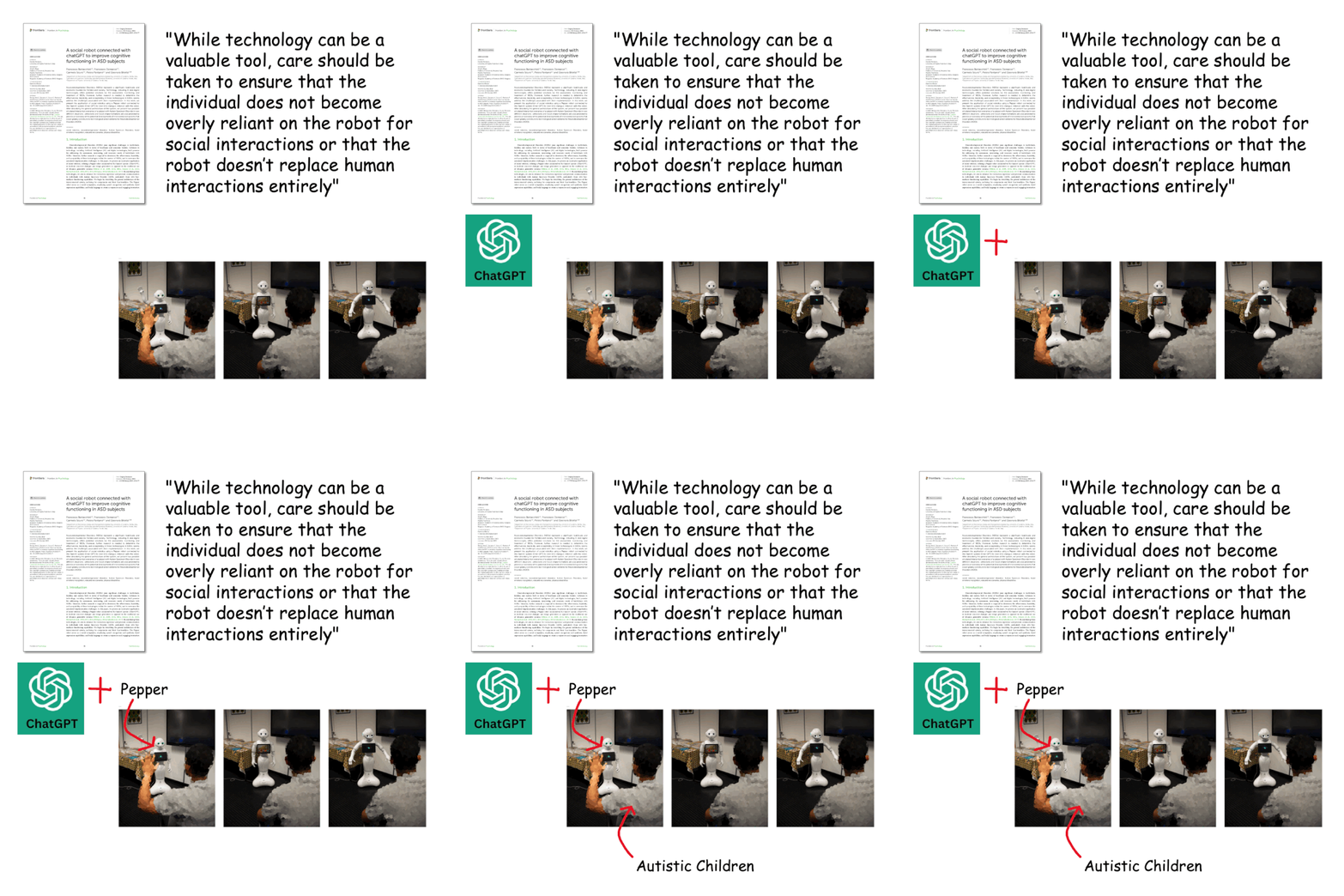
Read A Social Robot Connected with ChatGPT to Improve Cognitive Functioning in ASD Subjects →


17. Humans Create More Novelty Than ChatGPT When Asked to Retell a StoryHumans Create More Novelty Than ChatGPT When Asked to Retell a Story
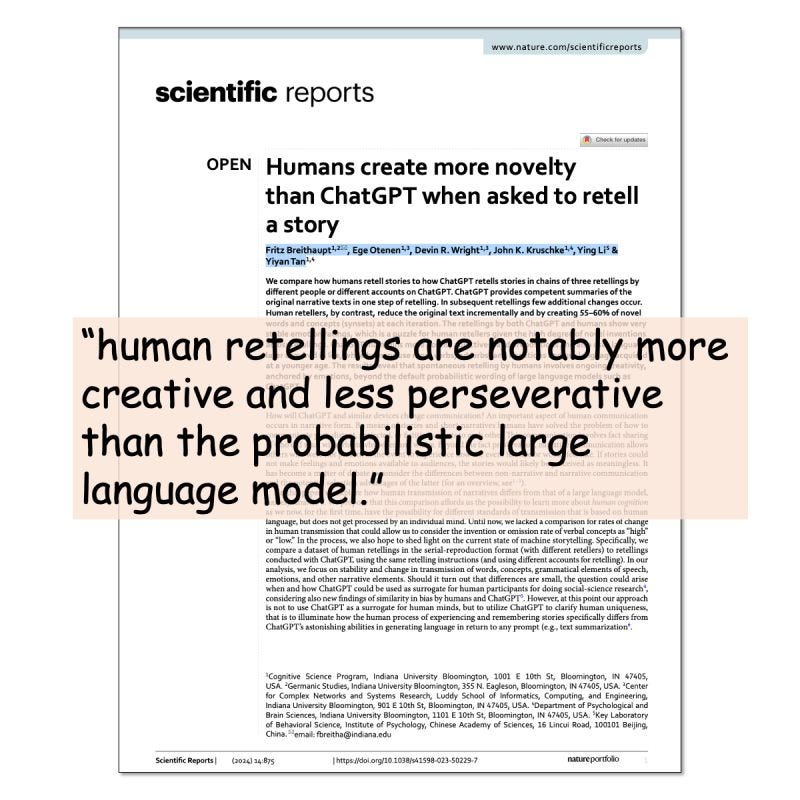
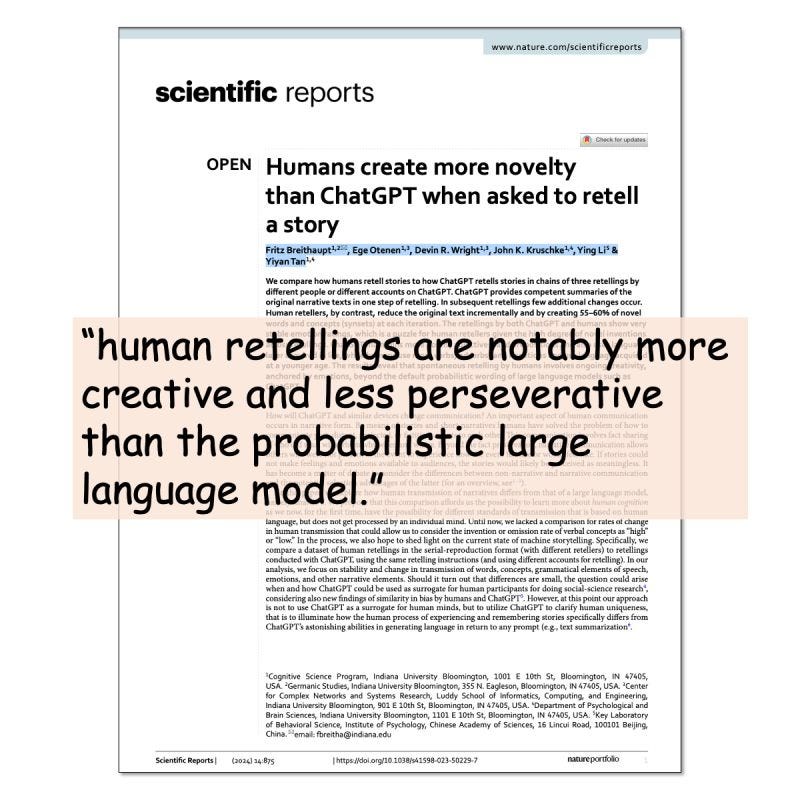
Read Humans Create More Novelty Than ChatGPT When Asked to Retell a Story →


18. When He Feels Cold, He Goes to the Seahorse—Blending Generative AI into Multimaterial Storymaking for Family Expressive Arts TherapyWhen He Feels Cold, He Goes to the Seahorse—Blending Generative AI into Multimaterial Storymaking for Family Expressive Arts Therapy
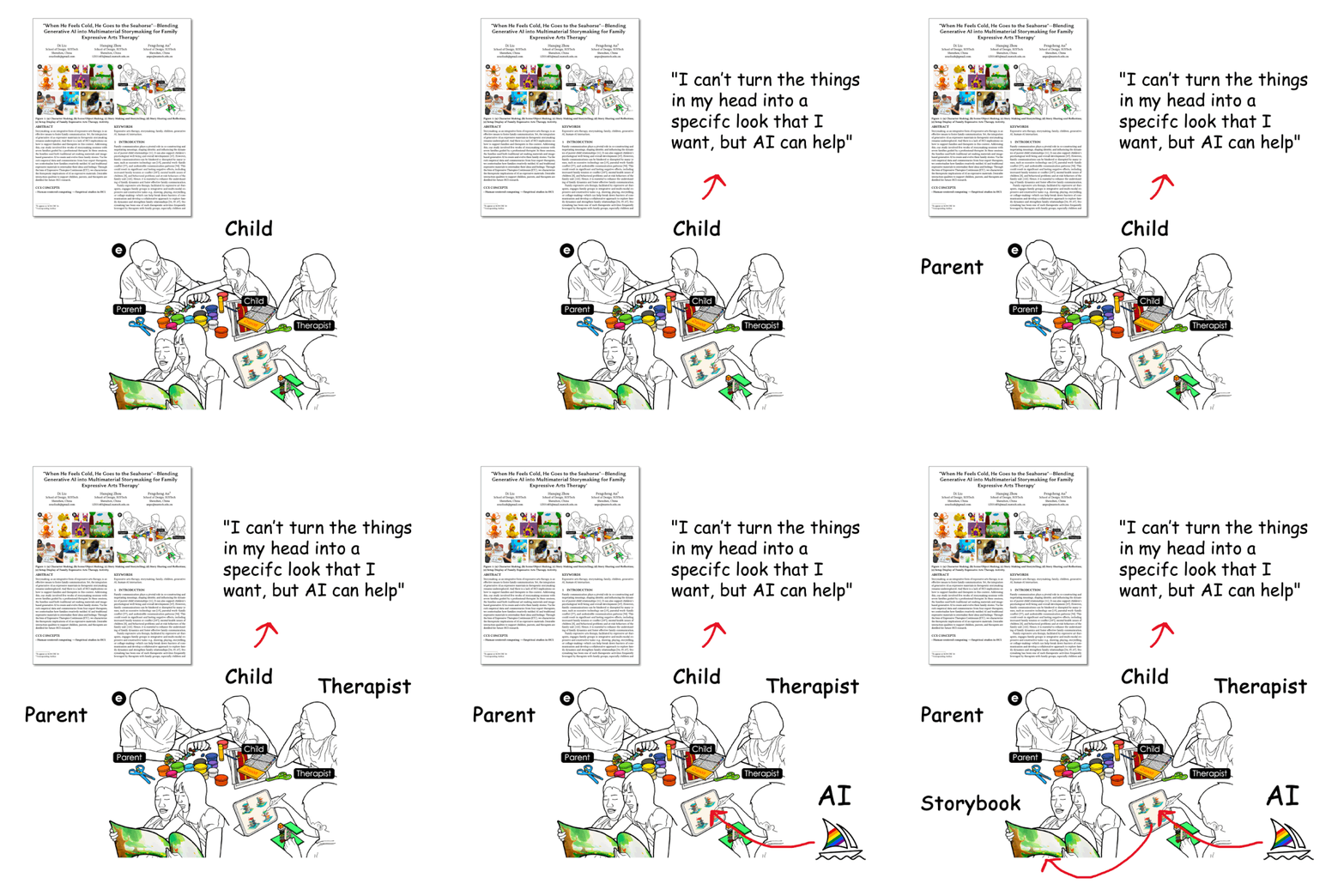
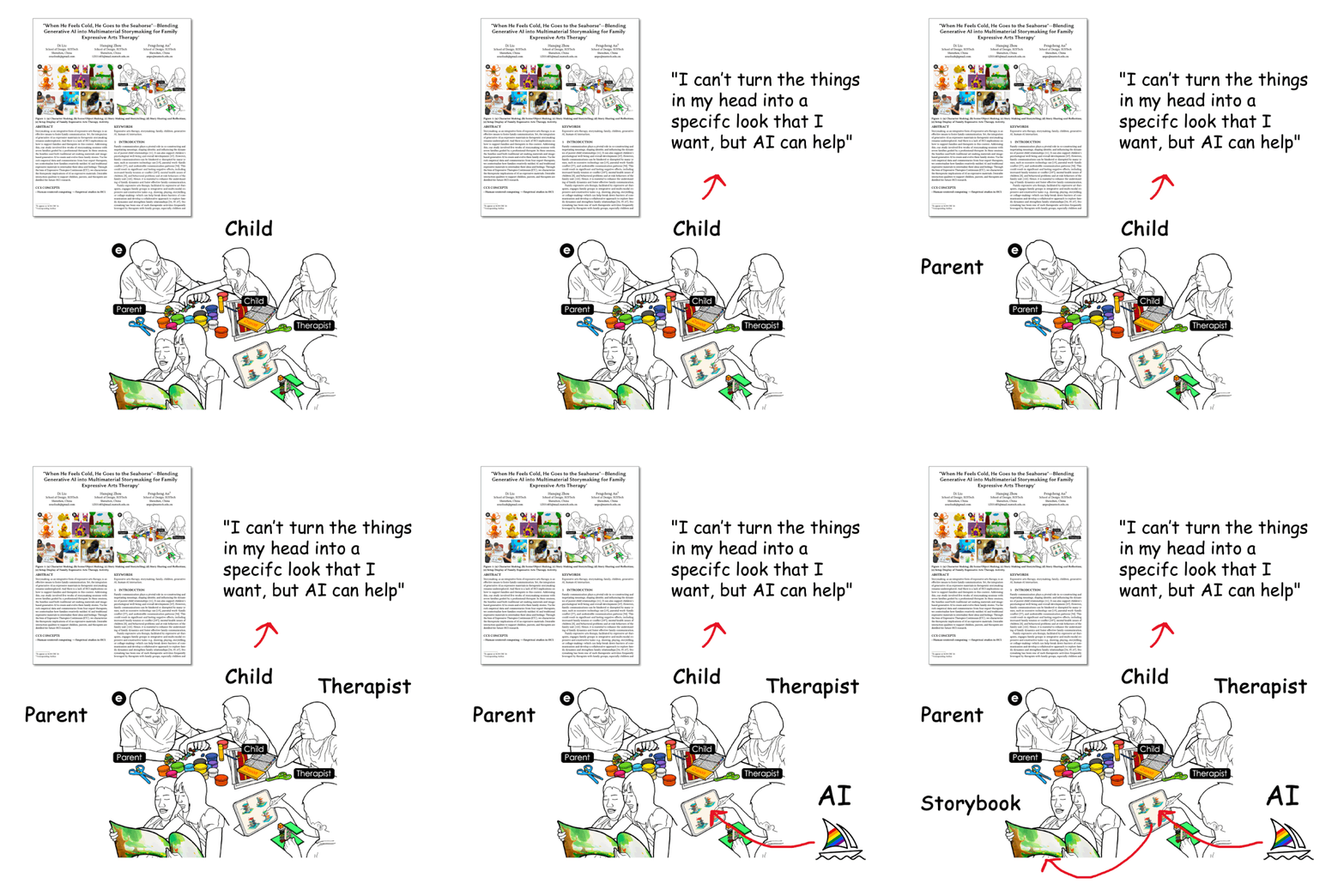
Read When He Feels Cold, He Goes to the Seahorse—Blending Generative AI into Multimaterial Storymaking for Family Expressive Arts Therapy →


19. Large Language Models Have Divergent Effects on Self-Perceptions of Mind and the Attributes Considered Uniquely HumanLarge Language Models Have Divergent Effects on Self-Perceptions of Mind and the Attributes Considered Uniquely Human
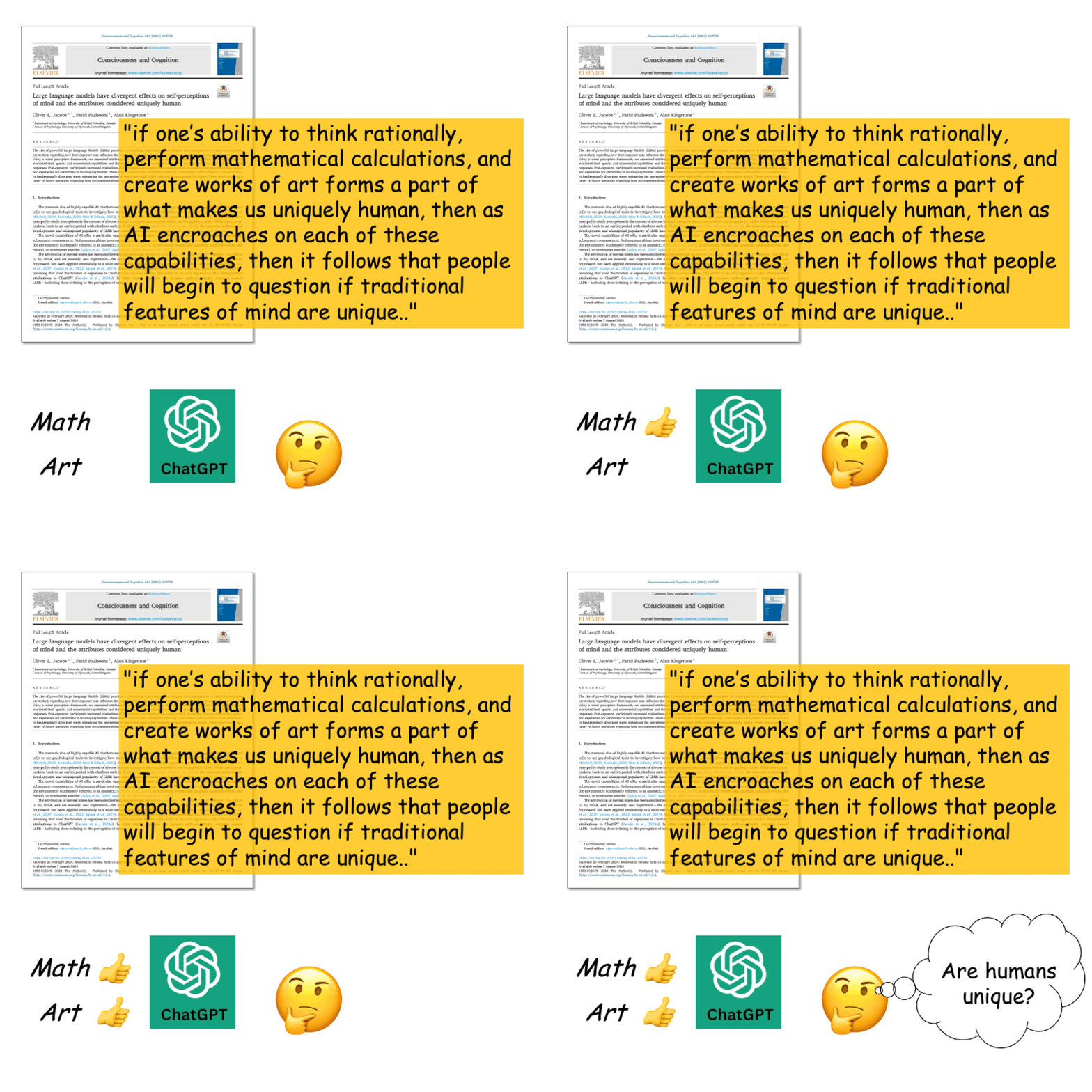
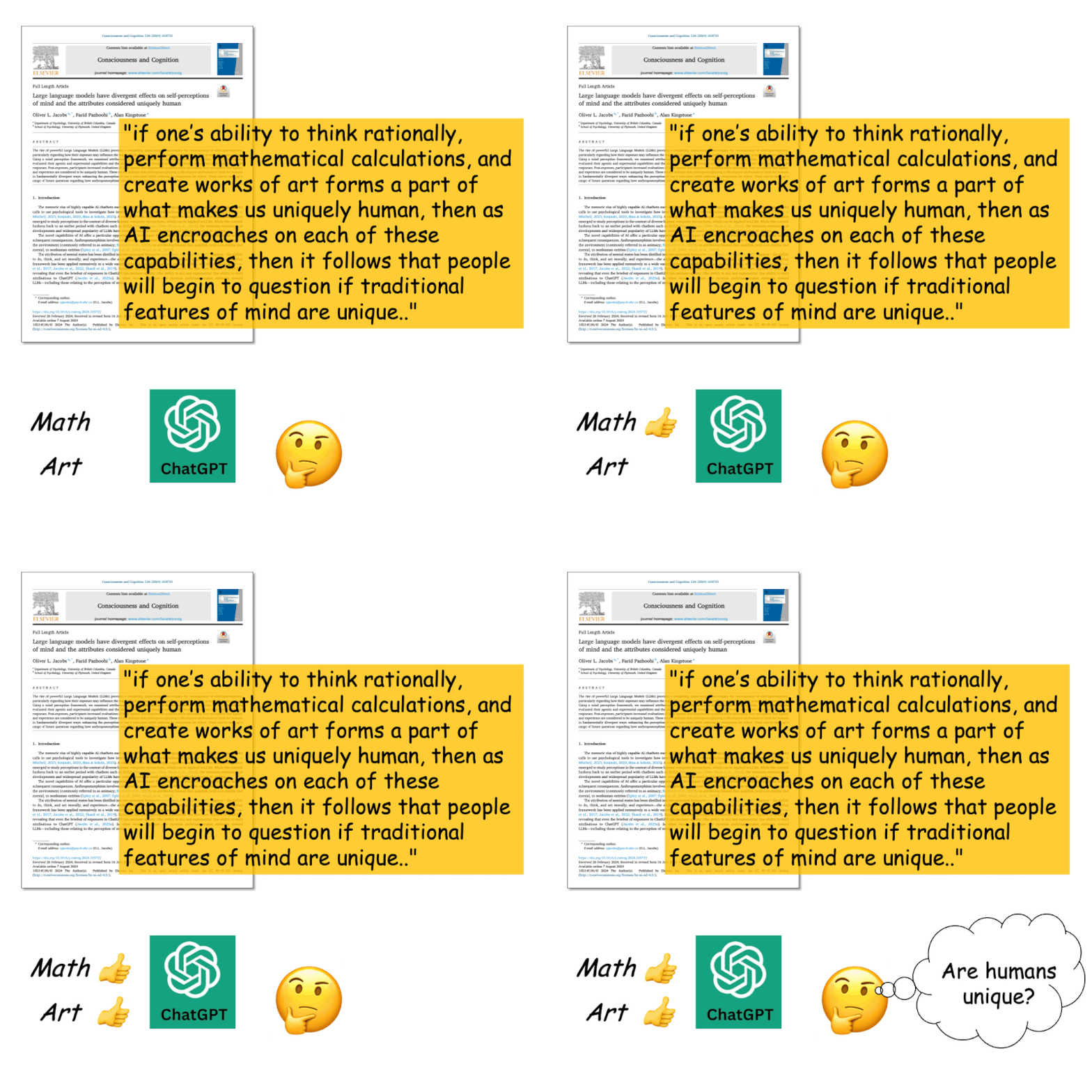
Read Large Language Models Have Divergent Effects on Self-Perceptions of Mind and the Attributes Considered Uniquely Human →


20. Ascribing Consciousness to Artificial Intelligence: Human-AI Interaction and its Carry-Over Effects on Human-Human InteractionAscribing Consciousness to Artificial Intelligence: Human-AI Interaction and its Carry-Over Effects on Human-Human Interaction
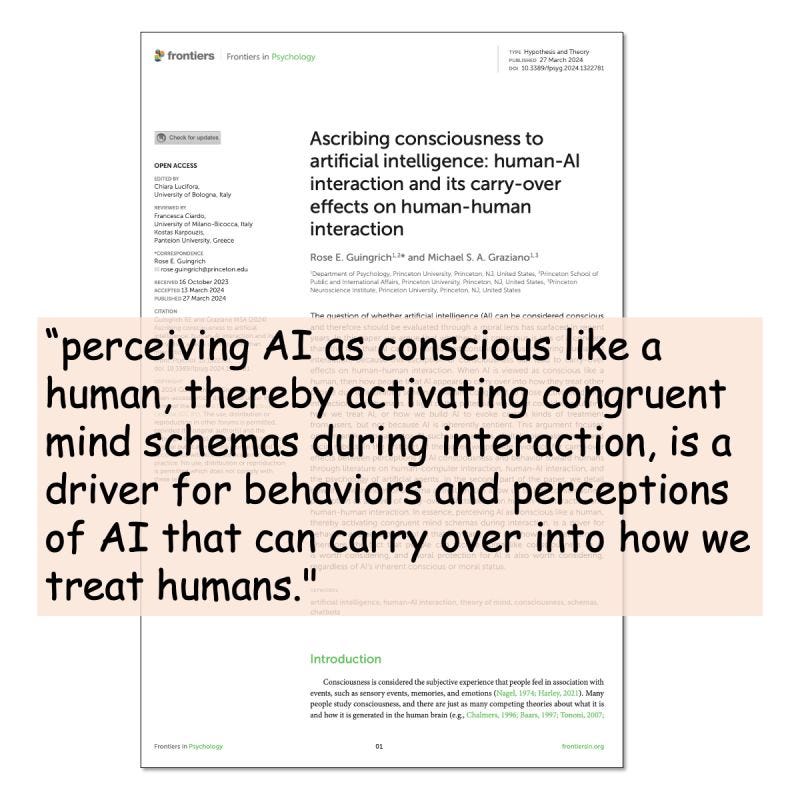
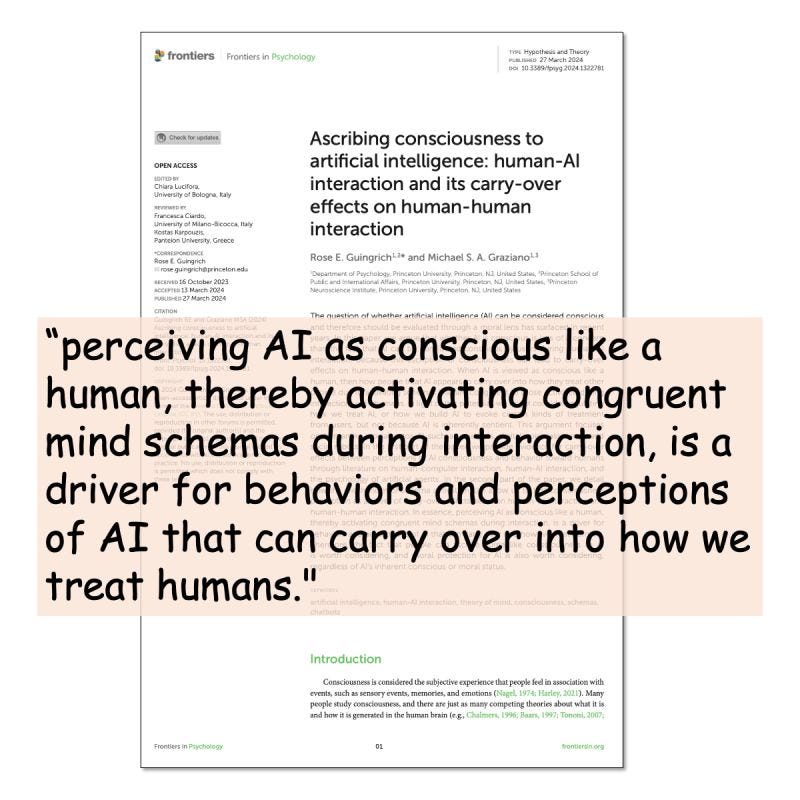
Read Ascribing Consciousness to Artificial Intelligence: Human-AI Interaction and its Carry-Over Effects on Human-Human Interaction →


21. Assessment of Engagement and Learning During Child-Robot Interaction using EEG SignalsAssessment of Engagement and Learning During Child-Robot Interaction using EEG Signals
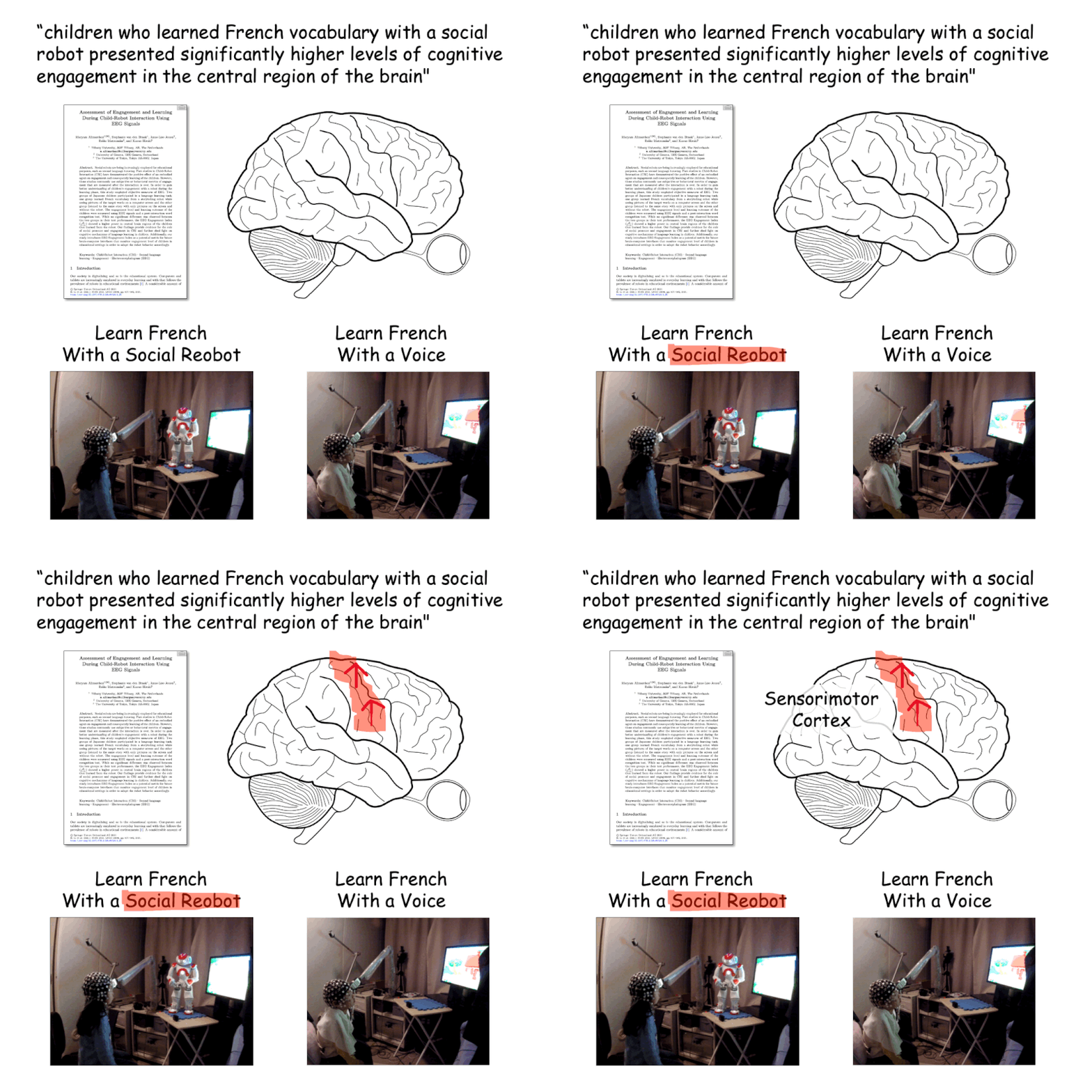
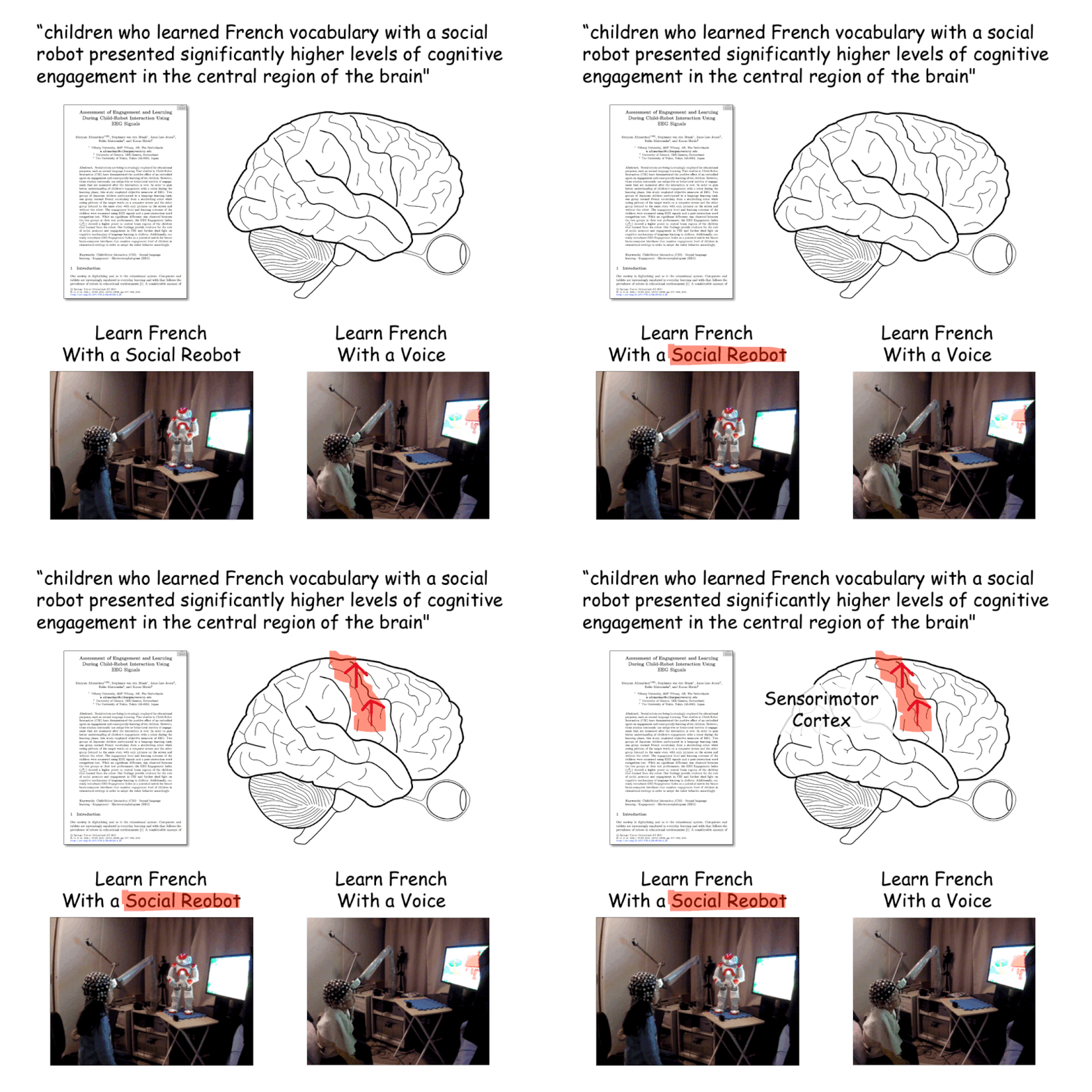
Read Assessment of Engagement and Learning During Child-Robot Interaction using EEG Signals →


22. Can Machines Think? Interaction and Perspective Taking with Robots Investigated via fMRICan Machines Think? Interaction and Perspective Taking with Robots Investigated via fMRI
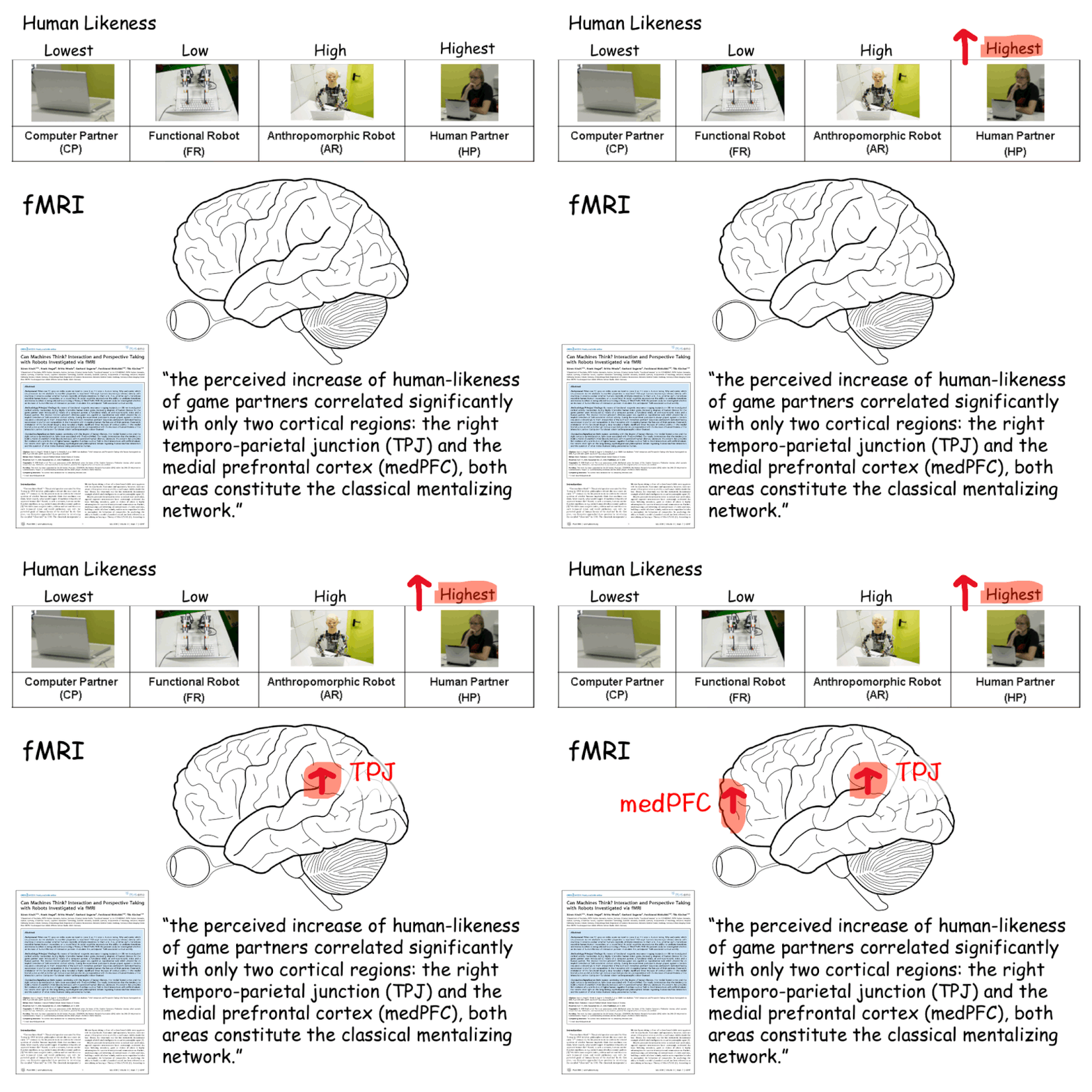
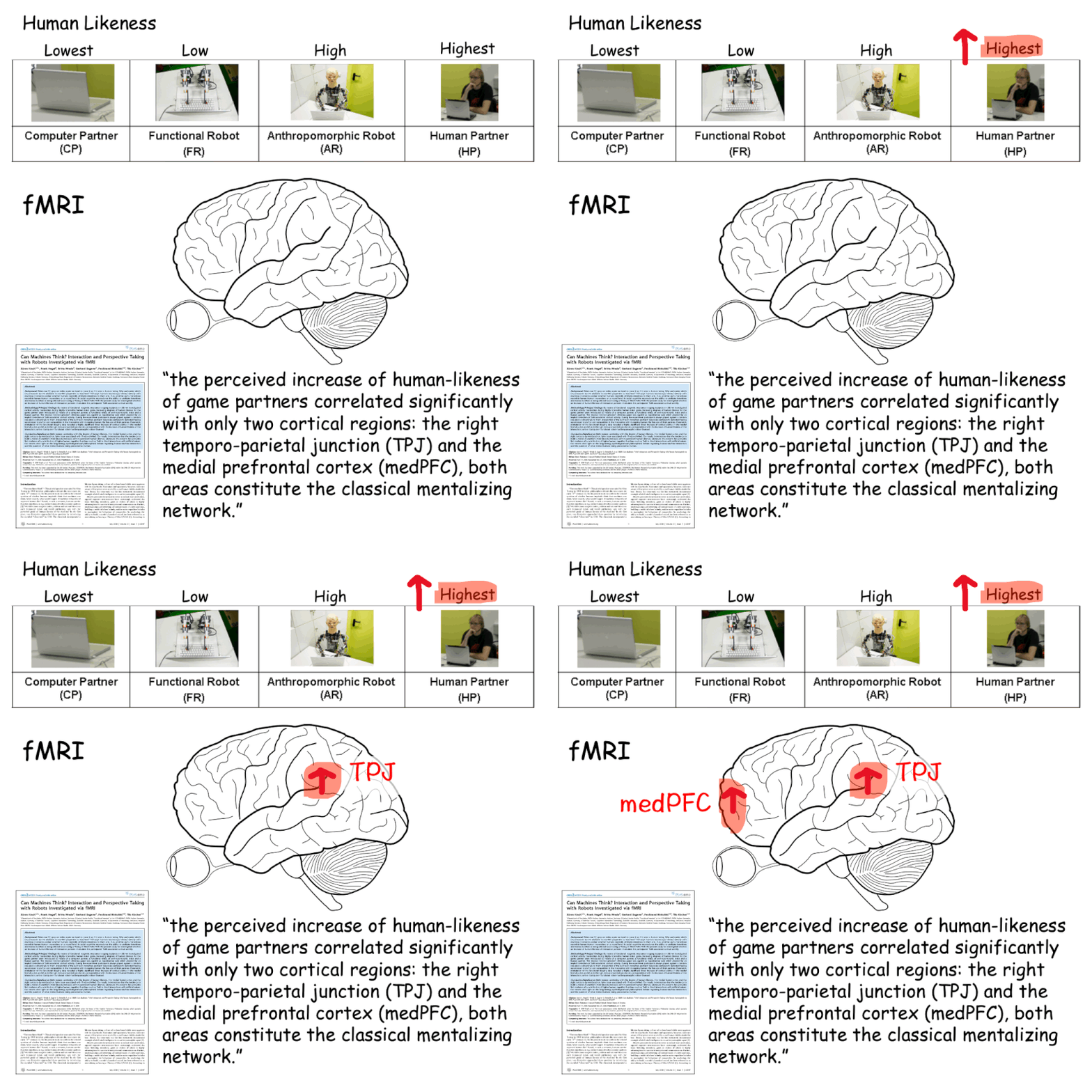
Read Can Machines Think? Interaction and Perspective Taking with Robots Investigated via fMRI →


23. Investigating Conversational Dynamics in Human-Robot Interaction with fMRIInvestigating Conversational Dynamics in Human-Robot Interaction with fMRI
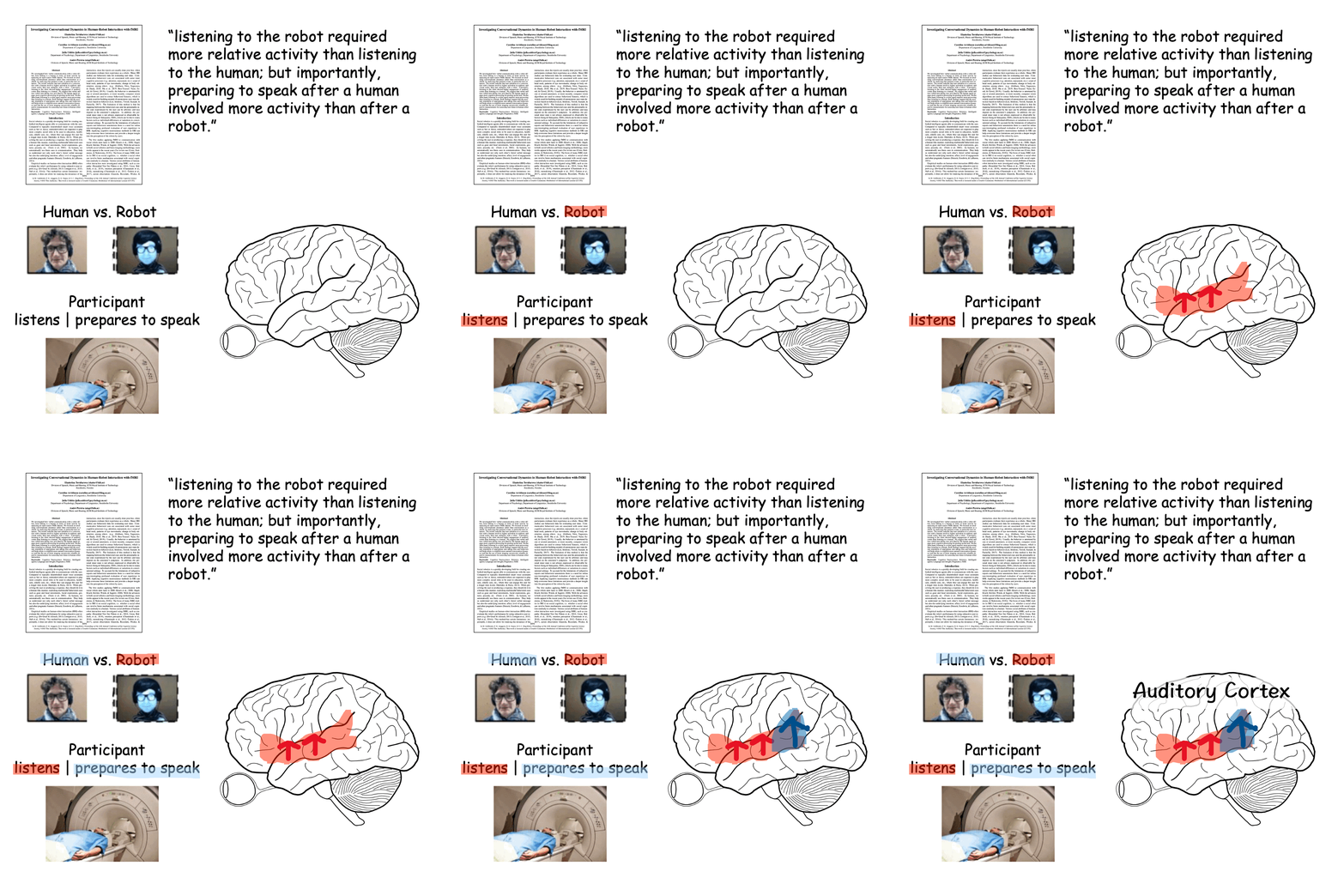
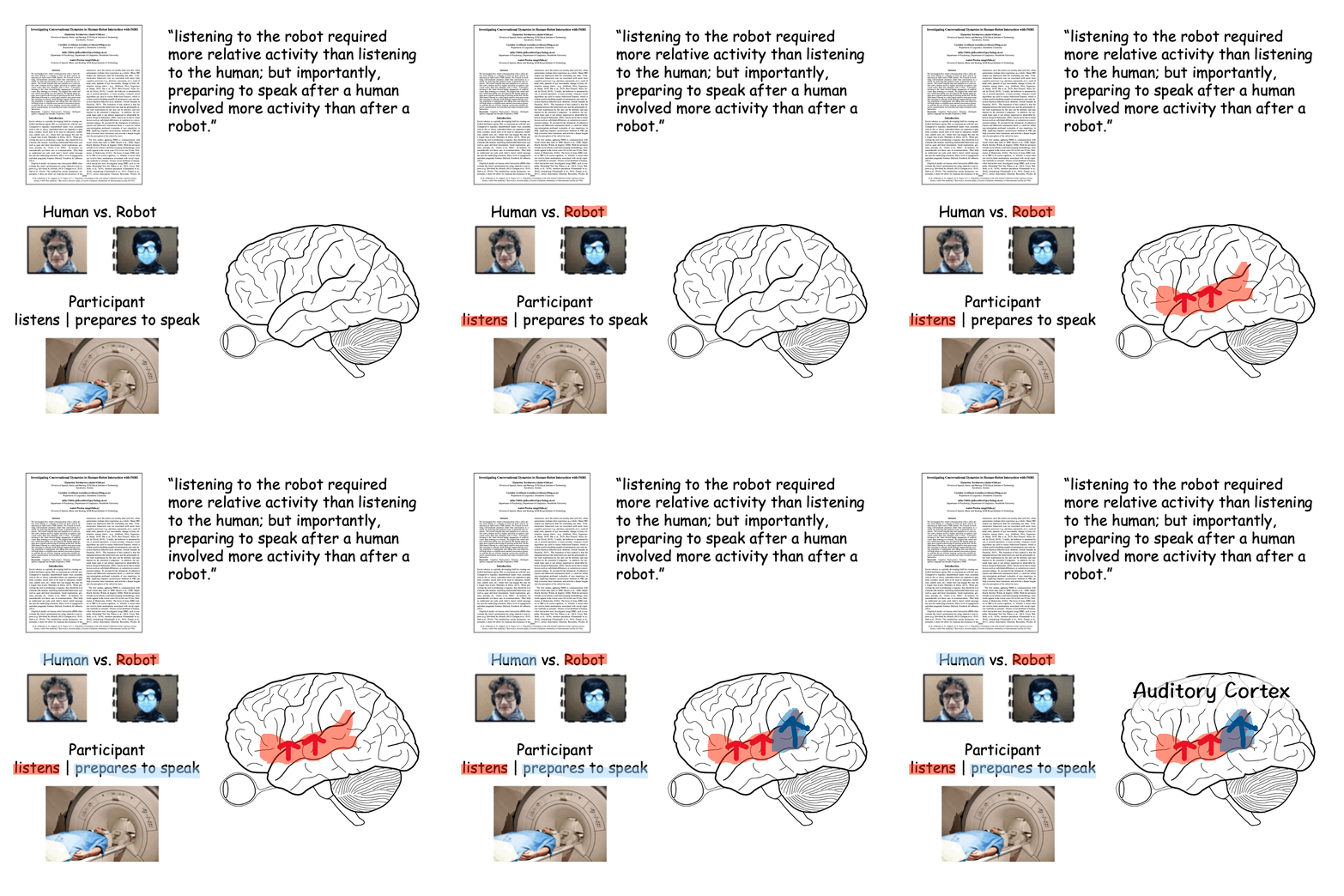
Read Investigating Conversational Dynamics in Human-Robot Interaction with fMRI →
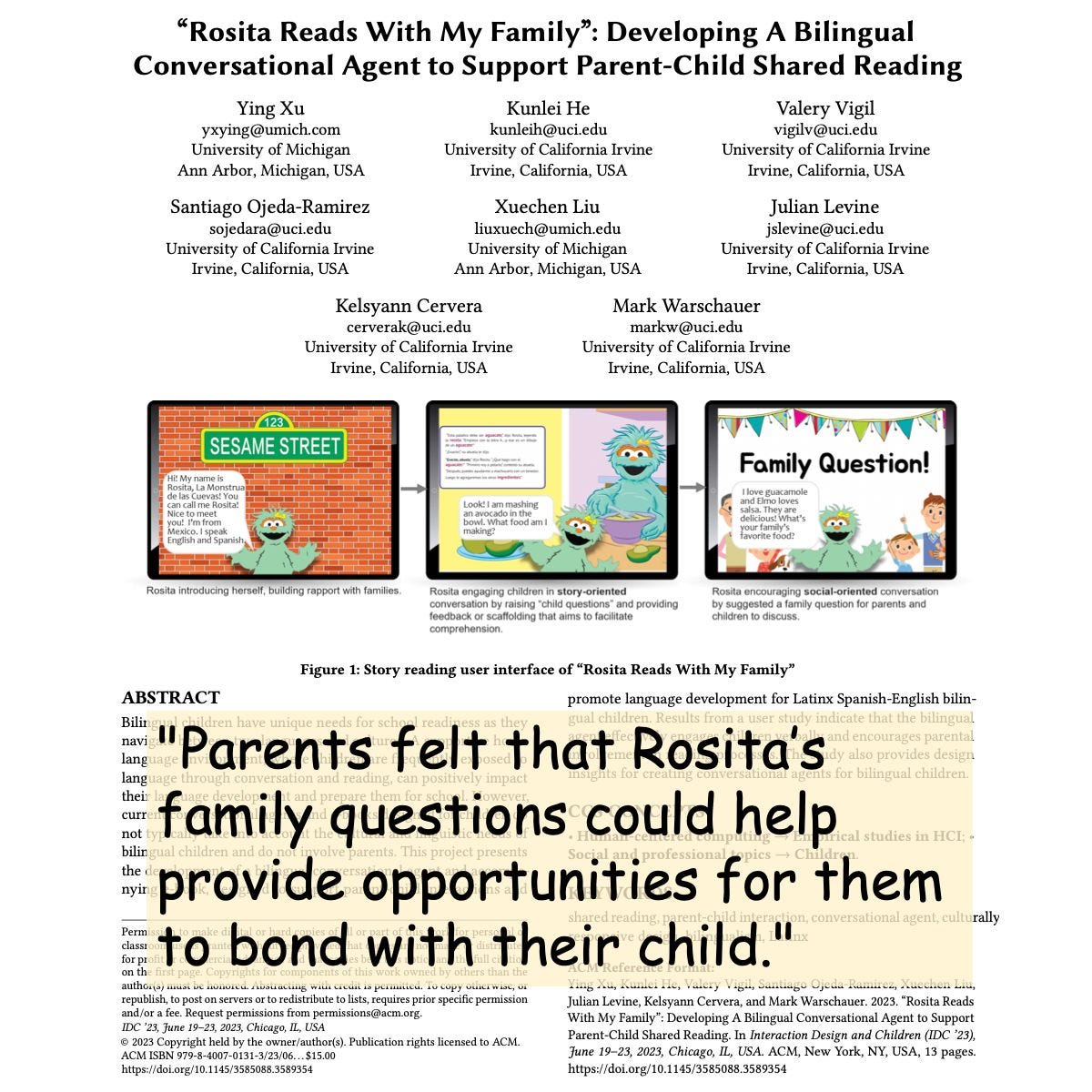

24. "Rosita Reads With My Family": Developing A Bilingual Conversational Agent to Support Parent-Child Shared Reading"Rosita Reads With My Family": Developing A Bilingual Conversational Agent to Support Parent-Child Shared Reading

Read "Rosita Reads With My Family": Developing A Bilingual Conversational Agent to Support Parent-Child Shared Reading →