By Bruno Gonçalves
Published: 2022-01-31
URL: https://data4sci.substack.com/p/top-10-books-we-read-in-2021

\Photo byEd RobertsononUnsplash\
As CoVID-19 continued to make the headlines, 2021 held plenty of opportunities to catch up on reading. Here are 10 of the best books we read in the past 12 months
1. The Data Science Handbook
The proliferation of new toolkits, algorithms and approaches in Data Science make it easy to lose track of the latest developments. In this handbook, Cady presents us a comprehensive overview of the entire field. In this well written and easy to read reference the author uses practical examples and practical applications to bring the underlying theory to the real world.
2. Feynman Lectures on Computation
You might be familiar with Feynman’s Lectures on Physics, but his lectures on Computation (based on a class he taught and his work in ‘Connection Machine’) aren’t any less amazing. Through this short book, Feynman guides us through the concept of computation and the van Neumann architecture in his unique style, from logic functions, to Turing machines, coding and even quantum computers.
3. Graph Representation Learning
A grounded, well-written, and to the point introduction to representation learning for graphs that helps you grasp the fundamental concepts as well understand when to and when not to. The extensive bibliography provides entry points for further study for the motivated reader. The algorithm descriptions are clear and intuitive in a way that will give you a leg up to implement pre-existing algorithm and even develop your own variations.
4. Google BigQuery: The Definitive Guide
Google BigQuery is google’s SQL based data warehousing and analysis solution that you can easily use in your own projects. Written by one of the early designers of BQ, this books provides a clear and in depth view of how to make the most out of this powerful system that is able to process terabytes of data in just a few seconds.
5. Fundamentals of Data Visualization
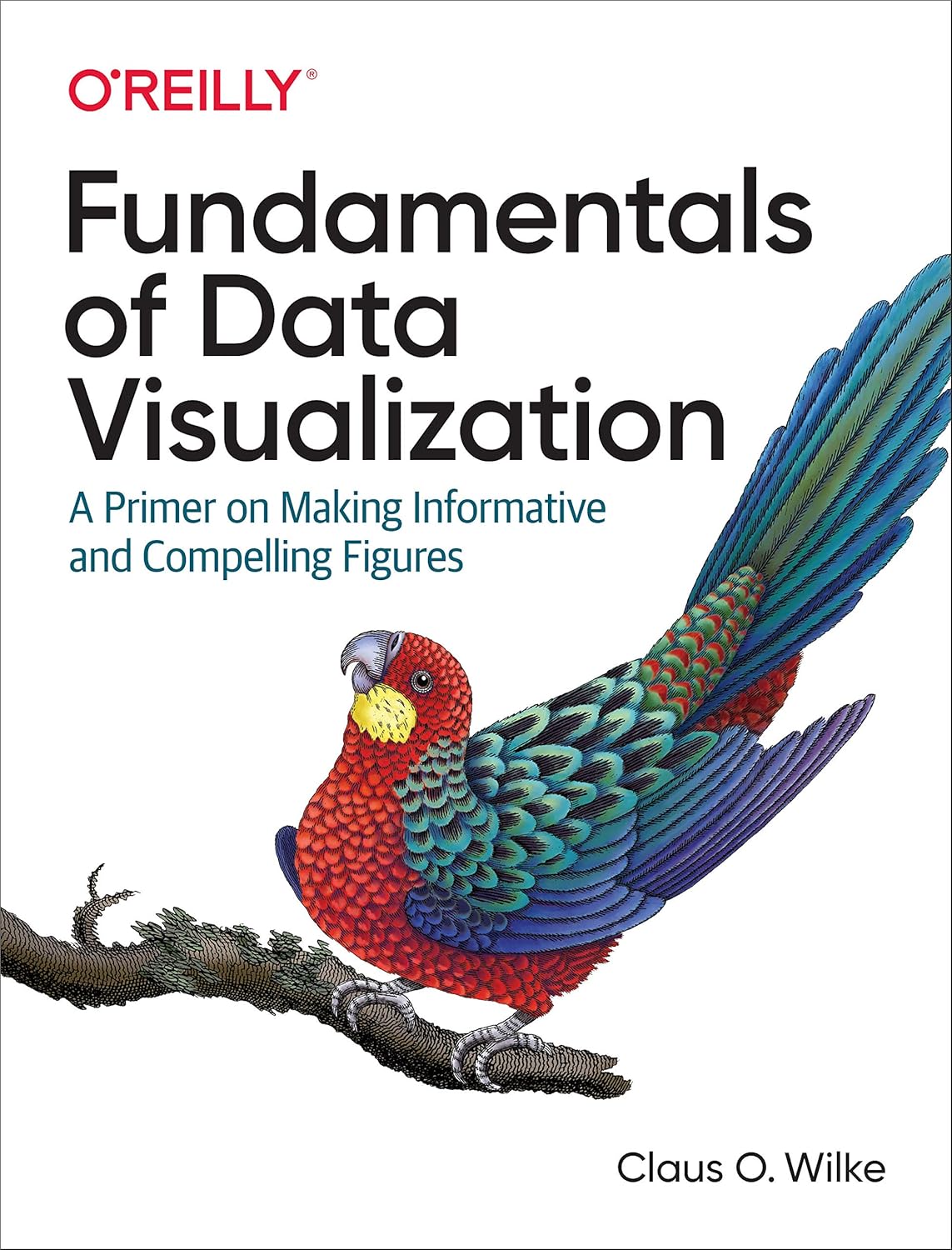
We’re firm believers that an image is worth 1000 words (check out V4Sci if you haven’t already) and this book will quickly and easily super charge your visualization skills. Wilke brings to bear the perspective of a Data Scientist to a field often dominated by Designers. Throughout this book, Wilke teaches you how to craft powerful visualizations with your tool or programming language of choice by introducing only as much visualization theory and concepts as necessary and without getting lost in abstract ideas or concepts.
6. Think Bayes (2nd Ed)
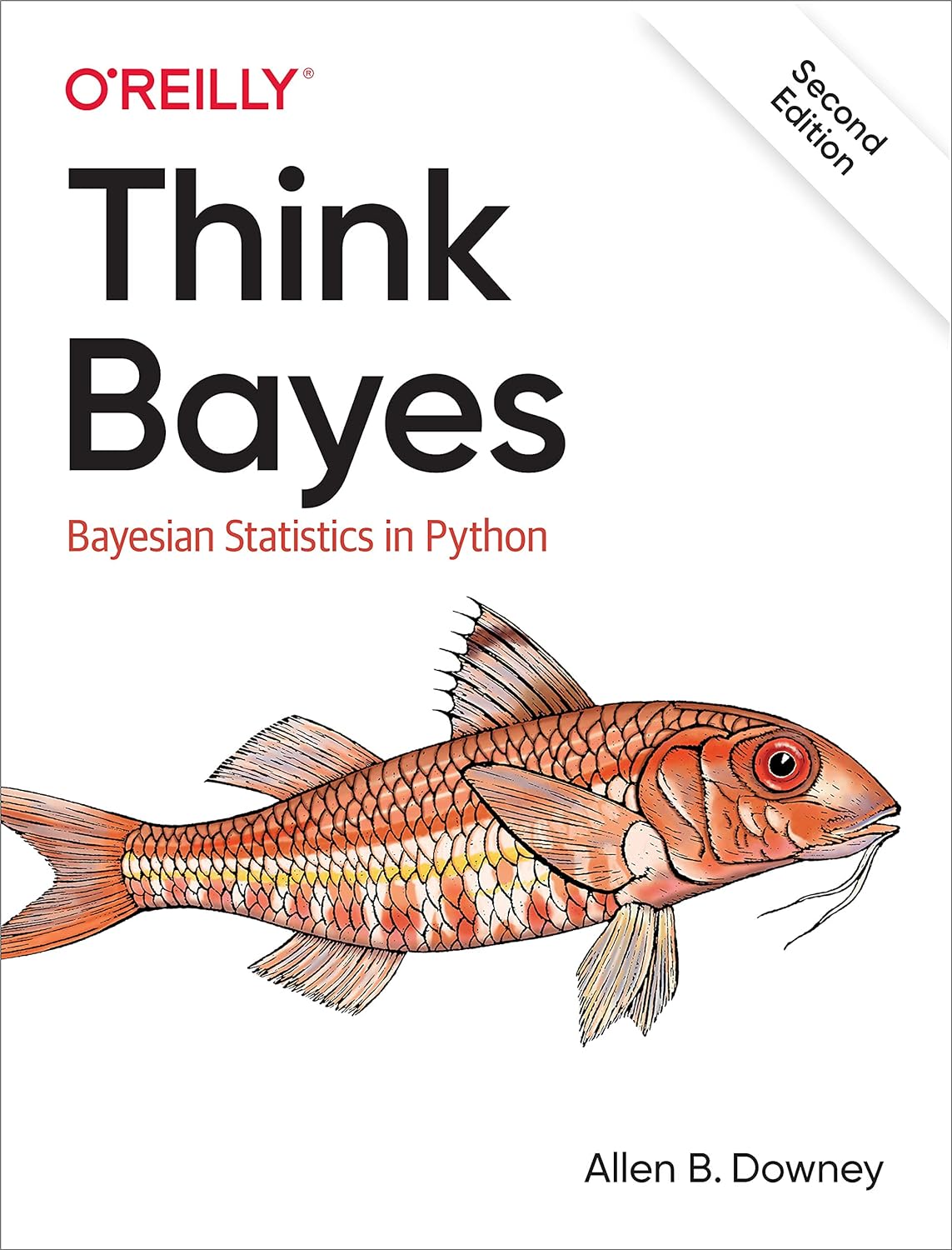
Bayesian Statistics is a powerful tool in the toolbox of any Data Scientists, not it is not the easiest of skills to learn if you are not mathematically inclined. In this book, Downey uses his down to earth, step by step style to make you proficient in the world of Bayesian Statistics by leveraging your pre-existing knowledge of Python instead of relying excessively on mathematical notation as most other books do. The book comes with a complete up-to-date GitHub repository so that you can more easily work your way through the example and cement your understanding of this important topic.
7. Data Science for Business
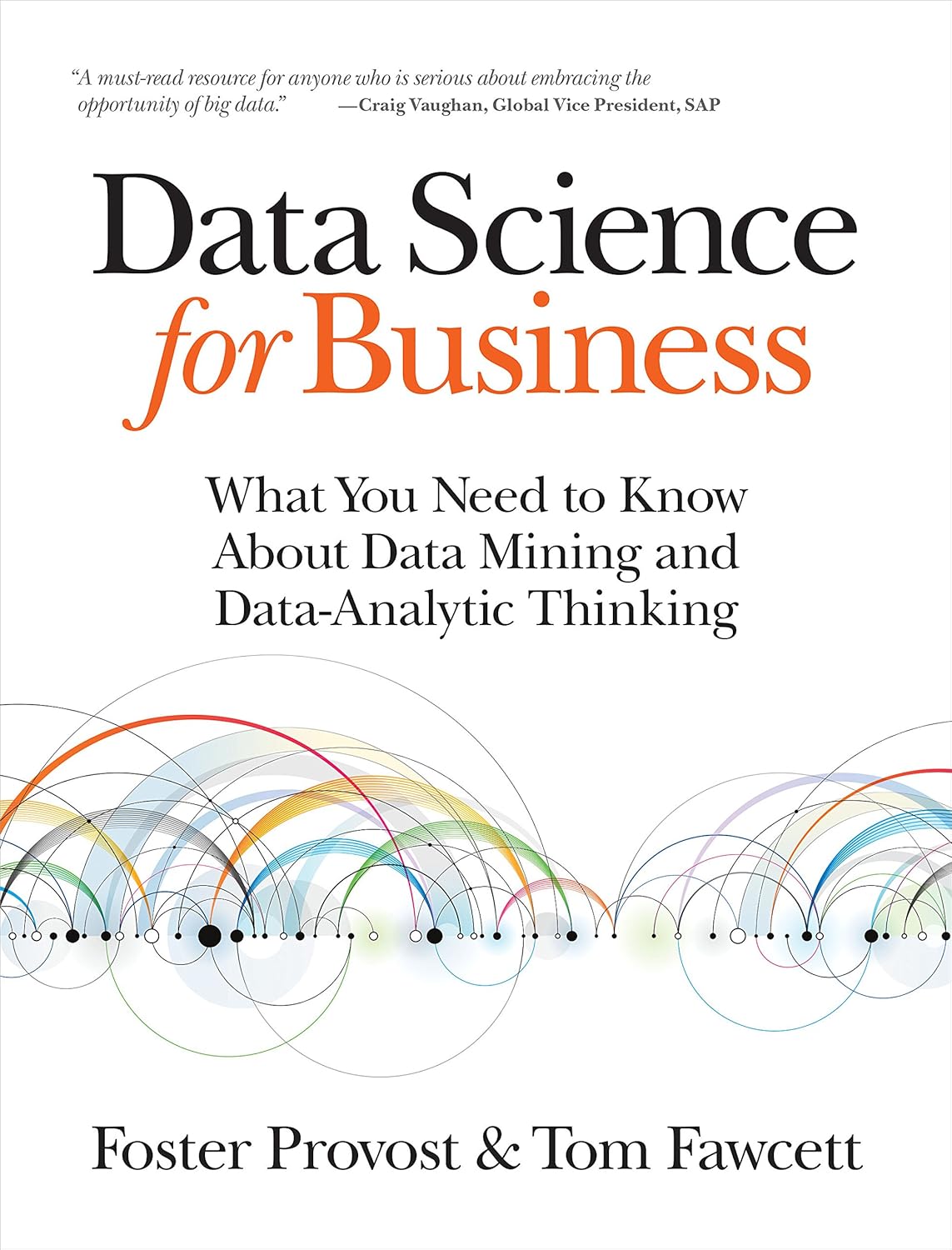
This book has the distinction of having been the first book I ever read when I first started getting interested in Data Science back in the day. While it doesn’t dive into the Data Science programming stack, Provost and Fawcett have a gift for putting the fundamental concepts and ideas of Data Science into a practical business context that makes it clear when each algorithm should be applied and where they might be found lacking.
8. Data Science From Scratch
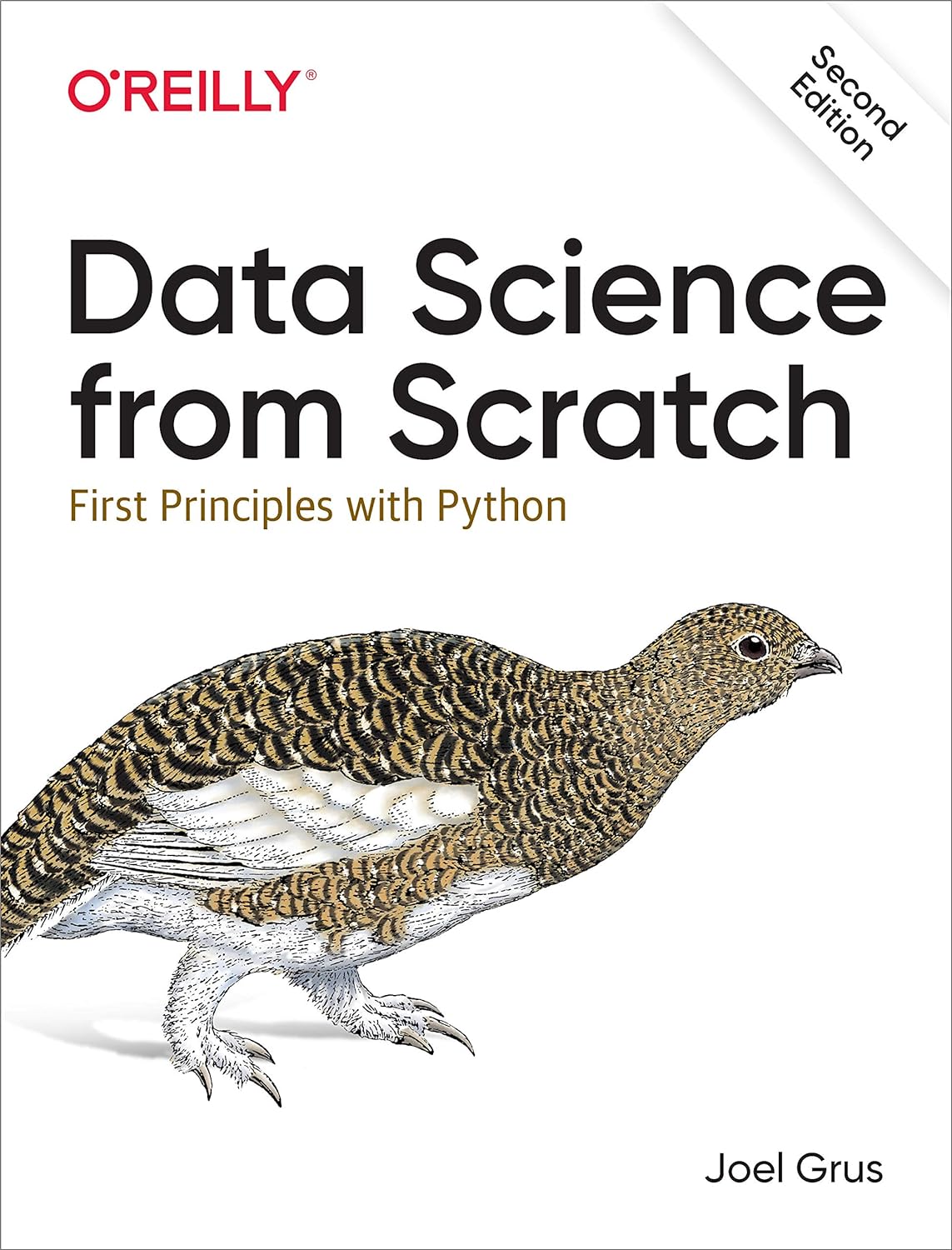
Grus, a mathematician by training, guides you through the math, statistics, and ideas underlying the algorithms of modern Data Science while showing you how to implement them from scratch. As you work your way through the book you’ll quickly become an expert in the finer points (and possible pitfalls) of each algorithm while at the same time significantly improving your Python proficiency.
9. Data Analysis: A Bayesian Tutorial
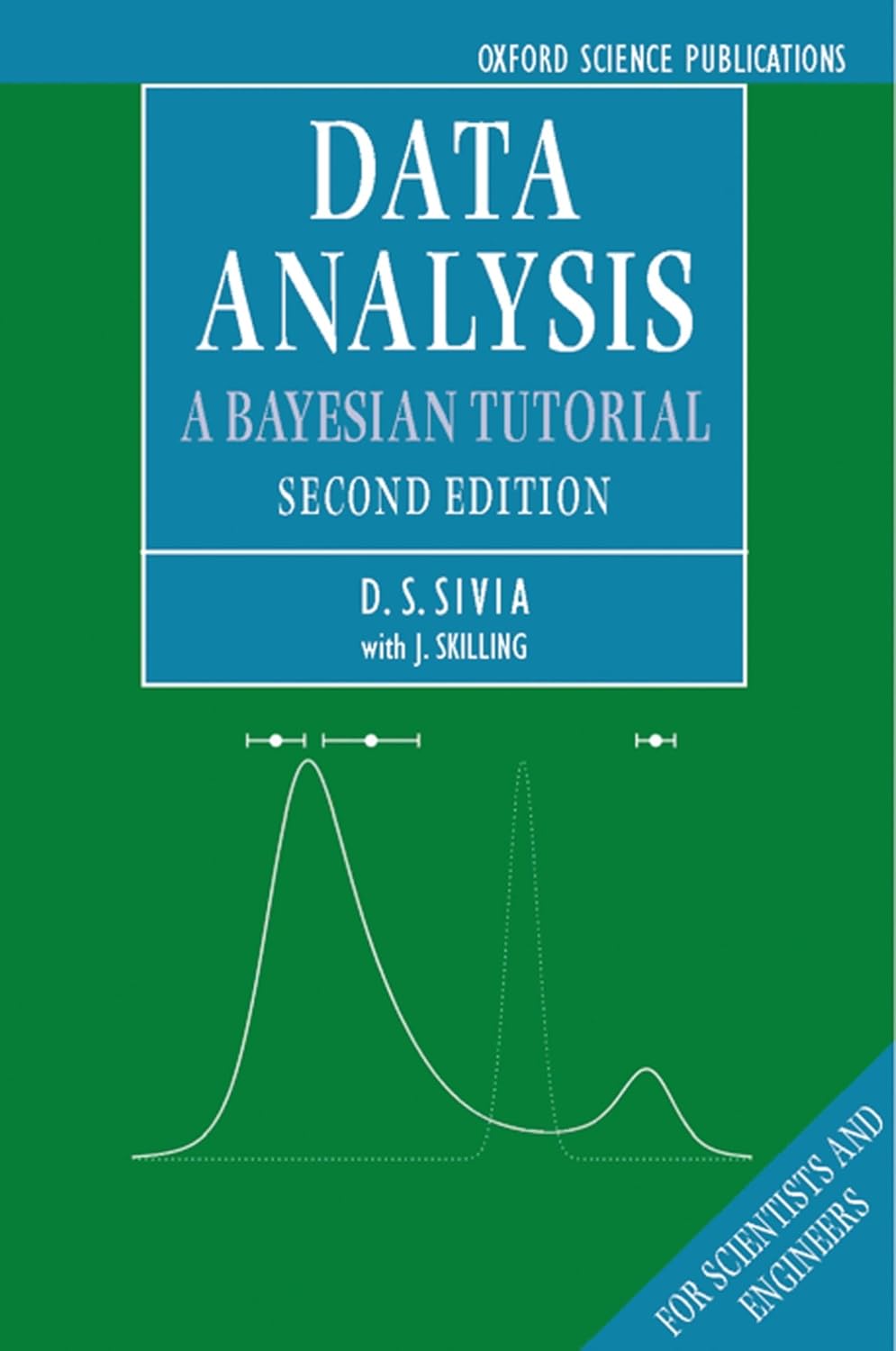
Bayesian analysis is a statistical approach with a long and rich history that allows us to use probability statements to quantify our uncertainty about specific parameters. This short book provides an excellent first introduction to this powerful family of techniques with practical examples. The book quickly guides us from the fundamental intuition behind Bayes theorem more advanced concepts and applications such as Model comparison, Inference and Non-Parametric Estimation.
10. Transformers for Natural Language Processing
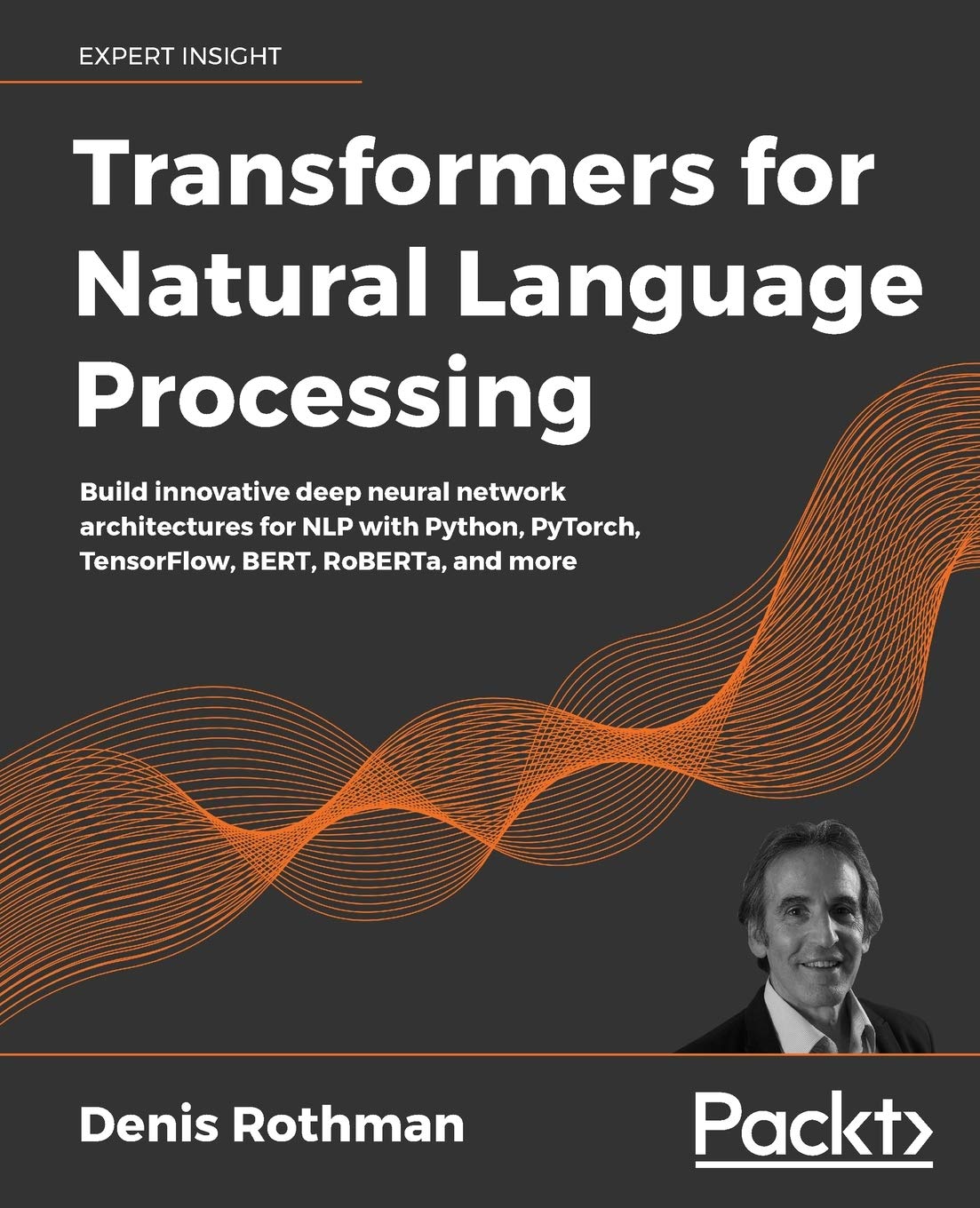
Transformers are the latest generation deep learning architecture for NLP that gained prominence in recent years by surpassing the performance of RNNs, GRUs and LSTMs. This book provides a grounded introduction to Transformers from the perspective of cognitive science so that you can quickly master the fundamentals and grow to apply them to your own work.

What books kept you company throughout the year? And which ones are you looking forward to in #2022?
Also, don’t forget to check out last years list: